
Pruning
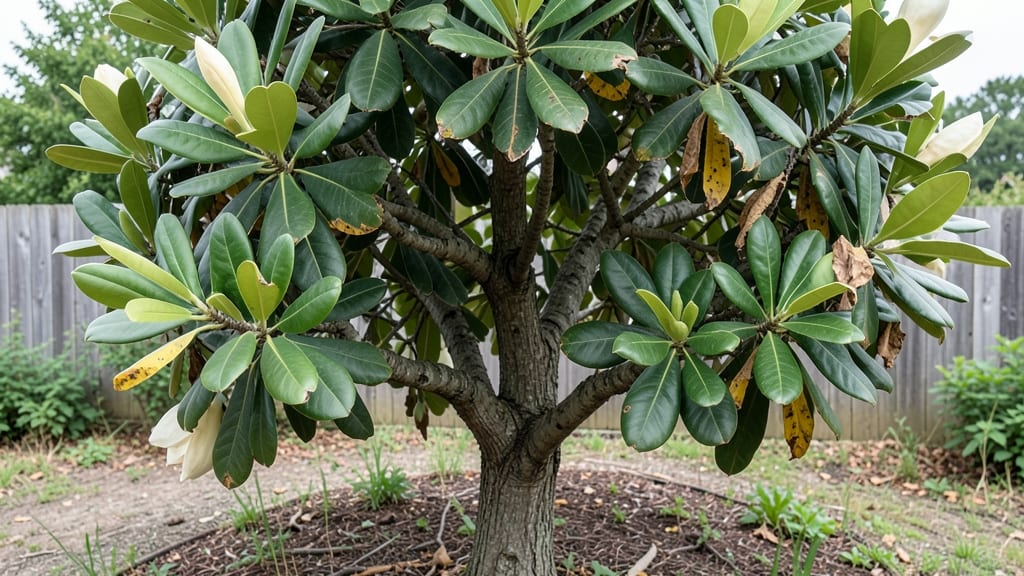
If your sick magnolia tree looks more like a skeleton than a showstopper, it’s time to act—especially in the Pacific Northwest’s damp climate, where fungal buffets like anthracnose, scale, and spider mites thrive. them back to life.
I’ve nursed my own struggling magnolia from browned leaves to vibrant blooms using a few key cuts and timing tricks.
The first step is identifying what’s wrong: yellowing leaves? Likely fungal. Sticky branches? Probably scale. Once you know the enemy, pruning becomes precision surgery—removing infected limbs early prevents spread, while shaping the tree improves airflow.
You don’t need fancy tools, just sharp bypass pruners, rubbing alcohol for cleaning cuts, and a clear day to work. Most homeowners can handle this without an arborist, but if the tree is over 50% damaged, call in backup.
Within a season, you’ll see new growth where you made cuts, and next spring’s blooms will be fuller than ever. The key is patience—magnolias heal slowly, but they’re tougher than they look.
By summer, your tree will be on the mend, and the neighbors will ask how you pulled off that revival. Let’s get those branches trimmed right.
This method works for both Southern magnolias and the Pacific Northwest’s native varieties, though timing matters: prune after blooming to avoid cutting off next year’s flowers. For fungal issues, pair pruning with a copper fungicide spray in wet seasons. Your magnolia’s comeback starts with a single cut—make it count.
📚 In This Guide
- What you need
- Instructions
- Tips and common mistakes
- Wrapping up and next steps
What you need
- ● Bypass pruners – Sharp, clean bypass pruners (for branches up to ½ inch thick). Example: Felco F-2 or Corona Tools 1000D.
- ● Loppers – Heavy-duty loppers (for branches ½ to 2 inches thick). Example: Fiskars X7 or Bahco Forester.
- ● Pruning saw – Curved-tooth pruning saw (for branches 2+ inches thick). Example: Felco F-2S or Corona Tools 2000.
- ● Disinfectant – 70% isopropyl alcohol or bleach solution (1 part bleach : 9 parts water) to sterilize tools between cuts.
- ● Gloves – Heavy-duty gardening gloves (cut-resistant, like Mechanix Wear or Dr. McGregor’s).
- ● Safety gear – Safety goggles and long sleeves/pants to protect from thorns and debris.
- ○ Sealing wax or pruning sealant – Optional but helpful for large cuts (e.g., Tanglefoot Tree Wound Pruning Sealer).
- ● Ladder or stump – Sturdy extension ladder (rated for your height) or stable step stool for taller trees.
- ● Heavy-duty trash bags – For removing pruned debris (2–3 bags, depending on tree size).
- ● Notebook & pen – To map cuts and track progress.
- ● Pole pruners – Extendable pole pruners (for high branches, e.g., Felco F-2P).
- ● Tree wound dressing – Natural alternatives like beeswax or horticultural spray.
- ● Pruning shears for fine trimming – For delicate adjustments (e.g., Corona Tools 1005).
- ● Camera or phone – To document before/after for reference.
- ● First-aid kit – Just in case of thorn pricks or minor injuries!
Instructions for reviving a sick magnolia tree in the Pacific Northwest
Here’s how I’ve helped struggling magnolias bounce back—by focusing on what matters most.
Assess the Damage and Identify the Problem
Start by examining the tree closely. Look for signs like yellowing leaves, brown spots, wilting branches, or unusual growth patterns. In the Pacific Northwest’s damp climate, fungal diseases like anthracnose or powdery mildew are common culprits, while root rot can also creep in if drainage is poor. I check for pests like scale or spider mites, which often hide on the undersides of leaves.
Take note of where the damage is concentrated—if it’s on older branches, it might be a sign of stress or disease. If new growth is weak, the issue could be nutrient deficiency or improper watering. Don’t jump to pruning yet; first, confirm whether the problem is environmental, fungal, or pest-related. This step saves time and prevents unnecessary stress on the tree.
Prune Strategically to Restore Health
Once you’ve identified the issue, prune with precision. Use clean, sharp pruning shears to make cuts just outside the branch collar—the swollen area where the branch meets the trunk. This ensures the wound heals properly and reduces the risk of infection. Start by removing any dead, diseased, or crossing branches first, as these can spread problems or create entry points for pests.
For fungal issues, sterilize your tools between cuts with rubbing alcohol or a 10% bleach solution. Avoid pruning during wet weather, as open wounds are more vulnerable to infection. Focus on improving airflow within the canopy by thinning out dense areas—this helps sunlight and air reach the inner branches, which is critical for drying out moisture and preventing fungal growth.
Improve Soil and Watering Practices
Magnolias thrive in well-draining, slightly acidic soil with a pH between 5.5 and 6.5. If your tree’s soil is compacted or waterlogged—common in the Pacific Northwest’s heavy clay soils—amend it with 2-3 inches of organic matter, like compost or well-rotted wood chips. This improves drainage and adds essential nutrients. Avoid fresh mulch, which can mat against the trunk and trap moisture.
Water deeply but infrequently—once a week during dry spells, providing 1-2 inches of water per session. Overwatering is a silent killer, especially in the PNW’s damp climate. Check soil moisture by sticking your finger 2-3 inches deep; if it’s dry, water again. If the soil stays soggy for days, you may need to improve drainage by adding sand or gravel to the root zone.
Protect Against Fungal Diseases and Pests
Prevent fungal diseases by applying a copper fungicide or neem oil spray in early spring, before new growth appears. These treatments create a protective barrier against common issues like anthracnose. For pest control, use insecticidal soap or horticultural oil to target soft-bodied insects like spider mites. Always follow label instructions for application rates and safety.
Encourage beneficial insects like ladybugs and lacewings, which prey on pests naturally. Avoid chemical pesticides, as they can harm pollinators and disrupt the tree’s ecosystem. If you notice large infestations, such as scale insects, consider consulting a local arborist for targeted solutions.
Monitor and Maintain Long-Term Health
After pruning and treating the tree, keep a close eye on its progress. Healthy magnolias should show new growth within 4-6 weeks of proper care. If you see improvement, continue with regular maintenance: prune lightly in late winter or early spring to shape the tree and remove any new deadwood. Avoid heavy pruning during the growing season, as it stresses the tree.
Test your soil every 2-3 years to monitor pH and nutrient levels. Magnolias are heavy feeders, so apply a balanced, slow-release fertilizer in early spring if growth remains sluggish. Mulch annually with 2-3 inches of organic material, keeping it 3-4 inches away from the trunk to prevent rot. With consistent care, your magnolia should regain its vigor and bloom beautifully for years to come.
Tips & tricks for reviving a sick magnolia tree
These focused strategies will help you diagnose and treat your magnolia's issues with confidence—no guesswork required.
Diagnosis Tip: When assessing damage in Step 1, focus on the undersides of leaves first—this is where pests like spider mites and scale insects hide most frequently. I've found that using a magnifying glass can reveal early signs of infestation that might otherwise go unnoticed. Also pay special attention to leaf edges; brown or crispy edges often indicate fungal issues rather than pest problems.
Pruning Precision: During Step 2, make your cuts at a 45-degree angle just outside the branch collar to prevent water from pooling in the wound. I've seen many well-intentioned gardeners make straight cuts that create perfect little water traps—leading to fungal infections. For larger branches, consider using a three-cut method to avoid tearing the bark as you remove the branch.
Soil Testing Strategy: In Step 3, if you're unsure about your soil's pH, consider purchasing a simple soil test kit from your local garden center. Magnolias prefer slightly acidic soil (5.5-6.5), and the PNW's natural acidity can sometimes mask deficiencies. I've found that many struggling magnolias actually need lime to raise the pH rather than acidifiers to lower it—counterintuitive but true for our region.
Seasonal Timing: The 4-6 week recovery timeline mentioned in Step 5 assumes you're starting treatment in early spring. If you begin in late spring or summer, expect the recovery period to extend by 2-3 weeks. Magnolias are slow growers, and summer heat can stress the tree while it's already recovering from damage. Always time your treatments to coincide with the tree's natural growth cycle.
Pro Tips for Sick Magnolia Tree
- These focused strategies will help you diagnose and treat your magnolia's issues with confidence—no guesswork required.
- Diagnosis Tip: When assessing damage in Step 1, focus on the undersides of leaves first—this is where pests like spider mites and scale insects hide most frequently.
- Pruning Precision: During Step 2, make your cuts at a 45-degree angle just outside the branch collar to prevent water from pooling in the wound.
Frequently asked questions
Got questions about reviving your ailing magnolia tree? You’re not alone!
Here are answers to the most common concerns PNW gardeners face when dealing with a sick magnolia—and how to tackle them head-on.
Why is my magnolia tree turning yellow or dropping leaves?
Yellowing leaves or premature leaf drop often signal stress from root rot, fungal infections (like Phytophthora), or nutrient deficiencies. Check soil moisture—soggy roots are a red flag! Prune dead branches (sterilize tools with rubbing alcohol ) and improve drainage. If the issue persists, test soil pH (magnolias prefer 5.0–6.0).
When is the best time to prune a sick magnolia tree?
Prune late winter or early spring (before buds swell) to avoid stressing the tree. If branches are already dead, remove them anytime—but wait until dry weather to prevent fungal spread. Never prune in fall; it invites pests and diseases. For severe cases, consult an arborist to assess structural damage.
Can I save my magnolia if the trunk is rotting?
If the trunk has soft, mushy spots or oozing sap, root rot may have spread. Unfortunately, large-scale rot often means the tree is beyond saving. However, if only surface damage exists, remove infected wood, apply copper fungicide, and improve soil aeration. For advanced rot, consider replacement—magnolias are long-lived, but safety is key!
What’s a good alternative if my magnolia keeps dying?
If your site struggles with soggy soil or fungal pressure, try disease-resistant varieties like Magnolia grandiflora ‘Little Gem’ (compact) or Magnolia stellata (hardy). For a PNW-friendly swap, consider dwarf rhododendrons or ornamental cherries, which tolerate wetter conditions. Always match soil and light needs!
How do I sterilize pruning tools to prevent spreading disease?
Use a 10% bleach solution (1 part bleach to 9 parts water) or 70% isopropyl alcohol to wipe blades between cuts. For stubborn residue, scrub with a brush. Never reuse tools on multiple trees without cleaning—fungal spores hitchhike easily! Store tools in a dry place to prevent rust.
Still stumped? Snap a photo of the damage (leaves, bark, roots) and share it with a local WSU Extension office—they offer free diagnostics for PNW gardeners!
Wrapping up and next steps
A sick magnolia tree in the Pacific Northwest doesn’t have to be a lost cause—with the right pruning techniques, it can thrive again! 🌿 By removing dead or diseased branches, improving airflow, and promoting healthy growth, you’re giving your tree a fresh start.
Remember, patience and consistency are key as magnolias reward careful care with stunning blooms.
Ready to take action? Start by assessing your tree’s health today—examine the branches, check for pests, and plan your pruning strategy. If you’re unsure, consult a local arborist for expert guidance. Your magnolia’s revival journey begins with a single, thoughtful cut!