
Pruning
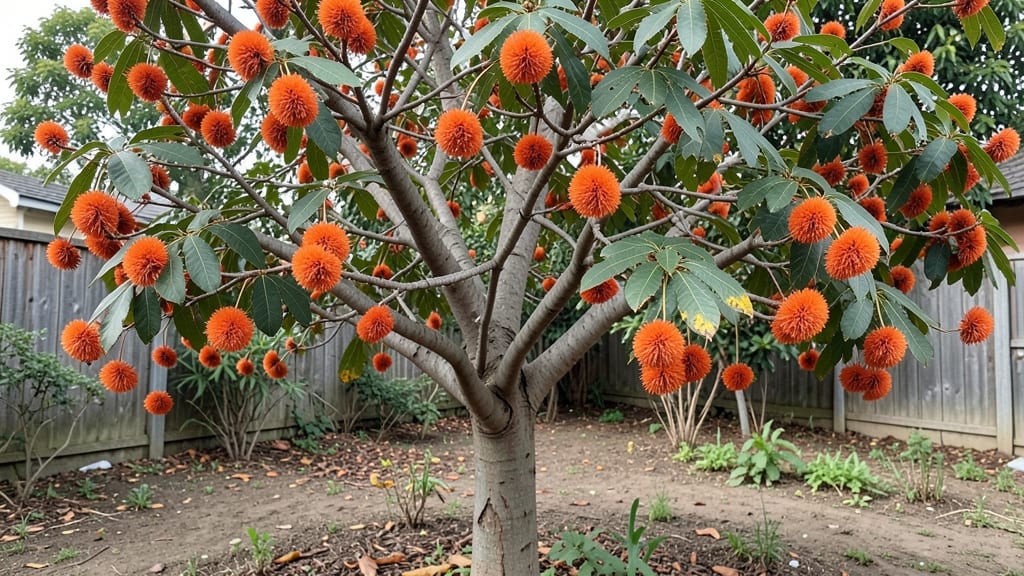
The Saraca indica Ashoka tree transforms your garden into a golden cascade of blooms, but only if you prune it right. I’ve spent years watching these trees go from sparse to spectacular—all thanks to a few key cuts made at the right time.
The secret isn’t just when you prune, but how you shape the branches to encourage that year-round flush of vibrant flowers that makes this tree legendary.
This isn’t about aggressive trimming—it’s about strategic shaping. You’ll need sharp pruners, a clear day (no rain in the forecast), and about 30 minutes to assess the tree’s structure. The goal?
Open up the center so light reaches all the branches and remove any dead or crossing growth that steals energy from those showstopping orange-red blooms. I’ve seen Ashoka trees go from half-blooming to fully covered just by following this simple approach.
What you’ll end up with is a tree that flowers heavily in winter and spring, with occasional bursts in summer—something most gardeners only dream of. The blooms aren’t just pretty; they’re fragrant and culturally significant, often called the "tree of life" in Ayurvedic traditions.
Plus, the dark green leaves create a stunning backdrop for the flowers, making this tree a standout in any landscape.
Works in USDA Zones 9-11 and thrives in well-draining soil with morning sun and afternoon shade. If you’re in a cooler climate, treat it as a container plant and bring it indoors during winter. Here’s how to keep it blooming like a pro—no guesswork, just results.
📚 In This Guide
- What you need
- Instructions
- Tips and common mistakes
- Wrapping up and next steps
What you need
- ● Pruning shears: Bypass pruners (sharp, 6-8" blades) for clean cuts on small branches. Quantity: 1 pair.
- ● Loppers: For thicker branches (½"–1.5" diameter). Quantity: 1 pair (long-handled for reach).
- ● Pruning saw: For branches >1.5" in diameter. Quantity: 1 (bow or folding saw recommended).
- ● Disinfectant: 70% isopropyl alcohol or 10% bleach solution (to sterilize tools between cuts). Quantity: Small spray bottle or wipe.
- ● Gloves: Heavy-duty gardening gloves (cut-resistant, 12" length). Quantity: 1 pair.
- ● Safety glasses: To protect eyes from debris. Quantity: 1 pair.
- ● Heavy-duty trash bags: For collecting pruned branches. Quantity: 2-3 (13-gallon size).
- ○ Rope or twine: (Optional but helpful) To secure large branches during pruning. Quantity: 50 ft roll.
- ● Hand pruners with ratcheting mechanism: For stubborn branches (reduces hand fatigue).
- ● Extension pole pruners: For high branches (10–12 ft reach).
- ● Tree wound dressing: (Controversial!) Only use if pruning large wounds (>2" diameter); opt for pruning sealant with mycorrhizal fungi.
- ● Notebook & pen: To sketch pruning plans or track bloom cycles.
- ● Ladder: Sturdy, non-slip ladder (if tree exceeds 8 ft). Safety tip: Use a helper or ladder stabilizers!
- ● Timing: Prune after the tree blooms (late spring/early summer) to avoid cutting off next year’s flowers.
- ● Weather: Choose a dry, overcast day to prevent sap bleeding and fungal risks.
- ● Research: Identify dead, diseased, or crossing branches before you start.
- ● Safety first: Wear closed-toe shoes and avoid pruning near power lines.
Strategic pruning techniques for Saraca indica Ashoka tree
Here's how to maintain your Ashoka tree's health and encourage its stunning seasonal blooms through precise, seasonally timed pruning.
Understand the Ashoka Tree's Natural Growth Cycle
The Saraca indica thrives on a biennial flowering pattern, with blooms emerging on old wood from late winter to early spring. This means your pruning strategy must prioritize preserving last year's growth where flowers form. I always study the tree's structure first—identify the main scaffold branches (those thicker than 3 inches in diameter) as these are your tree's backbone and primary bloom producers.
Look for water sprouts—those fast-growing, vertical shoots that emerge from the trunk or branches. These are energy vampires that drain resources from your flowering stems. Mark these for removal during your first pruning session. The key is to prune after the blooming season (late spring) but before new growth begins in summer, giving the tree time to heal before dormancy.
Perform Light Structural Pruning After Blooming
Once the Ashoka tree has finished blooming, focus on rejuvenating cuts to open the canopy and improve air circulation. Start by removing dead, diseased, or crossing branches—these are the first candidates. Use clean, sharp pruning shears to make cuts just outside the branch collar (the swollen area where the branch meets the trunk) at a 45-degree angle. This ensures proper healing and prevents water from pooling on the wound.
For branches thicker than 1 inch, use pruning saws to avoid tearing the bark. I always step back after each cut to evaluate the tree's silhouette—your goal is to maintain a balanced, open structure that allows sunlight to penetrate to the inner branches. Avoid removing more than 25% of the tree's foliage in a single session, as this can stress the tree and reduce next year's bloom potential.
Thin Out Overcrowded Branches for Airflow
Ashoka trees naturally develop dense foliage, which can lead to fungal issues if air doesn't circulate properly. Focus on selective thinning—remove branches that grow inward or rub against others. Start from the outer canopy and work inward, targeting branches that are less than ⅓ the diameter of the main scaffold branches. These smaller branches won't contribute significantly to next year's blooms but compete for resources.
When thinning, prioritize branches that are vertically aligned—these create a "ladder effect" that weakens the tree's structure. Make your cuts just above an outward-facing bud or lateral branch to encourage new growth in the desired direction. If you're unsure which branches to remove, I recommend taking a before-and-after photo—it's easier to visualize the tree's future shape with a reference.
Encourage New Growth with Strategic Cuts
To stimulate vigorous new growth for future blooms, make heading cuts on select branches that show signs of weak or leggy growth. Heading cuts involve trimming the top of the branch just above a leaf node or bud, which encourages the tree to branch out. Limit heading cuts to no more than 10% of the tree's total foliage—over-pruning can reduce flowering potential.
Pay special attention to branches that haven't bloomed in the past two years. These may need rejuvenation pruning, where you cut back to a strong lateral branch or bud. This aggressive approach forces the tree to redirect energy into new growth, which often results in more abundant blooms the following season. Water the tree deeply after pruning to help it recover and reduce stress.
Maintain Year-Round Care for Optimal Blooming
Pruning isn't a one-time task—your Ashoka tree needs ongoing attention to stay vibrant. After the initial pruning, monitor the tree for suckers (shoots growing from the base) and water sprouts (fast-growing vertical shoots). Remove these as they appear to prevent them from draining energy from your flowering branches. Mulch the base of the tree with 2-3 inches of organic mulch (like wood chips) to retain moisture and regulate soil temperature.
Fertilize in early spring with a balanced, slow-release fertilizer (10-10-10 ratio) to support new growth. Avoid heavy nitrogen fertilizers, which promote leafy growth at the expense of flowers. Finally, prune lightly in late summer to shape the tree and remove any damaged or diseased branches before the tree enters dormancy. This keeps the Ashoka tree healthy, encourages consistent blooming, and ensures your tree remains a stunning focal point year-round.
Tips & tricks for perfect Ashoka tree pruning
Pruning your Ashoka tree properly can make all the difference between a few scattered blooms and a spectacular floral display. Here's what I've learned from years of working with these stunning trees.
Seasonal Timing is Everything: The instructions mention pruning after blooming in late spring, but I can't stress enough how critical this timing is. Ashoka trees bloom on old wood, so pruning too early removes next year's flower buds. I always mark my calendar for late May to early June—right after the vibrant orange flowers fade but before summer's new growth begins. This gives the tree enough time to heal before dormancy, setting it up for a stronger bloom cycle the following year.
Tool Selection Matters: Using the wrong tools can damage your tree's health. The instructions recommend clean, sharp pruning shears for branches up to 1 inch and pruning saws for thicker branches. I invest in high-quality bypass pruners—they make cleaner cuts that heal faster. For branches over 3 inches, I use a pruning saw with a curved blade to avoid bark tearing. Always sterilize your tools between cuts with rubbing alcohol to prevent spreading disease between branches.
Visualize the Final Shape: Before making any cuts, take a step back and study your tree's natural structure. The instructions suggest maintaining a balanced, open structure, but I take this further by sketching a rough outline of my vision. Look for branches that create a pleasing silhouette—those that grow in a slightly upward curve often produce more flowers. Remember, you're not just pruning for aesthetics; you're shaping the tree's future bloom potential. I always prioritize preserving the main scaffold branches (those thicker than 3 inches) as these are the primary producers of flowers.
Post-Pruning Care Makes All the Difference: After completing your cuts, don't just walk away. The instructions mention watering deeply, but I go further by applying a thin layer of tree wound sealant on all cuts larger than 1 inch. This prevents disease entry and reduces water loss. I also schedule a follow-up visit in 2-3 weeks to check for any signs of stress or new water sprouts. During this time, I avoid fertilizing—the tree needs to focus on healing rather than producing new growth.
Pro Tips for Saraca Indica Ashoka Tree
- Pruning your Ashoka tree properly can make all the difference between a few scattered blooms and a spectacular floral display.
- Seasonal Timing is Everything: The instructions mention pruning after blooming in late spring, but I can't stress enough how critical this timing is.
- Tool Selection Matters: Using the wrong tools can damage your tree's health.
Frequently asked questions
When is the best time to prune an Ashoka tree for maximum flowers?
The ideal time is late winter to early spring (February–March), just as new growth begins. This encourages vibrant blooms while avoiding the peak flowering season (January–March). Avoid heavy pruning during summer or fall, as it can stress the tree and reduce flower production. Light shaping in non-flowering seasons is fine!
Can I prune my Ashoka tree during its flowering season?
While you can do minor pruning (like removing dead branches) during flowering (January–March), avoid heavy cuts. Pruning during this time may reduce flower count for that season. Save major pruning for late winter/early spring to preserve those show-stopping blooms!
What should I do if my Ashoka tree isn’t blooming after pruning?
Several factors could be at play: over-pruning, poor sunlight (<6+ hours/day), or nutrient deficiencies. Try these fixes:
- Check sunlight—Ashoka trees love full sun!
- Fertilize with phosphorus-rich compost in spring.
- Avoid cutting back more than 20-30% of foliage in one session.
How much can I safely prune an Ashoka tree at once?
Limit pruning to 20–30% of the tree’s foliage per session to avoid shock. For mature trees, focus on dead, diseased, or crossing branches first. Younger trees (under 5 years) need minimal pruning—just shape lightly to encourage growth. Think of it like a haircut: gradual changes keep your tree happy!
Are there alternatives to traditional pruning for Ashoka trees?
Yes! Try these low-stress methods for shaping:
- Thinning cuts: Remove entire branches at the base to improve airflow.
- Selective trimming: Focus on branches blocking sunlight or rubbing against others.
- Pinching: Gently pinch back new growth in spring to encourage bushier blooms.
Wrapping up and next steps
The Saraca indica (Ashoka tree) rewards your care with stunning, year-round blooms—when you prune it strategically. By mastering the right techniques, timing, and tools, you’ll encourage healthier growth, vibrant flowers, and a tree that thrives for decades. 🌸
Now that you’re equipped with the knowledge, roll up your sleeves and give your Ashoka tree the attention it deserves. Start with a single session this season, observe its response, and refine your approach. Happy pruning—your tree’s future beauty starts with your hands today! 🌿✨