
Pruning
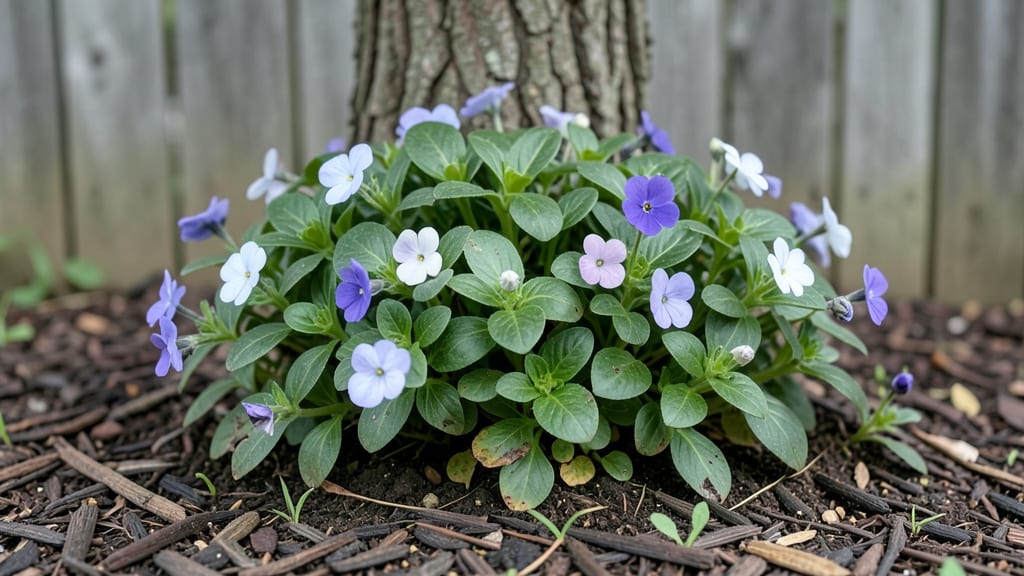
Impatiens around trees create a vibrant, low-maintenance border that thrives in Pacific Northwest shade—something I perfected after struggling with dull, muddy garden beds under my mature maple.
The secret lies in their frost-resistant varieties and ability to spill color where grass refuses to grow, turning bare spots into lush, jewel-toned displays that complement any tree's natural beauty.
Start with 12-inch spacing between plants to let them spread naturally, and pair them with evergreen ferns or heuchera for texture contrast.
The key is choosing shade-tolerant impatiens like 'Super Elfin' or 'Accent'—they handle our damp winters better than most annuals, and their bright blooms last from spring until first frost. I've seen neighbors' gardens transform from boring to showstopping with this simple combo.
What you'll end up with is a year-round interest bed that stays green through winter (thanks to the ferns) and bursts into color when impatiens bloom. The contrast between the tree's bark and the impatiens' velvety foliage creates depth, while their trailing habit softens the tree's trunk.
Plus, you skip the weeding—these plants outcompete weeds naturally.
Works equally well under evergreens, deciduous trees, or even large shrubs. The only rule? Avoid planting too close to the trunk where roots compete—keep that 6-inch clearance for healthy growth. Ready to turn those shady spots into your garden's star feature?
📚 In This Guide
- What you need
- Instructions
- Tips and common mistakes
- Wrapping up and next steps
What you need
- ● Impatiens plants: 10–20 Impatiens walleriana (New Guinea impatiens for heat tolerance) or Impatiens balsamina (annual varieties). Choose frost-resistant hybrids like Impatiens × hybrid if possible.
- ● Quantity: Adjust based on tree circumference—aim for 1 plant per 1–2 feet of border space.
- ● Soil amendments: 5–10 lbs peat moss or coconut coir (for moisture retention).
- ● 2–3 lbs slow-release fertilizer (10-10-10 or 20-20-20 NPK ratio).
- ● 1 lb compost or worm castings (for organic nutrients).
- ● Mulch: 2–3 cubic feet pine bark or cedar chips (to insulate roots and retain moisture).
- ○ Optional: Black plastic mulch (for early-season warmth in cold microclimates).
- ● Hand tools: 1 garden trowel (for planting).
- ● 1 pruners or shears (sterilized, for trimming).
- ● 1 measuring tape (to space plants evenly).
- ● Safety gear: 1 pair gloves (nitrile for grip, cotton for comfort).
- ● 1 knee pad (for comfort during planting).
- ● Prerequisites: ✅ Well-draining soil (amend with sand if clay-heavy).
- ● ✅ Partial shade (3–6 hours of sunlight; avoid harsh afternoon sun).
- ● ✅ Tree root zone clearance (keep impatiens 2–3 feet away from tree trunk to avoid competition).
- ● 1 drip irrigation system (for consistent moisture in PNW’s dry summers).
- ● 1 slow-release granular fungicide (to prevent powdery mildew in humid climates).
- ● 1 tree ring or edging (to define the border neatly).
- ● 1 plant support stakes (for taller varieties like Impatiens hawkeri).
Instructions for planting impatiens around trees in the Pacific Northwest
This method creates a lush, frost-tolerant border that thrives in our region's mild but damp climate.
Prepare the Planting Area Around the Tree
Clear a 2-3 foot wide band around the tree trunk, extending outward to your desired border width. Remove any grass, weeds, or debris within this zone using a garden fork or hand trowel. Be careful not to damage the tree's shallow roots or bark—keep your tools at least 6 inches away from the trunk.
Loosen the soil to a depth of 6-8 inches with a broadfork or garden fork. This improves drainage and root penetration, which is critical for impatiens in our wet climate. Work the soil gently to avoid compacting it further. If your soil feels dense or clay-heavy, mix in 2-3 inches of compost to improve structure and fertility.
Choose the Right Impatiens Varieties for Frost Resistance
For the Pacific Northwest, select cold-hardy impatiens like Impatiens walleriana varieties labeled for zones 9-11, or consider Impatiens balfourii, which tolerates cooler temperatures better than most. Avoid traditional garden impatiens, which struggle with frost. Plant in late spring after the last frost date—typically mid-May to early June in our region.
Space plants 8-12 inches apart in rows or staggered patterns for a natural look. Dig holes just deep enough to accommodate the root ball while keeping the top of the root ball level with the surrounding soil. This prevents water from pooling around the stems, which can cause rot in our damp climate.
Plant and Water for Immediate Establishment
Gently remove each impatiens from its container and place it in the prepared hole. Spread the roots outward if they're circling the root ball—this encourages faster establishment. Fill the hole with soil, pressing lightly to eliminate air pockets but not compacting the roots. Water deeply right after planting to settle the soil and remove any air gaps.
Apply a 1-2 inch layer of mulch around the plants, keeping it 3-4 inches away from the tree trunk to prevent moisture buildup. Use shredded bark or pine needles, which help retain moisture while allowing airflow. This layer also protects roots from temperature fluctuations, which is especially important during our cool, damp springs.
Maintain Soil Moisture and Light Conditions
Impatiens prefer consistently moist soil, so water 1-2 times weekly during the first growing season, adjusting for rainfall. In the Pacific Northwest, this often means watering in the morning to allow foliage to dry before evening humidity sets in. You'll know moisture is right when the top 1-2 inches of soil feel damp but not soggy.
Provide partial shade to full shade—our region's intense summer sun can scorch impatiens, especially when young. If planting near a deciduous tree, the natural canopy will shift from full sun in early spring to shade by midsummer. Watch for signs of stress like yellowing leaves or wilting, which may indicate too much sun or inconsistent watering.
Fertilize and Prune for Long-Term Health
Apply a balanced, slow-release fertilizer (10-10-10) at planting and again in early summer. In the Pacific Northwest, where soil nutrients can leach quickly, this ensures steady growth without overfeeding. Avoid high-nitrogen fertilizers, which promote leafy growth at the expense of flowers—they're what you're planting for.
Deadhead spent blooms regularly to encourage continuous flowering. Pinch back leggy stems in early summer to promote bushier growth. If plants look crowded by late summer, thin them slightly to improve airflow, which reduces the risk of fungal diseases common in our damp climate. Stop fertilizing by mid-August to allow plants to harden off for winter.
Tips & tricks for perfect Pacific Northwest impatiens planting
Creating a thriving impatiens border around trees in our region's unique climate takes a few strategic adjustments to standard planting techniques. Here's how to ensure your frost-resistant border flourishes from spring through fall.
Soil Preparation Secret: In Step 1, when loosening soil to 6-8 inches, focus on creating vertical channels rather than turning the soil over completely. This preserves beneficial soil organisms while improving drainage—critical for our damp climate. If your soil is particularly heavy, add an extra 1-2 inches of compost beyond the recommended 2-3 inches, especially in low-lying areas where water tends to pool.
Root Ball Technique: When planting in Step 3, gently tease apart the roots at the bottom of the root ball if they're circling tightly. This encourages faster establishment in our cool springs. For container-grown impatiens, soak the root ball in water for 10-15 minutes before planting to ensure they're fully hydrated before going into the ground.
Mulching Strategy: The 1-2 inch mulch layer in Step 3 should be your first line of defense against our region's temperature fluctuations. For even better insulation, consider adding a second layer of mulch in late fall (after the first frost) to protect overwintering plants. Pine needles work particularly well as they gradually acidify the soil, which impatiens prefer.
Watering Wisdom: In Step 4, the 1-2 times weekly watering guideline assumes average rainfall. During our famously wet springs, you might need to adjust to every 3-4 days instead. Always water at the base of plants rather than overhead to prevent fungal diseases common in our humid summers. A drip irrigation system set on a timer can automate this perfectly.
Pro Tips for Impatiens Around Tree
- Creating a thriving impatiens border around trees in our region's unique climate takes a few strategic adjustments to standard planting techniques.
- Soil Preparation Secret: In Step 1, when loosening soil to 6-8 inches, focus on creating vertical channels rather than turning the soil over completely.
- Root Ball Technique: When planting in Step 3, gently tease apart the roots at the bottom of the root ball if they're circling tightly.
Frequently asked questions
Got questions about planting Impatiens around trees in the Pacific Northwest? You’re not alone! Here are some common concerns—and answers—to help you create a stunning, frost-resistant border with confidence.
Can I plant impatiens directly against a tree trunk?
While impatiens thrive in partial shade, planting them directly against a tree trunk can compete for moisture and nutrients. Instead, keep them 12–18 inches away from the trunk to avoid root competition and improve airflow. Mulch lightly (2–3 inches) to retain soil moisture without smothering the plants.
Will impatiens survive PNW winters, or should I treat them as annuals?
Most impatiens (like Impatiens walleriana) are not frost-tolerant and will die back in PNW winters. Treat them as tender annuals—plant in spring after frost, then enjoy vibrant blooms until fall. For year-round color, consider heuchera or cortex as frost-resistant alternatives.
How do I keep impatiens from getting leggy or sparse around my tree?
Leggy or sparse growth often means too much shade or poor airflow. Thin nearby branches to allow dappled sunlight, and prune leggy stems back by ⅓ to encourage bushier growth. Deadhead spent blooms regularly to prolong flowering. Pro tip: Use a balanced, water-soluble fertilizer every 4–6 weeks for a nutrient boost!
Are impatiens prone to pests when planted near trees?
Impatiens can attract aphids or slugs, especially in damp PNW conditions. Prevent issues by:
- Watering at the base (not overhead) to reduce slug activity.
- Spraying neem oil weekly as a preventive for aphids.
- Using copper tape around the planting area to deter slugs.
What’s a low-maintenance alternative to impatiens for tree borders?
If impatiens feel high-maintenance, try these frost-tolerant, shade-loving PNW favorites:
Plant
Why It Works
Heuchera (Coral Bells)
Colorful foliage, drought-tolerant, and thrives in shade.
Hellebore (Lenten Rose)
Blooms early spring, deer-resistant, and perennial.
Astilbe
Feathery plumes, loves moisture, and handles partial shade.
Wrapping up and next steps
Transforming your Pacific Northwest garden with frost-resistant impatiens around trees is a rewarding project that adds color and texture while thriving in cooler climates.
By selecting the right varieties, preparing the soil, and following proper planting and maintenance techniques, you’ll create a stunning, low-maintenance border that stands up to the region’s unique weather. Your garden will not only look vibrant but also feel like a cozy, well-loved space year after year!
Ready to take the next step? Grab your tools, pick out your favorite impatiens, and start planning your design today! Whether you’re refreshing an existing border or starting fresh, every small effort will make a big difference in your outdoor oasis. 🌿✨