
Pruning
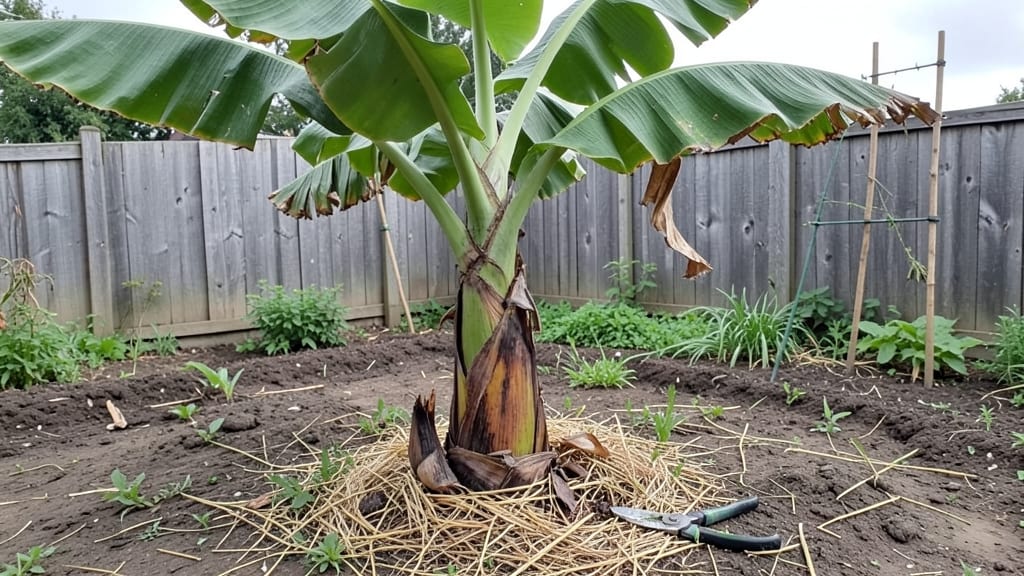
Cutting back a banana tree isn’t just about tidying up—it’s the secret to year-round growth and bigger harvests. I’ve learned the hard way that skipping this step means fewer fruits and weaker stems, but doing it right transforms your tree into a productive powerhouse.
The key is timing: prune at the right moment, and your plant rewards you with fresh fronds and fruit clusters within months.
You’ll need just a few tools: sharp pruners for clean cuts, gloves to handle the thorns, and a disinfectant to prevent disease spread. Safety first—banana trees pack serious spines, and a messy cut invites pests.
I always sanitize my tools between cuts, which keeps my trees healthier longer. The process itself takes less than an hour, even for mature plants, and the payoff is immediate: new shoots emerge within weeks.
What you’ll end up with is a banana tree that looks neater, grows faster, and produces more fruit than ever before. The old fronds make way for fresh ones, and the energy that once went into maintaining dead growth now fuels new leaves and potential fruit stalks.
Even if you’ve never pruned before, this method is straightforward—just follow the steps, and your tree will thank you with lush, vibrant regrowth.
This works for both dwarf and larger banana varieties, though timing shifts slightly based on your climate. Tropical growers can prune year-round, while cooler zones should wait until spring.
The same principles apply whether you’re maintaining a single plant or a grove—just scale the tools accordingly. Ready to give your banana tree the care it deserves?
📚 In This Guide
- What you need
- Instructions
- Tips and common mistakes
- Wrapping up and next steps
What you need
- ● Pruning Tools: A sharp pruning saw (for thick stems, 8–12 inches long) 🔪
- ● A pruning shears or lopper (for smaller branches, 6–8 inches long)
- ● A clean, sterilized knife or machete (for precision cuts, 6–10 inches)
- ● Safety Gear: Heavy-duty gloves (cut-resistant, size medium/large)
- ● Safety goggles (to protect from debris)
- ● Long sleeves and pants (to avoid scrapes)
- ● Cleanup Supplies: A bucket or trash bag (for removing cuttings)
- ● Disinfectant (70% isopropyl alcohol or bleach solution for tools)
- ● Rake or broom (to clear debris)
- ○ Optional (But Helpful!): Pruning sealant (to prevent disease in cuts)
- ● Ladder or step stool (for tall trees, 6+ feet)
- ● Marking spray (to label sections for regrowth tracking)
Step-by-Step guide for pruning a banana tree
Here’s how to cut back your banana tree the right way—keeping it healthy and productive season after season.
Identify the Right Time to Prune
Banana trees don’t need pruning until they’ve finished fruiting or show signs of decline. The best time is late winter or early spring, just before new growth begins. You’ll know it’s time when the leaves start yellowing or when the plant looks exhausted after harvest. Avoid pruning during active growth or when fruit is still developing.
If your tree is in a tropical climate, prune after the heaviest rains—this helps prevent fungal infections from spreading through fresh cuts. In cooler regions, wait until temperatures stay above 60°F for at least a week to avoid cold stress on the plant.
Gather the Right Tools and Prepare the Area
You’ll need a sharp pruning saw or loppers (for thicker stems) and sterilized pruning shears (for smaller cuts). Clean your tools with rubbing alcohol or a 10% bleach solution to prevent disease. Wear gloves—banana pseudostems can be abrasive, and sap may irritate skin.
Clear away debris from the base of the plant, especially old leaves or fruit stalks. This reduces hiding spots for pests and improves airflow, which is critical for preventing fungal issues like banana wilt. If your tree is in a pot, move it to a shaded, dry spot for 24 hours before pruning to reduce stress.
Cut Back the Pseudostem Correctly
The pseudostem is the "trunk" of the banana tree, made of tightly wrapped leaves. When it’s time to prune, cut the pseudostem at ground level using your pruning saw. Make a clean, straight cut—never tear or rip the stem, as jagged edges invite disease. If the pseudostem is hollow or rotting inside, cut it off 1-2 inches above the base to remove infected tissue.
After removing the old pseudostem, you’ll see new shoots emerging from the base. These are your future harvests! Leave them alone for now—they’ll grow into the next generation of fruit-bearing stems. If you have more than 4 strong shoots, thin them to the healthiest 2-3 to avoid overcrowding.
Remove Dead or Diseased Leaves and Fruit Stalks
Inspect the remaining leaves and fruit stalks. Cut off any yellow, brown, or blackened leaves at the base where they meet the pseudostem. Use your pruning shears for small leaves and the saw for thicker stalks. Dispose of diseased material immediately—don’t compost it, as fungal spores can survive and reinfect your tree.
For fruit stalks, remove them only after all bananas have been harvested. Cut them off at the base with a clean saw, leaving a small stub (about ½ inch) to prevent sap from oozing excessively. If you see blackened or mushy tissue at the base of the stalk, cut deeper to remove the infected part.
Apply Fertilizer and Monitor Recovery
After pruning, feed your banana tree with a balanced fertilizer (like a 10-10-10) mixed at half the recommended strength. Water deeply to help the plant recover, and avoid fertilizing again for 4-6 weeks—this gives the roots time to adjust. Mulch the base with 2-3 inches of organic mulch (like straw or wood chips) to retain moisture and protect new growth.
Watch for new leaves emerging from the base—this is a sign your tree is recovering well. If you see yellowing leaves on the remaining shoots, it could mean over-fertilizing or root stress. Reduce watering slightly and wait for the plant to stabilize. With proper care, your banana tree should produce new pseudostems within 3-6 months.
Tips & tricks for pruning a banana tree
A few simple strategies can make all the difference in keeping your banana tree healthy and productive after pruning.
Timing is Everything: The late winter or early spring timing in Step 1 is crucial because this gives your tree plenty of warm weather ahead to recover. In tropical climates, I've found that pruning after the heaviest rains actually helps prevent fungal infections from spreading through fresh cuts. Watch for those yellowing leaves - they're your clear signal it's time to prune.
Tool Preparation Matters: Don't skip the sterilization step in Step 2! I learned this the hard way after my second pruning session resulted in fungal spots on new growth. Use rubbing alcohol or that 10% bleach solution to clean your tools thoroughly between cuts. And those gloves aren't just for comfort - banana sap can be surprisingly irritating to sensitive skin.
Cutting Technique: When you're making that clean cut through the pseudostem in Step 3, think of it like slicing a loaf of bread - you want that straight, even cut. If your saw isn't sharp enough to make clean cuts, you'll end up with jagged edges that invite disease. For stubborn stems, I find making a shallow notch first helps guide the cut more precisely.
Recovery Monitoring: After pruning, keep an eye out for those new leaves emerging from the base - they're your best indicator of successful recovery. If you notice yellowing leaves on the remaining shoots after fertilizing, that's your cue to reduce watering slightly. Remember, the 4-6 week wait before re-fertilizing gives roots time to adjust, so don't rush it.
Pro Tips for Cut Back A Banana Tree
- A few simple strategies can make all the difference in keeping your banana tree healthy and productive after pruning.
- Timing is Everything: The late winter or early spring timing in Step 1 is crucial because this gives your tree plenty of warm weather ahead to recover.
- Tool Preparation Matters: Don't skip the sterilization step in Step 2!
Frequently asked questions
Got questions about trimming your banana tree? You’re not alone! Here are answers to the most common concerns—so you can prune with confidence and keep your tropical beauty thriving.
When is the best time to cut back a banana tree?
The ideal time to prune is after harvest or during the dry season (for tropical climates). In colder regions, wait until late winter or early spring before new growth begins. Avoid cutting during heavy fruiting or extreme weather—this helps the plant recover faster and reduces stress.
Do I need to sterilize my pruning tools before cutting?
Absolutely!
Sterilizing tools with rubbing alcohol or a 10% bleach solution prevents disease spread. Banana trees are susceptible to fungal infections like Sigatoka, so clean your shears or saw between cuts. A quick wipe-down takes just a minute but protects your tree’s health long-term.
What if my banana tree doesn’t produce fruit after pruning?
Don’t panic! Pruning stimulates new growth, but fruiting takes 12–18 months for mature trees. Ensure your tree gets full sun (6+ hours/day), well-draining soil, and balanced fertilizer (high in potassium) post-prune. Young trees may need 2–3 years to bear fruit—patience is key!
Can I cut back a banana tree too much?
Yes—over-pruning (removing more than 1/3 of the pseudostem) weakens the tree and delays recovery. Focus on dead or diseased leaves and one mature pseudostem at a time. Leave at least 3–4 healthy leaves to support photosynthesis. Think of it like a haircut: trim, don’t shave!
How do I know if my banana tree is ready for a haircut?
Watch for these signs:
- Dying leaves (brown, crispy, or hanging limp).
- Mature pseudostem (thick, woody base with a hollow center).
- No new shoots emerging from the center.
Wrapping up and next steps
Cutting back your banana tree might seem daunting, but with the right tools, timing, and technique, you’re well on your way to fostering a healthier, more productive plant! 🌱 Remember, patience and precision are key—whether you’re pruning for maintenance, pest control, or encouraging new growth.
Once you’ve mastered the basics, experiment with seasonal adjustments to see what works best for your climate and variety.
Ready to take your banana tree care to the next level? Start by monitoring your plant’s progress—track growth patterns, note any signs of stress or pests, and adjust your pruning schedule as needed. Happy gardening, and here’s to bountiful harvests ahead! 🍌✨