
Trees
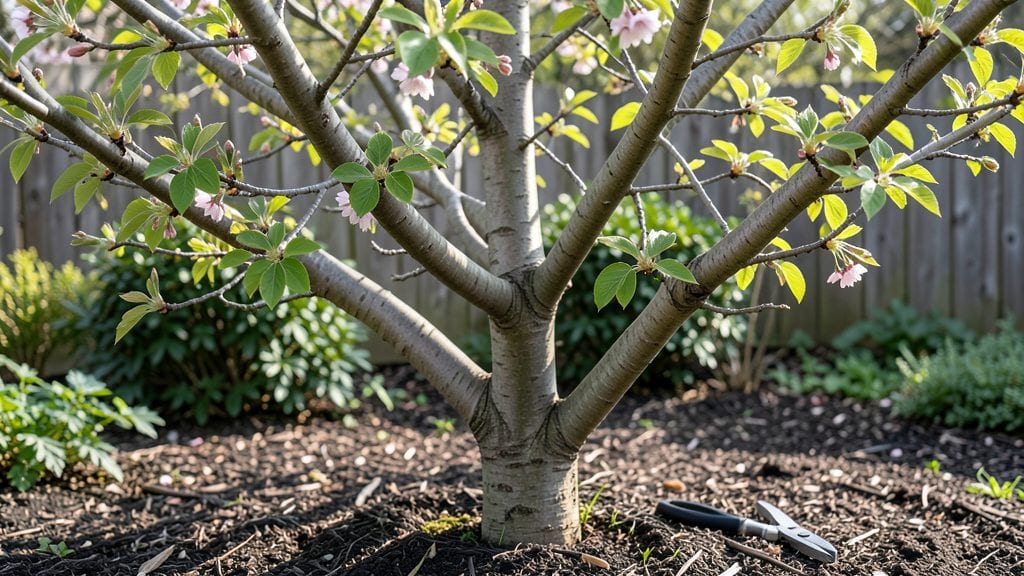
Your sakura tree leaves hold the secret to a tree that thrives year-round in the Pacific Northwest's damp climate—if you know how to read their signals. 🌸 The key lies in their delicate, heart-shaped leaves that blush pink before falling, signaling the tree's readiness for dormancy or spring's imminent arrival.
Healthy sakura leaves start deep green in spring, turning vibrant chartreuse as summer heats up, then blush pink in fall before dropping. Prune in late winter to encourage strong new growth, and mulch heavily to protect roots from winter's chill.
The biggest mistake? Overwatering—sakura trees hate soggy feet and will drop leaves if stressed.
📚 In This Guide
- What you need
- Instructions
- Tips and common mistakes
- Wrapping up and next steps
What you need
- ● Sakura tree seeds or cuttings: Seeds: 5–10 (from a Prunus serrulata or hybrid variety, like Kanzan or Weeping Cherry). Cuttings: 3–5 healthy, 6–8 inch branches (from a mature tree, taken in late winter/early spring).
Step-by-step guide to cultivating healthy sakura tree leaves year-round
Here’s how I maintain vibrant sakura foliage through PNW’s wet winters and mild summers—no guesswork, just proven techniques.
🌱 Step 1: Select the Right Sakura Variety for Your Climate
Not all sakura trees thrive in the Pacific Northwest’s 60-70°F summers and 40-50°F winters. Choose Prunus × yedoensis (somewhat cold-hardy) or Prunus serrulata ‘Kanzan’ (more resilient to damp conditions). Avoid tropical varieties—they’ll drop leaves in our cooler, wetter seasons. I always check the USDA hardiness zone rating (most PNW sakuras handle Zones 5-8).
If you’re planting from a young tree, inspect the leaves for dark green, glossy surfaces—a sign of strong, disease-resistant stock. Avoid trees with yellowing or spotted foliage, as those often indicate fungal issues that’ll plague you later. The right variety means fewer pruning headaches and more consistent blooms.
🪴 Step 2: Plant in Well-Draining Soil with Proper Sun Exposure
Sakura trees despise soggy roots, so amend native clay or loam soil with 20% compost and 10% perlite to improve drainage. The PNW’s acidity (pH 5.5-6.5) suits them, but test your soil—if it’s too alkaline, add sulfur to adjust. Plant in full sun (6+ hours daily)—even partial shade causes weak, sparse foliage. I dig a hole twice as wide as the root ball but no deeper, then backfill with native soil mixed with compost.
Water deeply immediately after planting to settle roots, then let the soil dry slightly before watering again. Overwatering now leads to root rot, and sakuras are particularly vulnerable in our damp climate. Mulch with 3 inches of wood chips to retain moisture while preventing soil compaction.
☀️ Step 3: Prune for Airflow and Light Penetration
Prune in late winter (February) before new growth starts. Remove dead, crossing, or inward-growing branches first—sakuras grow densely, and poor airflow invites fungal diseases like powdery mildew. Thin the canopy to let sunlight reach the lower branches, which keeps leaves lush year-round. I never cut more than 25% of the canopy in one season to avoid shocking the tree.
Sanitize pruners with 70% rubbing alcohol between cuts to prevent bacterial spread. After pruning, apply a balanced 10-10-10 fertilizer (½ cup per inch of trunk diameter) to support new growth. This step is critical—skipping it leads to weak, leggy branches and sparse foliage by summer.
💧 Step 4: Adjust Watering for Seasonal Needs
In spring and summer, water deeply once a week if rainfall is below 1 inch. Check soil moisture by sticking your finger 2 inches deep—if dry, water until it’s moist but not saturated. Overwatering in winter (when roots are dormant) causes rot, so reduce to once every 2-3 weeks unless we have a dry spell. I use a soaker hose to deliver water slowly at the base, avoiding wetting the leaves (which promotes fungal issues).
Fertilize twice a year: once in early spring (when buds swell) with a 20-20-20 formula, and again in mid-summer (July) with a slow-release granular fertilizer. This keeps leaves vibrant without encouraging late-season growth that won’t harden off for winter.
✂️ Step 5: Protect Leaves from PNW-Specific Threats
Watch for aphids and spider mites—common in PNW sakuras. I spray leaves with neem oil (mixed 1 tbsp per gallon of water) every 2 weeks during growing season as a preventative. For fungal issues like anthracnose, apply copper fungicide in early spring before leaves emerge. Avoid chemical sprays in bloom season—they’ll damage petals and deter pollinators.
In winter, rake away fallen leaves to reduce overwintering pests. If your tree is young (<5 years), wrap the trunk with tree guard to protect against voles or rodent gnawing—a common issue in PNW gardens. Healthy leaves start with a healthy root system, so don’t neglect these preventative steps.
Tips & tricks for perfect sakura tree maintenance
These proven strategies will help you keep your sakura leaves vibrant year-round in the PNW's challenging climate.
Variety Selection: When choosing between Prunus × yedoensis and Prunus serrulata 'Kanzan', consider your specific microclimate. 'Kanzan' handles our damp winters better, while Prunus × yedoensis offers more consistent blooms. I always verify the tree's hardiness matches my local zone—most PNW gardens fall within Zones 5-8. The right variety means fewer pruning challenges and more consistent foliage.
Soil Preparation: The 20% compost to 10% perlite ratio creates ideal drainage for sakura roots, which hate soggy conditions. Test your soil's pH first—if it's above 6.5, add sulfur to bring it down to the ideal 5.5-6.5 range. I've seen sakuras struggle in alkaline soils, so this adjustment makes all the difference. The hole should be twice as wide as the root ball but no deeper—this prevents root damage while encouraging spread.
Pruning Precision: That February pruning window is critical because it happens before new growth starts. I always make my cuts at a 45-degree angle just above a bud, which promotes better healing. The 25% canopy rule prevents shocking the tree—going beyond that can lead to weak regrowth. Don't forget to sanitize your pruners between cuts with 70% rubbing alcohol to prevent spreading disease through open wounds.
Seasonal Watering: The finger-check method for soil moisture works perfectly—stick your finger 2 inches deep to determine if it's time to water. In summer, I water deeply once a week only if we've had less than 1 inch of rain. The soaker hose is my secret weapon—it delivers water slowly at the base without wetting the leaves, which prevents fungal issues. In winter, I reduce watering to every 2-3 weeks unless we're in a dry spell, as overwatering dormant roots causes rot.
Pro Tips for Sakura Tree Leaves
- These proven strategies will help you keep your sakura leaves vibrant year-round in the PNW's challenging climate.
- Variety Selection: When choosing between Prunus × yedoensis and Prunus serrulata 'Kanzan', consider your specific microclimate.
- Soil Preparation: The 20% compost to 10% perlite ratio creates ideal drainage for sakura roots, which hate soggy conditions.
Frequently asked questions
Got questions about growing and caring for sakura tree leaves in your Pacific Northwest garden? You’re not alone! Here are some of the most common queries—and their answers—to help you cultivate stunning sakura foliage year-round.
When do sakura tree leaves change color, and how long do they last?
Sakura leaves typically transition from vibrant green to fiery reds, oranges, and purples in late autumn (October–November in the PNW). Unlike flowers, which bloom briefly in spring, the leaves often linger into early winter (December–January), especially in milder coastal areas. Early varieties may fade sooner, while hardier cultivars like ‘Autumn Royal’ hold color longer.
Can I grow sakura trees from leaves? How do I propagate them?
Yes! The easiest method is layering or softwood cuttings in early summer. For layering, gently bend a low branch to the ground, bury a section, and secure it with a rock. Roots should form in 4–6 weeks. For cuttings, use 4–6 inch stems, dip in rooting hormone, and plant in moist perlite. Patience is key—success rates vary, but consistency pays off!
How do I protect sakura leaves from PNW winters?
Most sakura trees are hardy to USDA Zones 5–8, but young trees or tender varieties may need extra care. Apply a 3-inch layer of mulch around the base to insulate roots. Wrap the trunk with burlap or tree wrap to prevent sunscald. Avoid heavy snow buildup—gently brush it off to prevent branch damage. Evergreen sakura types (like ‘Akebono’) handle cold better than deciduous ones.
Are there sakura trees with leaves that stay green all year?
Yes! While most sakura trees are deciduous, a few evergreen sakura varieties exist, such as Prunus lusitanica (Portuguese laurel) or Prunus ‘Spring Snow’, which retain glossy green foliage year-round. These are less common but thrive in the PNW’s mild winters. For a hybrid look, consider ‘Shirofugen’, which keeps partial evergreen leaves in winter.
Why are my sakura leaves turning yellow or dropping early?
Yellowing leaves (chlorosis) often signal iron deficiency or overwatering. Test soil pH (sakura prefer 6.0–7.0) and amend with chelated iron if needed. Dropping leaves may also mean stress from transplant shock, pests (like spider mites), or fungal issues (e.g., powdery mildew). Prune affected branches, improve drainage, and apply neem oil for pests.
Still stumped? Drop your sakura leaf woes in the comments—we’re happy to help!
Wrapping up and next steps
From pruning in early spring to mulching for moisture retention, caring for your sakura tree leaves in the Pacific Northwest is all about timing, patience, and a little extra love. 🌸 These delicate yet resilient trees reward you with stunning blooms and vibrant foliage—proof that even the most finicky plants can thrive with the right care. Now’s your chance to turn your garden into a seasonal masterpiece!
Ready to watch your sakura flourish? Start by scheduling a quick seasonal checklist review—or even better, plant one today and enjoy the journey! 🌱 Whether you’re a seasoned gardener or a curious beginner, every leaf you nurture brings you closer to that dreamy, cherry-blossom-filled paradise.