
Pruning
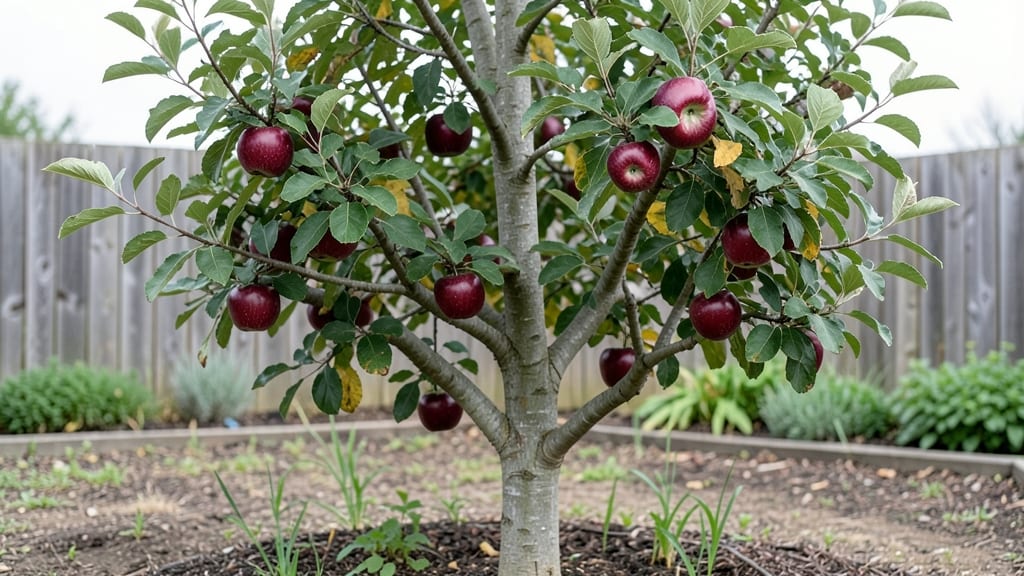
Planting a Ruby Red apple tree in the Pacific Northwest means you’ll get crisp, sweet fruit even after late frosts—if you prune it right. I learned the hard way that winter pruning here isn’t just about shaping; it’s about survival.
The first year I skipped the late-winter cutbacks, and my tree lost half its blooms to a March freeze. Now, I time every snip to protect those delicate buds while still encouraging strong growth.
This variety thrives in full sun and well-draining soil, but the real secret is open-center pruning—keeping the center of the tree clear so air circulates and frost doesn’t linger.
Start with sharp pruners and rubbing alcohol to sterilize cuts, and focus on removing dead, crossing, or weak branches first. The goal? A tree that looks like an umbrella, not a tangled mess.
Organic compost worked into the soil at planting gives those roots the boost they need to handle our damp winters.
By late summer, you’ll see the payoff: vibrant green leaves, firm red apples, and a tree that’s actually stronger after frost. The key is pruning in late winter (February-March) when the tree’s dormant but before buds swell—this prevents frost damage to new growth.
Even better? These apples ripen in September-October, just when most gardeners are tired of summer chores. Store them in a cool, dark place, and you’ll have fruit fresh through winter.
For Pacific Northwest gardeners, this tree is a game-changer—it handles our wet springs, mild summers, and chilly winters better than most. Pair it with companion plants like thyme or lavender to deter pests, and avoid over-fertilizing (too much nitrogen = fewer apples).
The first harvest might be small, but each year, your tree will thank you with juicier, sweeter fruit and fewer pruning headaches. Ready to grow one that actually thrives here?
📚 In This Guide
- What you need
- Instructions
- Tips and common mistakes
- Wrapping up and next steps
What you need
- ● Pruning shears: Bypass pruners (sharp, 6–8" blades) for small branches.
- ● Loppers: 18–24" bypass loppers for thicker branches (½–1.5" diameter).
- ● Pruning saw: Curved-tooth saw for branches 2" or larger.
- ● Disinfectant: 70% isopropyl alcohol or 10% bleach solution (1 part bleach to 9 parts water) to sterilize tools between cuts.
- ● Heavy-duty gloves: Cut-resistant, waterproof gloves (e.g., Mechanix or leather work gloves).
- ○ Tree wound paint: Pruning sealant (optional but helpful for large cuts; use sparingly).
- ● Ladder or step stool: Sturdy, extendable ladder (for mature trees) or a 4–6 ft step stool.
- ● Buckets or bags: 2–3 heavy-duty trash bags or buckets for debris (label one for compost!).
- ● Notebook & pencil: To sketch your tree’s structure and mark cuts.
- ● Rake or broom: For clearing fallen leaves/debris post-pruning.
- ● Pole pruner: For high branches (16–24 ft reach).
- ● Tree pruning rope: For stabilizing branches during cuts.
- ● Safety goggles: To protect against debris (especially in windy PNW conditions!).
- ● Camera: Snap photos of your tree before/after for reference.
- ● Hot cocoa or water: Because pruning is hard work—hydration and warmth are key! ☕
Step-by-step pruning guide for Ruby Red apple trees in the Pacific Northwest
Here's how I keep my Ruby Red apple trees thriving through our region's unpredictable frosts.
Prune in Late Winter Before Bud Break
Timing is everything with apples—wait until late winter when the tree is still dormant but just before buds swell. In the Pacific Northwest, this usually falls between February and early March. You'll know it's the right moment when you see the buds beginning to plump up slightly but haven't yet opened.
Use clean, sharp pruning shears to make cuts just outside the branch collar—the swollen area where the branch meets the trunk. This ensures the tree can seal off the wound properly. I always sterilize my tools with rubbing alcohol between cuts to prevent spreading disease. Remove any dead, diseased, or crossing branches first—they're the easiest to spot and should go first.
Open the Tree's Center for Better Airflow
Apple trees need good airflow to prevent fungal diseases like apple scab, which thrives in our damp Pacific Northwest climate. Focus on removing branches that grow inward or rub against each other. These are the ones that create dark, humid pockets where spores love to settle.
Look for branches that form a V shape with another branch—these are prime candidates for removal. You'll also want to thin out any branches that are too close together, leaving at least 8-12 inches of space between them. This not only improves airflow but also lets sunlight reach the center of the tree, which is crucial for fruit development.
Shape for Frost Resistance and Fruit Production
The Ruby Red variety handles frost well, but proper shaping helps even more. Aim for a balanced, open-center shape that allows sunlight to reach all parts of the tree. Start by removing any branches that grow downward—they'll block sunlight and make harvesting difficult. Then, trim back any branches that are growing too vigorously outward to maintain a natural, rounded shape.
Pay special attention to the tree's scaffold branches—the main branches that form the framework. These should be spaced evenly around the trunk and angled outward. If you see any branches growing straight up, cut them back to a side branch. This encourages a stronger structure that can better withstand winter winds and frost.
Thin Out Excess Fruit in Early Summer
After the tree blooms and fruit sets, you'll need to thin out some of the apples to ensure the remaining ones grow larger and healthier. Wait until the fruit is about 1 inch in diameter before thinning—this gives you a better idea of how many apples the tree can support.
Remove about 25% of the fruit, focusing on small, poorly shaped, or damaged apples first. Leave the largest, healthiest-looking apples spaced about 6-8 inches apart. This prevents overcrowding, which can lead to smaller fruit and increased disease risk. I always space them evenly around the tree to ensure balanced growth.
Clean Up and Monitor Through the Season
After pruning, rake up and dispose of all the clippings to reduce the risk of disease. Apple trees are particularly susceptible to fungal issues, so keeping the area clean is crucial. I also apply a layer of mulch around the base of the tree to retain moisture and regulate soil temperature.
Throughout the growing season, keep an eye out for any new growth that might need pruning. If you notice branches growing in the wrong direction or becoming too crowded, trim them back as needed. Regular monitoring helps prevent small issues from becoming big problems later on. By late fall, give the tree one final check to remove any dead or diseased branches before winter sets in.
Tips & tricks for frost-resistant Ruby Red apple tree pruning
These simple but game-changing tips will help you master pruning your Ruby Red apple tree and keep it thriving in our unpredictable Pacific Northwest climate.
Timing is Critical: The late winter window between February and early March is your best shot for pruning. I've learned the hard way that pruning too early can stimulate new growth that might get damaged by late frosts, while waiting too long risks removing next year's fruit buds. Watch for those plump buds that haven't quite opened yet—that's your perfect cue. If you miss this window, the next best time is late fall after leaf drop, but spring pruning gives you the biggest advantage for fruit production.
Branch Collar Technique: Never cut flush with the trunk—always make your cuts just outside the branch collar, that swollen area where the branch meets the trunk. This might seem like a small detail, but it's what allows your tree to heal properly and prevents disease from entering through fresh wounds. I've seen too many trees develop cankers from improper cuts, so take that extra second to make clean, precise cuts. A good pair of sharp pruning shears makes all the difference here.
Airflow Strategy: The 8-12 inch spacing between branches isn't just a suggestion—it's crucial for preventing fungal diseases like apple scab that love our damp Pacific Northwest climate. Think of your tree like an open umbrella rather than a dense bush. I've found that removing branches growing inward or crossing each other creates those crucial air channels. You'll know you're doing it right when you can see sunlight reaching all the way to the center of the tree—this is what leads to those beautiful, disease-free apples we all want.
Fruit Thinning Insight: When thinning fruit in early summer, don't just pull apples—twist them gently to avoid damaging the fruit stem. The 25% reduction might seem drastic, but it's what ensures your remaining apples get plenty of nutrients and sunlight to reach their full potential. I've noticed that the apples I leave spaced about 6-8 inches apart consistently turn out larger and sweeter than those that get crowded out. This is also when you can spot any potential problems early—small, misshapen, or damaged apples are the first to go.
Pro Tips for Ruby Red Apple Tree
- These simple but game-changing tips will help you master pruning your Ruby Red apple tree and keep it thriving in our unpredictable Pacific Northwest climate.
- Timing is Critical: The late winter window between February and early March is your best shot for pruning.
- Branch Collar Technique: Never cut flush with the trunk—always make your cuts just outside the branch collar, that swollen area where the branch meets the trunk.
Frequently asked questions
Got questions about growing and pruning your Ruby Red apple tree in the Pacific Northwest? You’re not alone! Here are some of the most common queries—and their answers—to help you keep your tree thriving, even in chilly climates.
When is the best time to prune a Ruby Red apple tree in the PNW?
The ideal window is late winter or early spring (February–March), before buds swell but after severe frosts pass. This timing balances frost protection with early-season growth. Avoid pruning in fall—it invites disease and pest issues. For young trees, a light pruning in summer (after harvest) can also promote airflow.
How do I protect my Ruby Red apple tree from frost damage?
Frost can stress young trees, but these steps help:
- Mulch heavily (4–6 inches of wood chips) around the base to insulate roots.
- Use frost cloth or a tree wrap on trunks to prevent sunscald and cracking.
- Plant in a sheltered spot (e.g., near a fence or building) to trap heat.
- Avoid overwatering before frosts—wet soil conducts cold.
What’s the difference between “heading back” and “thinning out” cuts?
Heading back
means cutting branches back to a bud or lateral branch to encourage bushier growth. Thinning out involves removing entire branches at the trunk to improve airflow and sunlight. For Ruby Reds, thinning is often better—it reduces disease risk and improves fruit quality. Aim for an open-center shape to prevent crowding.
Why aren’t my Ruby Red apples ripening evenly?
Uneven ripening often stems from poor sunlight exposure or overcrowded branches. Check for:
- Shady spots where fruit stays green—prune to open the canopy.
- Water stress (too much or too little)—consistent moisture helps.
- Nutrient deficiencies (test soil for nitrogen/phosphorus).
Can I grow a Ruby Red apple tree from seed, or should I buy a grafted sapling?
While you can grow from seed, the resulting tree will not be true to the Ruby Red variety—it may produce small, tart apples or even none at all. For reliable fruit, buy a grafted sapling from a reputable nursery. Grafted trees also fruit 3–5 years sooner and resist disease better. Pro tip: Look for dwarf or semi-dwarf varieties if space is limited!
Wrapping up and next steps
Growing a thriving ruby red apple tree in the Pacific Northwest is totally doable—even with frost! 🍎❄️ By mastering the right pruning techniques, you’ll encourage vibrant blooms, strong growth, and that signature deep red harvest. Remember, timing, sharp tools, and a little patience are your best friends.
Ready to take the next step? Start small:
- 📅 Mark your calendar for late winter/early spring pruning.
- ✂️ Grab your tools and tackle one branch at a time.
- 🌱 Monitor your tree’s progress and adjust as needed—your ruby red reward is worth it!