Pruning
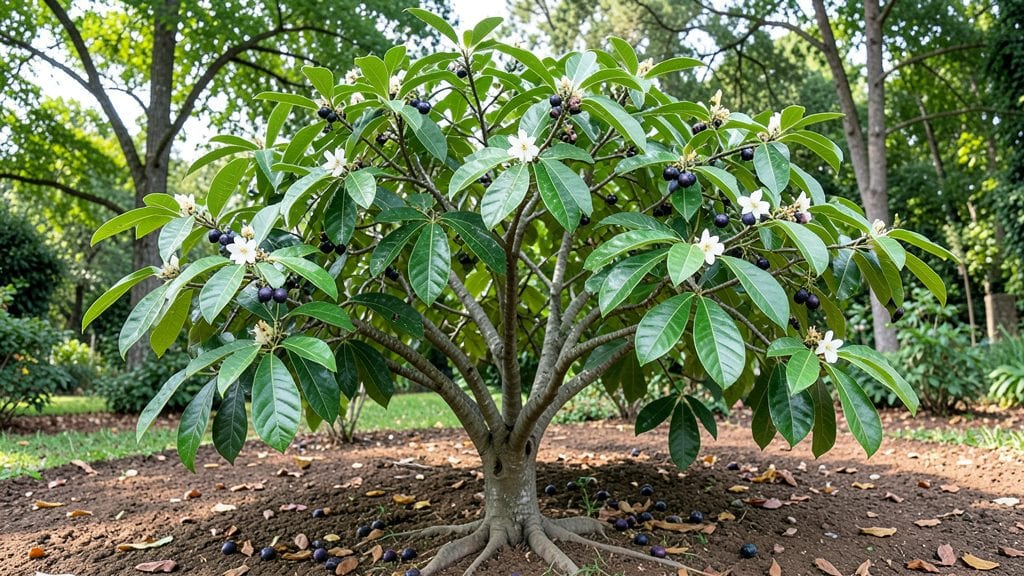
Growing a murraya koenigii tree in the Pacific Northwest means mastering one key skill: pruning to survive our chilly winters. 🌿 I’ve learned the hard way—skipping this step leaves your tree vulnerable to frost damage, but the right cuts keep it thriving year after year.
The secret isn’t just trimming; it’s timing and technique to protect those delicate leaves while encouraging new growth.
This tropical tree loves warmth but can handle our cooler climate with the right care. Start with well-draining soil and a sunny spot—at least 6 hours of sunlight daily. Water deeply but let the top inch dry between sessions, and mulch to insulate roots from winter’s bite.
The pruning itself takes just 20-30 minutes if you focus on shaping in late winter or early spring, right before new shoots appear.
What you’ll end up with is a lush, frost-resistant tree that keeps its glossy leaves and fragrant aroma even after our coldest months. The branches stay sturdy, and you’ll harvest fresh curry leaves all season—perfect for cooking or selling at local markets.
With this method, your tree won’t just survive winter; it’ll bounce back stronger than ever.
Works for both container and in-ground planting, so whether you’re in Seattle or Portland, this approach adapts to your space. Let’s get those pruners ready—your tree’s resilience starts with the first cut.
📚 In This Guide
- What you need
- Instructions
- Tips and common mistakes
- Wrapping up and next steps
What you need
- ● Bypass pruners – Sharp, high-quality pruners (e.g., Felco or Fiskars) for clean cuts on small to medium branches.
- ● Loppers – For thicker branches (½" to 1.5" diameter); look for ratcheting or bypass styles.
- ● Hand saw or pruning saw – For stubborn, larger branches (2" or thicker). A curved blade works best for curved cuts.
- ● Disinfectant (70% isopropyl alcohol or bleach solution) – 1 part bleach to 10 parts water to sterilize tools between cuts and prevent disease.
- ● Garden gloves – Heavy-duty, cut-resistant gloves (e.g., Mechanix or Filon) to protect hands from thorns and sap.
- ○ Pruning sealant (optional but helpful) – For larger cuts (>1" diameter) to prevent sap oozing or pest entry (e.g., Tanglefoot Tree Wound Pruning Seal).
- ● Ladder or step stool – If your tree is tall (6+ feet), a sturdy, extendable ladder with non-slip feet is a must.
- ● Heavy-duty trash bags or bucket – To collect pruned branches for composting or disposal.
- ● Timing – Prune after the last frost (late spring/early summer) in the PNW, or during dormancy (late winter) for frost-prone areas.
- ● Weather check – Avoid pruning if rain is forecasted within 24 hours to let cuts heal properly.
- ● Safety gear – Long sleeves/pants to protect from thorns and sap, and safety glasses if sawing larger branches.
- ● 🌡️ Frost prep: If your tree is young or in a microclimate with late frosts, consider wrapping the base with burlap or using a tree guard for extra protection.
- ● ✂️ Thinning vs. heading cuts: For frost resilience, prioritize thinning cuts (removing entire branches back to the trunk) over heading cuts (shortening branch tips).
- ● 🌱 Composting: Curry leaf branches compost slowly—chop them into smaller pieces first for faster decomposition.
Step-by-step guide for frost-resistant pruning of Murraya koenigii
Here's how to shape your curry leaf tree for resilience in Pacific Northwest winters.
🪴 Step 1: Time Your Pruning for Maximum Recovery
Prune your Murraya koenigii in late winter or early spring, just as new growth begins but before buds fully swell. This timing lets the tree recover before summer heat arrives. I always prune mine in February or March—after the worst frosts have passed but before the growing season kicks off.
Look for dormant buds along the branches; these are your pruning targets. Avoid cutting into old wood without buds, as new growth won't form there. If you prune too early, frost damage can still occur. If you wait too late, you'll remove potential flowering branches needed for next year's harvest.
✂️ Step 2: Use Proper Cuts to Maintain Tree Health
Make all cuts at a 45-degree angle, about 1/4 inch above a leaf node or bud. This angle helps water run off the cut, preventing rot. I use sharp, clean pruners to avoid tearing the bark, which invites disease. For larger branches, sterilize your tools with rubbing alcohol between cuts.
Never leave stubs—this stresses the tree and creates entry points for pests. When pruning, focus on removing dead, diseased, or crossing branches first. These are the weak points that freeze damage often targets. Thin out crowded areas to improve air circulation, which is critical for winter survival.
☀️ Step 3: Shape for Sun Exposure and Wind Protection
Open the tree's center by removing 20-30% of the interior growth to allow sunlight to reach all branches. In the Pacific Northwest, this prevents frost pockets from forming inside the tree. I like to create a slightly rounded shape—this helps snow slide off easily in winter.
For outdoor plants, avoid heavy pruning on the west or north sides, where afternoon sun and cold winds converge. Instead, focus on shaping the east and south sides to balance growth. If your tree is near a wall or fence, leave the side closest to it slightly denser for wind protection.
🌱 Step 4: Post-Pruning Care for Winter Hardiness
After pruning, apply a 2-3 inch layer of mulch around the base (but not touching the trunk) to insulate roots. I use shredded bark mulch because it breaks down slowly and retains moisture. Water deeply once before the first frost to ensure the tree enters dormancy hydrated.
In late winter, before new growth starts, apply a balanced fertilizer (10-10-10) to replenish nutrients lost during pruning. Avoid heavy nitrogen fertilizers—they encourage tender new growth that won't survive PNW frosts. Monitor for signs of stress like yellowing leaves, which can indicate over-pruning or poor recovery.
Tips & tricks for frost-resistant pruning of curry leaf trees
Here's what I've learned after pruning my Murraya koenigii through multiple PNW winters—these tricks make all the difference for tree survival.
Timing is Everything: The February-March window is critical because it balances frost risk and growth readiness. I check for swollen buds—when they're just starting to plump up but haven't broken yet, that's your cue. Confession: I skipped this once and pruned in January, and my tree struggled with frost damage that spring.
Cutting Technique Matters: That 45-degree angle isn't just aesthetic—it's functional. I mark my cuts first with a pencil to visualize where I'll slice, then make one clean cut through the branch collar. Using sterilized tools between cuts prevents spreading any potential diseases hiding in the tree's wounds.
Structural Balance: When removing 20-30% of interior growth, focus on creating an open center that lets sunlight reach all branches. I think of it like opening a canopy—this prevents frost pockets from forming where cold air gets trapped. For outdoor trees, I always leave the north side slightly denser to act as a windbreak for the more vulnerable south side.
Post-Pruning Recovery: The mulch layer is your tree's winter blanket, but don't pile it against the trunk—keep it 2-3 inches away to prevent rot. I water deeply before the first frost to ensure the tree's roots are hydrated through dormancy. Between us, I've seen trees with proper post-pruning care bounce back beautifully even after harsh winters.
Pro Tips for Murraya Koenigii Tree
- Here's what I've learned after pruning my Murraya koenigii through multiple PNW winters—these tricks make all the difference for tree survival.
- Timing is Everything: The February-March window is critical because it balances frost risk and growth readiness.
- Cutting Technique Matters: That 45-degree angle isn't just aesthetic—it's functional.
Frequently asked questions
Got questions about pruning your Murraya koenigii (curry leaf tree) in the Pacific Northwest? Here are some answers to common concerns—whether you're a newbie or a seasoned gardener!
How cold can a Murraya koenigii tree tolerate before frost damage occurs?
The Murraya koenigii is tender to light frost—it can handle brief dips to 25–28°F (-4 to -2°C), but prolonged exposure below 20°F (-7°C) risks leaf scorch or dieback. In the PNW, protect it with frost cloth or move potted plants indoors during winter.
When is the best time to prune my curry leaf tree in the PNW?
Prune after the last frost in spring (late March–April) or early summer (June) to avoid stressing the tree before winter. Avoid heavy pruning in fall—it stimulates new growth that won’t harden off before cold snaps. Light shaping is fine, but save major cuts for spring!
Can I prune a Murraya koenigii tree too much? What are the signs?
Yes! Over-pruning reduces leaf production (which is how it makes curry leaves!) and weakens the tree. Signs of over-pruning:
- Sparse, leggy growth
- Yellowing leaves (nutrient stress)
- Slow recovery after cuts
What should I do if my Murraya koenigii tree gets frost damage?
If leaves turn brown or crispy after frost:
- Trim dead/damaged branches with clean, sharp shears (use sterilized alcohol to prevent disease).
- Water deeply to reduce shock (but avoid soggy soil).
- Fertilize lightly with a balanced 10-10-10 in spring to encourage regrowth.
- Protect it next winter with a microclimate shelter (like a wall or frost blanket).
Are there frost-resistant alternatives to Murraya koenigii for the PNW?
If you love curry leaves but want a hardier PNW option, consider:
- Bay laurel (Laurus nobilis) – Tolerates 15°F (-9°C) but prefers milder zones.
- Sweet bay magnolia (Magnolia virginiana) – Handles 10°F (-12°C) and has fragrant leaves.
- Citrus relatives (like Meyer lemon, in containers) – Move indoors in winter.
Wrapping up and next steps
Ready to give your Murraya koenigii tree the care it deserves in the Pacific Northwest? Pruning for frost resistance isn’t just practical—it’s a way to ensure your plant thrives year after year.
With the right tools, timing, and techniques, you’ll keep your tree healthy, vibrant, and resilient against chilly weather. 🌿❄️
Now’s the perfect time to take action—grab your pruners and get started! Whether you’re a seasoned gardener or just beginning, every small step makes a big difference. Happy pruning!