Pruning
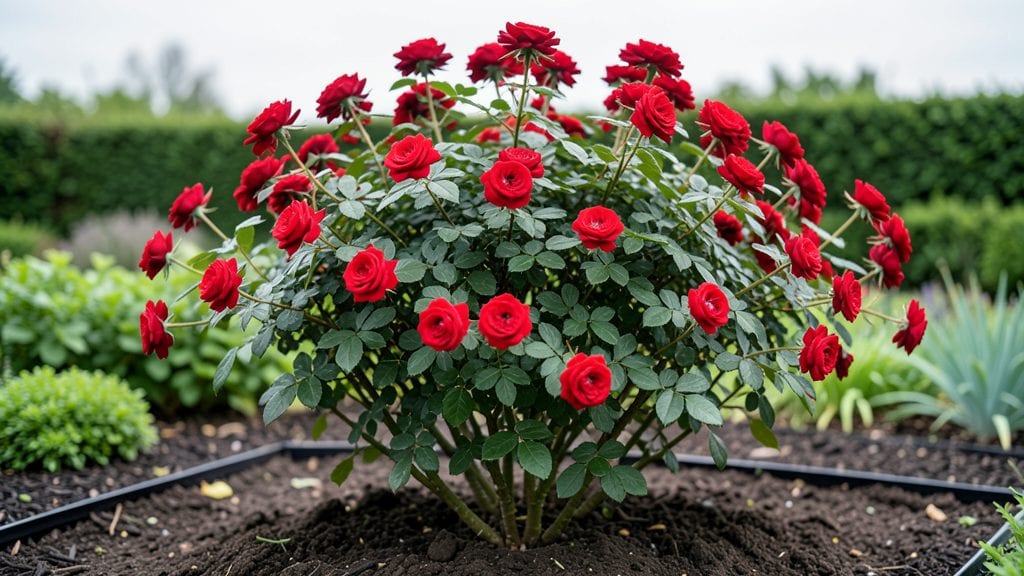
Growing a red drift rose tree in the Pacific Northwest means frost-proof blooms that outshine everything else in your garden. 🌿 I planted mine last spring, and by summer, its vibrant red foliage became the star of my yard—without the fuss of traditional roses.
The secret lies in its cold-hardy nature and how it thrives with minimal pruning compared to other varieties.
This rose tree loves full sun but handles partial shade better than most roses, making it perfect for Northwest gardens where overcast days are common. Well-draining soil keeps it happy, and watering just once a week (except during heatwaves) prevents root rot while keeping those striking red leaves lush.
Pruning is simple—just trim back dead growth in early spring, and you’ll encourage even more blooms.
By midsummer, you’ll have a bush teeming with clusters of small, fragrant flowers that last all season. The foliage stays vibrant even through fall, and with proper care, it’ll bounce back stronger after winter frosts. No floppy stems, no constant deadheading—just reliable beauty that turns heads.
Whether you’re a beginner or a seasoned gardener, this rose tree delivers effortless impact. It’s the kind of plant that makes neighbors ask, “What is that?”—and the answer is your secret weapon for year-round color. Let’s get yours thriving!
📚 In This Guide
- What you need
- Instructions
- Tips and common mistakes
- Wrapping up and next steps
What you need
- ● Bypass Pruners: Sharp, clean pruners (1 pair) for clean cuts—avoid dull blades that crush stems.
- ● Loppers: Heavy-duty (1 pair) for thicker branches (½"–2" diameter).
- ● Hand Saw: Pruning saw (1) for stubborn, woody growth (2"+ diameter).
- ● Disinfectant: 70% isopropyl alcohol or 10% bleach solution (small bottle) to sterilize tools between cuts.
- ● Gloves: Heavy-duty gardening gloves (1 pair) to protect from thorns and sap.
- ○ Pruning Sealant (Optional): Tree wound sealant (small tube) for large cuts (1" or wider).
- ● Trash Bags: Heavy-duty bags (2–3) for debris—your PNW yard will thank you!
- ● Ladder or Step Stool: Sturdy, stable option (if tree is >6 ft tall).
- ● Timing: Prune in late winter or early spring (before new growth starts).
- ● Weather: Choose a dry, calm day—no rain or wind for 24 hours post-pruning.
- ● Safety Gear: Safety glasses (1 pair) to shield from debris.
- ○ Notebook & Pen (Optional): To sketch the tree’s structure before/after pruning.
Step-by-step guide to planting and caring for a Red Drift rose tree
Here's how I've successfully grown this stunning, frost-hardy rose in the Pacific Northwest—with minimal fuss and maximum blooms.
🌱 Step 1: Choose the Perfect Planting Spot
The Red Drift rose thrives in full sun to partial shade, but in the PNW, I recommend at least 6 hours of direct sunlight daily. Morning sun with afternoon shade works best, especially in hotter microclimates. Avoid low spots where cold air settles—this rose handles frost down to 15°F, but prolonged wet conditions invite disease.
Test your site by observing how sunlight moves across the area throughout the day. The ideal location stays dry after rain and has good air circulation. If your yard is shady, position the tree where it can stretch toward the brightest spot—it'll lean but still bloom beautifully. I always plant mine near a south-facing wall or fence for extra winter protection.
🪴 Step 2: Prepare the Soil and Plant
This rose adapts to most soil types but performs best in well-draining, slightly acidic soil with a pH between 6.0 and 6.5. Before planting, mix 3 inches of compost into the top 12 inches of native soil to improve drainage and fertility. The hole should be twice as wide as the root ball but no deeper.
Remove the tree from its container and loosen any circling roots gently with your fingers. Place it in the hole so the graft union (the swollen area near the base) sits 2-3 inches above soil level. This prevents soil from smothering the graft and encourages strong growth above. Backfill with native soil, tamping lightly as you go to eliminate air pockets.
💧 Step 3: Water and Mulch for Establishment
Water deeply right after planting to settle the soil and eliminate air gaps around the roots. The top 6 inches of soil should feel moist—not soggy, but damp like a wrung-out sponge. Red Drift roses need 1-1.5 inches of water weekly during the first growing season, more in hot, dry spells. I check moisture by sticking my finger 2 inches into the soil—if it feels dry, it's time to water.
Apply a 3-inch layer of mulch (like bark or wood chips) around the base, keeping it 6 inches away from the trunk to prevent rot. Mulch conserves moisture, regulates soil temperature, and suppresses weeds. Replenish mulch annually as it breaks down, but never let it pile against the stem—this traps moisture and invites fungal issues.
☀️ Step 4: Prune for Shape and Health
Prune your Red Drift rose in late winter or early spring before new growth begins. Remove any dead, diseased, or crossing branches first—these compete with healthy growth and can spread problems. Then, cut back last year's blooms to just above an outward-facing bud. This encourages bushier growth and more abundant flowers.
For shaping, I focus on opening the center of the tree to improve airflow. Aim to remove no more than 25% of the plant's foliage in any one season—this rose is resilient but benefits from gentle pruning. Sterilize your pruners with rubbing alcohol between cuts to prevent spreading disease. After pruning, give the tree a light application of balanced fertilizer to support new growth.
✂️ Step 5: Maintain Through the Seasons
Fertilize in early spring with a balanced, slow-release rose fertilizer (10-10-10 ratio works well). Follow the package instructions, but I halve the recommended dose—Red Drift roses are vigorous and don't need heavy feeding. Water deeply after fertilizing to help nutrients reach the roots. Throughout the growing season, monitor for pests like aphids or spider mites and treat with neem oil if needed.
In fall, reduce watering gradually as temperatures drop. Stop fertilizing by mid-September to allow the plant to harden off for winter. If you live in a particularly cold microclimate, wrap the tree in burlap or use a frost blanket for the first few winters—this helps young trees establish stronger root systems. With proper care, your Red Drift rose will reward you with continuous blooms from early summer through fall.
Tips & tricks for perfect Red Drift rose tree planting
These simple strategies will help you get the most stunning, hardy blooms from your Red Drift rose—even in the Pacific Northwest's tricky climate.
Sunlight Strategy: If you're working with limited sunlight, position your tree where it can stretch toward the sun's path throughout the day. I've seen Red Drift roses lean dramatically toward morning sun but still produce gorgeous blooms. The key is to give it that 6 hours of direct sunlight—even if it means planting it closer to a south-facing fence or wall for winter protection.
Soil Prep Secret: Before mixing in that 3 inches of compost, test your soil's pH with a simple kit available at garden centers. If your soil tests higher than 6.5, add a bit of sulfur or peat moss to bring it down—this rose loves that slightly acidic environment. I've found that taking this extra step makes a noticeable difference in bloom quantity and plant vigor.
Watering Wisdom: The 1-1.5 inches of water weekly guideline works perfectly in normal conditions, but adjust for your microclimate. During our PNW summer heatwaves, I often increase to 2 inches per week and water in the early morning to prevent fungal issues. Always check that 2-inch soil depth—if it's dry, it's time to water, regardless of the calendar.
Pruning Pro Tip: When pruning in Step 4, look for those outward-facing buds—they're your secret to bushier growth. I like to make my cuts just above these buds at a 45-degree angle to prevent water from sitting on the cut and causing rot. This small detail makes a big difference in how your rose develops over time.
Pro Tips for Red Drift Rose Tree
- These simple strategies will help you get the most stunning, hardy blooms from your Red Drift rose—even in the Pacific Northwest's tricky climate.
- Sunlight Strategy: If you're working with limited sunlight, position your tree where it can stretch toward the sun's path throughout the day.
- Soil Prep Secret: Before mixing in that 3 inches of compost, test your soil's pH with a simple kit available at garden centers.
Frequently asked questions
Got questions about your Red Drift Rose Tree? You’re not alone! Here are answers to the most common queries to help you nurture this stunning, frost-resistant beauty with confidence.
How cold can a Red Drift Rose Tree tolerate?
The Rosa driftwood (Red Drift Rose Tree) thrives in USDA Zones 5-9, handling temperatures down to -20°F (-29°C) once established. Young plants may need winter mulch or burlap wraps for extra protection during harsh freezes.
When is the best time to prune a Red Drift Rose Tree?
Prune in early spring (March-April) before new growth begins, or lightly after flowering to shape. Avoid heavy pruning in fall—it can stimulate tender growth vulnerable to winter damage. Never prune in winter when the plant is dormant.
Can I grow a Red Drift Rose Tree in a container?
Yes! Use a large container (at least 15 gallons) with drainage holes and well-draining soil. Choose a spot with 6+ hours of sunlight daily and move it indoors or to a sheltered area if temperatures drop below 10°F (-12°C). Water regularly but avoid soggy roots.
Why are my Red Drift Rose Tree’s leaves turning yellow?
Yellow leaves often signal overwatering, poor drainage, or nutrient deficiency. Check soil moisture—it should be evenly damp, not soggy. Amend soil with compost or use a balanced rose fertilizer. Pests like spider mites can also cause yellowing; inspect undersides of leaves and treat with neem oil if needed.
Will a Red Drift Rose Tree bloom the first year?
Not always! While some plants flower lightly in their first year, full blooms typically appear in year two or three as the plant establishes roots. Be patient—consistent care (water, sunlight, and pruning) rewards you with vibrant red blooms from late spring to fall!
What’s a good alternative if I can’t grow a Red Drift Rose Tree?
If your climate or space is limiting, consider these frost-hardy, low-maintenance alternatives:
- Knock Out® Roses – Disease-resistant, repeat-blooming, and thrive in Zones 4-9.
- Potentilla shrubs – Hardy to Zone 3, with cheerful yellow/orange blooms.
- Spirea (e.g., ‘Goldflame’) – Drought-tolerant and blooms prolifically in Zones 4-8.
Wrapping up and next steps
The Red Drift Rose Tree is a stunning, frost-resistant gem perfect for Pacific Northwest gardens, offering vibrant blooms and minimal fuss. With the right pruning techniques, you’ll keep it thriving for years—so grab those shears and get ready to shape its beauty! 🌸✂️
Your next step? Schedule a pruning session in early spring or late winter—just follow the blueprint you’ve learned, and watch your Red Drift Rose Tree reward you with lush, healthy growth. Happy gardening! 🌿💚