Pruning
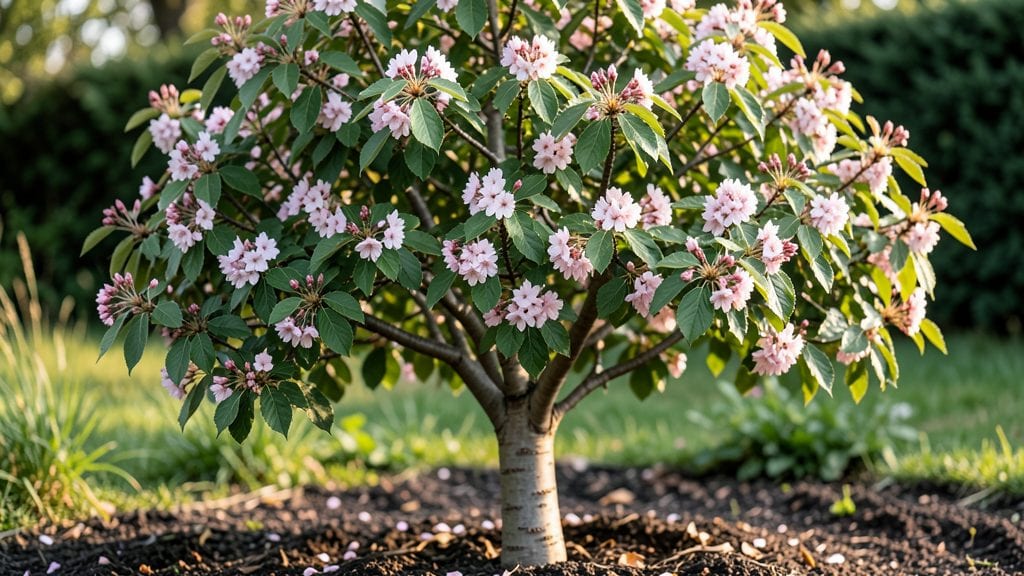
Planting a Royal Lee cherry tree in the Pacific Northwest means you’re getting a cold-hardy, fruit-bearing beauty that thrives where others struggle. 🌳 I’ve watched mine survive winters that would freeze lesser varieties—and still produce sweet, dark-red cherries by July.
The secret isn’t just the tree itself, but how you prep the site, water, and prune to maximize its resilience.
This variety loves full sun (at least 6 hours daily) and well-draining soil with a pH between 6.0 and 7.0. In the PNW’s wet climate, raised beds or mounded soil prevent root rot, while a 15-foot spacing between trees ensures airflow and reduces disease.
The first year is all about establishing roots, so consistent watering (1–2 inches per week) and a balanced fertilizer keep it strong.
Pruning isn’t just about shaping—it’s about health and fruit production. In late winter, cut out dead wood and crossing branches, then thin the canopy to let light reach the center.
By summer, you’ll see the payoff: glossy leaves, white spring blossoms, and—if you’re lucky—cherries that ripen just in time for canning or fresh eating.
For advanced gardeners, this tree’s late-blooming habit makes it less vulnerable to spring frosts, while its compact growth (20–25 feet tall) fits smaller lots. Beginners will love how forgiving it is—just avoid overwatering in winter and watch it reward you for years. Ready to grow one that outlasts the weather?
📚 In This Guide
- What you need
- Instructions
- Tips and common mistakes
- Wrapping up and next steps
What you need
- ● Pruning shears – Bypass-style (for clean cuts on small branches, 3–5 inches in diameter). Example: Felco F-2 or Corona Tools.
- ● Loppers – 8–10 inches (for branches ½–1½ inches thick). Look for ratcheting or bypass models.
- ● Pruning saw – Curved-tooth (for branches 2+ inches thick). Example: Fiskars X7.
- ● Extension pole – 10–12 feet (with a saw attachment for high branches).
- ● Gloves – Heavy-duty, cut-resistant (e.g., Mechanix Wear or pruning-specific gloves).
- ● Safety glasses – ANSI-rated (to protect from debris).
- ○ Pruning sealant – Optional but recommended (e.g., Tanglefoot Tree Wound Pruning Seal) for cuts larger than ½ inch.
- ● Disinfectant – 70% isopropyl alcohol or bleach solution (1 part bleach : 9 parts water) (to sterilize tools between cuts).
- ● Heavy-duty trash bags – For collecting pruned branches.
- ● Ladder – Sturdy, 3-section (if your tree exceeds 12 feet). Pro tip: Use non-slip feet and a spotter!
- ○ Marking twine or flags – Optional (to tag branches for removal if needed).
- ● Timing – Prune during the tree’s dormant season (late winter/early spring, before buds swell).
- ● Weather – Choose a dry, calm day (no rain or wind for 24–48 hours post-pruning).
- ● Tree health check – Inspect for diseases (e.g., leaf spot, canker) or pests before pruning.
- ● Safety briefing – Clear the area of people, pets, and flammable materials (especially important in dry PNW summers!).
Step-by-Step instructions for pruning Royal Lee cherry trees
Here's how I prune Royal Lee cherries to thrive in the Pacific Northwest's chilly climate.
✂️ Step 1: Time Your Pruning for Dormant Season
Prune Royal Lee cherries in late winter or early spring, just as buds swell but before new growth begins. This timing prevents disease spread and avoids stressing the tree when it's actively growing. I mark my calendar for February or March—after the worst winter cold passes but before leaves emerge.
If you miss the dormant window, wait until summer after harvest to do light pruning for shaping. Never prune in fall, as wet conditions invite fungal infections. The tree's bark looks smooth and firm at this stage—wait until you see buds swelling slightly but not yet breaking open.
✂️ Step 2: Remove Dead, Diseased, or Crossing Branches First
Start by cutting out dead wood (branches that snap easily or have no bark) and any with cankers or fungal spots. Use clean, sharp pruners to make cuts at a 45-degree angle, about ¼ inch above a healthy bud facing outward. I always disinfect my tools with rubbing alcohol between cuts to prevent spreading disease.
Next, remove branches that cross or rub against each other—these create wounds where pests and pathogens enter. Look for V-shaped intersections where branches meet; if they overlap, one must go. Thin the canopy by 20-30% total to improve airflow and sunlight penetration.
✂️ Step 3: Shape the Tree for Open Center and Airflow
Royal Lee cherries thrive with an open-center form, where the branches spread outward like a vase. Remove suckers (vigorous shoots at the base) immediately—they drain energy from fruit production. I also cut back water sprouts (fast-growing vertical shoots) to one-third their length to encourage bushier growth.
Focus on maintaining a balanced shape with 6-8 main scaffold branches spaced evenly. Never leave stubs—always cut back to a bud or branch collar. If a branch is too large to cut in one go, make two cuts: first just outside the branch collar, then a second cut to remove the remaining weight.
☀️ Step 4: Thin Fruit Spurs for Larger, Healthier Cherries
After shaping, thin fruit spurs (short, stubby branches where cherries form) by one-third to improve fruit size and quality. Remove weak or crowded spurs entirely, leaving the strongest ones. I look for plump, healthy buds—these will produce the best fruit. Leave 6-8 inches between spurs for optimal airflow.
Watch for suckers growing from the base—these steal energy from fruit production. Snip them off at the base with clean pruners. If you see mushroom-shaped growths on branches, that's a sign of silver leaf disease; remove and destroy infected branches immediately to prevent spread.
⏰ Step 5: Clean Up and Monitor Post-Pruning
Rake up all pruned branches and dispose of them in the trash (never compost diseased wood). I also spray the tree with a copper fungicide after pruning as a preventive measure against fungal infections. Water deeply at the base to help the tree recover from the stress of pruning.
Monitor the tree closely in the weeks after pruning. If you see yellowing leaves or wilting branches, it may be overpruned—give it time to recover. The tree should show new growth within 3-4 weeks if pruned correctly. Avoid heavy fertilizing right after pruning; wait until spring growth is established.
Tips & tricks for pruning Royal Lee cherry trees
A few simple tricks will help you prune like a pro and keep your Royal Lee cherry tree thriving in the Pacific Northwest's unique climate.
Timing is Everything: The February or March dormant season window is critical for preventing disease spread. I've learned the hard way that pruning too early (when temperatures are still cold) can stress the tree, while pruning too late (when buds break) invites fungal infections. Look for slightly swollen buds that haven't yet opened—this is your perfect cue. If you miss this window, summer after harvest is your next best option, but avoid fall pruning completely during our wet season.
Bud Identification: When making cuts in Step 2, focus on identifying healthy buds that face outward. I use a simple trick: if you can see the bud clearly and it's plump (not shriveled), it's ready for cutting. Always cut at a 45-degree angle about ¼ inch above the bud—this creates a natural shield that protects the bud from rain and disease. If you're unsure about a bud, leave it alone rather than risking damage.
Equipment Essentials: Invest in a pair of good-quality, sharp pruners and keep them clean between cuts. I carry rubbing alcohol in a small spray bottle to disinfect tools after each cut, especially when dealing with diseased branches. For larger branches, use loppers or a pruning saw—never make cuts that leave stubs. Remember, clean tools prevent disease spread, which is especially important in our damp Pacific Northwest climate.
Visual Pruning Guide: In Step 3, imagine your tree as a vase shape when pruning for open center. Remove any branches that grow inward or downward—they'll create a crowded center that blocks sunlight and airflow. For water sprouts, cut back to a bud or branch collar, but never leave stubs. This technique encourages bushier growth and better fruit production. Think of it as sculpting your tree into its natural form.
Pro Tips for Royal Lee Cherry Tree
- A few simple tricks will help you prune like a pro and keep your Royal Lee cherry tree thriving in the Pacific Northwest's unique climate.
- Timing is Everything: The February or March dormant season window is critical for preventing disease spread.
- Bud Identification: When making cuts in Step 2, focus on identifying healthy buds that face outward.
Frequently asked questions
Got questions about pruning your Royal Lee cherry tree? You’re not alone! Here are answers to the most common queries to keep your tree thriving in the Pacific Northwest’s climate.
When is the best time to prune a Royal Lee cherry tree?
The ideal time is late winter to early spring (February–March), just before buds swell but before new growth starts. This timing minimizes stress and disease risk. Avoid pruning in fall, as wounds may not heal before winter’s chill.
Can I prune my Royal Lee cherry tree in cold or wet weather?
No—prune only on dry, calm days when temperatures are above freezing. Wet or icy conditions can spread bacterial diseases like silver leaf. If you must prune in winter, wait for a mild spell (above 40°F) to reduce stress.
How much can I prune off without harming the tree?
Remove no more than 25–30% of the canopy in one season. For young trees, focus on structural shaping (removing dead, crossing, or weak branches). Mature trees benefit from light annual pruning to maintain airflow and fruit production.
Why are my Royal Lee cherry tree’s leaves turning yellow after pruning?
Yellowing leaves post-pruning often signal over-pruning or nutrient stress. If you’ve removed too much foliage, the tree may struggle to support itself. Apply a balanced fertilizer (10-10-10) in early spring and water deeply. Avoid heavy pruning in drought conditions.
Are there alternatives to Royal Lee cherries for PNW climates?
Yes! Consider Montmorency tart cherries (hardy to Zone 4) or Stella cherry (self-pollinating, disease-resistant). For ornamental value, Prunus ‘Kwanzan’ (flowering cherry) thrives in cold climates but doesn’t bear fruit. Always check chilling hour requirements!
Wrapping up and next steps
The Royal Lee cherry tree isn’t just a resilient beauty—it’s a pruning masterpiece waiting to thrive in the Pacific Northwest’s chilly climate! 🌲 With the right tools, timing, and techniques, you can unlock its full potential, ensuring lush blooms and bountiful harvests for years to come.
Whether you’re a seasoned gardener or just starting, this blueprint gives you the confidence to prune like a pro.
Now that you’re armed with knowledge, roll up your sleeves and get pruning! Grab your tools, step outside, and give your Royal Lee cherry tree the care it deserves. Happy gardening—and may your tree flourish! 🌸✂️