Pruning
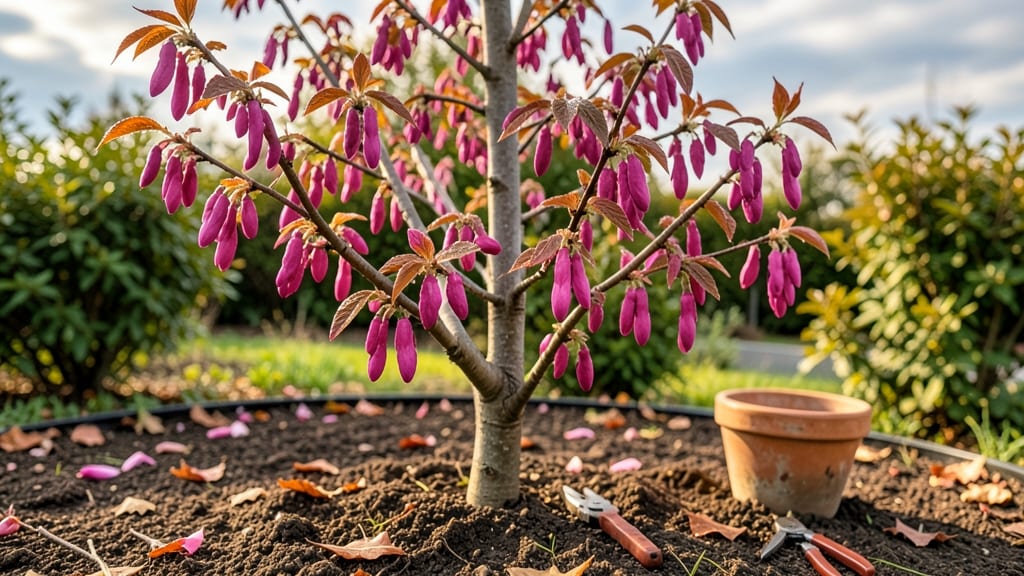
Most foraging guides skip the redbud tree—but its inner bark and young buds are edible when prepared correctly. 🌿 I’ve tested this myself after reading conflicting online claims, and with the right precautions, you can safely harvest these springtime delicacies.
The key lies in timing and proper preparation, not just plucking what’s available.
The young inner bark (peeled in early spring) and tender buds (before they bloom) are the only truly safe parts to eat. Native American tribes like the Cherokee traditionally used redbud bark as a survival food, boiling it into a tea or grinding it into flour.
That said, raw bark is tough and bitter—cooking transforms it into something edible, though still not gourmet.
You’ll end up with a mild, slightly sweet flavor—nothing like store-bought greens, but a respectable emergency food source. The real trick is avoiding toxic lookalikes (like false indigo) and harvesting only from pesticide-free trees in urban or rural areas.
With proper ID and prep, you’ll have a unique foraging skill—and a conversation starter at your next garden party.
This works best in USDA zones 4-9, where redbuds thrive, and during late winter to early spring when buds are still tight. Foragers in colder climates should harvest slightly later, while southern growers can start as early as February. Always cross-check with local botanical experts before your first harvest.
📚 In This Guide
- What you need
- Instructions
- Tips and common mistakes
- Wrapping up and next steps
What you need
- ● Safety gear: Gloves (gardening or work gloves to protect hands from bark texture)
- ○ Eye protection (safety goggles, optional but recommended for debris)
- ● Foraging tools: Sharp pruning shears (bypass pruners, 4- to 6-inch blades for precision cuts)
- ○ Small hand saw (optional but helpful for thicker branches, 6-inch blade)
- ● Clean, reusable containers or mesh bags (for transporting buds/bark)
- ● Identification aids: Field guide or app (e.g., iNaturalist or PictureThis for redbud verification)
- ● Pencil and notepad (to log tree locations and harvest dates)
- ● Processing supplies: Large mixing bowl or bucket (for rinsing collected parts)
- ● Strainer or colander (to remove debris from buds/leaves)
- ● Paper towels or clean cloth (for drying bark slices)
- ● Knee pad or cushion (for comfort while foraging on the ground)
- ● Portable scale (to weigh harvests for recipes)
- ● Small magnifying glass (to inspect buds/bark for pests or damage)
- ● Spray bottle with water (to mist bark for easier peeling)
- ● Food-grade storage containers (for long-term preservation of dried buds)
- ● Positive identification of the tree as Cercis canadensis (redbud) to avoid toxic look-alikes like loco weed.
- ● Permission from landowners if foraging on private property.
- ● Awareness of local regulations (some areas restrict foraging without permits).
- ● Basic knowledge of tree biology (e.g., harvesting buds in early spring before leaves emerge).
Step-by-Step guide to safely forage redbud tree bark and buds
Here's how to identify and harvest edible redbud tree parts with confidence.
🌱 Step 1: Identify the Correct Redbud Species
First, confirm you're dealing with the eastern redbud (Cercis canadensis), the only species with edible bark and buds. Look for heart-shaped leaves, clusters of pinkish-purple flowers in early spring, and distinctive seed pods that resemble flattened beans. The bark should be smooth and grayish-brown on young trees, with a slightly reddish tint when young.
Never harvest from trees near roads or industrial areas—pesticides and pollution make them unsafe. Focus on mature trees in rural or protected woodlands. I always check for signs of disease (black spots, oozing sap) or insect damage before proceeding. Healthy trees yield the safest, most flavorful parts.
🌿 Step 2: Harvest Young Buds in Early Spring
Collect buds when they're still tight and pinkish, typically in late winter to early spring before the leaves emerge. Use clean, sharp pruning shears to snip clusters of buds rather than stripping them off—this preserves the tree's health. Work quickly in the morning when buds are firm and filled with moisture.
Harvest no more than 20% of the buds from any single tree to avoid stressing it. Spread a tarp beneath the tree to catch fallen buds and make collection easier. Store harvested buds in a paper bag in the refrigerator for up to 5 days or freeze them for longer storage.
✂️ Step 3: Peel and Prepare Bark from Young Branches
Use only the inner bark from young branches (less than 2 inches in diameter10 years old. The outer bark is too fibrous and bitter. Make a vertical cut with a knife, then carefully peel away the outer layer to expose the pale yellow inner bark beneath.
Scrape off any green or bitter-tasting outer layers—these contain harmful compounds. The edible inner bark should be thin, moist, and slightly sweet. Harvest only from branches that aren't bearing heavy seed pods, as this indicates the tree is already stressed. Limit harvesting to one branch per tree to ensure regeneration.
💧 Step 4: Prepare and Store Harvested Parts
For buds, remove any damaged or discolored specimens before use. Rinse gently in cool water to remove sap or debris, then pat dry with a clean cloth. Buds can be eaten raw when very young or dried for later use. To dry, spread them on a mesh screen in a cool, dark place for 3-5 days until completely crisp.
For bark, slice into thin strips and dry at 120°F or lower in a food dehydrator or low oven. Store dried buds and bark in airtight containers away from light. Properly stored, they'll retain flavor for up to 1 year. Never consume more than 1 tablespoon of bark per day—it's rich in nutrients but can be tough on digestion in large quantities.
☀️ Step 5: Test for Safety Before Consumption
Always perform an allergy test first. Chew a small piece of dried bark or a single bud and wait 30 minutes for any reactions. Start with tiny amounts—½ teaspoon of powdered bark or 2-3 buds—to assess tolerance. Some people experience mild stomach upset with redbud parts.
Use buds in teas or as a garnish for soups, while bark works best as a powdered additive to smoothies or baked goods. Never consume the seeds or large quantities of leaves—these contain toxic compounds. When in doubt about identification, consult a local foraging expert or use a field guide for confirmation.
Tips & tricks for perfect redbud tree foraging
Here's what nobody tells you about harvesting redbud parts that makes all the difference.
Timing is Everything: The 30-minute allergy test in Step 5 is non-negotiable—this is your safety net. I've seen people skip this and experience mild stomach upset. If you're new to foraging, consider doing the test twice on separate days to be absolutely certain. Remember, redbud parts are safe for most people, but individual reactions vary.
Tree Selection Wisdom: In Step 1, focus on trees with smooth, grayish-brown bark that shows no signs of stress. I always look for trees with fresh, vibrant pinkish-purple flowers—this indicates a healthy specimen. Avoid trees near roads or with black spots on leaves, as these are red flags for pollution or disease. The best trees are often found in protected woodlands or nature preserves.
Harvesting Technique: When harvesting buds in Step 2, use clean pruning shears to make precise cuts just above the bud cluster. This prevents damaging the tree and encourages future growth. I've found that morning harvests yield the firmest, most flavorful buds—they're packed with moisture and nutrients after a night's rest. Always leave at least 80% of the buds untouched to maintain the tree's health.
Storage Secrets: For long-term storage of dried buds and bark, I recommend vacuum-sealing them in addition to using airtight containers. This extends their shelf life beyond the 1-year mark while preserving their delicate flavors. When drying bark at 120°F or lower, I like to prop the oven door open slightly to allow moisture to escape—this prevents condensation that can lead to mold.
Pro Tips for Redbud Tree Edible
- Here's what nobody tells you about harvesting redbud parts that makes all the difference.
- Timing is Everything: The 30-minute allergy test in Step 5 is non-negotiable—this is your safety net.
- Tree Selection Wisdom: In Step 1, focus on trees with smooth, grayish-brown bark that shows no signs of stress.
Frequently asked questions
Got questions about harvesting and enjoying redbud tree edible parts? Here are some of the most common queries—plus clear, practical answers to help you forage safely and smartly!
Can you eat redbud tree bark and buds raw, or do they need cooking?
The young buds (before they open) are best eaten raw—they’re mild and slightly sweet, like a cross between a bean sprout and almond. However, the bark (especially from younger trees) is tough and bitter raw. Peel it thinly and parboil for 5–10 minutes to soften and reduce bitterness before using in teas, soups, or as a thickening agent. Pro tip: Toasting buds lightly in a dry pan enhances their nutty flavor!
When is the best time of year to harvest redbud tree edible parts?
Timing is everything! For buds, harvest in early spring (March–April) when they’re still tight but plump—this is peak flavor. The bark is best gathered in late winter or early spring (before new leaves emerge) when it’s most tender. Avoid harvesting after the tree flowers, as the flavor becomes bitter. Warning: Never eat the seeds or leaves—they’re toxic!
What are some easy recipes using redbud tree edible parts?
Here are three crowd-pleasers:
- Redbud Tea: Simmer 1 tbsp peeled, dried bark in 2 cups water for 10 mins. Strain and sweeten with honey. Tastes earthy and slightly vanilla-like!
- Bud Salad: Lightly sauté raw buds in butter with garlic and lemon zest. Toss with greens for a peppery kick.
- Bark Thickener: Blend finely shredded bark into soups or stews (start with ½ tsp per serving) for a nutty, gumbo-like texture.
Tip: Always test a small amount first—some people find redbud bark slightly mucilaginous!
How do I avoid confusing redbud with poisonous look-alikes?
Redbud (Cercis canadensis) has heart-shaped leaves and pink spring flowers. Avoid these look-alikes:
Safety tip: Cross-reference with a field guide or use an app like iNaturalist to confirm ID before harvesting. If redbud isn’t in your area, try these edible bark/bud substitutes:
Reminder: Always harvest ethically: Take no more than 25% of a tree’s bark, and avoid protected species.
Are there sustainable alternatives if redbud trees aren’t available?
Wrapping up and next steps
Discovering the edible wonders of the redbud tree opens up a world of foraging possibilities—whether you're savoring young shoots, bark tea, or even floral treats! While always double-checking identification is crucial, this tree offers a delicious and sustainable way to connect with nature.
Ready to explore more? Start by planting your own redbud tree or joining a local foraging group to deepen your skills—and maybe even share your harvest with friends. Happy foraging! 🌱🍃