
Pruning
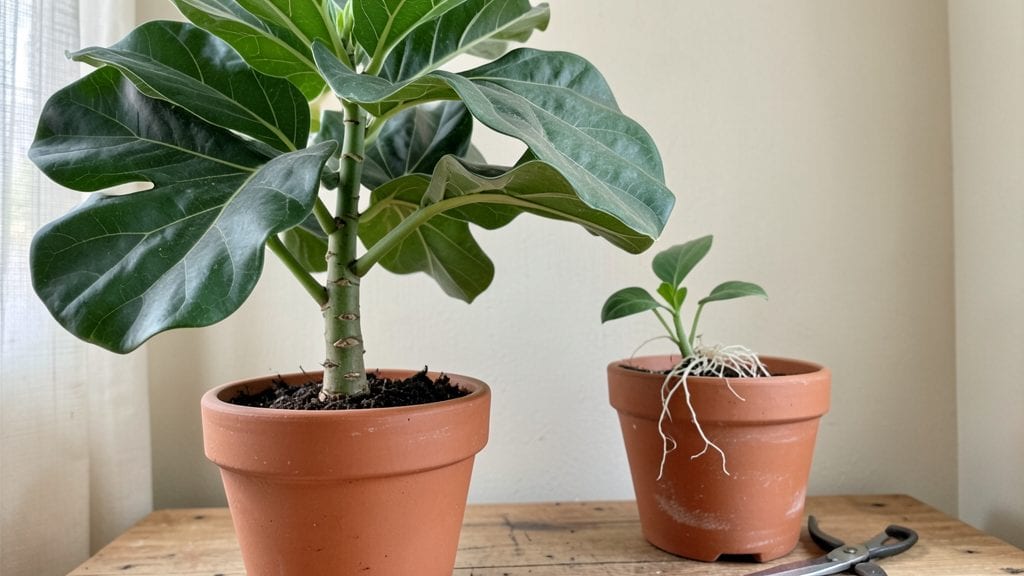
Replanting a ficus tree isn’t just about moving roots—it’s about giving your plant a second chance to thrive. 🌿 I’ve replanted mine twice after container-bound roots circled like tangled vines, and the second time, I finally cracked the code on keeping it happy.
The key? Timing, soil prep, and understanding what ficus roots actually need to recover.
You’ll need a few simple tools: a sharp knife or pruners for trimming, a pot or hole twice as wide as the root ball, and a well-draining mix of potting soil and perlite. Ficus trees hate soggy roots, so drainage is non-negotiable.
The best time to replant is spring or early summer, when temperatures are mild and the tree can focus on root recovery instead of fighting heat stress.
After replanting, your ficus will need gentle care for the first few weeks—water deeply but infrequently, prune any yellowing leaves, and keep it out of direct sun until new growth appears.
The payoff? A stronger tree with faster recovery and better growth than before. Even if you’ve had root damage, this method works.
Works for both container ficus and in-ground replanting. The same principles apply whether you’re moving a small bonsai or a 6-foot tree. Let’s get those roots settled in the right way this time.
📚 In This Guide
- What you need
- Instructions
- Tips and common mistakes
- Wrapping up and next steps
What you need
- ● New pot: 1–2 inches larger in diameter than the current container (ensure drainage holes!)
- ● High-quality potting mix: 3–5 gallons of well-draining soil (e.g., cactus/succulent mix or ficus-specific blend)
- ● Pruning shears: 1 pair (sterilized with rubbing alcohol)
- ○ Root stimulator: 1 bottle (optional but helpful for recovery)
- ● Gloves: 1 pair (to protect hands from sap)
- ● Watering can: 1 with a fine rose nozzle
- ○ Mulch or bark chips: ½ cup (optional, for moisture retention)
- ● ✅ Health check: Inspect roots for rot (trim black/mushy sections with pruners)
- ● ✅ Timing: Replant during spring/summer (avoid winter dormancy)
- ● ✅ Space: Clear a clean, flat surface for repotting
Step-by-Step guide to replanting a ficus tree
Reviving a stressed ficus starts with the right technique—here’s how to replant it for strong, healthy regrowth.
🌱 Step 1: Prepare the New Pot and Soil
Choose a container just 2-3 inches larger than the current pot to avoid overwhelming the roots. Ficus trees need well-draining soil—mix 50% potting mix with 50% perlite or orchid bark for aeration. Avoid garden soil; it compacts and suffocates roots.
Place a 2-inch layer of coarse gravel at the bottom for drainage. Tap the pot gently to settle the mix, but don’t pack it down—roots need air to breathe. Water the soil lightly before planting to help it settle around the roots later.
🪴 Step 2: Remove the Ficus Carefully
Water the tree 24 hours before replanting to soften the soil and reduce root damage. Grip the base firmly and tip the pot sideways, tapping gently to loosen the root ball. If roots are circling the pot, use a sterilized knife to untangle them—this prevents future girdling.
Check for black, mushy roots—these are rotted and should be trimmed with clean scissors. Healthy roots are firm and light tan. If you see signs of pests (like webbing or holes), rinse the roots with water to dislodge them before replanting.
☀️ Step 3: Plant and Stabilize the Tree
Set the ficus in the new pot so the top of the root ball sits ½ inch below the rim. This prevents soil from spilling out and keeps the tree upright. Fill gaps with your prepared soil mix, pressing lightly to eliminate air pockets—but don’t compact it too tightly.
Water thoroughly until liquid drains from the bottom holes. Let excess water run out completely to avoid soggy soil. Place the pot in a bright, indirect-light spot for 1-2 weeks to reduce stress. Avoid direct sun or drafts during this recovery period.
💧 Step 4: Monitor and Adjust Care
Wait 3-5 days before watering again—ficus trees are drought-tolerant once established, and overwatering now can drown fresh roots. Stick your finger 1 inch into the soil; water only when it feels dry. Yellowing leaves? This is normal for a few weeks as the tree adjusts.
After 4-6 weeks, fertilize lightly with a balanced, water-soluble fertilizer (like 10-10-10) diluted to half strength. Resume normal care once new growth appears—usually within 6-8 weeks. If leaves drop excessively, move the tree to a slightly shadier spot.
Tips & tricks for replanting a ficus tree
Here's what I've learned from replanting my own ficus—and how to avoid the mistakes I made along the way.
Soil Mix Matters: The 50% potting mix and 50% perlite/orchid bark ratio in Step 1 is non-negotiable for ficus trees. I learned this the hard way after my first replanting attempt with regular garden soil, which caused root rot. If you can't find orchid bark, use coarse sand instead—just make sure it's clean and sterile.
Root Health Check: When you're examining roots in Step 2, pay special attention to the root tips. Healthy roots should be white or light tan, while black or mushy roots are definitely rotted. I've seen people trim too aggressively—only remove what's clearly dead, as cutting into healthy roots can cause more stress.
Watering Wisdom: That 3-5 day wait before watering again in Step 4 is crucial. I've seen so many people overwater immediately after replanting, thinking the tree needs it. Ficus trees actually prefer to dry out slightly between waterings once established. Stick your finger 1 inch deep—if it feels dry, that's your cue to water.
Lighting Strategy: The bright, indirect light recommendation in Step 3 is perfect for recovery. After replanting, I've found that placing my ficus near an east-facing window gives it the gentle morning light it needs without the harsh afternoon sun. Too much direct light can scorch new leaves while they're still adjusting.
Pro Tips for Replanting Ficus Tree
- Here's what I've learned from replanting my own ficus—and how to avoid the mistakes I made along the way.
- Soil Mix Matters: The 50% potting mix and 50% perlite/orchid bark ratio in Step 1 is non-negotiable for ficus trees.
- Root Health Check: When you're examining roots in Step 2, pay special attention to the root tips.
Frequently asked questions
Got questions about replanting your ficus tree? You’re not alone—this process can feel tricky, but we’ve got answers! Below are the most common concerns, from timing to troubleshooting, to help you revive your tree with confidence.
When is the best time to replant a ficus tree?
Spring or early summer is ideal! Avoid extreme heat or cold—aim for mild temperatures (60–75°F) and active growth periods. If replanting in winter, choose a very mild climate and protect the roots from frost. Pro tip: Morning replanting reduces stress from afternoon sun.
How do I know if my ficus tree is stressed after replanting?
Watch for yellowing leaves, wilting, or leaf drop—normal for 2–4 weeks. Red flags: Blackened leaves, mushy stems, or no new growth after 6 weeks. Overwatering or root damage are likely culprits. Fix: Adjust watering and check for root rot.
Can I replant a ficus tree in a smaller pot?
Only if it’s a young tree (under 3 years old). Mature ficus trees need space—root-bound stress slows growth. Rule of thumb: Upgrade pot size by 2–4 inches in diameter or depth. Use well-draining soil to prevent soggy roots.
What if my ficus tree doesn’t survive replanting?
Don’t panic! Start with a clean cut of healthy stems (6+ inches) and propagate in water or perlite. Ficus trees root easily—just keep humidity high and avoid direct sun. If the trunk is still alive, prune damaged roots and replant with fresh soil.
Should I fertilize right after replanting?
Wait 4–6 weeks before fertilizing! New roots are fragile, and fertilizer can burn them. After that, use a balanced, water-soluble fertilizer (10-10-10) every 2–3 months in growing season. Bonus: Add compost to the soil for slow-release nutrients.
Wrapping up and next steps
Replanting your ficus tree can feel like a daunting task, but with the right tools, patience, and care, you’ll soon see new life and growth! Remember, the key is to handle the roots gently, choose the perfect soil mix, and give your tree the ideal environment to thrive. 🌱
Now that you’re armed with knowledge, take the next step—schedule your replanting on a calm, overcast day to reduce stress on the tree. Keep an eye on its progress and adjust care as needed. Your green thumb is closer than ever!