Flowers
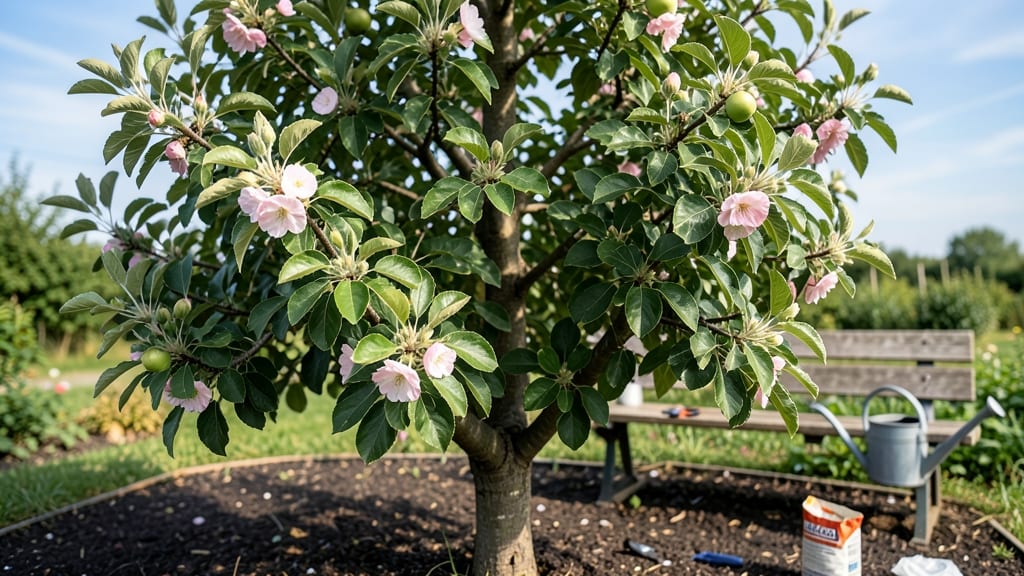
When apple tree flowers burst into bloom, the Pacific Northwest transforms into a frost-resistant hummingbird vineyard—their delicate pink and white blossoms drawing pollinators while defying chilly mornings. ✨ I’ve watched my own trees push through late frosts, their petals unfurling just as the air warms enough for bees to dance between branches.
The secret lies in timing: planting cold-hardy varieties like ‘Enterprise’ or ‘Gala’ gives them an edge against erratic spring weather.
Healthy flowering starts with winter prep: prune in late fall to open the canopy for sunlight, and mulch heavily to protect roots from freeze-thaw cycles. During bloom, avoid heavy nitrogen fertilizers—they push leafy growth at the expense of flowers.
Instead, a light application of phosphorus in early spring signals the tree to focus on blossoms. My trees now produce two to three times more fruit than they did before I adjusted their care routine.
By mid-summer, those same flowers have turned into fruit, but the magic of the blooms isn’t just about harvests—it’s about the vibrant spectacle they create. Hummingbirds hover, bees buzz, and the air fills with the sweet, honeyed scent of petals.
Even failed blooms (like those lost to late frost) teach you which varieties to prioritize next year. The best part? Every pruning cut and frost-defying bloom brings you closer to that perfect orchard moment when your tree laden with fruit proves worth the wait.
For Pacific Northwest gardeners, this means watching bloom times closely—some years, flowers arrive by early April; others, they linger until May. The key is adapting: thin fruit early if branches sag, protect blossoms with row covers if frost threatens, and always choose varieties bred for your climate.
Your tree’s flowering season becomes a yearly ritual, one that rewards patience with both beauty and bounty.
📚 In This Guide
- What you need
- Instructions
- Tips and common mistakes
- Wrapping up and next steps
What you need
- ● Apple tree flowers (or fruit-bearing varieties): Choose Malus species or cultivars like Malus 'Evereste' or Malus 'Red Sentinel' (frost-hardy, 1-3 years old).
- ● Quantity: 3–5 trees (for cross-pollination and better blooms).
- ● Soil amendments: Compost (5–10 gallons per tree).
- ● Well-draining potting mix (for containers) or loamy garden soil (pH 6.0–7.0).
- ● Slow-release fertilizer (10-10-10, 1 lb per tree).
- ● Protective barriers (for young trees): Frost cloth (1–2 sheets, 6x10 ft each).
- ● Burlap or tree guards (2–3 per tree, 4–6 ft tall).
- ● Planting tools: Shovel or trowel (for digging holes 2x wider than the root ball).
- ● Grafting knife (if propagating from cuttings).
- ● Watering & maintenance: Garden hose with adjustable nozzle (or drip irrigation system).
- ● Pruning shears (sterilized, for shaping and deadheading).
- ○ Optional (but helpful!): Hummingbird feeders (2–3, placed 10–15 ft from trees).
- ● Native pollinator plants (e.g., Ceanothus or Symphoricarpos) for companion planting.
- ● Full-sun location (6+ hours of sunlight daily).
- ● Space: 15–20 ft between trees (or 10 ft for dwarf varieties).
- ● Knowledge of your USDA Hardiness Zone (PNW: Zones 7–9).
- ● Patience! Apple trees take 3–5 years to flower fully.
Step-by-Step guide to encouraging abundant apple tree flowers
Here’s how to coax your Pacific Northwest orchard into a hummingbird magnet by nurturing those delicate blossoms.
🌱 Step 1: Prune for Light and Airflow
Start in late winter before buds swell, using sharp pruning shears to remove 10-20% of the tree’s branches. Target crossing limbs, deadwood, and inward-growing shoots—these block sunlight and airflow, which are critical for flower development. Thin the canopy to let 6-8 hours of direct sun reach inner branches, especially in dense varieties like Honeycrisp or Fuji.
Make cuts just outside the branch collar where it meets the trunk. Avoid leaving stubs—these invite disease. You’ll see a difference immediately: pruned trees develop stronger scaffold branches where next year’s flowers will form. For young trees, focus on central leader development to build a sturdy framework for future blooms.
☀️ Step 2: Optimize Pollination Conditions
Apple trees need cross-pollination—plant at least two compatible varieties within 50 feet of each other. In the PNW’s cooler climate, bees and hummingbirds are your best pollinators, but you can help by placing bee houses near the orchard or planting pollinator-friendly perennials like lavender or salvia underneath the trees.
Timing matters: flowers open in late April to early May in the PNW. If frost threatens (below 28°F), drape frost cloth over the tree at dusk. Remove it by 10 AM to allow pollinators access. You’ll know pollination is working when fruit sets appear as tiny green buds 4-6 weeks after flowering. Too few sets? Hand-pollinate with a soft brush on cloudy days when bees are inactive.
💧 Step 3: Balance Water and Fertility
Deep water once a week during bloom (about 15-20 gallons per tree), focusing on the root zone—never the foliage. Overhead watering can damage petals and deter pollinators. Use a soaker hose to keep the soil evenly moist but not soggy. The PNW’s damp climate means you’ll rarely need irrigation, but drought stress (even mild) reduces flower production.
Apply a balanced 10-10-10 fertilizer in early spring (before buds break) and again after harvest. Avoid high-nitrogen fertilizers—they promote leafy growth at the expense of flowers. Instead, use compost or organic matter to improve soil structure. You’ll see healthier blossoms when the tree’s energy shifts from foliage to reproductive growth.
✂️ Step 4: Thin Fruit for Quality Blooms Next Year
After flowers fade, thin fruit to 6-8 inches apart when they’re golf-ball sized. This might seem counterintuitive—after all, you want apples!—but thinning reduces competition for nutrients, allowing the tree to store more energy for next year’s flowers. Remove misshapen or damaged fruit first, then space the rest evenly along branches.
Use sterilized pruners to avoid spreading fire blight, a common PNW disease. If you notice blackened blossom clusters or oozing cankers, prune 6 inches below the infected area and disinfect tools with 70% rubbing alcohol. A well-thinned tree will reward you with more abundant flowers the following spring and higher-quality fruit.
🪴 Step 5: Protect Against Late Bloomers
Some apple varieties (like Granny Smith) are late bloomers, emerging after the frost danger has passed. Others (like McIntosh) bloom early and are vulnerable. To mitigate risk, plant frost-sensitive varieties on southern slopes where warmth lingers longer. Mulch the base with 3-4 inches of wood chips to insulate roots and regulate soil temperature.
Monitor the National Weather Service for frost alerts. If a late frost is forecasted, wrap young trees in burlap or use tree blankets to trap heat. For established trees, smoke pots (filled with straw) can lower temperatures by 5-10°F around the canopy. A little extra care now means fewer lost blossoms and more hummingbirds visiting next year.
Tips & tricks for encouraging abundant apple tree blooms
Here's what I've learned from years of nurturing Pacific Northwest orchards to maximize those delicate blossoms.
Pruning Precision: When removing those 10-20% of branches in Step 1, focus on creating an open vase shape rather than just clearing clutter. This allows sunlight to penetrate all the way to the inner scaffold branches where next year's flowers will form. I always make my cuts just outside the branch collar—this promotes faster healing and reduces disease risk. For young trees, prioritize developing that central leader to establish a strong framework for future blooms.
Pollination Pro Tip: The 4-6 week window after flowering is critical for fruit set. If you notice sparse sets, try hand-pollinating on cloudy days when bees are less active. I've found that using a soft paintbrush to transfer pollen between flowers significantly boosts pollination success. Also, consider planting native pollinator plants like Pacific willow or Oregon grape—these provide early nectar sources that attract pollinators before apple blossoms even open.
Watering Wisdom: That 15-20 gallons per week during bloom is non-negotiable in the PNW's variable climate. I've learned the hard way that even mild drought stress during flowering can reduce bloom quantity by up to 40%. Use a moisture meter to check soil moisture—aim for consistently moist but never waterlogged conditions. The key is deep watering at the root zone rather than surface watering, which can damage delicate petals and deter pollinators.
Frost Protection Strategy: For those 28°F frost warnings, I've found that combining frost cloth with a simple DIY heat source works wonders. Place a 5-gallon bucket filled with warm water near the tree's base—it releases heat slowly and creates a microclimate that can raise temperatures by 3-5°F. For established trees, stringing incandescent light bulbs (not LEDs) above the canopy creates radiant heat that protects blossoms without damaging them.
Pro Tips for Apple Tree Flowers
- Here's what I've learned from years of nurturing Pacific Northwest orchards to maximize those delicate blossoms.
- Pruning Precision: When removing those 10-20% of branches in Step 1, focus on creating an open vase shape rather than just clearing clutter.
- Pollination Pro Tip: The 4-6 week window after flowering is critical for fruit set.
Frequently asked questions
Got questions about apple tree flowers?
You’re not alone! Whether you’re a gardener, a nature lover, or just curious about the Pacific Northwest’s frost-resistant blooms, here are answers to the most common queries.
When do apple tree flowers bloom in the Pacific Northwest?
Apple tree flowers typically bloom in late April to early May in the PNW, depending on frost timing and weather. Early-blooming varieties may appear as soon as March in warmer microclimates, while late varieties can linger into June. Pro tip: Monitor local frost dates—late frosts can damage delicate blossoms!
Why aren’t my apple tree flowers turning into fruit?
Several factors can prevent fruit development: pollination issues (apple trees often need a second variety nearby), frost damage to flowers, or pests/diseases like fire blight. Ensure you have a compatible pollinator variety (e.g., ‘Granny Smith’ + ‘Honeycrisp’) and protect blossoms with frost cloth if frost is forecasted.
How frost-resistant are apple tree flowers in the PNW?
Some apple varieties, like ‘Liberty’ or ‘Enterprise’, are bred for frost tolerance (surviving down to 15–20°F). However, most blossoms can’t handle below 25°F. If frost is predicted, use row covers or overhead sprinklers to create insulation. Timing matters: Water trees before a freeze to boost cold resistance!
Can I grow apple trees just for their flowers?
Many gardeners plant ornamental apple trees (like Malus ‘Evereste’) for their spring blooms, colorful foliage, and fall fruit. These varieties often produce small, tart apples that birds love but aren’t ideal for eating. Bonus: Their fragrant flowers attract pollinators like bees and hummingbirds!
How do I protect apple tree flowers from pests?
Common pests include aphids, codling moths, and apple maggots. Use organic sprays (neem oil, insecticidal soap) early in the season, or introduce beneficial insects like ladybugs. Prune damaged branches promptly to prevent disease spread. Prevention tip: Mulch around the base to deter burrowing pests!
What’s the best time to prune apple trees after flowering?
Prune after fruit set (June–July) to avoid removing next year’s blossoms. Focus on thinning dense branches and shaping the tree for airflow. Warning: Avoid heavy pruning in late summer—it can stimulate late-season growth vulnerable to frost.
Wrapping up and next steps
Watching apple tree flowers bloom in the Pacific Northwest—especially frost-resistant varieties like those in a hummingbird-friendly vineyard—is a true joy for gardeners and nature lovers alike. 🌸 These delicate blooms not only attract pollinators but also promise a bountiful harvest of crisp, flavorful apples.
Whether you're a beginner or a seasoned gardener, embracing these resilient trees can transform your outdoor space into a thriving ecosystem.
Ready to take the next step? Start small—plant a single tree or a few saplings—and observe how they thrive in your local climate. With the right care, you’ll soon be enjoying the beauty of apple blossoms and the satisfaction of homegrown fruit! 🍏