
Pruning
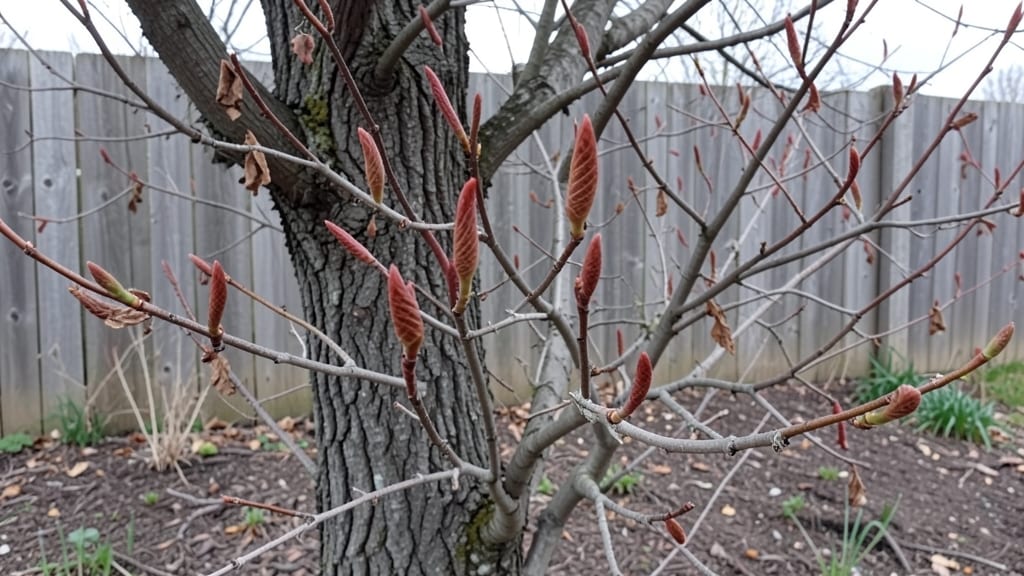
Red maple tree buds hold the secret to next year's vibrant foliage and stunning fall color. 🌿 I’ve watched these tiny green nubs swell into life every spring, knowing they’re the tree’s promise of beauty—and pruning them right ensures that promise never fades.
The timing and technique matter more than most gardeners realize, especially when you’re aiming for those signature red leaves.
These buds form in late summer and winter, but the real magic happens in early spring when they burst with new growth. Pruning at the wrong time can remove next year’s buds entirely, leaving you with sparse branches.
The key is working during dormancy or right after the tree finishes blooming, when the buds are already set but haven’t yet unfurled. A sharp pair of pruners and a clear head make all the difference.
When done correctly, you’ll see fuller canopies, stronger branches, and more dramatic fall colors. The buds themselves become less noticeable as the leaves emerge, but their presence is what keeps the tree thriving.
Focus on removing dead wood and thinning crowded branches—never cut more than 25% of the canopy in one season, or you risk stressing the tree.
Spring is also the best time to spot problems early, like bud blight or pest damage. Healthy buds are plump and green, while infected ones may appear shriveled or discolored.
Addressing issues now prevents them from spreading as the tree wakes up. Let’s get those branches looking their best for seasons to come.
📚 In This Guide
- What you need
- Instructions
- Tips and common mistakes
- Wrapping up and next steps
What you need
- ● Pruning shears – Bypass pruners (for cuts up to ½ inch) or anvil pruners (for thicker branches). Must be sharp!
- ● Loppers – 18- to 24-inch bypass loppers for branches ½ to 2 inches thick.
- ● Pruning saw – Curved-tooth saw for branches over 2 inches in diameter.
- ● Extension pole – 10- to 15-foot telescoping pole with a saw or pruner attachment (for high branches).
- ● Gloves – Heavy-duty, cut-resistant gloves (e.g., leather or synthetic mesh).
- ● Disinfectant – 70% isopropyl alcohol or bleach solution (1 part bleach to 9 parts water) to sterilize tools between cuts.
- ○ Pruning sealant – Optional but helpful for large wounds (e.g., tree wound dressing like Tanglefoot).
- ● Safety gear – Safety glasses, long sleeves, and sturdy shoes (watch for falling branches!).
- ● Ladder – Sturdy, extendable ladder (if your tree is over 10 feet tall).
- ● Marking twine or flags – To tag branches for removal (great for planning!).
- ● Work gloves with grip – For extra comfort if handling sap-heavy branches.
- ● Trash bags – For collecting pruned debris (or a wheelbarrow for hauling!).
- ● Pruning guide or ruler – To measure branch collars accurately.
Step-by-step guide to pruning red maple buds for spring growth
Here's how to encourage vibrant new growth by working with—not against—your tree's natural rhythm.
✂️ Step 1: Time Your Pruning for Dormant Season
Prune your red maple during late winter or early spring, ideally 4-6 weeks before bud break (when you see fat, swollen buds starting to swell). This timing lets the tree heal before new growth begins. I always check for tight, unopened buds—they feel firm to the touch and haven't begun to soften.
Never prune in fall or when buds are already swelling—you'll risk encouraging late-season growth that won't harden off before winter. If you missed the window, wait until late spring after leaf-out, but growth won't be as vigorous.
🌱 Step 2: Identify and Remove Dead or Weak Branches
Start by scanning the tree for branches that are dead (no green bark when scratched), crossing (rubbing against others), or growing inward. These compete with healthy buds and weaken the tree's structure. Use sharp loppers to make clean cuts at the branch collar—the swollen area where the branch meets the trunk.
I always work from the bottom up, removing the easiest targets first. Look for branches with no leaf buds—these are deadwood. For larger branches, cut in three steps: first make an undercut, then a top cut, and finally remove the branch stub. This prevents bark tearing.
☀️ Step 3: Thin the Canopy for Better Light Penetration
Selectively remove branches to open the canopy and let sunlight reach the inner buds. Aim to remove no more than 25% of the tree's foliage in one season—red maples are sensitive to heavy pruning. Focus on branches that block light from reaching the center, where buds often struggle to develop.
Watch for water sprouts—fast-growing, vertical shoots with no buds. These sap-suckers drain energy from your tree. Cut these back to a lateral bud or branch. You'll see healthier bud clusters form where light previously struggled to reach.
⏰ Step 4: Shape for Balance and Airflow
Step back and visualize the tree's natural shape. Red maples grow best with an open, vase-like form that lets light and air circulate. Remove branches that grow straight upward or downward—they create weak attachment points and block airflow.
For each cut, aim to create a balanced silhouette with no heavy clusters on one side. Look for branches that form a 45-degree angle from the trunk—these are ideal for supporting bud development. Avoid "lion-tailing" (cutting back all branches to a single stub), which stresses the tree and reduces bud count.
💧 Step 5: Post-Pruning Care for Healthy Bud Development
Water the base of the tree deeply after pruning to help it recover. Red maples have shallow roots, so soak the soil to a depth of 12 inches. Avoid overwatering—soggy soil encourages root rot, which weakens bud formation.
Apply a 2-3 inch layer of mulch around the tree (but not touching the trunk) to retain moisture and protect roots. I use shredded bark mulch because it breaks down slowly and adds organic matter. Monitor the tree for new bud swell within 4-6 weeks—this confirms your pruning worked.
Tips & tricks for pruning red maple buds
These simple but powerful strategies will help you maximize bud health and tree vitality after pruning.
Timing is Everything: The 4-6 week window before bud break is non-negotiable for red maples. I've learned the hard way that pruning too early (when buds are still dormant) or too late (when they begin swelling) stresses the tree. Check for firm, unopened buds that feel like tiny marbles—this is your perfect cue. If you missed the dormant season window, late spring after leaf-out is your second chance, though growth won't be as vigorous.
Tool Technique Matters: Sharp loppers are your best friend for clean cuts at the branch collar. I always make my cuts in three steps for branches over 2 inches thick: first an undercut, then a top cut, and finally removing the branch stub. This prevents bark tearing, which creates entry points for disease. For larger branches, consider using a pruning saw—just make sure it's clean and sharp to avoid damaging the bark.
Canopy Strategy: Remember that 25% foliage limit? That's not just a number—it's about creating light pathways to your tree's inner buds. I like to visualize the tree's "skeleton" first, removing branches that block light from reaching the center. Water sprouts are particularly sneaky—they look like they're helping but actually drain energy from your tree. Cut these back to a lateral bud to redirect that energy where it's needed most.
Post-Pruning Recovery: That 12-inch deep watering isn't just about hydration—it's about helping your tree recover from the stress of pruning. I always check soil moisture with my finger before watering again in 7-10 days. And don't forget the mulch! A 2-3 inch layer of shredded bark mulch (kept away from the trunk) works wonders for moisture retention and root protection. The new bud swell you should see within 4-6 weeks is your best indicator that your pruning paid off.
Pro Tips for Red Maple Tree Buds
- These simple but powerful strategies will help you maximize bud health and tree vitality after pruning.
- Timing is Everything: The 4-6 week window before bud break is non-negotiable for red maples.
- Tool Technique Matters: Sharp loppers are your best friend for clean cuts at the branch collar.
Frequently asked questions
Got questions about red maple tree buds and pruning?
You’re not alone! Here are answers to the most common queries to help you master springtime pruning like a pro.
When is the best time to prune red maple tree buds for spring growth?
The ideal window is late winter to early spring—before buds swell but after severe cold snaps (typically February–March in most zones). Pruning too early risks frost damage, while waiting too long may stress the tree. Aim for dormant-season pruning to encourage vigorous new growth without inviting pests or disease.
What if I prune too early and the buds are still dormant?
No worries! Pruning dormant buds (when they’re tight and brown) is still effective—just avoid cutting into swollen buds (green or plump), as this signals active growth and can weaken the tree. Think of it like trimming hair before a haircut: less is more for now. Focus on structural cuts and remove dead branches first.
Can I prune red maple buds in summer instead of spring?
Summer pruning is possible, but it’s not ideal for red maples. Heavy summer cuts can trigger excessive sap flow, attract pests, or reduce winter hardiness. If you must prune in summer, limit it to light maintenance (e.g., removing water sprouts) and avoid major structural work. Spring is the gold standard for these trees!
Why are my red maple buds oozing sap after pruning?
Sap oozing is normal for maples—it’s their way of sealing wounds! Use pruning sealant (optional but helpful for large cuts) and avoid over-pruning. If sap turns dark, sticky, or attracts insects, your cuts may be too rough. Always use sharp, clean tools and make cuts at a <45° angle just outside the branch collar for a cleaner heal.
How much can I prune red maple buds without harming the tree?
Follow the 10–20% rule: Never remove more than one-fifth of the tree’s canopy in a single year. For mature red maples, this means targeting dead, diseased, or crossing branches first. Thin out crowded areas to improve airflow—this boosts bud health and reduces future pruning needs. Patience is key!
Wrapping up and next steps
Mastering the art of pruning red maple tree buds in spring isn’t just about shaping your tree—it’s about nurturing its health and beauty for years to come. 🌿 By timing your cuts, using the right tools, and following best practices, you’ll encourage vibrant growth and stunning foliage.
Whether you’re a seasoned gardener or just starting out, every small step makes a big difference!
Ready to give your red maple the care it deserves? Grab your pruners, mark your calendar, and get pruning! Your tree—and your future springtime views—will thank you.