
Trees
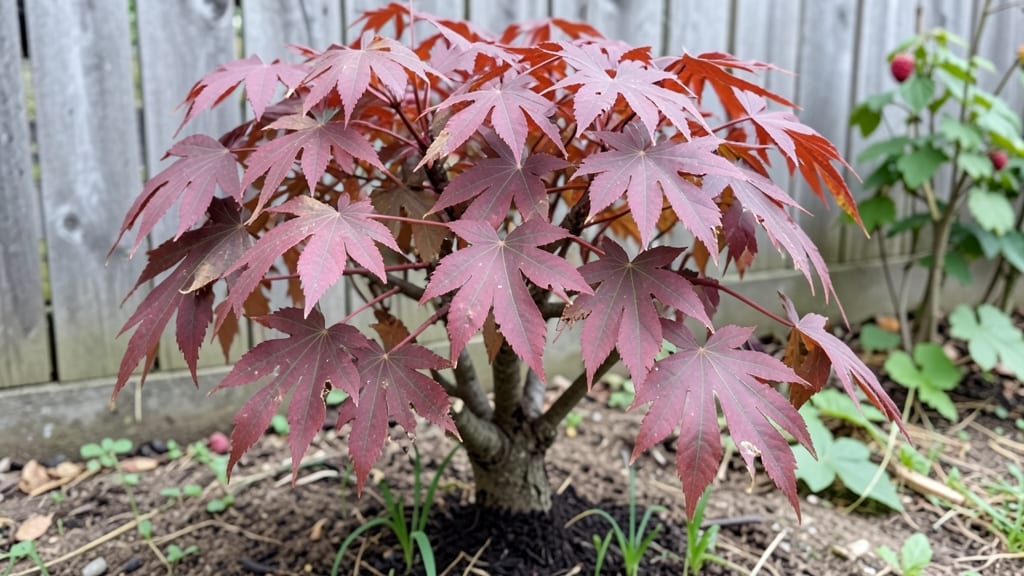
Red-leaved trees turn your garden into a living painting, where every season gets a fresh stroke of bold color. 🌿 I still remember the first time I spotted a fiery red maple casting its glow across my backyard—it wasn’t just a tree, it was a statement.
These trees don’t just survive winter; they thrive, turning snowy landscapes into vibrant canvases while summer brings lush, deep crimson foliage that makes neighbors peek over fences.
They work in any garden style—whether you’re going for a formal English garden with structured hedges or a wild woodland edge where they blend into natural layers.
Pair them with silver-leaved plants like lamb’s ear or dusty miller to make the red pop even more dramatically, or tuck them near pathways where their fall colors create a dramatic walkway. The key is placement: position them where their seasonal shifts become the garden’s centerpiece.
What you’ll love most is how they transform your outdoor space into a year-round show. Spring brings fresh green leaves that slowly deepen to copper, summer delivers that rich, velvety red, and autumn turns the yard into a fiery masterpiece.
Even in winter, their bare branches hold architectural interest—perfect for adding structure to a dormant garden.
Best of all, they’re low-maintenance once planted. Just watch their sunlight needs—most prefer full sun to partial shade—and you’ll have a foolproof way to add drama without the upkeep of annuals. Ready to make your garden unforgettable?
📚 In This Guide
- What you need
- Instructions
- Tips and common mistakes
- Wrapping up and next steps
What you need
- ● Red-leaved tree seedlings or saplings: Choose from varieties like Japanese Maple (Acer palmatum), Red Oak (Quercus rubra), or Smoke Tree (Cotinus coggygria). Quantity depends on your space—start with 1-3 plants for small gardens or 5+ for larger landscapes.
- ● High-quality potting soil or native soil mix: 50 lbs (for planting 1-3 trees). Amend with compost (20 lbs) for nutrient-rich growth.
- ● Organic mulch (cedar or pine): 2-3 bags (3 cu. ft. each) to retain moisture and suppress weeds.
- ● Slow-release fertilizer (balanced 10-10-10 or acidic for evergreens): 1-2 lbs per tree.
- ● Garden tools: Trowel or hand shovel
- ● Garden fork (for loosening soil)
- ● Pruning shears (sterilized)
- ● Watering can or hose with adjustable nozzle
- ● Epsom salt (magnesium sulfate): 1 lb to enhance red foliage in maples.
- ● Tree guards or protective barriers: 2-4 units to shield young trees from pests.
- ● Soil pH test kit: Ensures optimal acidity (especially for Japanese Maples, which prefer pH 5.0-6.5).
- ● Decorative stakes or labels: For identifying varieties in your garden.
- ● Automatic drip irrigation system: 1-2 emitters for consistent moisture in drought-prone areas.
How to select and plant stunning red-leaved trees for year-round drama
Here's how to choose and plant red-leaved varieties that keep your landscape vibrant from spring through winter.
🌱 Step 1: Choose the Right Red-Leaved Species for Your Climate
Start with trees that thrive in your USDA hardiness zone. Japanese maples (Acer palmatum) like 'Bloodgood' or 'Emperor I' handle zones 5-8 beautifully, while smoke trees (Cotinus coggygria) such as 'Royal Purple' shine in zones 3-8. For four-season color, look for cultivars labeled "purple," "red," or "atropurpureum" in their names.
I always check the mature height and spread—some like 'Firefall' maple stay under 15 feet, while others like 'Red Sunset' maple reach 30 feet. Place smaller varieties near patios or entryways where you'll see their fiery foliage daily. Larger specimens make bold focal points in open lawns or near driveways.
🪴 Step 2: Prepare the Planting Site with Proper Soil and Sun
Most red-leaved trees prefer well-draining soil with a slightly acidic to neutral pH (6.0-7.5). Work in 2-3 inches of compost or organic matter into the native soil to improve drainage and fertility. For heavy clay soils, I mix in 1 part sand to 3 parts soil to prevent root rot.
Sunlight needs vary—some like Japanese maples tolerate morning sun with afternoon shade, while others like smoke trees thrive in full sun (6+ hours daily). Observe your site's sun patterns: east-facing spots get harsh afternoon sun, while west-facing areas bake in late-day heat. Choose your tree based on these observations.
☀️ Step 3: Plant at the Correct Depth and Stake for Support
Dig a hole twice as wide as the root ball but no deeper. Place the tree so the top of the root ball sits 1-2 inches above ground level—this prevents soil from settling and smothering the trunk. Gently loosen the roots if they're circling tightly in the container.
Backfill with native soil mixed with compost, tamping lightly as you go to remove air pockets. Water deeply to settle the soil, then add a 2-3 inch layer of mulch (wood chips or bark) around the base, keeping it 6 inches away from the trunk. I always stake young trees in windy areas using two stakes positioned 6 inches from the trunk and tied with soft tree ties—never wire, which can girdle the trunk as it grows.
💧 Step 4: Water Deeply and Establish a Consistent Care Routine
Water deeply 2-3 times per week for the first month, then taper to once a week once established (check soil—it should be dry 2-3 inches down). Red-leaved trees often have smaller leaves than green varieties, so they transpire less water but still need consistent moisture. I use a soaker hose for deep watering to encourage strong root growth.
Fertilize lightly in early spring with a balanced 10-10-10 formula or slow-release organic granules. Avoid high-nitrogen fertilizers—they promote leafy growth at the expense of vibrant color. Prune in late winter to remove dead wood and shape the tree, but never prune when the tree is stressed (like during drought or extreme heat).
✂️ Step 5: Maintain Year-Round Color Through Seasonal Care
In fall, rake up fallen leaves promptly—some varieties like Japanese maples hold their color longer if leaves stay clean. Apply a 2-3 inch layer of mulch in late fall to insulate roots from freezing temperatures. For winter interest, choose cultivars with red bark (like 'Bloodgood' maple) or persistent berries (like 'Royal Purple' smoke tree).
Spring is the time to feed and prune—remove any winter-damaged branches and thin out crowded growth to improve air circulation. Watch for pests like aphids or spider mites, which love tender new growth. A neem oil spray applied in early spring keeps these pests at bay without harming the tree. With proper care, your red-leaved tree will reward you with bold color for decades.
Tips & tricks for perfect red-leaved trees
Here's what I learned after planting and maintaining my own red-leaved trees for years—these tricks will help you avoid common mistakes and get the most vibrant color possible.
Species Selection: Pay attention to the specific cultivar names when choosing your red-leaved trees. For example, 'Bloodgood' Japanese maple holds its deep red color better in heat than 'Emperor I', which fades to purple in summer. I always cross-reference the cultivar name with your local climate zone to ensure year-round color performance. In Step 1, don't just look at the foliage color—check the mature height and spread too. That 15-foot 'Firefall' maple will look stunning near your patio, while the 30-foot 'Red Sunset' needs room to shine as a focal point.
Soil Preparation: The soil amendments in Step 2 are crucial, especially if you have heavy clay soil. I've seen trees struggle in native soil without the 1:3 sand mix—roots need that improved drainage. For extra insurance, I always test my soil pH before planting. Most red-leaved trees prefer that slightly acidic to neutral range (6.0-7.5), but some like azaleas (which also have red foliage) need more acidic soil. A simple soil test kit from your local garden center solves this mystery before you plant.
Planting Depth: That 1-2 inch elevation for the root ball in Step 3 might seem minor, but it's critical. I've seen many trees planted too deep where the trunk buries underground, leading to rot. Use a level to check the height before backfilling. Also, don't skip loosening those circling roots—containers often cause roots to grow in circles, which strangles growth. I use my fingers to gently tease them apart before planting.
Seasonal Care: The fall mulching in Step 5 deserves special attention. That 2-3 inch layer isn't just for looks—it insulates roots from winter temperature swings. I've found that mulching in late fall (after the first frost) gives better protection than spring mulching. For winter interest, look for cultivars with red bark or persistent berries like 'Royal Purple' smoke tree. These features provide visual interest even when leaves fall.
Pro Tips for Red Leaved Trees
- Here's what I learned after planting and maintaining my own red-leaved trees for years—these tricks will help you avoid common mistakes and get the most vibrant color possible.
- Species Selection: Pay attention to the specific cultivar names when choosing your red-leaved trees.
- Soil Preparation: The soil amendments in Step 2 are crucial, especially if you have heavy clay soil.
Frequently asked questions
Got questions about keeping your red-leaved trees vibrant and healthy? Here are some of the most common ones—and their answers!
Why do some red-leaved trees lose their color in summer?
Many red-leaved trees, like Japanese maples or dwarf ninebarks, naturally shift to green in summer to maximize photosynthesis. The deep reds return in fall and winter. If your tree stays green year-round, it might be due to too much sunlight or over-fertilization with nitrogen-heavy feeds. Try moving it to partial shade or adjusting your fertilizer to a low-nitrogen, high-potassium blend.
How long does it take for red foliage to develop?
Newly planted red-leaved trees may take 1–3 years to fully express their color, depending on the species. For example, Copper Beech trees often show vibrant hues within a year, while Bloodgood Japanese Maple may take a few seasons. Patience is key—consistent watering and well-draining soil speed up the process.
Can I plant red-leaved trees in full sun?
It depends! Some varieties, like Royal Purple Smoke Tree or Emerald Gaiety Maple, thrive in full sun, while others (e.g., Crimson Queen Maple) prefer partial shade to retain their color. Always check the specific care tag or consult a local nursery. If your tree’s leaves fade in harsh sun, consider dappled shade or a lightweight shade cloth during peak afternoon heat.
How often should I water red-leaved trees?
Newly planted trees need deep watering 2–3 times per week for the first year, while established ones require watering only during drought or extreme heat. Overwatering can cause root rot, so ensure soil drains well. A good rule: Water until the soil is moist 6 inches deep—test with your finger! Mulch around the base (but not touching the trunk) to retain moisture.
What should I do if my red-leaved tree’s leaves turn brown or crispy?
Brown or crispy leaves usually signal underwatering, overwatering, or sunburn. First, check the soil moisture—if it’s dry, water deeply; if it’s soggy, let it dry out. For sunburn, move the tree to a shadier spot or prune affected branches. If the issue persists, test for pests (like spider mites) or disease and treat accordingly. Most trees bounce back with proper care!
Wrapping up and next steps
Red-leaved trees are a showstopper in any landscape, offering bold color and year-round interest—whether their fiery foliage burns bright in autumn or their deep hues add drama in winter. From low-maintenance Japanese maples to hardy red oak varieties, these trees prove that beauty isn’t seasonal. 🌿✨
Ready to transform your outdoor space? Start small with a single statement tree or plan a full seasonal palette. Visit your local nursery, sketch a design, and watch your garden bloom with color—one leaf at a time!