
Planting
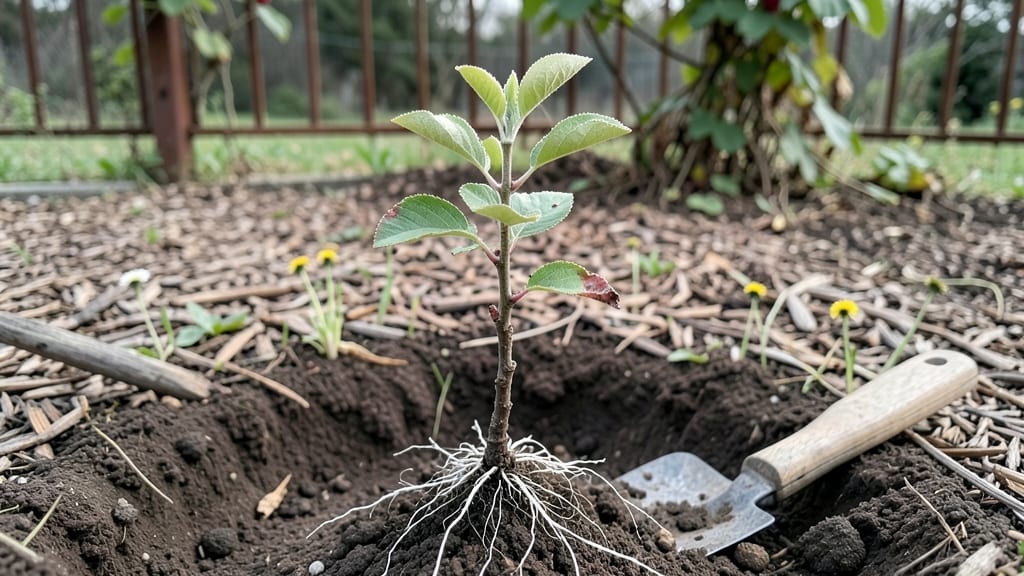
Planting tree seedlings right means stronger roots and happier trees for decades. I’ve watched my own saplings struggle when planted too deep or crowded—until I learned the simple rules that make all the difference. The secret isn’t fancy tools or rare soil; it’s getting the basics right from day one.
Start with loose, well-draining soil and dig holes twice as wide as the root ball but only as deep as the container. Water deeply before planting to settle the roots, then backfill gently to avoid air pockets.
For deciduous trees, mulch with 2-3 inches of organic material, keeping it away from the trunk. Evergreens need extra care—plant them slightly deeper than container level to protect their roots from drying out.
After planting, water thoroughly again and stake only if needed (young trees in windy areas). The first few weeks are critical—keep soil moist but not soggy. Within a year, you’ll see sturdy growth, not the weak stems that come from poor planting.
This method works for shade trees, fruit trees, or even ornamental varieties.
Season matters too: spring and early fall give seedlings the best chance to establish before extreme weather. Avoid planting in summer heat or winter frost. With these steps, your trees will grow strong, not struggle. Let’s get those seedlings in the ground the right way!
📚 In This Guide
- What you need
- Instructions
- Tips and common mistakes
- Wrapping up and next steps
What you need
- ● Tree seedlings: 1–10+ (depending on your project—choose healthy, disease-free specimens with strong roots).
- ● Shovel or trowel: A round-point shovel (for digging holes) or a hand trowel (for smaller seedlings).
- ● Measuring tape or ruler: To ensure holes are the correct depth (2–3x the root ball) and width.
- ● Garden gloves: Protect your hands from dirt, thorns, or sharp tools.
- ● Watering can or hose with a gentle nozzle: For deep, slow watering (avoid splashing soil away).
- ○ Mulch (optional but recommended): 2–4 inches of organic mulch (wood chips, straw, or pine needles) to retain moisture and suppress weeds.
- ○ Fertilizer (optional): A balanced, slow-release fertilizer (e.g., 10-10-10) or compost to boost early growth.
- ○ Stakes & ties (optional for young trees): 1–2 stakes per seedling (if planting in windy areas) and soft tree ties.
- ● Location: Pick a spot with full sun to partial shade (check your tree species’ needs!). Ensure it’s at least 10–20 feet away from structures or power lines.
- ○ Soil test (optional but helpful): Test pH and nutrient levels to amend soil if needed (most trees prefer slightly acidic to neutral soil (pH 6.0–7.5)).
- ● Weather check: Plant on a cool, cloudy day (or early morning/late afternoon) to reduce stress on seedlings.
- ● Local regulations: Check if you need permits for planting near property lines or in public spaces!
Step-by-Step guide to planting tree seedlings
Here’s how I’ve planted dozens of seedlings—strong roots start with the right technique.
Choose the Right Location and Prepare the Soil
Pick a spot with 6+ hours of sunlight daily and space for mature growth. Dig a hole twice as wide as the root ball but only as deep as the container’s base—planting too deep suffocates roots. Loosen the soil at the bottom of the hole with a shovel or your hands to encourage root spread.
Mix the native soil with 2-3 inches of compost (if not already in your soil). This improves drainage and nutrients without overwhelming young roots. Tap the hole’s sides gently to settle the soil before planting—you’ll see the walls firm up slightly, which prevents sinking later.
Remove the Seedling and Inspect Roots
Gently squeeze the container’s sides to loosen the root ball, then slide the seedling out. If roots spiral tightly around the container, use your fingers to tease them outward—this prevents girdling as the tree grows. Trim any broken or blackened roots with clean shears, but leave healthy ones intact.
Check the root system for signs of stress like mushy roots (overwatered) or dry, brittle roots (underwatered). If the root ball is dry, soak it in water for 10-15 minutes before planting. You’ll know it’s ready when water runs out the bottom without pooling.
Plant the Seedling and Backfill Carefully
Place the seedling in the hole so the top of the root ball sits 1 inch above ground level. This prevents soil from settling later and burying the trunk, which causes rot. Hold it straight and fill the hole with soil, tamping lightly every 2 inches to remove air pockets.
Water deeply until the soil settles, then add more soil if needed to maintain that 1-inch elevation. Avoid compacting the soil too firmly—you want it firm enough to support the seedling but loose enough for roots to penetrate. A gentle pat with the back of a trowel works best.
Water and Mulch for Long-Term Support
Water the seedling immediately after planting to help settle the soil and eliminate air gaps. Use 1-2 gallons of water, depending on the seedling size, and let it soak in completely. You’ll see the soil around the edges darken slightly—this means water reached the roots.
Spread 2-3 inches of mulch (like wood chips or straw) around the base, keeping it 6 inches away from the trunk to prevent rot. Mulch retains moisture and regulates soil temperature, but too much against the trunk traps dampness and invites disease. Water lightly after mulching to help it settle.
Stake and Protect for Stability
Drive a stake 3-4 inches into the ground on the side most exposed to wind. Tie the seedling to the stake with a soft, stretchy material like tree tie or old fabric strips—never use wire, which can cut into the bark as the tree grows. The tie should hold the seedling upright without squeezing.
If planting in late fall or early spring, protect the seedling from temperature swings. Wrap the trunk with burlap or a tree guard for the first winter, and remove it in early spring once new growth appears. Avoid heavy pruning now—just focus on keeping the seedling stable and hydrated.
Tips & tricks for planting tree seedlings
Here's what I've learned from planting dozens of seedlings—these small details make all the difference for strong, healthy growth.
Soil Preparation Secret: In Step 1, when you're loosening the soil at the bottom of the hole, go a little deeper than you think you need. Roots naturally grow downward first, and that extra space gives them room to establish before spreading outward. Think of it like giving your tree's roots a head start in their new home.
Root Handling Technique: Step 2 is where most mistakes happen. After teasing out those spiraled roots, don't be tempted to trim healthy ones—even if they look messy. Healthy roots are like nature's shock absorbers, helping the seedling handle wind and temperature changes. Only cut what's clearly damaged or blackened, and use clean shears to prevent disease.
Watering Wisdom: The 10-15 minute soak you do before planting isn't just about hydration—it's a test. If water runs out the bottom immediately, the roots are ready. If it pools at the top, you need to soak longer. This quick check tells you exactly when the roots have absorbed enough moisture to handle transplant shock.
Mulching Mistake to Avoid: In Step 4, when you're spreading that 2-3 inches of mulch, resist the urge to pile it right against the trunk. That 6-inch gap is crucial—it prevents what gardeners call "trunk rot" by allowing air to circulate. I've seen too many seedlings fail because of this simple oversight, so mark that 6-inch radius with a small stake if you need to remember.
Pro Tips for Plant Tree Seedlings
- Here's what I've learned from planting dozens of seedlings—these small details make all the difference for strong, healthy growth.
- Soil Preparation Secret: In Step 1, when you're loosening the soil at the bottom of the hole, go a little deeper than you think you need.
- Root Handling Technique: Step 2 is where most mistakes happen.
Frequently asked questions
Got questions about planting tree seedlings? You’re not alone! Here are some of the most common concerns—plus quick, actionable answers to help you plant with confidence.
How deep should I plant a tree seedling?
Dig a hole twice as wide as the root ball but only as deep as the container’s base. Planting too deep can suffocate roots, while too shallow means poor stability. Loosen the soil around the edges to encourage root spread.
When is the best time to plant tree seedlings?
Spring (after the last frost) or early fall (4–6 weeks before the first frost) are ideal. Avoid extreme heat or cold—root systems need time to establish without stress. Check your local frost dates for precision!
How often should I water newly planted seedlings?
Water deeply 2–3 times per week for the first month, then taper to 1–2 times weekly. Mulch around the base (but not touching the trunk) to retain moisture. Overwatering can drown roots—always check soil moisture before watering.
Can I plant a seedling in a container instead of the ground?
Yes! Use a large pot (at least 18 inches deep) with drainage holes and well-draining soil. Containers are great for urban spaces, but move seedlings outdoors in winter if temps drop below freezing. Rotate pots regularly for even growth.
What should I do if my seedling’s leaves turn yellow?
Yellow leaves often signal overwatering, underwatering, or nutrient issues. Check soil moisture and adjust watering. If roots are exposed, replant deeper. For nutrient deficiencies, use a balanced fertilizer (like 10-10-10) sparingly—follow package instructions!
Do I need to prune my seedling before planting?
Only prune dead, broken, or diseased branches. Avoid heavy pruning—it stresses the tree. Focus on removing any tags or ties from the root ball to prevent girdling as it grows.
Wrapping up and next steps
Planting tree seedlings is a rewarding way to contribute to the environment while adding beauty and value to your space! 🌱 By following the right steps—choosing healthy seedlings, preparing the soil, and giving them proper care—you’ll set them up for strong, thriving growth. Remember, patience is key: regular watering and monitoring will ensure your young trees flourish into majestic giants.
Now that you’re ready to plant, take the next step! Share your progress with fellow gardeners, track your tree’s growth over time, or even plant a few more to create a mini forest. Every seedling makes a difference—happy planting! 🌿