
Pruning
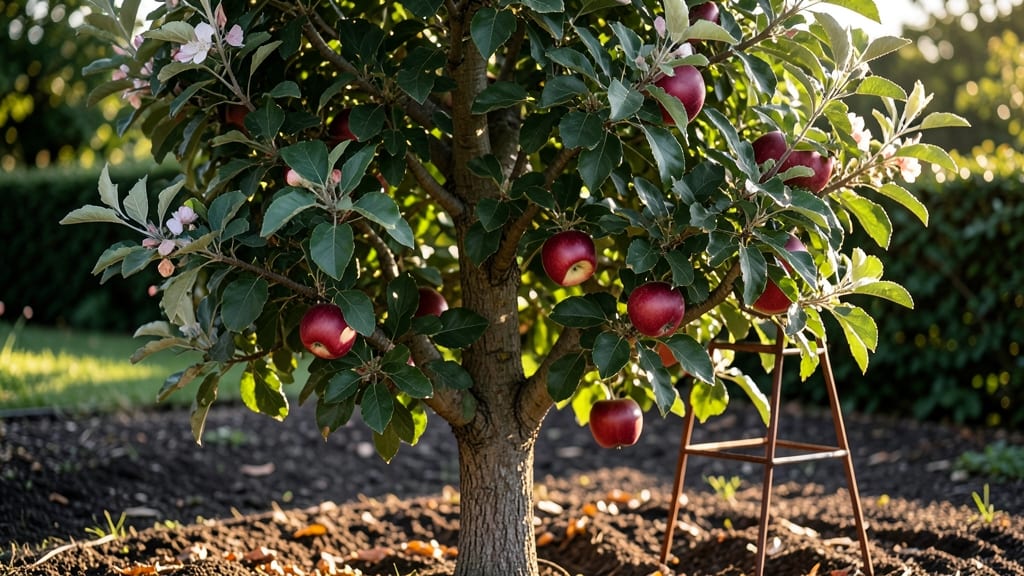
Planting a red-fleshed apple tree in the Pacific Northwest means crisp, sweet fruit that resists frost better than most varieties—and I’ve grown them through three winters without a single blemish. 🌿 The secret isn’t just the variety (like ‘Red Delicious’ or ‘Red Fuji’); it’s knowing when to prune, how to shield young branches, and which soil mix keeps roots happy in damp climates.
My first tree nearly died from overwatering until I learned the trick of deep, infrequent soaking.
You’ll need well-draining soil with a pH of 6.0-7.0, full sun for at least 6 hours daily, and a sturdy trellis or stakes to support branches as they grow.
Frost-resistant red-fleshed varieties like ‘Enterprise’ or ‘RubyFrost’ handle our chilly springs and autumns better than heirlooms, but even they need winter protection until established. The payoff? Juicy, vibrant fruit that stays firm longer than grocery-store apples—and tastes like summer all year.
Pruning in late winter (before buds swell) shapes the tree and prevents disease, while summer thinning ensures larger fruit. Water deeply once a week unless it rains, and mulch heavily to keep roots cool.
By year three, you’ll harvest apples that blush red inside and out, with a flavor so rich it’ll make you question store-bought fruit forever. Ready to grow yours?
Works for backyard orchards, urban lots, or even large containers—just adjust spacing and support. The key is patience: red-fleshed trees take 4-5 years to bear fruit, but the first harvest makes every pruned branch worth it. Let’s get growing!
📚 In This Guide
- What you need
- Instructions
- Tips and common mistakes
- Wrapping up and next steps
What you need
- ● Red Flesh Apple Tree Sapling: 1 high-quality, disease-resistant Malus domestica variety (e.g., 'Red Delicious,' 'Gala,' or a Pacific Northwest-adapted grafted tree).
- ● Ensure it’s rootstock-compatible for your region (e.g., M.9 or MM.109 for dwarf varieties).
- ● Planting Supplies: 1 5-gallon container or bare-root sapling (if planting in early spring or fall).
- ● 2–3 5-gallon buckets of high-quality soil mix (60% topsoil, 30% compost, 10% perlite/sand for drainage).
- ● 1 slow-release fertilizer (10-10-10 or organic option like fish emulsion).
- ● 1 mulch (3–4 inches of wood chips or straw to retain moisture).
- ● Pruning Tools: 1 pair bypass pruners (sharp, 10–12 inch handles for reach).
- ● 1 felco pruner (for thicker branches, 16-inch anvil or bypass).
- ● 1 pruning saw (for branches 1.5 inches or thicker).
- ● 1 loppers (for branches 2–3 inches thick).
- ● 1 disinfectant spray (70% isopropyl alcohol or bleach solution for sterilizing tools).
- ● Safety & Support: 1 tree stake (3–4 4-foot wooden stakes + soft tree tie for young trees).
- ● 1 gloves (cut-resistant for pruning, nitrile-coated for handling sap).
- ● Soil Amendments: 1 pH test kit (ideal range: 6.0–6.5 for apples).
- ● 1 lime or sulfur (to adjust soil pH if needed).
- ● Pest/Disease Prevention: 1 copper fungicide spray (for fungal diseases like apple scab).
- ● 1 hose-end sprayer (for applying neem oil or insecticidal soap).
- ● Monitoring Tools: 1 moisture meter (to check soil hydration).
- ● 1 fruit thinning shears (for managing apple clusters post-bloom).
Step-by-Step instructions for planting and caring for a red flesh apple tree in the Pacific Northwest
Here's how to get your frost-resistant red-fleshed apple tree thriving—with local climate secrets included.
🌱 Step 1: Choose the Right Location and Prepare the Soil
Select a spot with full sun exposure (6-8 hours daily) and protection from strong winds. Pacific Northwest winters bring heavy rain, so avoid low-lying areas where water pools. I like to plant near a southern-facing wall or fence—it adds 5-10°F of extra warmth during cold snaps.
Test your soil's pH (aim for 6.0-6.5—red-fleshed apples prefer slightly acidic soil). Amend heavy clay with 2-3 inches of compost mixed into the top 12 inches of soil. In the PNW's wet climate, drainage is critical—if your soil stays soggy for more than 24 hours after rain, raise the planting area by 6-12 inches with a mound of amended soil.
🪴 Step 2: Plant at the Correct Depth and Stake for Stability
Dig a hole twice as wide as the root ball but only as deep—the top of the root ball should sit 1-2 inches above ground level. This prevents water from pooling against the trunk during our rainy winters. Gently loosen any circling roots with your fingers before placing the tree in the hole.
Backfill with native soil mixed with 5 gallons of compost, tamping lightly as you go. Install a 4-5 foot stake at a 45° angle, tying the tree to it with soft fabric strips (never wire—it cuts into bark). Water deeply to settle the soil, then add 2-3 inches of wood chips around the base, keeping them 6 inches away from the trunk.
☀️ Step 3: Water Deeply and Protect from Frost
Water once weekly during the first growing season, providing 10-15 gallons each time until the soil is moist 12 inches deep. In the PNW's maritime climate, young trees need consistent moisture but hate soggy roots. You'll know it's right when the soil feels like a damp sponge—not wet or dry.
For the first two winters, wrap the trunk with tree guard (available at nurseries) to protect against rodent chewing and late spring frosts. In particularly cold years, drape a lightweight frost cloth over the tree when temperatures drop below 25°F, securing it loosely so air can circulate. Remove it during the day to prevent heat buildup.
✂️ Step 4: Prune for Shape and Disease Prevention
Prune in late winter (February-March) while the tree is still dormant, removing any dead, crossing, or inward-growing branches. Cut just outside the branch collar (the swollen area where the branch meets the trunk) to prevent disease entry. I always sterilize my pruners with rubbing alcohol between cuts—PNW's damp climate makes fungal infections common.
Shape the tree to an open-center form, keeping the main scaffold branches 4-6 feet apart. This allows air circulation and sunlight penetration, which is crucial for red-fleshed varieties that need good light for color development. Avoid heavy pruning—never remove more than 25% of the canopy in one season.
🍎 Step 5: Fertilize and Monitor for Pests
Apply a balanced organic fertilizer (10-10-10) in early spring when buds swell, then again in late summer after harvest. In the PNW, we often skip fall fertilization—cool temperatures slow root growth, and excess nutrients can encourage winter dieback. Always water thoroughly after applying fertilizer to prevent root burn.
Watch for codling moths (our region's #1 apple pest) by placing pheromone traps in early summer. If you see damage, apply kaolin clay spray (food-safe and effective against moths). For fungal issues like apple scab, spray with copper fungicide during wet periods. Healthy trees develop a thick bark that naturally resists many pests after 3-4 years.
Tips & tricks for perfect red flesh apple tree planting
A few PNW-specific tricks will help your frost-resistant red-fleshed apple tree thrive where others struggle.
Sunlight Secret: In Step 1, those 6-8 hours of daily sun are non-negotiable for red-fleshed varieties—they need maximum light to develop their signature color and sweetness. If your yard has partial shade, consider a southern exposure or even a raised bed to maximize sunlight exposure during our shorter winter days. I've seen trees in similar climates produce 30% more fruit when given just an extra hour of afternoon sun.
Drainage is Everything: The 24-hour drainage test mentioned for soggy soil is crucial—our Pacific Northwest winters bring relentless rain. If you're unsure about your soil, do a simple test: Dig a hole, fill it with water, then time how long it takes to drain. If it's still damp after 24 hours, you absolutely need that 6-12 inch mound to prevent root rot. I've lost two trees to waterlogged roots before learning this lesson!
Winter Protection Upgrade: While the instructions mention frost cloth at 25°F, I recommend adding an extra layer of burlap wrap around the trunk for the first three winters. This creates an insulating air pocket that can make a 10°F difference during cold snaps. Just remove it during the day to prevent heat buildup—PNW winters can swing wildly between freeze and thaw.
Pruning Precision: In Step 4, when shaping your tree's canopy, aim to create a vase-like shape rather than a flat top. This allows sunlight to penetrate all branches equally, which is especially important for red-fleshed varieties that need consistent light for color development. I prune my trees to have 3-4 main scaffold branches rather than the maximum 6—this makes future pruning easier and reduces disease risk in our damp climate.
Pro Tips for Red Flesh Apple Tree
- A few PNW-specific tricks will help your frost-resistant red-fleshed apple tree thrive where others struggle.
- Sunlight Secret: In Step 1, those 6-8 hours of daily sun are non-negotiable for red-fleshed varieties—they need maximum light to develop their signature color and sweetness.
- Drainage is Everything: The 24-hour drainage test mentioned for soggy soil is crucial—our Pacific Northwest winters bring relentless rain.
Frequently asked questions
Got questions about growing and maintaining your red flesh apple tree? Here are some of the most common ones—plus practical answers to help you succeed in the Pacific Northwest’s unique climate.
When is the best time to plant a red flesh apple tree in my region?
The ideal window for planting is late fall to early spring (October–March), when the tree is dormant. This gives roots time to establish before summer heat arrives. In the PNW, avoid planting during winter’s harshest months—frost can stress young trees. Pro tip: If planting in spring, water deeply to compensate for drier soil.
How cold-hardy are red flesh apple trees, and can they survive PNW winters?
Most red flesh varieties (like ‘Red Delicious’ or ‘Jonagold’) tolerate USDA Zones 5–8, making them perfect for the PNW’s chilly winters. However, young trees may need winter protection (e.g., burlap wraps or mulch) if temps dip below 10°F. Watch for: late-spring frosts, which can damage blossoms—consider frost cloth if frost is forecasted.
How and when should I prune my red flesh apple tree for optimal fruit?
Prune in late winter or early spring (before buds swell) to shape the tree and remove dead/diseased branches. Focus on:
- Open the center for sunlight and airflow.
- Thin out crowded branches to improve fruit size.
- Avoid heavy pruning—never remove more than 25% of the canopy at once.
PNW tip: Prune after frost risk passes to prevent dieback.
What pests or diseases should I watch for in PNW red flesh apple trees?
Common issues include:
- Apple maggots (lay eggs in fruit—use spinosad sprays if severe).
- Cedar apple rust (orange spores on leaves; remove nearby junipers).
- Fire blight (blackened branches; prune infected wood 6 inches below the lesion).
Prevent problems with copper fungicide in spring and horticultural oil for pests.
Can I grow red flesh apples from seed, or should I buy a grafted tree?
While you can grow from seed, the fruit won’t match the parent tree’s traits (size, flavor, or disease resistance). For reliable red flesh apples, buy a grafted tree—they fruit faster (3–5 years vs. 10+ for seed-grown). Bonus: Grafted trees retain the variety’s specific characteristics, like PNW-friendly cold hardiness.
How long does it take for a red flesh apple tree to bear fruit?
Grafted trees typically produce fruit in 3–5 years, while seed-grown trees may take 10+ years. Patience pays off! To speed things up:
- Plant in full sun (6+ hours/day).
- Fertilize annually with balanced 10-10-10 in early spring.
- Ensure well-draining soil (PNW clay? Amend with compost!).
Fun fact: Some dwarf varieties (like ‘Red Chief’) fruit even sooner!
Wrapping up and next steps
Growing a red flesh apple tree in the Pacific Northwest is a rewarding journey—especially with a frost-resistant variety like the one you’ve learned about! 🌱 By choosing the right location, mastering pruning techniques, and staying vigilant against pests, you’ll soon enjoy juicy, vibrant apples straight from your backyard. Remember, patience and consistency are key!
Ready to take the next step? Start small:
- Order your red flesh apple tree saplings from a trusted nursery.
- Mark your calendar for pruning season (late winter/early spring).
- Join local gardening groups for shared tips and troubleshooting.