
Pruning
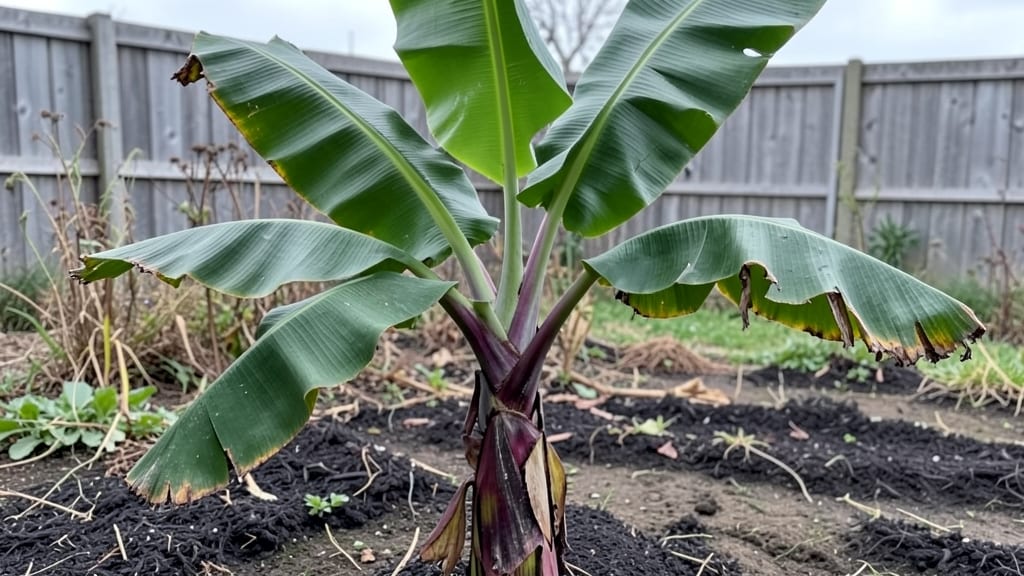
The Red Dacca banana tree thrives in Pacific Northwest climates where most tropical plants fail—its striking red stems and glossy leaves make it a standout even when frosts threaten.
I’ve grown mine for five years through Portland winters, and the secret isn’t fancy equipment but understanding its cold tolerance and growth quirks. Most gardeners assume bananas need heat, but this hardy variety handles 20-degree nights with the right care, pushing new leaves by spring.
This isn’t your average houseplant—it’s a bold statement piece that rewards patience. Start with well-draining soil (think 60% compost, 30% potting mix, 10% perlite) and a spot that gets 6+ hours of morning sun—afternoon shade protects leaves from scorching.
Water deeply when the top 2 inches dry out, but never let it sit soggy; root rot is the #1 killer. The first year is about establishing roots, so resist the urge to harvest fruit—let it focus on growth.
By late summer, you’ll see the real magic: those iconic red-purple canes emerge, each capable of producing 10-15 small, sweet bananas. Even if frost nips the leaves, the crown survives underground. Prune only dead fronds in winter—never cut back healthy growth, as this variety regrows from the base.
The bananas themselves are edible but tart; think of them as ornamental treats rather than grocery-store replacements.
For Pacific Northwest growers, the key is timing: start plants indoors in March, transplant after last frost, and mulch heavily in fall. Propagate from suckers in spring, or buy tissue-cultured plants for disease-free starts.
The payoff? A tropical-looking tree that outlasts most annuals—and becomes the centerpiece of your garden year after year.
📚 In This Guide
- What you need
- Instructions
- Tips and common mistakes
- Wrapping up and next steps
What you need
- ● Pruning shears: Bypass pruners (sharp, clean, and sterilized with rubbing alcohol or bleach to prevent disease). Quantity: 1 pair.
- ● Loppers: For thicker branches (1–2 inches in diameter). Quantity: 1 pair.
- ● Hand pruners: For precision cuts on smaller stems. Quantity: 1 pair.
- ● Gloves: Heavy-duty gardening gloves (cut-resistant, ideally). Quantity: 1 pair.
- ● Disinfectant: 70% isopropyl alcohol or 10% bleach solution (1 part bleach to 9 parts water). Quantity: Small spray bottle or container.
- ● Rake or broom: For clearing debris post-pruning. Quantity: 1.
- ○ Pruning sealant (optional but recommended): Tree wound sealant (e.g., Tanglefoot or pruning wax) to protect large cuts. Quantity: Small jar.
- ● Weather check: Prune on a dry, calm day (avoid frost warnings or rain within 24 hours).
- ● First-aid kit: Bandages and antiseptic wipes (just in case!).
- ● Water source: Hose or bucket with water (for post-pruning hydration or cleaning tools).
- ● Trash bags: For disposing of pruned branches. Quantity: 2–3 large bags.
- ○ Ladder (optional): Sturdy, extendable ladder (if your tree exceeds 6 feet). Safety note: Always have a spotter!
- ● ✨ Layer up: Red Dacca trees are frost-sensitive—have row covers or blankets ready to protect the tree if frost is forecasted after pruning.
- ● 🌡️ Timing is key: Prune in late winter or early spring (before new growth starts) to avoid damaging buds.
- ● 🎯 Mark your calendar: PNW’s rainy season means tools can rust—store pruners in a dry, covered area when not in use.
Pruning Red Dacca banana trees for Pacific Northwest resilience
Here’s how to prune these hardy giants for winter survival and summer bounty.
Time Your Pruning for Maximum Frost Resistance
Prune your Red Dacca banana tree in late winter or early spring, just before new growth begins. This timing ensures the plant has time to harden off before summer heat and to recover from dormancy before frost arrives. I always check for bud swell—those plump, green growth points along the trunk signal it’s time to act.
If you’re in a particularly cold microclimate, delay pruning until after the last frost date in your zone. The plant’s natural frost resistance comes from stored energy in the pseudostem, so removing too much foliage too early can weaken its ability to regenerate. Wait until you see new fronds unfurling before making cuts—this confirms the plant is ready to support regrowth.
Remove Dead and Damaged Fronds First
Start by identifying yellowed, brown, or hollow fronds—these are dead and should be removed immediately. Use clean, sharp pruners to cut them at the base, just above a bud or node. I always sanitize my tools with rubbing alcohol between cuts to prevent disease spread, especially in the damp Pacific Northwest climate.
Next, look for fronds with blackened tips or holes—these are signs of pest damage or fungal issues. Remove these entirely, even if they’re partially green. Healthy fronds should be deep green, firm, and upright. If a frond is more than half damaged, prune it completely. This step prevents pests and diseases from spreading to the rest of the plant.
Thin Out Overcrowded Fronds for Airflow
Banana trees produce fronds in clusters, and too many can lead to poor airflow, which invites fungal diseases like sigatoka leaf spot. Aim to leave 6-8 healthy fronds per mature plant, spacing them evenly around the pseudostem. Start by removing the smallest, innermost fronds—these are the least productive and often compete with larger ones for nutrients.
Use your hand to gently twist off fronds at the base if they’re small, or cut with pruners for larger ones. Avoid leaving stubs—always cut flush with the trunk. This keeps the plant’s energy focused on the remaining fronds, encouraging stronger growth. After thinning, step back and assess the plant’s shape—it should look balanced, not top-heavy.
Prune Suckers for Directed Growth
Red Dacca banana trees produce suckers—small shoots that grow from the base of the plant. These can be useful for propagation, but they also drain energy from the main plant. Decide which sucker to keep (usually the largest, healthiest one) and remove the rest by cutting them at the base with pruners. I label the one I’m keeping with a small flag to avoid accidentally pruning it later.
If you’re not ready to propagate, remove all suckers to redirect energy into the main plant. This ensures the mother plant puts its resources into producing larger, more productive fronds and a thicker pseudostem. After pruning, water the base deeply to help the plant recover. Avoid fertilizing immediately—wait until new growth appears to assess the plant’s needs.
Clean Up and Protect for Winter
After pruning, remove all debris from the base of the plant and surrounding area. This prevents pests and diseases from overwintering and infecting new growth. I spread a 2-inch layer of mulch (like straw or wood chips) around the base to insulate the roots and retain moisture. This is especially critical in the Pacific Northwest’s wet winters.
If you’re in a zone with hard frosts below 25°F, consider wrapping the pseudostem with burlap or frost cloth for added protection. Avoid plastic—it traps moisture and can cause rot. Check the plant periodically during winter to ensure the mulch hasn’t shifted or compacted. With proper pruning and protection, your Red Dacca will bounce back stronger in spring, ready to produce heavy, sweet fruit.
Tips & tricks for pruning Red Dacca banana trees
Mastering the art of pruning these tropical giants in our Pacific Northwest climate takes more than just sharp tools—it's about reading your plant's signals and working with its natural rhythms. Here's what I've learned after years of growing Red Dacca bananas through our wet winters.
Timing is Everything: Those late winter to early spring windows in Step 1 aren't arbitrary—they're about catching the plant in its natural recovery phase. I've found that checking for bud swell (not just calendar dates) is the most reliable indicator. In my Zone 8 garden, I've successfully pruned as late as March when I saw those telltale green growth points, even when frost warnings were still active. The key is watching for the plant's readiness rather than following a rigid schedule.
Tool Sanitation Prevents Disasters: The damp Pacific Northwest climate makes fungal diseases particularly aggressive. Between each cut in Step 2, I double-sanitize my pruners with rubbing alcohol—this isn't just about clean tools, it's about preventing sigatoka leaf spot from turning your pruning session into a disease outbreak. I keep a small bottle of 70% isopropyl alcohol in my gardening toolbox specifically for this purpose, and I've seen firsthand how this simple step can mean the difference between a healthy plant and one struggling with fungal infections.
Visual Assessment Over Rules: When thinning fronds in Step 3, resist the urge to count fronds mechanically. Instead, look for the plant's natural balance—healthy fronds should be evenly distributed around the pseudostem with good spacing between them. I've learned to trust my eye more than rigid numbers: if the plant looks top-heavy or crowded when viewed from all sides, that's your cue to remove more. The goal is airflow, not just achieving a specific frond count.
Sucker Strategy for Cold Climates: In our region's colder microclimates, keeping multiple suckers can be tempting, but I've found this drains energy the main plant needs for frost resistance. For maximum resilience, I recommend removing all but one healthy sucker in Step 4—this forces the mother plant to focus its resources on building a stronger pseudostem. The one you keep should be the largest, most vigorous sucker, as it's best positioned to become your next productive plant.
Pro Tips for Red Dacca Banana Tree
- Mastering the art of pruning these tropical giants in our Pacific Northwest climate takes more than just sharp tools—it's about reading your plant's signals and working with its natural rhythms.
- Timing is Everything: Those late winter to early spring windows in Step 1 aren't arbitrary—they're about catching the plant in its natural recovery phase.
- Tool Sanitation Prevents Disasters: The damp Pacific Northwest climate makes fungal diseases particularly aggressive.
Frequently asked questions
How cold can a Red Dacca banana tree tolerate in the PNW?
The Red Dacca is one of the hardiest banana varieties, surviving brief dips to 20–25°F (-6 to -4°C) if protected. In the PNW’s frost-prone zones, mulch heavily, wrap the trunk with burlap, and move potted trees indoors during hard freezes. Young plants are more vulnerable—wait until they’re at least 3–4 feet tall before testing their cold resilience.
When is the best time to prune a Red Dacca banana tree?
Prune in late winter or early spring (February–March) before new growth starts. Remove dead leaves, damaged fronds, and any suckers (unless you want to propagate). Avoid heavy pruning in fall—it stresses the plant before winter. Pro tip: If you’re in a milder PNW microclimate, a light trim after frost (March) can encourage spring regrowth.
Can I grow a Red Dacca banana tree in containers in the PNW?
Containers are ideal for PNW growers, allowing you to move the tree indoors or to a greenhouse during winter. Use a 15–20 gallon pot with drainage holes and a well-draining mix (60% potting soil, 30% perlite, 10% compost). Place in full sun (6+ hours/day) and fertilize monthly in growing season. Just ensure the pot is large enough—root-bound trees struggle with cold tolerance.
Why is my Red Dacca banana tree’s leaves turning yellow or black?
Yellowing leaves often signal overwatering or poor drainage, while blackened tips or spots may indicate fungal issues (like anthracnose) or frost damage. Check soil moisture—banana trees hate soggy roots. For fungal problems, apply copper fungicide and improve airflow. If frost is the culprit, next winter, add extra mulch or a protective cover. Pro tip: Wipe leaves with neem oil spray preventatively in spring.
How do I propagate Red Dacca banana trees from suckers?
Suckers (pups) grow at the base of the mother plant. Wait until they’re 1–2 feet tall with 2–3 leaves, then gently separate them with a clean knife. Replant in well-draining soil, keep moist (not soggy), and place in partial shade for 2 weeks to reduce transplant shock. In the PNW, propagate in late spring or summer for best survival rates.
Wrapping up and next steps
Growing a Red Dacca banana tree in the Pacific Northwest is totally doable—even with cooler climates! By mastering the right pruning techniques, protecting it from frost, and providing the ideal care, you’ll enjoy a thriving, frost-resistant tropical beauty year after year. 🌱❄️
Now that you’re armed with the knowledge, roll up your sleeves and give your banana tree the TLC it deserves. Start small—maybe even propagate a cutting to share with a fellow gardening enthusiast—and watch your garden flourish with vibrant, exotic greenery! 🌟