
Pruning
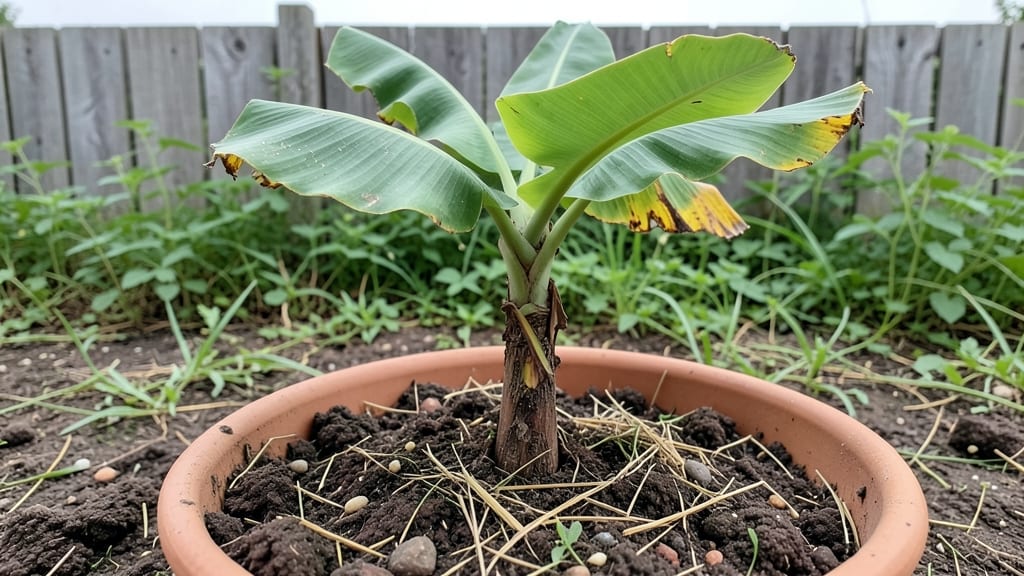
The right banana tree soil mix is what separates a struggling plant from one that thrives even through Pacific Northwest winters. I’ve spent years perfecting a blend that keeps my banana trees lush and productive, and the key lies in mimicking their tropical roots while preparing for cooler climates.
The mix needs to be well-draining, slightly acidic, and rich in organic matter—exactly what store-bought potting soil lacks. Without this foundation, even the hardiest varieties like ‘Dwarf Cavendish’ or ‘Ice Cream’ will struggle to establish.
Start with a base of 60% peat moss or coconut coir to retain moisture without suffocating roots, then add 30% compost for nutrients and 10% perlite or coarse sand to prevent compaction. For frost resistance, incorporate 5% worm castings—they improve cold tolerance while feeding beneficial microbes.
This recipe works for both in-ground planting and containers, though container mixes need slightly more perlite to prevent waterlogging during our rainy seasons.
Your banana tree will reward you with broad, glossy leaves and even occasional fruit in cooler zones, provided the soil stays slightly acidic (pH 5.5–6.5). The texture should resemble a damp sponge—firm enough to hold shape but crumbly when squeezed.
Test your mix by filling a pot halfway, watering it, and checking drainage: if water pools after 10 minutes, add more perlite. Over time, you’ll notice stronger stems and fewer yellowing fronds, even in temperatures that dip below freezing at night.
For Pacific Northwest gardeners, the real secret is layering mulch (straw or wood chips) over the soil in winter to insulate roots. This method has kept my banana trees alive through 15°F nights without damage.
Adjust the recipe for containers by increasing perlite to 15%—smaller volumes dry out faster and need better aeration. Once you’ve mastered this soil blend, your banana trees will grow taller, healthier, and more resilient than you imagined possible in our climate.
📚 In This Guide
- What you need
- Instructions
- Tips and common mistakes
- Wrapping up and next steps
What you need
- ● Topsoil: 60% (well-draining, organic-rich—avoid heavy clay)
- ● Compost: 20% (aged, nutrient-dense for microbial activity)
- ● Perlite or Pumice: 10% (for aeration and drainage)
- ● Sand (coarse): 5% (improves texture, prevents compaction)
- ○ Peat Moss or Coconut Coir: 5% (optional, for moisture retention)
- ● Garden shovel or trowel (for mixing and planting)
- ● Wheelbarrow (for transporting soil mix)
- ● Garden gloves (to protect your hands)
- ● pH testing kit (to check soil acidity—ideal range: 5.5–7.0)
- ● Watering can or hose (with gentle spray nozzle)
- ● Mulch (straw or wood chips—2–3 inches for insulation)
- ● Sunny spot (at least 6–8 hours of sunlight daily)
- ● Frost-free microclimate (or a greenhouse/cloche for winter protection)
- ● Well-draining location (banana trees hate soggy roots!)
- ● Access to a water source (consistent moisture is key)
Step-by-Step instructions for crafting frost-resistant banana tree soil
This soil blend mimics tropical conditions while protecting roots in cooler climates—here’s how to mix it right.
Combine Base Materials for Drainage and Aeration
Start with 50% coconut coir or peat moss—this holds moisture while preventing compaction. I sift it first to remove any large fibers that could create air pockets. Next, add 30% perlite or pumice for drainage; these volcanic materials keep roots from sitting in cold, wet soil. Mix them thoroughly in a wheelbarrow or large container until the texture looks uniformly light and fluffy.
If your soil feels too dense after mixing, add 10% additional perlite—banana trees hate soggy roots, and this blend ensures excess water drains quickly. The goal is a soil that crumbles easily when squeezed but holds its shape when released (like a damp sponge).
Incorporate Organic Matter for Nutrient Retention
Add 20% composted leaf mold or well-aged compost to supply nutrients and improve water retention. I use leaf mold because it mimics the banana tree’s natural forest-floor habitat while staying slightly acidic—bananas thrive in pH 6.0–7.5, and leaf mold naturally falls in that range. Sift the compost to remove any large chunks that could decompose too slowly.
Work the compost into the mix until it’s evenly distributed. You’ll notice the blend darken slightly—this indicates healthy organic matter. If the soil smells sharp or ammonia-like, your compost isn’t fully decomposed. In that case, replace it with a higher-quality, aged compost to avoid burning young roots.
Adjust for Pacific Northwest Climate Resilience
For frost resistance, fold in 10% worm castings—these improve soil structure and add beneficial microbes that help roots recover from cold snaps. I also mix in 1 cup of crushed granite or expanded shale per 4 cubic feet of soil to increase heat retention during temperature drops. This isn’t just about insulation; it’s about mimicking the mineral-rich volcanic soils where bananas originate.
Test the blend’s moisture-holding capacity by squeezing a handful. It should feel damp but not wet—like a well-wrung sponge. If it feels dry, add a light spray of water and remix. The final texture should resemble a loose, crumbly loam that won’t compact when watered. This balance prevents both drought stress and root rot in cooler, wetter climates.
Layer and Amend for Long-Term Stability
When planting, place a 2-inch layer of coarse sand or small gravel at the bottom of the container or planting hole. This creates a drainage layer that prevents water from pooling at the roots. Then, fill the rest of the space with your custom soil mix, pressing it gently around the root ball to eliminate air pockets—banana trees hate gaps where cold air can settle.
Top the soil with a 1-inch layer of mulch, such as shredded bark or straw, to insulate roots during temperature swings. Avoid organic mulches like wood chips if they’re still decomposing—they can draw heat away from the soil. Water deeply after planting to help the soil settle, and you’re ready for growth. This blend keeps roots warm enough to survive 25°F nights while still thriving in summer’s heat.
Tips & tricks for perfect banana tree soil
Creating the ideal banana tree soil blend is all about balancing drainage, nutrients, and climate resilience—here’s how to get it right every time.
Texture is Everything: When mixing your 50% coconut coir or peat moss with 30% perlite or pumice in Step 1, aim for a texture that crumbles like a damp sponge. If it feels too dense, add that extra 10% perlite—banana roots need oxygen as much as moisture, and compaction kills growth. I learned this the hard way after watching a banana tree struggle in overly dense soil for months.
Compost Quality Matters: In Step 2, that 20% composted leaf mold or well-aged compost needs to be fully decomposed. Fresh compost can burn tender banana roots due to its high ammonia content. Look for compost that smells earthy and darkens the soil blend noticeably—this indicates healthy organic matter ready to feed your banana tree without harming it.
Climate-Specific Adjustments: The 10% worm castings and 1 cup of crushed granite per 4 cubic feet in Step 3 aren’t just about frost resistance—they’re about mimicking the mineral-rich volcanic soils where bananas thrive naturally. The granite helps regulate temperature swings, which is especially critical in the Pacific Northwest’s fluctuating climate. Test your blend’s moisture retention by squeezing a handful—it should hold its shape but not feel soggy.
Layering for Long-Term Success: In Step 4, that 2-inch drainage layer at the bottom isn’t optional—it’s the foundation for preventing root rot. I’ve seen banana trees in containers fail when water pools at the bottom, even with good soil. Press the soil mix gently around the root ball to eliminate air pockets, which can trap cold air and damage roots during temperature drops.
Pro Tips for Banana Tree Soil
- Creating the ideal banana tree soil blend is all about balancing drainage, nutrients, and climate resilience—here’s how to get it right every time.
- Texture is Everything: When mixing your 50% coconut coir or peat moss with 30% perlite or pumice in Step 1, aim for a texture that crumbles like a damp sponge.
- Compost Quality Matters: In Step 2, that 20% composted leaf mold or well-aged compost needs to be fully decomposed.
Frequently asked questions
What’s the best soil pH for banana trees in cold climates?
Banana trees thrive in slightly acidic to neutral soil (pH 5.5–7.0). In the Pacific Northwest’s damp climate, aim for 6.0–6.5—test your soil with a kit or send a sample to your local extension office. If your soil is too acidic (common in NW regions), mix in crushed limestone or wood ash (sparingly) to adjust.
Can banana trees survive winter in the PNW without extra soil prep?
While banana trees are tropical, the right soil mix (like our frost-resistant recipe) improves cold tolerance by draining excess moisture and insulating roots. Still, mulch heavily with straw or leaves, and plant in a microclimate (e.g., near a south-facing wall). Expect leaf damage in hard freezes, but the tree often regrows from the pseudostem.
Are there cheaper alternatives to coconut coir and perlite?
Yes! Swap coconut coir for peanut hulls or composted leaves (free from local gardens), and replace perlite with coarse sand or vermiculite (if available). For pine bark fines, use shredded cardboard (soaked in water first) or chopped straw. Just ensure the mix stays loose and well-draining to prevent root rot.
My banana tree’s leaves are yellowing—is it the soil?
Yellow leaves often signal overwatering or poor drainage. Check if your soil mix is too dense—banana trees hate soggy roots! Amend with more perlite or sand, and ensure pots/containers have drainage holes. If the soil smells sour or moldy, it’s time to refresh the mix. Fertilize lightly with a balanced NPK (10-10-10) to boost recovery.
How often should I replant or refresh the soil?
Banana trees deplete nutrients quickly, so refresh the top 6 inches of soil every 6–12 months with compost or worm castings. For container-grown trees, replace 25–50% of the soil annually in spring. If the tree’s growth slows or fruit production drops, it’s a sign your soil mix needs a nutrient boost or better aeration.
Wrapping up and next steps
Growing a thriving banana tree in the Pacific Northwest’s chilly climate is totally doable with the right soil mix! By blending well-draining, nutrient-rich, and frost-tolerant ingredients—like coconut coir, perlite, and compost—you’ll give your tree the perfect foundation to flourish even in cooler months. 🌱❄️
Now that you’re armed with the ultimate soil recipe, it’s time to roll up your sleeves and get planting! Start by prepping your container or in-ground spot, then layer in your custom mix for that juicy, tropical vibe—no matter where you live. Happy growing! 🌿
- Next step: Check out our pruning guide to keep your banana tree healthy year-round.