
Pruning
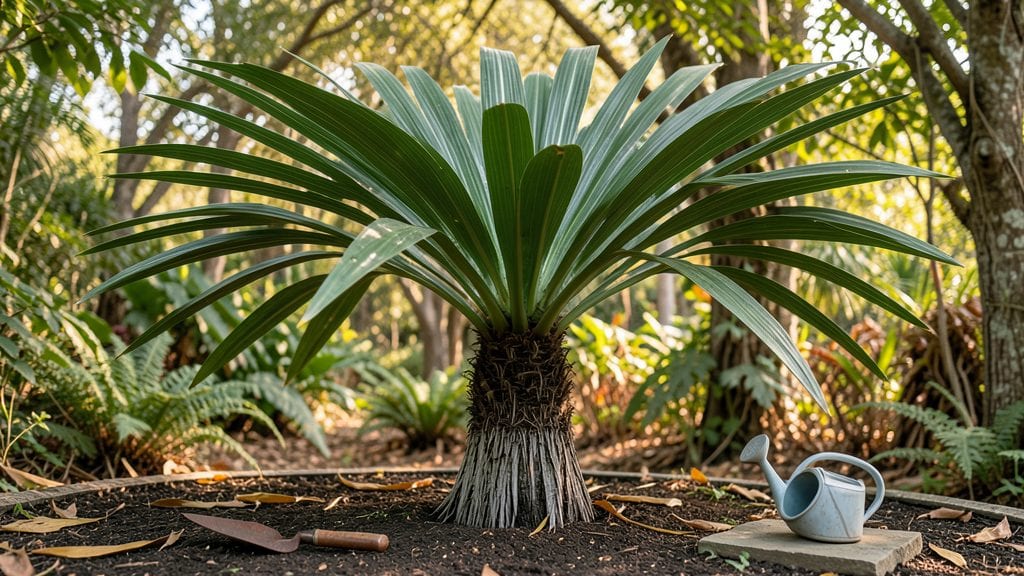
Pruning your ravenea palm tree unlocks its signature fan-shaped fronds and keeps it thriving in the Pacific Northwest’s damp winters. I’ve learned that this tropical beauty—often called the traveler’s palm—actually handles our climate better than many think, as long as you prune correctly.
The key is timing: remove dead fronds year-round, but hold off on heavy cuts until spring when new growth kicks in.
You’ll need sharp bypass pruners, rubbing alcohol for sterilizing cuts, and a clear day to avoid fungal risks. Ravenea palms are forgiving, but they reward precision: always cut at the base of the frond where it meets the trunk, never leaving stubs.
This keeps the plant looking clean and encourages fresh, vibrant growth from the center.
What you’ll end up with is a palm that stays lush even through our rainy seasons, with fronds that unfurl in stunning symmetry. The secret is balancing removal of old growth with letting the plant breathe—too much pruning stresses it, while too little lets dead fronds collect moisture and pests.
Think of it like giving your palm a spa day: trim, clean, and let it shine.
This method works for both container-grown palms and those planted in the ground, though potted ravenea palms need slightly more frequent checks. Whether you’re dealing with a young plant or a mature specimen, the same principles apply—just adjust the scale. Ready to transform that ragged-looking palm into a showstopper?
📚 In This Guide
- What you need
- Instructions
- Tips and common mistakes
- Wrapping up and next steps
What you need
- ● Pruning shears: Sharp, bypass-type shears (for clean cuts on small fronds). Recommended: Felco F-2 or similar (1 pair).
- ● Pruning saw: A curved-tooth saw (for thicker stems or dead fronds). Recommended: Fiskars or Corona brand (1 saw).
- ● Ladder: A sturdy, extension ladder (20–30 ft) with non-slip feet (rent or buy). Safety note: Ensure it meets OSHA standards for height.
- ● Heavy-duty gloves: Cut-resistant gloves (e.g., Mechanix or similar) to protect hands from sharp fronds (1 pair).
- ● Disposable pruning bags: Large, heavy-duty bags (5–10 gallon capacity) for debris collection (3–5 bags).
- ● Disinfectant: 70% isopropyl alcohol or bleach solution (1:10 ratio) to sterilize tools and prevent disease (1 bottle/spray).
- ● Rope or bungee cords: For securing fronds during removal (10–15 ft of rope).
- ● Work boots: Steel-toe or composite-toe boots for foot protection (1 pair).
- ● Pole pruner: For high branches (e.g., Fiskars Extendable Pruner).
- ● Safety glasses: To shield eyes from debris.
- ● Respirator mask: If pruning in dusty conditions (e.g., N95 mask).
- ● Hose or spray bottle: To rinse tools and clean cuts.
- ● Garden twine: For temporary support if the tree is unstable.
- ● Camera: To document before/after progress (because #GardenGoals!).
Step-by-step guide to pruning your Ravenea palm tree
Revitalize your palm's growth with these precise, climate-tailored techniques.
Assess the Palm's Health and Growth Pattern
Begin by examining your Ravenea palm from all sides, looking for brown fronds, yellowing leaves, or any signs of pest activity. Pacific Northwest's damp climate can encourage fungal issues, so focus on fronds that show more than 50% browning—these are ready for removal. Healthy fronds should have vibrant green color and firm texture.
Identify the growth pattern by locating the oldest fronds at the base and the newest at the top. Ravenea palms grow in a fan shape, so you'll want to maintain that symmetrical look. Use a notebook to sketch a quick diagram if needed—this helps track which fronds to prune in future sessions. I always prune in late winter or early spring, just before new growth begins.
Gather the Right Tools for Clean Cuts
Never use regular scissors or garden shears—they crush stems and leave ragged cuts that invite disease. Instead, grab your sharp bypass pruners or a pruning saw for thicker stems. Disinfect your tools with rubbing alcohol before and after pruning to prevent spreading any potential pathogens lurking in your palm's crevices.
Wear gloves to protect your hands from the palm's sharp fronds and any hidden pests. I also recommend having a bucket of soapy water nearby to dispose of pruned fronds—this helps contain any pests you might disturb during the process. Work on a dry day when humidity is low to minimize the risk of fungal infections.
Remove Dead or Damaged Fronds at the Base
Start with the easiest cuts—the dead fronds. Grasp a brown frond near its base and gently wiggle it to see if it detaches easily. If it comes off cleanly, you're ready to make your cut. Angle your pruners at a 45-degree angle, cutting just above the point where the frond meets the trunk. This prevents water from pooling and causing rot.
For fronds that are still somewhat green but clearly dying, make your cut where the frond's color changes from green to brown. Avoid leaving stubs—clean cuts heal faster and look better. If you encounter a frond that's still mostly green but damaged, leave it for now unless it's obstructing new growth. Ravenea palms are forgiving, but over-pruning stresses the plant.
Thin Out Crowded Fronds for Better Airflow
Now focus on improving airflow by removing any fronds that are growing too close together. Look for fronds that overlap significantly or block light from reaching the center of the palm. These are prime candidates for thinning. Start with the outer fronds and work your way inward, always making your cuts at the base where the frond meets the trunk.
Thinning isn't just about aesthetics—it's crucial for preventing fungal issues in our damp climate. Aim to leave about 2-3 inches of space between fronds at maturity. You'll notice the palm's center becomes more open, allowing better light penetration and air circulation. This step is especially important if your palm has been growing in a shaded area for too long.
Clean Up and Monitor for New Growth
After pruning, dispose of all removed fronds immediately to prevent pests from returning. Wipe down your tools again with alcohol and store them properly. Give your palm a thorough inspection for any signs of pests like spider mites or scale insects, which are more visible after pruning. If you spot any, treat them promptly with neem oil or insecticidal soap.
Over the next few weeks, watch for new fronds to emerge from the top of the palm. Healthy new growth should appear within 4-6 weeks, especially if you pruned in early spring. Keep the soil consistently moist but not soggy during this time—your palm will be directing energy toward new growth rather than maintaining old fronds. This is when you'll see the real benefits of your pruning efforts.
Tips & tricks for pruning your Ravenea palm tree
A few simple techniques will help you transform your palm's appearance and health with minimal effort.
Timing is Everything: Late winter or early spring is the absolute best time to prune your Ravenea palm. This aligns perfectly with the plant's natural growth cycle, giving it the full growing season to recover and produce new fronds. I've found that pruning in February or March gives my palm the best chance to show off vibrant new growth by summer. This timing also helps avoid fungal issues that can develop when pruning too late in the season.
Tool Preparation Matters: Before you even touch a frond, make sure your tools are ready. I can't emphasize this enough—disinfecting your pruners with rubbing alcohol before and after each cut is crucial in our damp Pacific Northwest climate. I keep a small bottle of alcohol in my gardening toolbox specifically for this purpose. Sharp tools make clean cuts, which heal faster and look better. Dull tools crush stems and create openings for pathogens to enter.
Visual Cues for Perfect Cuts: When making your cuts, look for the natural color transition point where the frond changes from green to brown. This is where you should make your cut for the most natural appearance. For healthy but crowded fronds, aim to leave about 2-3 inches of space between remaining fronds at maturity. This spacing improves airflow and light penetration, which is especially important in our shaded gardens. You'll notice the palm's center opens up beautifully when you achieve this spacing.
Post-Pruning Care: After you've finished pruning, don't just toss those fronds in the compost. Place them in a sealed bag and dispose of them immediately to prevent any pests from returning to your palm. I've learned this the hard way—once I left pruned fronds near my palm for several days, and within a week, I had a spider mite infestation. Also, keep the soil consistently moist but not soggy for the first 4-6 weeks after pruning to encourage new growth.
Pro Tips for Ravenea Palm Tree
- A few simple techniques will help you transform your palm's appearance and health with minimal effort.
- Timing is Everything: Late winter or early spring is the absolute best time to prune your Ravenea palm.
- Tool Preparation Matters: Before you even touch a frond, make sure your tools are ready.
Frequently asked questions
Got questions about pruning your Ravenea palm tree in the Pacific Northwest? You’re not alone!
Here are answers to the most common concerns—from timing to troubleshooting—so you can keep your tropical beauty thriving year-round.
When is the best time to prune a Ravenea palm tree in the PNW?
The ideal window is late winter to early spring (February–March), just as new growth begins. Avoid pruning during extreme heat or cold—PNW’s mild winters make this a safer bet. Pro tip: If you spot dead fronds year-round, trim them immediately to prevent pests or disease.
Can I prune my Ravenea palm tree in winter?
While light pruning (removing only dead or damaged fronds) is safe in winter, avoid heavy cuts. Cold snaps (below 20°F) can stress the tree. If you must prune, do it on mild, dry days and protect the crown with a breathable burlap wrap if frost is forecasted.
How do I know if I’m over-pruning my Ravenea palm?
Over-pruning shows up as yellowing fronds, stunted growth, or exposed trunk. The rule: Never remove more than 1/3 of the fronds at once. Ravenea palms grow slowly—think of pruning as maintenance, not a haircut. If you’ve trimmed too much, fertilize with palm-specific food and monitor for recovery.
Why are bugs showing up after I pruned my Ravenea palm?
Fresh cuts attract pests like palm weevils or spider mites. To prevent infestations:
- Sterilize tools with rubbing alcohol between cuts.
- Seal cuts with pruning sealant (optional for Ravenea).
- Inspect soil—dampness breeds pests. Ensure proper drainage!
Should I prune my Ravenea palm before PNW rain season?
Wait until after the first heavy rains (typically late fall/winter) to let the tree recover. Pruning before rain can delay healing and invite fungal issues. If you must trim, do it on a dry, wind-free day and avoid water pooling near the trunk.
What’s a good alternative if my Ravenea palm is too large to prune safely?
If your tree is tall or in a tight space, consider:
- Hiring a professional with palm-pruning experience (PNW arborists know Ravenea’s quirks!).
- Topping (last resort): Cut the crown to reduce height, but expect less regrowth than other palms.
- Container pruning: If potted, trim fronds indoors to avoid wind damage.
Wrapping up and next steps
The Ravenea palm tree thrives in the Pacific Northwest’s unique climate when given the right care—especially strategic pruning! By following the year-round tips shared here, you’ll keep your palm healthy, encourage lush growth, and protect it from pests or harsh weather.
Remember, patience and consistency are key, so don’t rush the process.
Ready to level up your palm care game? 🌿 Start by scheduling a quick check-in with your tree every few months, and soon, you’ll be rewarded with a stunning, vibrant Ravenea that’s the envy of the neighborhood! Happy pruning!