
Pruning
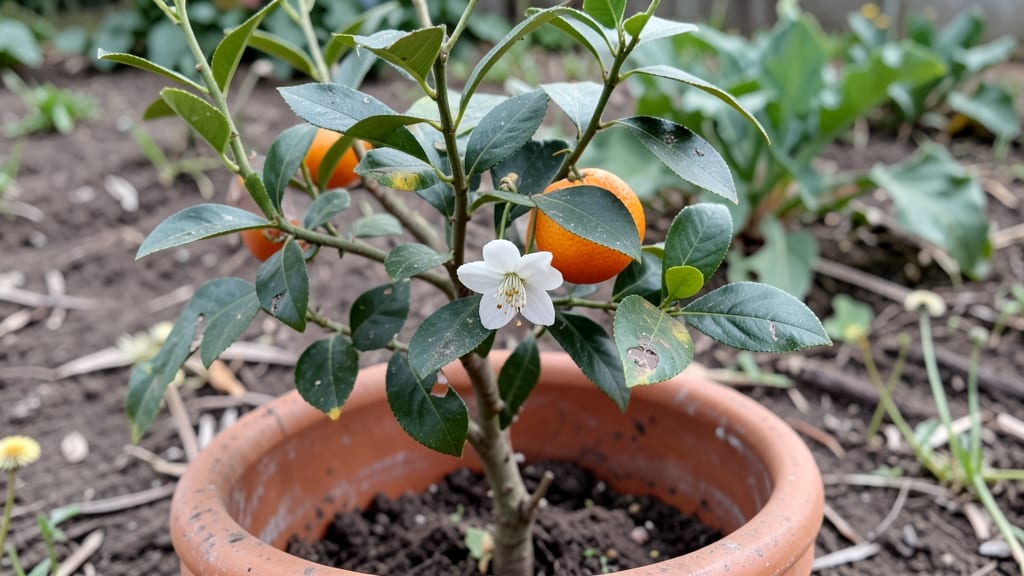
Growing a pygmy orange tree in the Pacific Northwest feels like cheating—these frost-resistant citrus varieties actually thrive where lemons and limes would freeze. 🌱 I’ve watched mine survive winters with just a little winter care, and the fragrant blossoms in spring make every effort worth it.
The key is treating it like a tender perennial, not a tropical plant. You’ll need a sheltered spot with 6+ hours of sunlight, well-draining soil mixed with compost, and a 5-gallon container for flexibility if frost hits.
Unlike full-size citrus, these stay compact—perfect for patios or large pots you can roll indoors when needed.
By summer, you’ll be harvesting tiny, intensely sweet oranges that taste like sunshine. The secret? Consistent watering (but never soggy soil) and a balanced citrus fertilizer every 6 weeks.
Prune in late winter to shape the tree and remove dead wood, and watch it rebound with fresh green growth that smells like a Mediterranean grove.
Even in rainy climates, these trees handle humidity better than most citrus. The biggest challenges—leaf drop from overwatering or spider mites—are easy to fix once you know the signs. With the right care, your pygmy orange tree could outlive you (and probably taste better than store-bought).
📚 In This Guide
- What you need
- Instructions
- Tips and common mistakes
- Wrapping up and next steps
What you need
- ● Pygmy orange tree (dwarf variety, like Citrus × aurantium ‘Pygmy’ or Citrus × clementina ‘Pygmy’—ensure it’s labeled frost-hardy or potted for mobility).
- ● Pruning shears (bypass pruners, sharp and sterilized, for clean cuts).
- ● Hand pruners (for smaller branches, 1-2 pairs recommended).
- ● Loppers (for thicker branches, 1 pair, 8-12" cutting capacity).
- ● Disinfectant (70% isopropyl alcohol or 1 part bleach to 9 parts water for sterilizing tools).
- ○ Pruning sealant (optional but helpful for larger cuts, latex-based preferred).
- ● Gloves (nitrile or leather, 1 pair, to protect from thorns and sap).
- ● Bucket or bag (for collecting pruned branches, 5-gallon size or larger).
- ● Sharpie or pruning marker (for labeling cuts if needed).
- ● Frost protection plan: Potted trees must be movable or have frost cloths (1-2 blankets) on hand.
- ● Well-draining soil: Mix 1 part potting soil with 1 part perlite for potted trees.
- ● Sunlight access: Ensure your tree gets 6+ hours of sunlight daily (even in PNW’s shorter days).
- ● Watering schedule: Keep soil consistently moist but not soggy (especially post-pruning).
- ● ✨ Sterilize tools before and after pruning to prevent disease spread.
- ● 🔪 Use sharp tools—dull blades tear bark, inviting pests.
- ● 🌡️ Prune in late winter/early spring (before new growth starts) for best results.
Step-by-step guide to planting and caring for pygmy orange trees
Here's how to grow a thriving, frost-tolerant citrus tree in your Pacific Northwest garden.
🪴 Step 1: Select the Right Container and Planting Site
Pygmy orange trees thrive in containers, which makes them perfect for your climate. Choose a 5-gallon pot with drainage holes—this size gives roots room to grow while keeping the tree manageable. Place it in a location that gets at least 6-8 hours of sunlight daily, ideally near a south-facing window or patio if growing outdoors in cooler months.
If planting in the ground, pick a sheltered spot where winter winds won’t scorch the leaves. The tree’s shallow roots need well-draining soil—amend heavy garden soil with compost to improve aeration. Avoid low-lying areas where cold air pools, as even frost-resistant varieties can suffer damage in prolonged cold snaps.
🌱 Step 2: Plant and Establish Your Tree
Remove the tree from its nursery pot and loosen the roots gently if they’re circling. Place it in the container or hole so the root flare (where roots meet the trunk) sits 1 inch below the soil line. Fill around the roots with moistened potting mix or amended garden soil, pressing lightly to remove air pockets. Water deeply until it drains from the bottom.
Mulch the surface with 2-3 inches of organic mulch (like bark or straw) to retain moisture and protect roots from temperature swings. Keep the mulch 2 inches away from the trunk to prevent rot. The first few weeks are critical—water whenever the top inch of soil feels dry, but avoid soggy conditions that lead to root rot.
☀️ Step 3: Protect from Frost and Provide Year-Round Care
Even though Pygmy orange trees tolerate brief dips to 15°F, prolonged cold or unexpected freezes can damage leaves and fruit. In winter, move containers to a garage or sheltered porch where temperatures stay above 25°F. If planted in the ground, wrap the trunk with burlap and cover with a frost blanket when nighttime temps drop below 30°F. Remove covers on warm days to prevent overheating.
Fertilize lightly in early spring with a balanced citrus fertilizer (like 6-6-6) to encourage new growth. Reduce watering in fall to signal dormancy, but keep soil slightly moist—never let it dry out completely. Prune in late winter to remove dead wood and shape the tree, cutting just above a leaf node to encourage branching.
✂️ Step 4: Harvest and Maintain for Long-Term Success
Oranges typically ripen in late fall to winter—wait until they’re deep orange and slightly soft to the touch before picking. Harvest by gently twisting the fruit from the stem; don’t pull too hard or you’ll damage the branch. Store at room temperature for a few weeks or refrigerate for longer shelf life.
After harvest, clean up fallen leaves and debris to prevent pests. Inspect the tree monthly for aphids or scale, treating with neem oil if needed. Repot every 2-3 years in spring if roots are circling the container. With consistent care, your Pygmy orange tree will reward you with years of fruit and lush foliage, even in the Pacific Northwest’s challenging climate.
Tips & tricks for perfect pygmy orange tree care
Growing a frost-resistant citrus tree in the Pacific Northwest takes a few smart tricks to beat the odds. Here's what I've learned from years of trial and error with these resilient little trees.
Sunlight Secret: While 6-8 hours of sunlight is the minimum, I've found that morning sun (especially east-facing) is more forgiving than harsh afternoon rays. If your patio gets intense afternoon heat, consider using a sheer curtain to protect the tree during peak sun hours. This prevents leaf scorch while still giving it plenty of light.
Root Flare Placement: Don't just eyeball that 1-inch depth for the root flare—use a ruler to measure precisely. The flare should sit just below the soil line, not buried or exposed. I've seen trees struggle when planted too deep, as it can cause root suffocation, while planting too shallow can expose roots to temperature extremes. A simple measuring tool makes all the difference.
Frost Protection Hacks: For container growers, I've had great success with a simple DIY frost blanket setup using old bedsheets or frost cloth. Drape it loosely over the container and secure with bricks or stakes—this creates an insulating air pocket that can protect down to 20°F temporarily. Just remember to remove it during warm days to prevent overheating. The key is airflow while still trapping heat.
Watering Wisdom: The "top inch dry" rule works, but I've found checking soil moisture at two different depths gives better results. Stick your finger 1-2 inches down—this tells you about the root zone activity. In summer, I water twice daily (morning and evening) for the first few weeks to establish strong roots, then taper off as the tree matures. Overwatering is the #1 killer of young citrus trees.
Pro Tips for Pygmy Orange Tree
- Growing a frost-resistant citrus tree in the Pacific Northwest takes a few smart tricks to beat the odds.
- Sunlight Secret: While 6-8 hours of sunlight is the minimum, I've found that morning sun (especially east-facing) is more forgiving than harsh afternoon rays.
- Root Flare Placement: Don't just eyeball that 1-inch depth for the root flare—use a ruler to measure precisely.
Frequently asked questions
Got questions about growing your own pygmy orange tree? You’re not alone! Here are answers to the most common concerns—from pruning to pests and beyond.
How cold can a pygmy orange tree tolerate in the Pacific Northwest?
A well-established pygmy orange tree can handle brief dips to 15–20°F (-9 to -7°C), but younger trees or unexpected freezes may need protection (like frost cloth). In colder PNW zones (e.g., Western Washington), plant near a south-facing wall or use a microclimate strategy to extend the growing season.
When and how should I prune my pygmy orange tree for maximum fruit?
Prune in late winter or early spring (before new growth) to shape the tree and encourage airflow. Focus on:
- Removing dead or crossing branches first.
- Trimming overly long shoots to promote bushier growth.
- Avoid heavy pruning—pygmy oranges produce fruit on older wood, so keep at least ⅓ of the canopy intact.
What pests should I watch for, and how do I treat them?
Common PNW pests include:
- Aphids: Spray with neem oil or a strong water jet.
- Scale insects: Wipe off with rubbing alcohol on a cotton swab.
- Citrus leaf miners: Remove infested leaves and release beneficial wasps (like Trichogramma).
Why isn’t my pygmy orange tree producing fruit?
Fruit production often hinges on three key factors:
Issue
Solution
Insufficient sunlight (<6 hours/day)
Relocate to a sunnier spot or supplement with grow lights in winter.
Young age (under 3 years)
Be patient! Pygmy oranges may take 2–4 years to bear fruit.
Lack of pollination
Hand-pollinate with a soft brush or plant a second tree nearby.
Can I grow a pygmy orange tree in a container? If so, what size pot do I need?
Pygmy oranges thrive in containers, making them perfect for patios or balconies. Use a pot with:
- At least 15–20 gallons of well-draining soil (mix cactus/succulent soil with perlite).
- Drainage holes to prevent root rot.
- A rolling saucer for easy mobility during cold snaps.
Wrapping up and next steps
Growing a pygmy orange tree in the Pacific Northwest is not only possible—it’s a rewarding adventure that brings a taste of the tropics right to your backyard! 🌱 With the right frost-resistant variety, proper pruning techniques, and a little patience, you’ll soon enjoy sweet, homegrown citrus year after year.
Whether you’re a seasoned gardener or just starting out, this resilient tree proves that even cooler climates can thrive with the right care.
Now that you’re armed with the essentials—from tools to troubleshooting—why not take the next step? Grab your pruners, mark your calendar for seasonal trims, and watch your pygmy orange tree flourish. Your future harvest (and happy neighbors admiring your citrus oasis!) awaits. 🍊✨