
Pruning
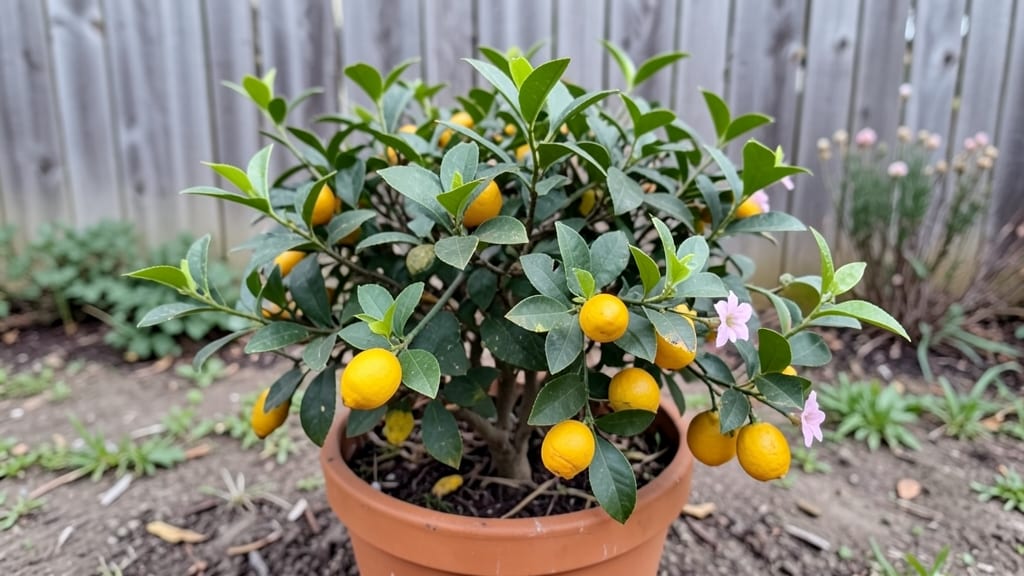
Growing a calamondin citrus tree in the Pacific Northwest feels like defying the odds—until you see those tiny, tangy fruits dangling from your own branches. 🌿 I’ve nurtured mine through our damp winters and gray skies, and with the right care, yours can thrive too.
This isn’t your typical finicky citrus; it’s tough enough for our climate’s quirks.
The secret lies in mimicking its tropical roots while adapting to cooler temps. Container growing is your best bet—pot sizes of 10-15 gallons keep roots cozy, and you can move it indoors when frost threatens.
Well-draining soil (think 60% potting mix, 30% perlite, 10% compost) prevents soggy roots, while morning sun and afternoon shade keep leaves from scorching. Water when the top inch of soil feels dry, but never let it sit in water.
By summer’s end, you’ll be rewarded with clusters of bright orange fruits—sweet-tart enough to use in marinades or garnishes. Prune lightly in late winter to shape the tree and encourage airflow, and fertilize monthly with citrus-specific food during growing season.
The first harvest might take a year or two, but patience pays off with a tree that outlasts our unpredictable weather.
Works equally well on patios, balconies, or in-ground (if winters stay above 15°F). The key? Protect it from frost, and it’ll reward you with year-round greenery and seasonal fruit. Let’s get yours growing!
📚 In This Guide
- What you need
- Instructions
- Tips and common mistakes
- Wrapping up and next steps
What you need
- ● Calamondin citrus tree: 1–3 plants (seedlings, grafted saplings, or mature trees from a reputable nursery)
- ○ Optional: Pre-grown calamondin in a 1–3 gallon container (for faster fruiting)
- ● Container or planting site: For containers: 5+ gallon pots with drainage holes (1 per tree)
- ● For in-ground: Well-draining soil in a sheltered, sunny spot (partial shade in hot summers)
- ● Soil & amendments: 50% well-draining citrus mix (or cactus/succulent mix + perlite)
- ● 50% organic matter (compost, worm castings, or peat moss)
- ● 1 tbsp lime per gallon of soil (to balance acidity)
- ● Fertilizer: Slow-release citrus-specific fertilizer (10-10-10 or 8-3-9 ratio)
- ● 1 tbsp per month during spring/summer (reduce in fall/winter)
- ● Tools: Pruning shears (sterilized with rubbing alcohol)
- ● Grafting tools (if propagating from cuttings)
- ● pH test kit (ideal range: 6.0–7.0)
- ● Mulch (straw or bark chips, 2–3 inches around base)
- ● Grow lights (LED or full-spectrum) for indoor setups
- ● Humidity tray (for seedlings in dry climates)
- ● Frost cloth (30–40 lb test) for winter protection
- ● Drip irrigation system (to avoid over/under-watering)
- ● Citrus tree stakes (for young plants in windy areas)
Step-by-step guide to growing a calamondin citrus tree in the Pacific Northwest
This hardy citrus thrives in cooler climates with the right care—here’s how to cultivate one successfully.
🌱 Step 1: Select and Prepare the Right Container
The calamondin’s shallow root system thrives in containers, but choose wisely. A 5-gallon pot with drainage holes is ideal for your first year, as it provides stability while allowing roots to breathe. I always opt for unglazed terra cotta—it wicks away excess moisture, preventing the roots from sitting in soggy soil, which is especially critical in the Pacific Northwest’s damp winters.
Line the bottom with 2-3 inches of gravel or expanded clay pebbles to create a reservoir for water. This ensures the roots stay hydrated without drowning, a common issue in our region’s cooler, wetter months. Fill the pot ⅔ full with a well-draining citrus potting mix—avoid garden soil, which compacts and suffocates roots.
☀️ Step 2: Position for Optimal Light and Temperature
Calamondins need full sun (at least 6-8 hours daily) to produce fruit, but they’re frost-sensitive. In the Pacific Northwest, place your tree near a south-facing window or under a grow light during winter months when sunlight is scarce. If growing outdoors in summer, move it to a sheltered patio or balcony where temperatures stay above 40°F—any colder, and the leaves will yellow and drop.
During the growing season, watch for leggy growth—a sign the tree isn’t getting enough light. If stems stretch toward the window, rotate the pot quarter-turn weekly to encourage even growth. In fall, bring it indoors before temperatures dip below 50°F, as even brief exposure to frost will damage the tree.
💧 Step 3: Water and Fertilize for Healthy Growth
Water your calamondin when the top inch of soil feels dry—overwatering is the fastest way to kill it. In summer, this may mean every 2-3 days, while winter slows watering to once a week. I use room-temperature water to avoid shocking the roots, and always water at the base to prevent fungal issues on the leaves.
Feed your tree every 4-6 weeks with a balanced citrus fertilizer (10-10-10 or similar) during the growing season (spring through fall). Reduce feeding in winter, as the tree enters dormancy. You’ll notice shiny, dark green leaves and new growth as a sign your care is working—if leaves yellow or drop, you’re likely overwatering or over-fertilizing.
✂️ Step 4: Prune and Encourage Fruit Production
Prune in late winter or early spring before new growth begins. Remove dead, diseased, or crossing branches first, then thin out overcrowded areas to improve airflow. I always cut just above a leaf node (the bump where leaves attach) to encourage new growth. Avoid heavy pruning—calamondins fruit on older wood, so keep the shape natural rather than aggressive.
To boost fruit production, hand-pollinate flowers in spring using a small paintbrush. Calamondins self-pollinate poorly, and this simple step can double your harvest. Watch for tiny green fruits forming—these take 6-9 months to ripen, so be patient. If fruit drops prematurely, it’s usually due to low light or inconsistent watering.
⏰ Step 5: Overwinter for Pacific Northwest Success
As temperatures drop below 50°F, move your calamondin indoors near a bright, sunny window. Reduce watering to once every 10-14 days and stop fertilizing entirely. If you notice leaf drop, it’s normal—just keep the soil slightly moist and avoid drafts. In late winter, resume watering and fertilizing as new growth appears.
If you’re growing outdoors year-round, mulch the pot’s base with straw or bark to insulate roots in winter. Even in the Pacific Northwest, a frost cloth can save your tree during unexpected cold snaps. With consistent care, your calamondin will thrive, producing tiny, tangy fruits perfect for cooking or garnishing dishes.
Tips & tricks for perfect calamondin citrus tree care
Here's what nobody tells you about growing this resilient citrus in our region's tricky climate.
Container Upgrade: While a 5-gallon pot works for your first year, plan to upgrade to 7-10 gallons within 2-3 years. Calamondins have vigorous root systems that quickly outgrow smaller containers. I've seen trees in 5-gallon pots for years still thriving, but they produce fewer fruits and require more frequent watering. Consider adding a second drainage hole if your pot only has one—this prevents waterlogging in our damp winters.
Light Hack for Pacific Northwest: If you're struggling to get enough sunlight, supplement with a full-spectrum LED grow light positioned 6-12 inches above the tree for 12-14 hours daily. I use mine in winter when days are shortest, and it makes all the difference for fruit production. Place the light on a timer to automate care—calamondins need consistency, especially in our cloudy months.
Watering Wisdom: The "top inch dry" rule works, but here's the pro move: use a moisture meter to check deeper soil levels. In summer, the top inch can dry quickly while deeper roots stay moist, leading to overwatering. Aim for soil that's dry to 2-3 inches down before watering again. This mimics the tree's natural drought tolerance and prevents root rot in our wet climate.
Fertilizer Timing: The 4-6 week feeding schedule is perfect, but here's the secret: split your fertilizer dose in half and apply every 3 weeks instead. This provides more consistent nutrition without risking over-fertilization. I also recommend using a slow-release citrus fertilizer in spring—it feeds gradually over 3-4 months, matching the tree's growing season perfectly.
Pro Tips for Calamondin Citrus Tree
- Here's what nobody tells you about growing this resilient citrus in our region's tricky climate.
- Container Upgrade: While a 5-gallon pot works for your first year, plan to upgrade to 7-10 gallons within 2-3 years.
- Light Hack for Pacific Northwest: If you're struggling to get enough sunlight, supplement with a full-spectrum LED grow light positioned 6-12 inches above the tree for 12-14 hours daily.
Frequently asked questions
Got questions about growing and caring for your calamondin citrus tree? You’re in the right place!
Here are answers to the most common queries from gardeners—especially those in cooler climates like the Pacific Northwest.
How cold can a calamondin citrus tree tolerate?
A mature calamondin can handle brief dips to 25–28°F (-4 to -2°C), but prolonged exposure below 30°F (-1°C) risks damage. Young trees or those in containers are more vulnerable—bring them indoors or wrap them in frost cloth if frost is forecasted! For extra protection, mulch the base and avoid overwatering before cold snaps.
When and how should I prune my calamondin tree?
Prune in late winter or early spring (before new growth starts) to shape the tree and encourage fruit production. Use clean, sharp shears to trim back overgrown branches by 1/3 and remove any dead or crossing wood. Avoid heavy pruning in fall—it can stress the tree before winter. Pro tip: Sterilize tools with rubbing alcohol to prevent disease!
Can I grow a calamondin tree in a container?
Calamondins thrive in containers, making them perfect for patios or balconies. Use a 15–20 gallon pot with drainage holes and a well-draining citrus potting mix. Move the pot indoors or to a sheltered spot when temperatures drop below 40°F (4°C). Just ensure it gets 6+ hours of sunlight daily—they’re sun-worshippers!
Why isn’t my calamondin tree producing fruit?
Common reasons include lack of sunlight (they need full sun!), over-fertilizing with nitrogen (too much greens, not enough fruit), or young age (trees under 3–4 years may not bear fruit). Try a balanced citrus fertilizer (low in nitrogen) and ensure it’s in a warm, sunny spot. Patience helps—some trees take longer to mature!
What pests should I watch for on calamondin trees?
Keep an eye out for scale insects, aphids, and spider mites—common culprits! You’ll spot them as sticky residue (honeydew) or tiny webs. Treat early with neem oil or insecticidal soap, and encourage beneficial insects like ladybugs. Avoid harsh chemicals, as they can harm the tree’s delicate foliage. Regularly inspect leaves (especially undersides) for signs of trouble!
Wrapping up and next steps
Growing a calamondin citrus tree in the Pacific Northwest is absolutely doable—even with cooler climates! 🌱 With the right pruning techniques, frost protection, and a little patience, you’ll enjoy a thriving, fragrant tree that rewards you with sweet-tart fruit.
Start small, stay consistent, and don’t forget to celebrate those first blooms or harvests!
Now that you’re armed with the know-how, take the next step—whether it’s planting your first sapling, refining your pruning skills, or even sharing tips with fellow gardening enthusiasts. Your citrus adventure starts today! 🍊✨