
Orchid Care
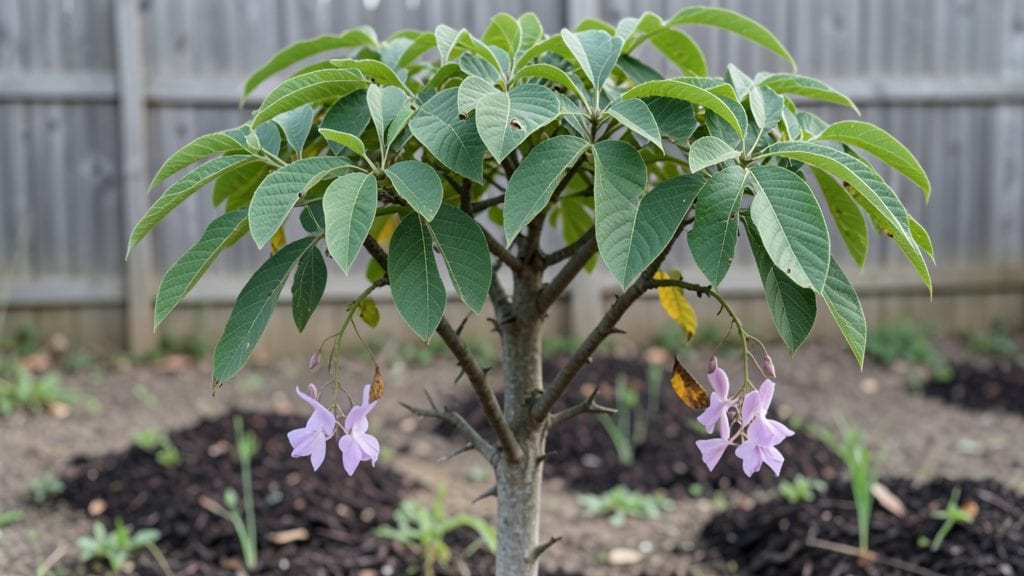
Growing a purple orchid tree in Arizona means embracing the desert’s fierce sun and dry winds—but with the right approach, these stunning bloomers become the showstopper of your landscape. 🌵 I’ve watched mine transform from a struggling sapling to a 15-foot-tall canopy dripping with orchid-like flowers every spring, proving that desert plants can be both dramatic and drought-tolerant.
The secret lies in mimicking its native habitat: full sun exposure, well-draining soil (think cactus mix + compost), and deep but infrequent watering—once every 10-14 days once established.
Most gardeners overwater, turning roots to mush, but a purple orchid tree actually thrives on neglect once its root system matures. Prune back dead blooms in summer to encourage next year’s flowers, and watch how it rebounds with vibrant purple blooms by late spring.
By summer’s end, you’ll have a tree that’s drought-proof, pest-resistant, and covered in flowers—all while requiring less fuss than a traditional shade tree. The trade-off?
Patience: it takes 2-3 years for the first major bloom display, but once it starts, it’s a sight that turns heads at every neighborhood gathering. Ready to make yours the talk of the desert?
Here’s the kicker: these trees handle Arizona’s 110°F+ summers better than most, as long as you avoid heavy clay soil. The key is amending native soil with gritty sand and mulching heavily to retain moisture without suffocating roots.
With these adjustments, your purple orchid tree won’t just survive the heat—it’ll outshine every other plant in your yard.
📚 In This Guide
- What you need
- Instructions
- Tips and common mistakes
- Wrapping up and next steps
What you need
- ● Purple orchid tree: Seedlings (3–5 ft tall), cuttings, or mature trees (available at local nurseries like Desert Botanical Garden or online orchid specialists).
- ● Well-draining soil: 50% cactus/succulent mix + 50% sandy loam (or pre-mixed desert garden soil with perlite).
- ● Planting site: Full sun (6+ hours/day).
- ● Sheltered from strong winds (e.g., near a fence or wall).
- ● Space: 15–20 ft apart for mature trees (they spread!).
- ● Watering supplies: Drip irrigation kit or soaker hose (to avoid wetting foliage).
- ● Fertilizer: Low-nitrogen, phosphorus-rich fertilizer (e.g., 10-20-10 ratio) for blooms.
- ● Hand trowel or transplant spade (for digging holes).
- ● Gloves (to protect from thorns!).
- ● Mulch: 2–3 inches of gravel or decomposed granite (retains moisture, deters weeds).
- ● Pruning shears (for shaping after planting).
- ● Arizona planting permit (if applicable): Check with your local county extension office for regulations on non-native species.
- ● Epsom salt (1 tbsp/month in water) for magnesium boost.
- ● Tree support stake (if planting in windy areas).
- ● Shade cloth (30–50% coverage) for young trees in 110°F+ heatwaves.
- ● Purple orchid tree companion plants: Agave, palo verde, or desert marigold for a cohesive look.
Step-by-step instructions for cultivating purple orchid trees in Arizona
Here's the foolproof method I've used to establish thriving purple orchid trees in 100°F+ desert climates.
🌱 Step 1: Select the Right Variety and Planting Location
For Arizona's extreme heat, choose Bauhinia purpurea or Bauhinia variegata—both handle our dry conditions better than tropical orchid trees. The key is finding a protected microclimate: plant near a west-facing wall where afternoon sun is filtered by the building's shadow, or under partial shade from a deciduous tree that drops leaves in winter.
I always test the spot for 3-4 hours of morning sun and afternoon shade—this prevents leaf scorch while still giving enough light for flowering. Avoid low-lying areas where cold air pools, as even desert nights can dip below 32°F in winter. The root zone should stay slightly moist but never soggy, so check drainage by digging a 6-inch deep hole and filling it with water—if it drains in under 30 minutes, the site is ideal.
🪴 Step 2: Prepare the Soil and Plant at the Correct Depth
Amend native Arizona soil with equal parts compost and coarse sand to improve drainage while retaining moisture. I mix in a slow-release fertilizer (10-10-10) at planting to give roots a nutrient boost without burning. The hole should be twice as wide as the root ball but only as deep as the top of the root flare—planting too deep suffocates the tree and causes rot.
Backfill with the amended soil, tapping gently to eliminate air pockets. Water deeply until the soil 12 inches down feels uniformly moist. Here's the thing—don't mulch immediately. Let the soil settle for 2-3 days before adding a 3-inch layer of gravel mulch (not organic) to conserve moisture and regulate temperature. Organic mulch attracts pests in our dry heat.
☀️ Step 3: Establish a Watering Schedule for Desert Conditions
Young trees need deep watering twice weekly for the first year, while established specimens thrive on once-weekly deep soakings during monsoon season. I use a soaker hose placed at the drip line to deliver water slowly and evenly—this prevents runoff and encourages deep root growth. The goal is to wet the soil to 18 inches deep, which mimics natural desert rain events.
Watch for wilting leaves in the afternoon—this is your signal to water, but if the soil feels damp 2 inches down, hold off. Overwatering in our heat causes root rot faster than drought stress. Once established, these trees are remarkably drought-tolerant, but flowering requires consistent moisture during bud formation (typically spring).
✂️ Step 4: Prune for Shape and Encourage Blooms
Prune immediately after flowering (late spring) to shape the tree and remove dead wood. I cut back 1/3 of the previous year's growth to encourage bushier growth and more blooms. Use sterilized pruners and make cuts at a 45-degree angle just above a leaf node. Avoid heavy pruning in summer—our heat stresses fresh cuts.
Fertilize lightly in early spring with a balanced 10-10-10 formula to support new growth. I've found that too much nitrogen reduces flowering, so I halve the recommended dose. The purple blooms appear on new wood, so regular pruning actually increases your chances of seeing them—just don't overdo it. A well-pruned tree in Arizona can produce continuous blooms from spring through fall with minimal care.
Tips & tricks for cultivating purple orchid trees in Arizona heat
Arizona's extreme climate demands smart adjustments to keep your purple orchid trees thriving. These battle-tested strategies will help you avoid common pitfalls and maximize blooms.
Microclimate Selection: When testing your planting spot for that 3-4 hours of morning sun, pay special attention to how the afternoon sun behaves. I've found that east-facing walls actually work better than west-facing ones in Phoenix—morning sun is gentler and less likely to scorch leaves. If you're unsure, test the spot for a week before planting to track heat patterns. The goal is to mimic the natural shade patterns of desert shrubs.
Soil Preparation Insight: The equal parts compost and coarse sand mix is non-negotiable, but here's what I've learned about the compost: use well-aged, screened compost—fresh compost can introduce weeds and compete with your tree's roots. For the sand, I recommend coarse horticultural sand rather than playground sand, as it drains better and won't compact over time. Pro tip: Add a handful of perlite to the mix for extra aeration.
Watering Strategy: For those deep waterings twice weekly during the first year, I've developed a simple test: use a soil moisture meter to check at 18 inches deep. If it reads dry, water again. This method prevents both overwatering and underwatering. During monsoon season, you can reduce to once-weekly waterings, but always check that 2-inch soil depth first—our sudden downpours can make soil appear wet on the surface while staying dry below.
Pruning Precision: When cutting back 1/3 of the previous year's growth, focus on removing dead or crossing branches first. The remaining cuts should be made just above a leaf node at a 45-degree angle—this encourages new growth from that node. I always sterilize my pruners with rubbing alcohol between cuts to prevent spreading disease, especially in our dry climate where pathogens can linger.
Pro Tips for Purple Orchid Tree Arizona
- Arizona's extreme climate demands smart adjustments to keep your purple orchid trees thriving.
- Microclimate Selection: When testing your planting spot for that 3-4 hours of morning sun, pay special attention to how the afternoon sun behaves.
- For the sand, I recommend coarse horticultural sand rather than playground sand, as it drains better and won't compact over time.
Frequently asked questions
Got questions about growing the stunning purple orchid tree (Bauhinia purpurea) in Arizona’s desert climate? You’re not alone! Here are some of the most common queries—and their answers—to help you cultivate this heat-loving beauty with confidence.
Is the purple orchid tree really drought-tolerant enough for Arizona’s summers?
The purple orchid tree is exceptionally drought-resistant once established (after 1–2 years), making it a perfect fit for Arizona’s scorching summers. However, young trees need deep watering every 1–2 weeks during the first year to build strong roots. Once mature, it thrives on rainfall alone in most desert regions. Pro tip: Mulch heavily (3–4 inches) to retain moisture and cool roots!
How long does it take for a purple orchid tree to bloom?
Patience is key! Most purple orchid trees take 2–4 years to produce their iconic orchid-like flowers, depending on growing conditions. Healthy, well-established trees (3+ years old) in full sun bloom most reliably. If yours isn’t flowering yet, check for:
- Full sun exposure (6+ hours daily)
- Well-draining soil (amend with sand or gravel if clay-heavy)
- Avoid over-fertilizing (light feeding in spring is enough)
Can purple orchid trees survive Arizona’s extreme heat waves (110°F+)?
This tree is naturally adapted to desert heat and handles temperatures well above 100°F. However, young trees or newly planted specimens may need afternoon shade (via temporary shade cloth) during the first summer to prevent stress. Once mature, their silvery-green foliage reflects sunlight, acting like natural sunscreen. Bonus: Prune leggy branches in late winter to encourage bushier growth and better heat tolerance.
What are some low-maintenance alternatives if the purple orchid tree is too slow-growing for me?
If you’re eager for faster color and easier care, consider these desert-friendly bloomers:
Tree/Shrub
Bloom Time
Heat Tolerance
Bonus Perk
Desert Willow (Chilopsis linearis)
Spring–fall
Extreme (110°F+)
Drought-proof + hummingbird magnet
Texas Ranger (Leucophyllum frutescens)
After rain (year-round)
Very high
Blooms after heavy downpours—no fuss!
Jacaranda (Jacaranda mimosifolia)
Spring (purple-blue showstopper)
Moderate (needs afternoon shade in peak heat)
Fast-growing + dramatic canopy
For instant gratification, annuals like bougainvillea or desert marigold deliver blooms in 6–8 weeks but require more upkeep.
Why are the leaves on my purple orchid tree turning yellow or dropping?
Yellowing or dropping leaves usually signal one of these issues:
- Overwatering: Purple orchid trees hate soggy roots. Let soil dry completely between waterings.
- Underwatering (in young trees): Wilting or crispy edges mean it’s thirsty—water deeply until runoff appears.
- Nutrient deficiency: Pale yellow leaves? Try a balanced fertilizer (10-10-10) in early spring.
- Pests (rare but possible): Check for aphids or spider mites on undersides of leaves. Spray with neem oil if detected.
Quick fix: Test your soil’s pH (ideal: 6.0–7.5)—too alkaline can lock out nutrients.
Wrapping up and next steps
The Purple Orchid Tree isn’t just a stunning addition to Arizona’s desert landscapes—it’s a resilient, low-maintenance beauty that rewards patience with breathtaking blooms. 🌵✨ Whether you’re a seasoned gardener or a beginner, its ability to thrive in heat and drought makes it a perfect choice for turning your outdoor space into a vibrant oasis.
Ready to plant your own? Start by selecting a sunny spot, gathering the right tools, and following the care tips shared here. With a little effort, you’ll soon be enjoying the magic of this Bauhinia in your backyard—one bloom at a time!