
Pruning
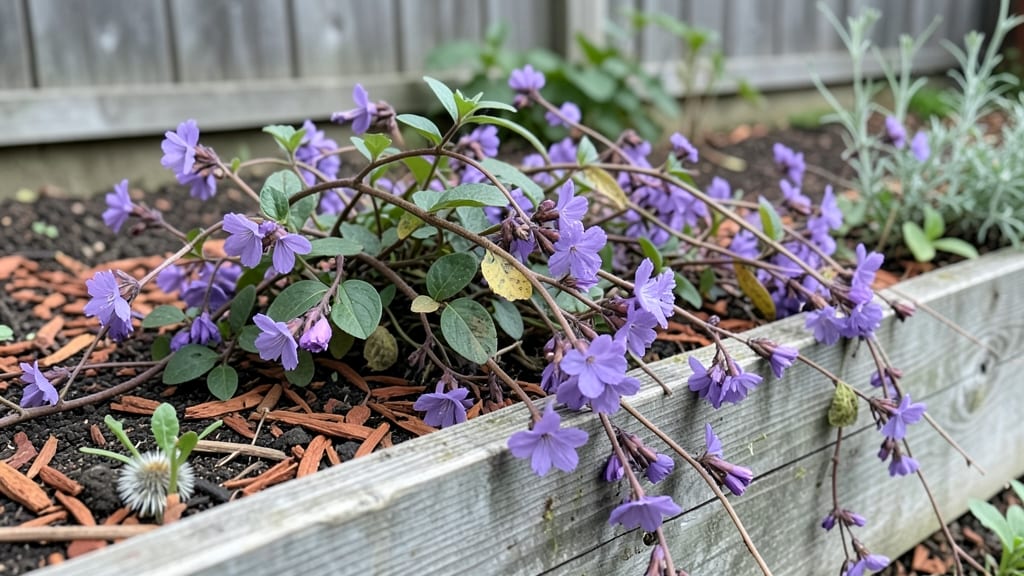
The purple jasmine tree's velvety blooms and intoxicating scent make it the Pacific Northwest's most sought-after hummingbird magnet. 🌿 I learned the hard way that pruning this beauty isn't just about shaping—it's about unlocking that year-round fragrance while keeping it thriving through our damp winters.
The key? Timing cuts to match the rainy season's unique challenges, and I'll show you exactly how to do it without sacrificing next year's flowers.
This isn't your average pruning job—it's a delicate balance between encouraging new growth and preserving the delicate purple-tinged leaves that give this variety its name. You'll need sharp pruners, a ladder for higher branches, and a clear day (because nobody wants to work in PNW drizzle).
The real secret? Pruning just after flowering, when the plant naturally slows down but before the fall rains really set in.
What you'll end up with is a tree that smells like spring all year round, covered in blooms that hummingbirds can't resist. The fragrance lingers even when you're not near the plant—a rare treat in our often-wet climate.
Plus, the right cuts will keep it compact enough for small yards while still making a dramatic statement.
Works for both the classic Trachelospermum jasminoides 'Purple Tricolor' and the more vigorous Wisteria varieties. Whether you're dealing with a young sapling or an established climber, these techniques adapt to any size. Let's get those pruners ready!
📚 In This Guide
- What you need
- Instructions
- Tips and common mistakes
- Wrapping up and next steps
What you need
- ● Pruning shears – Bypass pruners (sharp, clean, and rated for branches up to ½ inch thick). Example: Felco F-2 or F-212.
- ● Loppers – For thicker branches (½ to 1½ inches). Look for ratcheting loppers for extra leverage.
- ● Hand pruners – Anvil-style (budget-friendly) or bypass-style (premium) for small cuts.
- ● Pruning saw – Curved-tooth saw for branches over 1½ inches (e.g., Fiskars X27).
- ● Disinfectant – 70% isopropyl alcohol or rubbing alcohol to sterilize tools between cuts.
- ● Gloves – Heavy-duty gardening gloves (cut-resistant for thorns, like Felco or Tough Outdoors).
- ● Ladder or step stool – Sturdy, extendable (6–10 ft tall) for high branches. Safety tip: Use a harness if climbing!
- ● Heavy-duty trash bags – For collecting pruned branches (2–3 gallon-sized bags).
- ● Permanent marker – To label tools or mark cuts for reference.
- ● Tree wound dressing – Pruning sealant (controversial, but some swear by it for large cuts). Note: Many experts say it’s unnecessary for jasmine!
- ● Extension pole pruners – For hard-to-reach branches (e.g., Fiskars 20-inch pruners).
- ● Work apron – With pockets to hold small tools and gloves.
- ● Camera or phone – To document before/after shots of your pruning progress!
- ● Compost bin – For recycling small pruned branches into nutrient-rich compost.
Step-by-step pruning guide for your Pacific Northwest purple jasmine tree
Here's how to keep your fragrant beauty thriving while attracting hummingbirds year-round.
✂️ Step 1: Time Your Pruning for Optimal Growth and Blooms
Prune your purple jasmine tree in late winter or early spring, just as new growth begins. This is crucial because pruning too late in the season removes potential blooms for next year. In the Pacific Northwest's mild climate, aim for February to March when the tree is still dormant but showing signs of waking up.
Watch for the first tiny buds forming along the branches—this is your signal that the tree is ready. If you prune too early, you risk cutting off next year's flowers. If you wait too long, you'll remove blooms that attract hummingbirds and fill your garden with fragrance.
✂️ Step 2: Remove Dead, Diseased, or Crossing Branches First
Start by inspecting your tree for any branches that are dead, diseased, or rubbing against each other. These are your top priorities because they weaken the tree and create entry points for pests. Use sharp, clean pruning shears to make clean cuts at a 45-degree angle, about ¼ inch above a bud or lateral branch.
If a branch is diseased, sterilize your tools with rubbing alcohol between cuts to prevent spreading. You'll know a branch is dead if it's brittle, lacks leaves, or has no green beneath the bark when scratched. Crossing branches compete for sunlight and nutrients, so remove the weaker of the two.
✂️ Step 3: Shape the Tree for Airflow and Light Penetration
Next, focus on shaping the tree to improve airflow and sunlight exposure. Purple jasmine benefits from an open, airy structure that reduces humidity buildup and fungal diseases common in the Pacific Northwest's damp climate. Start by thinning out the center of the tree, removing about 20-30% of the interior branches.
Look for branches that grow inward or downward—these are the ones that create dense, shaded areas where air can't circulate. Cut these back to a lateral branch or bud, always making your cuts just outside the bud to encourage outward growth. This step is where you'll see the most dramatic improvement in your tree's health and blooming potential.
✂️ Step 4: Lightly Prune to Encourage New Growth and Blooms
For the final shaping, make light cuts to encourage new growth and more abundant blooms. Focus on the outer edges of the tree, cutting back no more than 15-20% of the total branch length. Avoid heavy pruning, as purple jasmine responds best to gentle encouragement rather than drastic cuts.
Look for branches that are growing too long or leggy—these can be trimmed back to a lateral branch or bud to promote bushier growth. Make your cuts just above a leaf node or bud, and avoid cutting into old wood, as new growth won't form there. This step is all about balance—keep your tree's natural shape while encouraging it to fill out beautifully.
🌿 Step 5: Clean Up and Monitor for Hummingbird Activity
After pruning, remove all debris from the ground and sterilize your tools again. This prevents disease and keeps your garden tidy. Now, it's time to enjoy the fruits of your labor! Purple jasmine's fragrant blooms will attract hummingbirds, so keep an eye out for these tiny visitors as the flowers appear.
Water your tree deeply after pruning to help it recover, and apply a balanced fertilizer in early spring to support new growth. Within a few weeks, you'll see fresh, vibrant foliage and the promise of more blooms. This is the moment that matters—your tree is now set up for a season of fragrance, beauty, and hummingbird visits.
Tips & tricks for pruning your Pacific Northwest purple jasmine tree
A few simple tricks will help you prune like a pro and keep your fragrant jasmine thriving for years to come.
Timing is Everything: The February to March window is perfect for our Pacific Northwest climate because it balances winter dormancy with early spring growth. If you're unsure about timing, check for tiny buds forming—this is your tree's natural signal that it's ready. I've learned the hard way that pruning too early can cut off next year's blooms, while waiting too late removes the very flowers hummingbirds love.
Tool Prep Matters: Sterilize your pruning shears with rubbing alcohol between cuts, especially when dealing with diseased branches. I keep a small spray bottle of diluted alcohol handy for quick sterilization. Also, make sure your tools are sharp—dull blades tear wood and create jagged cuts that heal poorly. A quick test: if you struggle to cut through a pencil with your shears, they need sharpening.
Visual Cues for Pruning: When shaping your tree, look for branches growing inward or downward—these are the ones causing poor airflow. I think of it like creating an open umbrella structure. For the 20-30% thinning in Step 3, focus on removing branches that are thinner than a pencil—they won't contribute much anyway. Always cut just outside the bud to encourage outward growth.
Hummingbird-Friendly Pruning: Remember that every bloom you preserve means one more sip of nectar for hummingbirds. After pruning, I like to take a moment to observe my tree from different angles—this helps me visualize how the new structure will allow sunlight to reach all branches. The more light penetration, the more blooms you'll get, and the more hummingbirds will visit.
Pro Tips for Purple Jasmine Tree
- A few simple tricks will help you prune like a pro and keep your fragrant jasmine thriving for years to come.
- Timing is Everything: The February to March window is perfect for our Pacific Northwest climate because it balances winter dormancy with early spring growth.
- Tool Prep Matters: Sterilize your pruning shears with rubbing alcohol between cuts, especially when dealing with diseased branches.
Frequently asked questions
Got questions about keeping your purple jasmine tree thriving while attracting hummingbirds? Here are some of the most common concerns—plus expert tips to tackle them like a pro!
When is the best time to prune my purple jasmine tree in the Pacific Northwest?
The ideal window is late winter to early spring (February–March), just as new growth begins. Avoid pruning in fall or winter, as cold stress can harm the plant. If you must shape it lightly, do so in summer after flowering—but keep it minimal to avoid stunting blooms.
How much can I trim back without harming the tree?
Never remove more than 25–30% of the foliage in one session. Focus on dead, crossing, or overcrowded branches first. For mature trees, you can lightly thin out selective branches to improve airflow, but avoid "shearing" the entire canopy—this stresses the tree and reduces fragrance.
Will pruning affect hummingbirds visiting my purple jasmine?
Not if done right! Hummingbirds love open, well-lit canopies, so pruning to remove dense growth actually helps them access nectar. Just avoid heavy cuts in spring when they’re actively feeding—wait until after their peak season (late May–June).
How do I protect my purple jasmine from Pacific Northwest rain after pruning?
PNW’s damp climate can cause fungal issues on fresh cuts. After pruning, apply a copper fungicide spray or seal cuts with pruning sealant (optional but helpful). Ensure good airflow by spacing branches apart, and water at the base, not the leaves, to prevent rot.
What if my purple jasmine isn’t blooming or smells weaker?
Check these fixes:
- Light: Needs 6+ hours of sun daily—PNW shade can dull blooms.
- Soil: Amend with compost for nutrients; jasmine hates soggy roots.
- Pruning: Over-pruning reduces flowers—stick to light shaping.
- Age: Young trees (under 3 years) may bloom lightly—be patient!
Wrapping up and next steps
Your purple jasmine tree isn’t just a stunning addition to your Pacific Northwest garden—it’s a hummingbird magnet and a year-round fragrant treasure! 🌸 By mastering the right pruning techniques, you’ll keep it thriving, encourage lush blooms, and protect it from winter’s chill.
Whether you’re trimming for shape, health, or fragrance, remember: patience and precision are key.
Ready to take the next step? Grab your pruners, mark your calendar, and schedule your first pruning session this fall—before the cold sets in. Your tree (and those hummingbirds!) will thank you for years to come. Happy pruning! ✂️🐦