
Planting
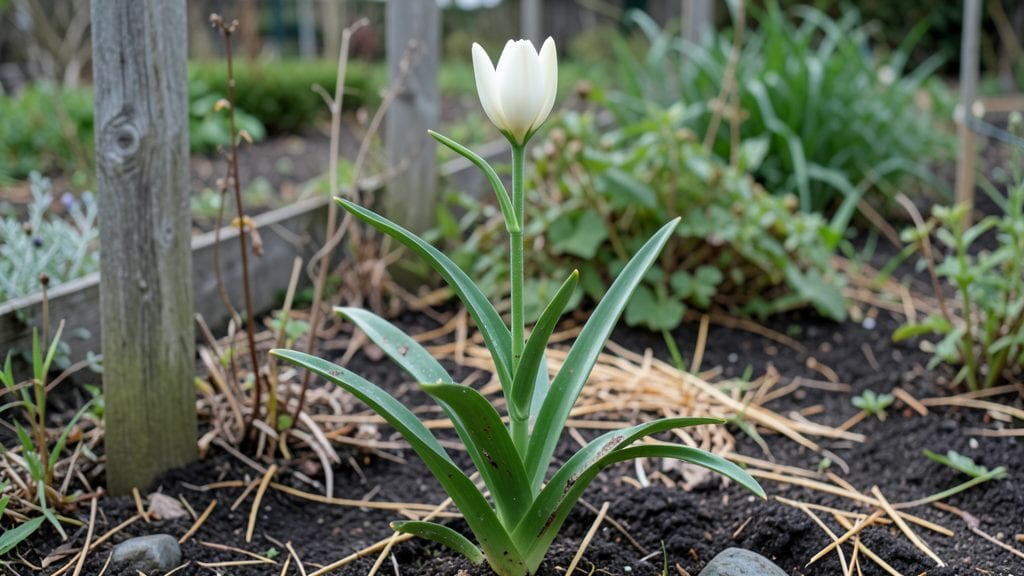
Planting a lily tree in your Pacific Northwest garden means year-round hummingbird visits with almost no fuss—just the right spot and a little patience. 🌿 I’ve watched mine transform from a bare-stemmed winter skeleton into a towering summer bloomer that hummingbirds can’t resist, all while outlasting the region’s damp winters.
The key is treating it like the hardy, low-maintenance powerhouse it is, not some delicate annual.
You’ll need a sunny site with well-draining soil—no need for fancy amendments unless your clay soil holds water like a sponge. Most lily trees thrive in 6 hours of direct sun daily, though they’ll tolerate morning shade in hotter microclimates.
Water deeply once a week after establishment, and forget about pruning unless you want to shape it—these trees clean up themselves in late winter when the old stems die back naturally.
By midsummer, you’ll have a 10-foot-tall vertical flower show that hummingbirds will defend like territory. The blooms last for weeks, and the scent? Intoxicating—like a mix of jasmine and honey. Even the leaves stay lush through fall, providing late-season interest before the stems retreat for winter.
It’s the kind of plant that makes neighbors ask, “What’s that?” and then beg for cuttings.
Works beautifully in mixed borders, as a standalone specimen, or even near patios where you can watch the hummingbird traffic up close. The Pacific Northwest’s mild winters mean no extra protection is needed—just plant it, water it occasionally, and enjoy the show.
Let’s get yours in the ground before next season’s blooms fade.
📚 In This Guide
- What you need
- Instructions
- Tips and common mistakes
- Wrapping up and next steps
What you need
- ● Lily Tree Plant (Magnolia liliiflora): 1-2 mature plants (3-5 feet tall) or 1-2 bare-root saplings (for transplanting). Choose healthy specimens with vibrant foliage and no signs of pests.
- ● Planting Hole: Dig a hole twice as wide and slightly shallower than the root ball (or container). Aim for 12–18 inches deep for mature plants.
- ● High-Quality Soil: Native soil mix: 50% native soil + 50% compost (for drainage and nutrients).
- ○ Optional amendment: 1 cup of slow-release fertilizer (10-10-10 or organic option) mixed into the soil for extra vigor.
- ● Mulch: 2–3 inches of organic mulch (cedar chips, pine bark, or shredded leaves) to retain moisture and regulate soil temperature.
- ● Watering Can or Hose: With a gentle spray nozzle for post-planting hydration.
- ● Stakes or plant supports (if your lily tree is top-heavy or in a windy area).
- ● Epsom salt (1 tbsp dissolved in water) for magnesium boost during the first growing season.
- ● Hummingbird feeders (place 3–5 feet away from the plant to encourage visitors!).
- ● Pruning shears (for shaping or removing dead branches in late winter).
- ● Soil pH test kit (ideal pH: 5.0–6.5; amend with sulfur or lime if needed).
How to plant and establish a Pacific Northwest lily tree for hummingbirds
This hardy, low-maintenance tree thrives in PNW conditions while creating a magnet for hummingbirds year-round.
🌱 Step 1: Choose the Right Location and Prepare the Soil
Select a site with partial shade to full sun (at least 6 hours of sunlight daily), as lily trees tolerate the Pacific Northwest’s mix of sun and drizzle. I always pick a spot near a window or patio where I can enjoy the hummingbird activity—just make sure it’s sheltered from strong coastal winds. The tree’s native range includes moist, well-draining soils, so avoid heavy clay unless amended with 3-4 inches of organic compost before planting.
Dig a hole twice as wide as the root ball but only as deep—planting too deep suffocates the roots and causes rot. Loosen the sides of the hole with a garden fork to encourage root spread. If your soil is particularly dense, mix in 1 part perlite to 3 parts native soil to improve drainage. Lily trees appreciate slightly acidic to neutral soil (pH 6.0-7.0), so test your soil and adjust with lime if needed.
🪴 Step 2: Plant the Tree and Water Thoroughly
Gently remove the tree from its container and tease the roots outward if they’re circling—this prevents root-bound stress. Place the tree in the hole so the top of the root ball sits level with the surrounding soil (never buried deeper). Backfill with the native soil mix, pressing lightly to eliminate air pockets but avoiding compaction.
Water deeply immediately after planting—1-2 gallons for a small tree—to settle the soil and encourage root contact. I like to use a soaker hose for the first watering to ensure even moisture without disturbing the roots. Mulch the base with 2-3 inches of wood chips, keeping it 6 inches away from the trunk to prevent rot. This mulch layer retains moisture and regulates soil temperature, which is especially helpful during PNW’s cool, damp springs.
☀️ Step 3: Provide Initial Care and Monitor for Hummingbirds
The first 4-6 weeks are critical for root establishment. Water 2-3 times per week (or more in hot spells) until new growth appears—look for 2-3 inches of fresh leaves as your signal that roots have taken hold. Avoid overhead watering once established, as wet foliage invites fungal diseases common in the PNW’s humid climate.
Hummingbirds will find the tree’s spring flowers (usually appearing in late April to May) on their own, but you can attract them faster by placing a small sugar water feeder (1:4 ratio) 10-15 feet away from the tree. Watch for the first visitors—iridescent green backs flashing in sunlight—as a sign your tree is thriving. Fertilize lightly in early spring with a balanced 10-10-10 formula to support flowering without overstimulating growth.
✂️ Step 4: Prune and Maintain for Long-Term Health
Prune in late winter (February) before new growth begins, removing dead, diseased, or crossing branches with clean sterilized pruners. Cut just outside the branch collar to promote healing. I never remove more than 25% of the canopy in one year—lily trees recover slowly from heavy pruning. The PNW’s mild winters mean minimal winter damage, but if frost scorch appears, prune affected branches in early spring to encourage fresh growth.
After the first year, water only during drought periods (when soil feels dry 2-3 inches deep). Lily trees are drought-tolerant once established, but they’ll reward you with more abundant blooms if you maintain consistent moisture during dry summers. Deadhead spent flowers in late summer to encourage a second, smaller flush of blooms—hummingbirds love the extended nectar supply.
Tips & tricks for perfect Pacific Northwest lily tree planting
Here's what I've learned after planting these hummingbird magnets in my own PNW garden—tricks that make all the difference between a struggling transplant and a thriving year-round haven.
Location is Everything: That 6 hours of sunlight requirement is non-negotiable, but here's the secret: position your tree where it gets morning sun and afternoon shade if you're near the coast. The Pacific Northwest's coastal winds can desiccate young leaves, so I always plant mine on the leeward side of the house or patio. Also, avoid planting near large evergreens—they'll compete for moisture and nutrients during those critical first 4-6 weeks.
Soil Science Matters: The 3-4 inches of organic compost isn't just about drainage—it's about creating the perfect microbial environment. I've found that adding a handful of mycorrhizal fungi powder to the planting hole gives roots an instant boost. For dense clay soils, mix in that perlite-to-soil ratio and consider adding a bit of coarse sand too. The goal is to mimic the tree's native moist but well-draining conditions, not turn your garden into a swamp.
Watering Wisdom: Those first 1-2 gallons after planting should go deep, not just at the surface. I use a long-handled watering wand to penetrate down to the root ball. For the 2-3 weekly waterings during establishment, I check moisture by sticking my finger 2-3 inches deep—if it's dry, water again. The key is consistent moisture without waterlogging, especially important in the PNW's damp climate where fungal diseases lurk.
Hummingbird Attraction Hack: While waiting for those late April-May flowers to appear, place your sugar water feeder 10-15 feet away from the tree but in clear sight lines. Hummingbirds will use the feeder as a "training ground" and quickly discover the tree's nectar. I've noticed they return more frequently after seeing the feeder, creating that initial connection between your garden and their feeding patterns.
Pro Tips for Lily Tree Plant
- Here's what I've learned after planting these hummingbird magnets in my own PNW garden—tricks that make all the difference between a struggling transplant and a thriving year-round haven.
- Location is Everything: That 6 hours of sunlight requirement is non-negotiable, but here's the secret: position your tree where it gets morning sun and afternoon shade if you're near the coast.
- Soil Science Matters: The 3-4 inches of organic compost isn't just about drainage—it's about creating the perfect microbial environment.
Frequently asked questions
Got questions about growing a lily tree plant in your Pacific Northwest garden?
You’re not alone! Here are answers to the most common queries to help you cultivate this hummingbird magnet with confidence.
How fast does a lily tree plant grow?
A healthy lily tree (Magnolia liliiflora) grows about 12–24 inches per year under ideal conditions. With proper care—well-draining soil, partial shade, and consistent moisture—you’ll see noticeable growth in just a few seasons. Patience pays off, though, as mature trees can reach 15–25 feet tall!
When is the best time to plant a lily tree?
For the Pacific Northwest’s mild climate, early spring (March–April) or fall (September–October) are ideal. Spring planting gives roots time to establish before summer heat, while fall allows them to settle in before winter. Avoid planting in extreme heat or frost—root shock is no fun!
How often should I water a lily tree plant?
Newly planted lily trees need deep watering 2–3 times per week for the first year. Once established, they’re drought-tolerant but appreciate 1 inch of water weekly during dry spells. Pro tip: Mulch around the base to retain moisture and protect roots!
Why aren’t hummingbirds visiting my lily tree?
Hummingbirds love lily trees for their fragrant, tubular flowers—but if they’re skipping your yard, check these fixes:
- Timing: Bloom season is late winter to early spring; wait until flowers appear.
- Location: Plant near sheltered, sunny spots (but not scorching hot).
- Nectar boost: Add a hummingbird feeder nearby to lure them in.
Can I grow a lily tree in a container?
Yes! While they thrive in the ground, lily trees can grow in large containers (at least 18–24 inches wide) with well-draining potting mix. Use a glazed pot to prevent root rot and move it to partial shade outdoors during warm months. Warning: Containers dry out faster—water more frequently!
Wrapping up and next steps
Transforming your Pacific Northwest garden into a hummingbird haven with a lily tree plant is easier—and more rewarding—than you think! 🌿 These low-maintenance beauties thrive year-round, offering vibrant blooms and a magnet for pollinators with minimal effort.
Whether you’re a seasoned gardener or just starting, the lily tree plant is your ticket to effortless beauty and ecological harmony.
Ready to dive in? Start by gathering your supplies—then pick a sunny spot and watch your garden (and hummingbirds!) flourish. Happy planting! 🌸