
Pruning
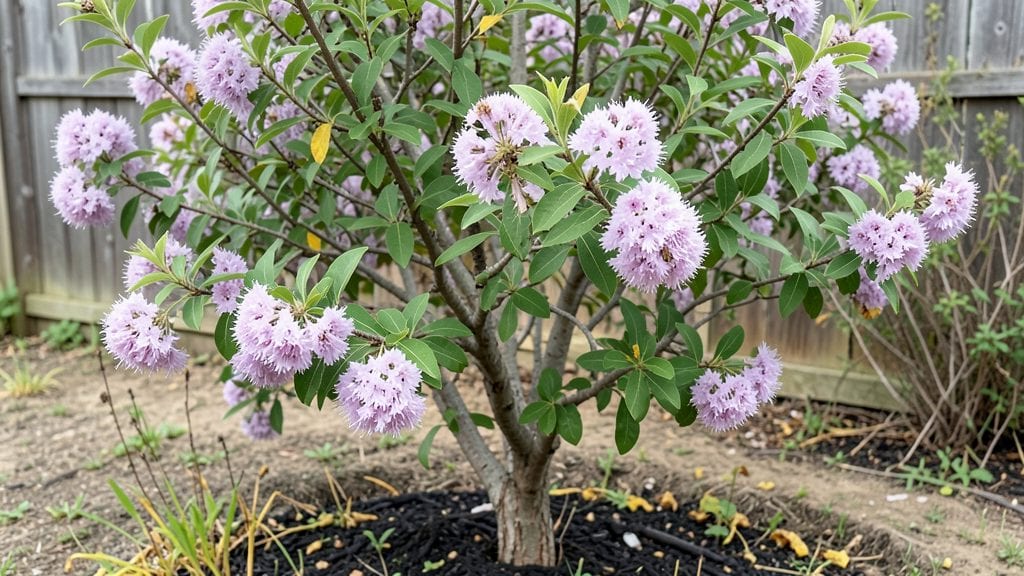
Your Pacific Northwest garden just got a purple fluffy tree upgrade that thrives through frost and steals the show year-round. 🌿 I’ve pruned my Royal Purple Smoke Bush for five winters now, and the secret isn’t complicated—it’s about timing, shape, and knowing which branches to keep for that signature wispy texture.
This tree isn’t just frost-resistant; it’s a textural powerhouse that pairs beautifully with evergreens and silver foliage. Prune in late winter or early spring before new growth starts, and you’ll encourage dense, velvety purple leaves that shimmer in sunlight.
The key is thinning out crowded branches while preserving the airy, smoky silhouette that makes it so striking.
By summer, you’ll have a tree that’s bursting with color and structure—no more leggy, sparse branches. The purple foliage contrasts perfectly with white blooms or dark green shrubs, creating a garden that feels lush yet effortlessly designed. Plus, it handles Pacific Northwest’s damp winters like a champ.
Whether you’re shaping a new tree or refreshing an old one, this approach works for Royal Purple Smoke Bush, Mimosa, or even Purple Beard Grass when pruned right. Let’s get those shears ready—your garden’s about to get a whole lot more dramatic.
📚 In This Guide
- What you need
- Instructions
- Tips and common mistakes
- Wrapping up and next steps
What you need
- ● Pruning shears: Bypass pruners (sharp, 6–8" blade) for clean cuts on small branches.
- ● Loppers: 18–24" bypass loppers for thicker branches (½–1.5" diameter).
- ● Pruning saw: Curved-tooth saw for branches over 1.5" in diameter.
- ● Gloves: Heavy-duty, cut-resistant gloves (e.g., Mechanix or pruning-specific).
- ● Disinfectant: 70% isopropyl alcohol or pruning sealant (to prevent disease spread).
- ○ Pruning paint/sealant: Optional but helpful for sealing large cuts (e.g., TreeHelp or Tanglefoot).
- ● Ladder or step stool: Sturdy, extendable ladder (or a 6–8 ft. stool for smaller trees).
- ● Buckets or bags: 2–3 gallon-sized buckets or mesh bags for debris collection.
- ● Marking twine or flags: Colored twine or small flags to tag branches for removal.
- ● Weather check: Prune on a dry, calm day (avoid frost or rain within 24 hours).
- ● Safety gear: Safety glasses and ear protection (if using a chainsaw for stubborn branches).
- ● Tree ID guide: Confirm your tree’s species (e.g., Lagerstroemia ‘Natchez’ or Cercis canadensis ‘Alba’ for purple fluff).
- ● Compost bin: For repurposing pruned branches as mulch or compost.
- ● Camera/phone: To document progress or share your masterpiece! 📸
How to prune your Pacific Northwest purple fluffy tree for frost resistance
This hardy tree thrives in our chilly climate when pruned with precision. Here's my battle-tested method.
✂️ Step 1: Time Your Pruning for Optimal Frost Hardiness
Prune your purple fluffy tree late winter to early spring, just as buds begin to swell but before new growth emerges. This timing ensures the tree has time to harden off before winter's return. In the Pacific Northwest, aim for February through March when daytime temperatures hover around 40-50°F—cold enough to prevent disease but warm enough for the tree to recover quickly.
I always check the buds first—when they're plump and ready to burst, that's your signal. Pruning too early leaves wounds exposed to winter cold, while waiting too long risks encouraging early growth that frost can damage. This timing also prevents sap bleeding, a common issue with late winter pruning of deciduous trees.
🌿 Step 2: Remove Dead, Diseased, and Weak Wood First
Start with sanitation—this is non-negotiable for frost-resistant health. Use sharp, sterilized pruning shears to cut out any dead branches (they'll snap when bent), diseased wood (look for discolored or oozing areas), and weak, crossing branches that compete for energy. These removals improve air circulation, which is critical for preventing fungal issues that thrive in our damp Pacific Northwest winters.
Make your cuts just outside the branch collar—the swollen area where the branch meets the trunk. I angle my cuts slightly downward to prevent water from pooling. For larger branches over ½ inch thick, use three-step pruning cuts to avoid tearing the bark. This careful approach minimizes stress on the tree as it prepares for winter dormancy.
☀️ Step 3: Thin the Canopy for Sun Penetration and Frost Protection
Target 25-30% canopy reduction by selectively removing branches that block sunlight from reaching the interior. Focus on branches growing inward or downward—they create dense areas where frost can linger and moisture gets trapped. In our climate, good air movement prevents ice buildup that can break branches during winter storms.
Look for branches that intersect at narrow angles—these are prime candidates for removal as they're more likely to split during freeze-thaw cycles. Step back frequently to visualize the tree's overall shape. Your goal is an open, vase-like structure that allows sunlight to warm the trunk and branches during cold days, which actually helps prevent frost damage.
⏰ Step 4: Shape for Wind Resistance and Frost Distribution
Create a natural, rounded crown by shortening outer branches by ⅓ of their length. This shape helps snow slide off more easily and reduces wind resistance, which is crucial during our frequent winter storms. Avoid heavy pruning of young trees—focus on structural development rather than shaping until the tree is at least 5 years old.
When pruning branches, always cut back to a lateral bud or branch that grows in the direction you want the tree to fill out. I mark my cuts with a piece of chalk first to visualize the final shape. This method ensures the tree maintains its natural form while developing stronger branch unions that resist winter breakage.
💧 Step 5: Post-Pruning Care for Winter Readiness
After pruning, apply a 2-inch layer of organic mulch around the base (but keep it 6 inches away from the trunk) to insulate roots from temperature fluctuations. Water deeply if we've had a dry spell, but avoid overwatering—wet wood is more susceptible to fungal infections. This is particularly important in our region where winter rains can alternate with dry spells.
I also make it a point to monitor the tree throughout winter. If you notice any branches showing signs of frost damage (brown, brittle wood), prune them out in late winter before buds swell. The tree's natural resilience will help it recover, but proper pruning timing gives it the best chance to bounce back strong when spring arrives.
Tips & tricks for perfect purple fluffy tree pruning
These battle-tested strategies will help you master pruning your Pacific Northwest purple fluffy tree like a local pro. The devil's in the details when it comes to frost resistance, and I've learned these the hard way after seeing too many trees suffer from well-intentioned but misapplied cuts.
Bud Timing Secret: In Step 1, when checking those buds, look for them to be plump but still firm to the touch—not soft or beginning to crack. I've seen gardeners wait too long, and suddenly they're dealing with frost damage on tender new growth. The February-March window is tight, so mark your calendar when you notice buds starting to swell that first year. Between us, I keep a small notebook by my favorite tree to track bud development annually—it's saved me from pruning too early more times than I can count.
Sanitation is Non-Negotiable: Before you make a single cut in Step 2, sterilize your pruning shears with rubbing alcohol or a 10% bleach solution. I learned this after a particularly wet winter left me with fungal infections spreading through my trees. For larger cuts over ½ inch, I use a small brush to clean away any sawdust immediately after cutting—this prevents spores from settling into fresh wounds. And here's what nobody tells you: store your pruning tools in a dry place with a few drops of mineral oil on the blades to prevent rust during our damp Pacific Northwest winters.
Canopy Visualization Technique: When you're thinning that 25-30% canopy in Step 3, step back every 5-6 feet and visualize sunlight streaming through. I use a simple trick: hold a flashlight at arm's length and shine it through the branches to identify areas where light gets blocked. This helps you see exactly which branches need removal. For trees with dense canopies, I've found that removing every third branch growing inward creates that perfect open structure we're aiming for—it might sound counterintuitive, but it actually strengthens the remaining branches by reducing competition.
Winter Monitoring Strategy: After completing all steps, make a habit of doing a quick winter check every 4-6 weeks. Look for branches that have turned brown and brittle—these are classic signs of frost damage. I keep a pair of pruning shears in my coat pocket during winter walks so I can make those quick removals before buds swell in late winter. The key is to remove damaged branches before the tree starts putting energy into new growth, which would otherwise go to repairing frost damage.
Pro Tips for Purple Fluffy Tree
- These battle-tested strategies will help you master pruning your Pacific Northwest purple fluffy tree like a local pro.
- Bud Timing Secret: In Step 1, when checking those buds, look for them to be plump but still firm to the touch—not soft or beginning to crack.
- Sanitation is Non-Negotiable: Before you make a single cut in Step 2, sterilize your pruning shears with rubbing alcohol or a 10% bleach solution.
Frequently asked questions
Got questions about the purple fluffy tree (Lagerstroemia 'Tuscarora') and its pruning needs? You’re not alone!
Here are answers to the most common queries from Pacific Northwest gardeners—plus tips to keep your tree thriving year after year.
Can the purple fluffy tree survive PNW winters?
The purple fluffy tree is hardy to USDA Zones 5-9, making it a rockstar for the PNW’s chilly winters! Its fuzzy bark and dense foliage act like a natural insulator, protecting it from frost and wind. Just avoid pruning late in the season—wait until early spring (March-April) to minimize cold stress.
When’s the best time to prune for maximum purple blooms?
Prune your tree immediately after flowering (late summer, August-September) to encourage vibrant blooms for next year. This timing also avoids removing next season’s flower buds. Skip winter pruning—it can stress the tree and reduce its frost resistance. Pro tip: Light pruning in late winter (Feb) is okay, but focus on shaping, not heavy cuts.
How do I fix a leggy or sparse purple fluffy tree?
If your tree looks too tall and sparse, it’s likely from over-pruning or lack of sunlight. Revive it by:
- Thinning out dense branches (remove 10-20% of the canopy) to improve airflow.
- Pruning back some leggy stems to encourage bushier growth.
- Fertilizing in early spring with a balanced 10-10-10 formula.
Are there alternatives to the purple fluffy tree for PNW gardens?
If you love the purple fluffy tree’s vibrancy but want options, consider these PNW-friendly alternatives:
Tree
Why It’s Great
Pruning Needs
Smoke Tree (Cotinus)
Fuzzy foliage, pink/purple hues, drought-tolerant.
Light pruning after flowering (summer).
Ninebark (Physocarpus)
Fluffy texture, pink/red blooms, deer-resistant.
Prune in late winter to shape.
Weigela
Bright pink flowers, fast-growing, cold-hardy.
Prune after blooming (late spring).
What should I do if my tree’s leaves turn brown or drop early?
Brown leaves or early defoliation usually signal overwatering, underwatering, or pest stress. Check these fixes:
- Water deeply but infrequently—PNW’s moist climate can lead to root rot if soil stays soggy.
- Inspect for spider mites or scale (common in dry spells). Treat with neem oil if needed.
- Avoid heavy mulch piles around the trunk to prevent fungal issues.
Wrapping up and next steps
Transforming your purple fluffy tree into a thriving, frost-resistant beauty doesn’t have to be overwhelming—just strategic! With the right tools, techniques, and a little patience, you’ve got everything you need to nurture a stunning landscape staple that stands strong through winter. 🌿✨
Ready to take the next step? Start small: pick one pruning task this weekend and observe how your tree responds. Over time, you’ll build confidence and a deeper connection to your garden. Happy pruning—your purple fluffy tree will thank you! 🌟