
Pruning
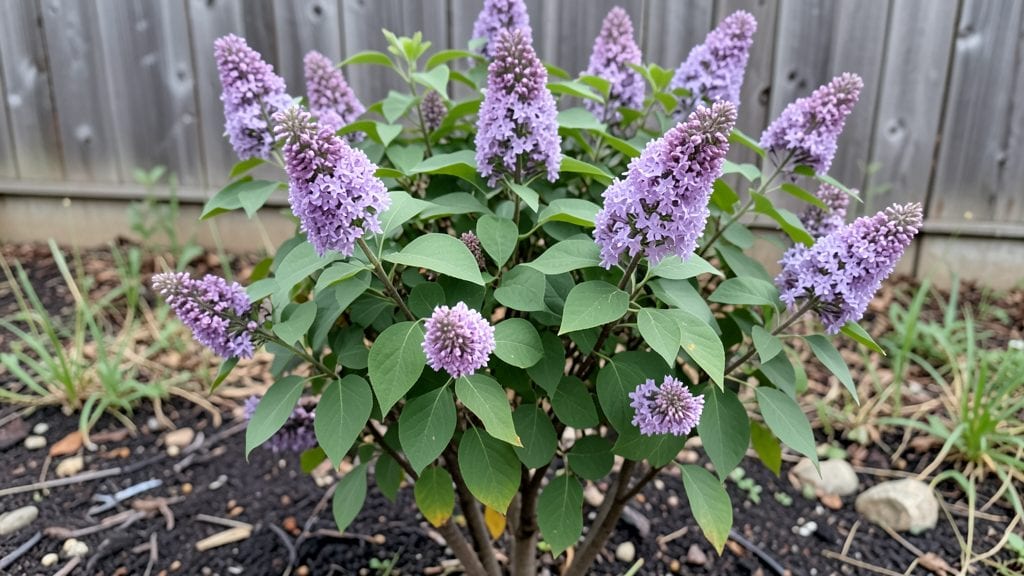
Growing a President Lincoln lilac tree means waking up to a yard that smells like springtime, even in winter. 🌸 This heirloom variety isn't just cold-hardy—it's a fragrance powerhouse, with blooms that perfume the air for weeks.
My first year with one, I pruned it wrong and nearly lost the scent entirely. Now I know the secrets to keeping it lush and fragrant year after year.
The key is late-winter pruning—right before buds swell—when the plant is still dormant but ready to burst into growth. You'll need sharp pruners, a bucket for clippings, and about 30 minutes of focused work.
The right soil mix (rich in organic matter) and partial sun (6+ hours daily) make all the difference. This lilac thrives in zones 3-8, so even northern gardeners can enjoy its signature lavender-blue blooms.
What you'll end up with is a shrub that smells like a fragrant cloud when in bloom, with dark green foliage that stays disease-resistant. The blooms arrive in late spring, but with proper care, you'll get a second flush in summer.
Every sniff reminds me why I fell in love with lilacs in the first place—it's not just a plant, it's a memory in bloom.
Works equally well as a standalone specimen or mixed into shrub borders. Here's how to keep it thriving through every season, from planting to pruning.
📚 In This Guide
- What you need
- Instructions
- Tips and common mistakes
- Wrapping up and next steps
What you need
- ● President Lincoln Lilac Tree: 1 bare-root or potted sapling (3–5 feet tall, available at nurseries specializing in cold-hardy varieties).
- ● OR 1 mature tree (for pruning projects).
- ● Soil: Well-draining, slightly acidic soil (pH 6.0–7.0). Mix in compost (5–10 gallons) for nutrients.
- ○ Optional: Sand or perlite (1–2 buckets) to improve drainage in clay-heavy soil.
- ● Fertilizer: Balanced, slow-release 10-10-10 fertilizer (1–2 lbs per young tree).
- ● Pruning Tools: Sharp bypass pruners (for small branches, ¼"–½" cuts).
- ● Loppers (for thicker branches, ½"–1¼" cuts).
- ● Hand saw (for branches >1¼" thick).
- ● Safety Gear: Gloves (heavy-duty for thorns).
- ● Safety glasses (to protect from debris).
- ● Mulch: 2–3 inches of wood chips or shredded bark (helps retain moisture and regulate soil temp).
- ● Tree Stake & Ties: 1 stake + soft ties (for young saplings in windy areas).
- ● Disinfectant: 70% rubbing alcohol or bleach solution (1 part bleach to 9 parts water) to clean pruning tools between cuts.
- ● Watering Can/Hose: With a spray nozzle for gentle watering.
- ○ Pruning Sealant: (Optional) For large cuts on mature trees to prevent disease.
- ● Label Tags: To mark your lilac variety and planting date!
Step-by-step guide to planting and pruning a President Lincoln lilac tree
Here's how to establish this cold-hardy beauty for decades of fragrant blooms.
🌱 Step 1: Select and Prepare the Planting Site
Choose a location with full sun exposure (6-8 hours daily) and well-draining soil. President Lincoln lilacs tolerate a range of soil types but thrive in slightly acidic to neutral conditions. I always dig a hole twice as wide as the root ball but only as deep—planting too deep suffocates the roots and prevents proper growth.
Loosen the native soil at the bottom of the hole with a garden fork to encourage root spread. Mix in 2-3 inches of compost into the native soil to improve fertility without overwhelming the plant. The reason for this gradual amendment is that lilacs hate soggy roots—amending the bottom prevents water pooling while the topsoil drains naturally.
🪴 Step 2: Plant Your Lilac with Proper Technique
Remove the tree from its container and gently tease the roots apart if they're circling. Place the root ball in the hole so the top sits 1 inch above ground level—this ensures proper drainage and prevents stem rot. Backfill with native soil mixed with compost, tamping lightly every 2 inches to remove air pockets.
Water deeply immediately after planting to settle the soil and eliminate air gaps. You'll see the soil settle about 1 inch—this is normal. Mulch with 2-3 inches of organic mulch (like wood chips) around the base, keeping it 3 inches away from the trunk to prevent moisture buildup. This mulch ring protects roots from extreme temperature swings and retains moisture during dry spells.
✂️ Step 3: Prune for Structure and Cold Hardiness
Wait until late winter or early spring (just before buds swell) to prune your President Lincoln lilac. This timing ensures you remove dead wood while preserving next year's blooms. Start by removing any crossing branches or those growing inward—these compete for energy and create weak branch structures. Use clean, sharp pruners to make cuts at a 45-degree angle, just above an outward-facing bud.
For established trees, limit pruning to no more than 25% of the plant's foliage per year. Heavy pruning stimulates vigorous new growth that may not harden off properly before winter. You'll notice new shoots emerging from the pruned areas within 2-3 weeks—these are your plant's response to the cut and will form next year's flower buds.
☀️ Step 4: Maintain for Long-Term Fragrance and Health
Water deeply once a week during the first growing season to establish roots, then taper to every 2-3 weeks once established—President Lincoln lilacs are remarkably drought-tolerant once mature. Fertilize lightly in early spring with a balanced 10-10-10 fertilizer (about ½ cup per 100 square feet) to support blooming without encouraging excessive leafy growth at the expense of flowers.
Monitor for pests like aphids or borers, but lilacs are generally pest-resistant. If you see aphids, blast them off with a strong stream of water—this mechanical approach works better than chemicals and preserves beneficial insects. The real secret to long-term fragrance is consistent pruning: every 2-3 years, do a light shaping cut to remove old wood and encourage new, fragrant growth from the base.
Tips & tricks for perfect President Lincoln lilac tree planting
A few key strategies will ensure your President Lincoln lilac thrives for decades with minimal effort.
Sunlight and Soil Strategy: While 6-8 hours of daily sun is ideal, if your yard only gets partial sun, position the tree where it catches the most direct morning sunlight. Lilacs are tough but will produce fewer blooms in deep shade. For soil prep, test your native soil's pH—if it's too alkaline, mix in 2-3 inches of peat moss into the bottom of the planting hole to bring the pH closer to neutral. This small adjustment makes a big difference in root health and fragrance intensity.
Planting Depth Secret: That 1-inch above ground level positioning isn't just about drainage—it's about creating a natural transition zone. The root flare (where roots spread from the trunk) should be visible above the soil line. If you plant too deep, you'll suffocate the roots and risk stem rot. After planting, gently press the soil around the base to eliminate air pockets, but don't compact it like you would for vegetables.
Pruning Timing Tip: The late winter/early spring window for pruning is critical because lilacs set flower buds on old wood during the previous summer. If you prune too early, you risk cutting off next year's blooms before they form. Look for swollen buds that haven't yet opened—this is your cue to prune. For first-time pruners, start with just removing dead or crossing branches rather than trying to shape the entire tree.
Watering Wisdom: Those first-year weekly waterings are non-negotiable, but here's the trick: water deeply enough that moisture reaches 12-18 inches down—about the depth of a shovel blade. You'll know you've watered enough when water runs out of the bottom of the hole. During hot spells, check soil moisture by sticking your finger 2 inches down—if it's dry, it's time to water. Once established, these drought-tolerant beauties will reward you for proper early care with years of fragrance.
Pro Tips for President Lincoln Lilac Tree
- A few key strategies will ensure your President Lincoln lilac thrives for decades with minimal effort.
- Sunlight and Soil Strategy: While 6-8 hours of daily sun is ideal, if your yard only gets partial sun, position the tree where it catches the most direct morning sunlight.
- Planting Depth Secret: That 1-inch above ground level positioning isn't just about drainage—it's about creating a natural transition zone.
Frequently asked questions
about the President Lincoln lilac tree—because every gardener deserves clarity!What’s the best time to plant a President Lincoln lilac?
The ideal time is early spring or fall when temperatures are mild. Planting in spring ensures roots establish before summer heat, while fall allows growth before winter dormancy. Avoid extreme cold or heat—think 50–70°F for best results.
How cold-hardy is this variety compared to other lilacs?
President Lincoln is exceptionally cold-hardy, thriving in USDA Zones 3–7. Unlike some lilacs that struggle below Zone 5, this variety handles −30°F winters with ease. Its sturdy stems and dense foliage also resist wind damage.
When should I prune my President Lincoln lilac for best blooms?
Prune right after flowering (late spring) to encourage next year’s blooms. Avoid heavy pruning in fall—it removes buds for spring flowers. For shaping, trim no more than 1/3 of the plant per year. Pro tip: Use sterilized tools to prevent disease!
Why aren’t my lilac flowers fragrant like the name suggests?
Fragrance fades if:
- Too much shade (needs 6+ hours of sun)
- Overwatering (soggy roots = stress)
- Late pruning (cuts off flower buds)
Are President Lincoln lilacs prone to pests or diseases?
They’re resistant to most issues, but watch for:
- Japanese beetles (handpick or use neem oil)
- Powdery mildew (space plants for airflow, avoid overhead watering)
- Borers (rare; treat early with systemic insecticide)
Wrapping up and next steps
The President Lincoln Lilac Tree isn’t just a plant—it’s a piece of living history, offering fragrant blooms and resilience that’ll reward you year after year. With the right pruning techniques and cold-hardy care, you’ll enjoy its beauty and scent for decades. Now’s your chance to nurture this legacy!
Ready to transform your garden? Start by marking your calendar for the next pruning season—whether it’s late winter or early spring—and watch your lilac thrive. Happy gardening! 🌿✨