
Pruning
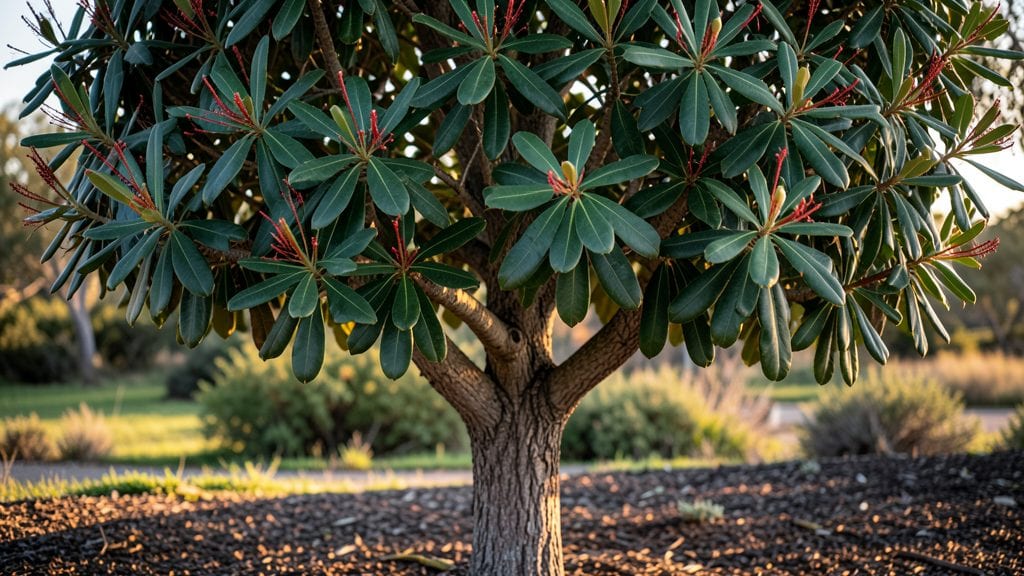
The silk leaf tree thrives in the Pacific Northwest's mild winters, making it the perfect frost-hardy addition to any landscape. 🌿 I planted mine last spring, and its fern-like foliage now provides year-round interest, with delicate pink puffball flowers in summer.
The key to keeping it healthy lies in understanding its unique needs—from soil to sunlight to when to prune for that lush, airy look.
This tree loves well-draining soil and at least six hours of sunlight daily, but it tolerates partial shade once established. Watering is simple: keep the soil consistently moist for the first year, then let it dry slightly between waterings.
The real secret to its beauty? Pruning at the right time—late winter or early spring—to encourage dense, feathery growth and remove any dead branches.
By summer, you'll have a tree that looks like a living sculpture, with soft, silvery foliage that shimmers in the breeze. The pink flowers add a romantic touch, and the tree's ability to handle frost means you won't have to fuss over winter protection.
With the right care, it grows into a stunning focal point that keeps giving back all season.
Whether you're in Seattle, Portland, or Spokane, this tree adapts well to the region's climate. Just avoid heavy clay soil, and you're set for years of low-maintenance beauty. Ready to transform your yard with this elegant, hardy tree?
📚 In This Guide
- What you need
- Instructions
- Tips and common mistakes
- Wrapping up and next steps
What you need
- ● Pruning shears: Bypass shears (sharp, clean, and sterilized with rubbing alcohol to prevent disease). Size: 6–8 inches for medium branches.
- ● Loppers: For thicker branches (½–1½ inches in diameter). Look for: Ratcheting or bypass style for precision.
- ● Hand pruners: For delicate trimming (smaller than ¼ inch). Bonus: Anvil-style for stubborn growth.
- ● Gloves: Heavy-duty, cut-resistant (e.g., Mechanix or garden gloves) to protect from thorns and sap.
- ● Disposable pruning bags: 1–2 large bags (10–20 gallons) to collect debris and reduce mess.
- ● Rubbing alcohol (70% or higher): Small bottle (8 oz) for sterilizing tools between cuts.
- ○ Pruning sealant (optional but helpful): Wound dressing (e.g., Tanglefoot Tree Wound Pruning Seal) for large cuts >½ inch.
- ● Ladder or step stool: Sturdy, non-slip (6–8 ft height for mature trees). Safety first!
- ● Winter gear: Warm layers, waterproof boots, and a hat (PNW winters are no joke!).
- ● Anti-freeze spray: Light mist (e.g., WD-40) for tools if temps drop below 32°F.
- ● Mulch: Shredded bark or wood chips (2–3 inches deep) to protect roots post-pruning.
- ● ✨ Check the forecast: Prune on a dry, calm day (avoid rain for 24–48 hours post-prune).
- ● 🔥 Map your cuts: Sketch a rough outline of branches to remove before starting.
- ● 🌡️ Timing matters: For PNW, late winter (Feb–early March) is ideal—before new growth sprouts!
Step-by-Step instructions for pruning your silk leaf tree
Here's the seasonal pruning schedule I follow to keep my silk leaf tree thriving through Pacific Northwest winters.
✂️ Step 1: Light Pruning After Spring Growth
Start your pruning in late April or early May when new growth appears—about 2-3 weeks after last frost. Remove any dead or crossing branches first using clean, sharp pruners. I cut just above a leaf node or outward-facing bud to encourage outward growth rather than inward.
Look for branches growing toward the center of the tree—these create dense, shaded areas that invite disease. Thin these out first, even if they look healthy. You'll see new shoots emerge from the sides within 4-6 weeks, signaling successful pruning.
☀️ Step 2: Summer Maintenance Pruning
In mid-to-late July, give your silk leaf tree a second light pruning to shape it and control size. Focus on removing any suckers (shoots growing from the base) and any branches that are growing too long or leggy. Cut back these branches by about one-third to encourage bushier growth.
This is also the time to check for any branches that might be rubbing against others. Smooth edges with your pruners to prevent future damage. Water deeply after pruning to help the tree recover—you'll notice fresh, vibrant growth within 2-3 weeks.
🌿 Step 3: Fall Preparation for Winter
Begin your final pruning of the year in early October, about 4-6 weeks before first frost. Remove any dead, diseased, or weak branches completely. For the remaining branches, cut back by about one-quarter to reduce the tree's overall size and make it easier to handle snow load.
I also like to thin out the center of the tree to improve airflow, which helps prevent fungal issues during the damp Pacific Northwest winters. After pruning, apply a 2-3 inch layer of mulch around the base to protect roots from freezing temperatures.
⏰ Step 4: Winter Dormancy Check and Light Pruning
During winter, limit pruning to only removing any dead or broken branches that appear. Silk leaf trees are frost-hardy, but heavy snow or ice can damage branches. If you notice any branches that have been damaged by ice or snow, prune them back to a healthy growth point in late winter.
This is also the time to plan your spring pruning. Look at your tree's shape and make mental notes about where you'll focus your efforts. You'll want to start your spring pruning as soon as the tree shows signs of new growth in the coming season.
Tips & tricks for perfect silk leaf tree pruning
Pruning your silk leaf tree at the right times and with the right techniques makes all the difference in its health and appearance. Here's what I've learned after years of keeping mine thriving in the Pacific Northwest.
Timing is Everything: The 2-3 week window after last frost in late April/early May is critical for Step 1. If you prune too early, you risk damaging new growth that hasn't hardened off yet. I check my local frost date calendar and mark my pruning date two weeks after that final frost date—this gives the tree time to start its growth cycle. For the fall pruning in Step 3, count back 4-6 weeks from your first frost date to schedule your early October session.
Pruning Technique Matters: When cutting branches in Step 1, look for the outward-facing bud just above where you're making your cut. This encourages the tree to grow outward rather than inward. For the summer pruning in Step 2, focus on removing one-third of each leggy branch—this might seem drastic, but it triggers bushier growth. I use a small notepad to sketch my tree's shape before pruning, marking which branches to trim back to maintain balance.
Seasonal Adjustments: The Pacific Northwest's damp winters mean we need to be extra vigilant about airflow in Step 3. After thinning the center, I make a point to step back and look at the tree from all angles—this helps me spot any remaining dense areas. The 2-3 inch mulch layer is non-negotiable here; I use cedar chips because they naturally repel pests while insulating roots. In winter, I only remove branches that are clearly dead or damaged—healthy branches can survive our cold snaps.
Recovery Strategy: After any pruning session, I give my tree a deep watering with a slow-release fertilizer. The 2-3 week recovery period mentioned in Step 2 is when new growth appears, so I monitor for any signs of stress like yellowing leaves. If I see this, I know I've pruned too aggressively and adjust my approach for next year. For winter damage in Step 4, I cut back to the nearest healthy growth point rather than making random cuts—this helps the tree heal properly.
Pro Tips for Silk Leaf Tree
- Pruning your silk leaf tree at the right times and with the right techniques makes all the difference in its health and appearance.
- Timing is Everything: The 2-3 week window after last frost in late April/early May is critical for Step 1.
- Pruning Technique Matters: When cutting branches in Step 1, look for the outward-facing bud just above where you're making your cut.
Frequently asked questions
Got questions about caring for your silk leaf tree (Grevillea robusta)? You’re not alone! Here are answers to the most common concerns, from pruning to winter prep—tailored for Pacific Northwest growers.
How cold can a silk leaf tree tolerate in the PNW?
A mature silk leaf tree handles light frosts down to 15–20°F, but young plants or seedlings may need winter protection (like burlap wraps or mulch). In the PNW’s wet winters, avoid soggy soil—root rot is the biggest risk. Pro tip: Plant in well-draining soil and prune back dead branches before the first frost to encourage new growth in spring.
When should I prune my silk leaf tree in the PNW?
Prune in late winter or early spring (February–March) to shape the tree and remove dead wood. Avoid heavy pruning in fall—it stimulates tender new growth that won’t survive PNW frosts. For flowering, trim back spent blooms in spring to encourage more vibrant blooms. Remember: Silk leaf trees bloom on new wood, so don’t prune too aggressively!
How do I prune for thicker foliage?
To encourage a bushier silhouette, cut back 1/3 of the oldest stems to the ground in early spring. This removes crowded branches and redirects energy to younger, denser growth. Use clean, sharp pruners to avoid tearing the leathery leaves. For a tree shape, prune selectively to open the canopy—this improves airflow and reduces disease risk. Bonus: Trim just above a leaf node (the bump where leaves attach) for the best regrowth.
What if my silk leaf tree isn’t blooming?
Silk leaf trees need full sun (6+ hours daily) and well-draining soil to flower well. If yours is struggling, check for:
- Shade: Move to a sunnier spot.
- Over-fertilizing: Too much nitrogen = leafy growth, no flowers. Use a low-nitrogen, high-phosphorus fertilizer in early spring.
- Stress: Prune back dead or diseased branches to reduce strain.
PNW’s cool summers can delay blooms—be patient! Most trees flower in late spring to early summer.
Can I grow a silk leaf tree in a container?
Yes! Choose a large pot (18"+ diameter) with drainage holes and use a fast-draining mix (like cactus/succulent blend). Container trees need regular watering (let soil dry between waterings) and annual repotting to prevent root bound. In winter, move pots to a sheltered spot or wrap the container in bubble wrap to protect roots. Warning: Container-grown trees are less frost-hardy—bring indoors if temps drop below 15°F.
Wrapping up and next steps
The silk leaf tree (Grevillea robusta) is a stunning, low-maintenance addition to the Pacific Northwest’s landscape—especially when pruned with care! 🌿 With the right tools, timing (like our frost-hardy pruning calendar), and techniques, you’ll keep it thriving for years.
Now that you’re armed with expert tips, roll up your sleeves and give your tree the TLC it deserves—your future shade and beauty are just a trim away!
💡 Next step: Mark your calendar for late winter/early spring (or post-bloom) and start pruning with confidence. Watch your silk leaf tree flourish!