
Propagation
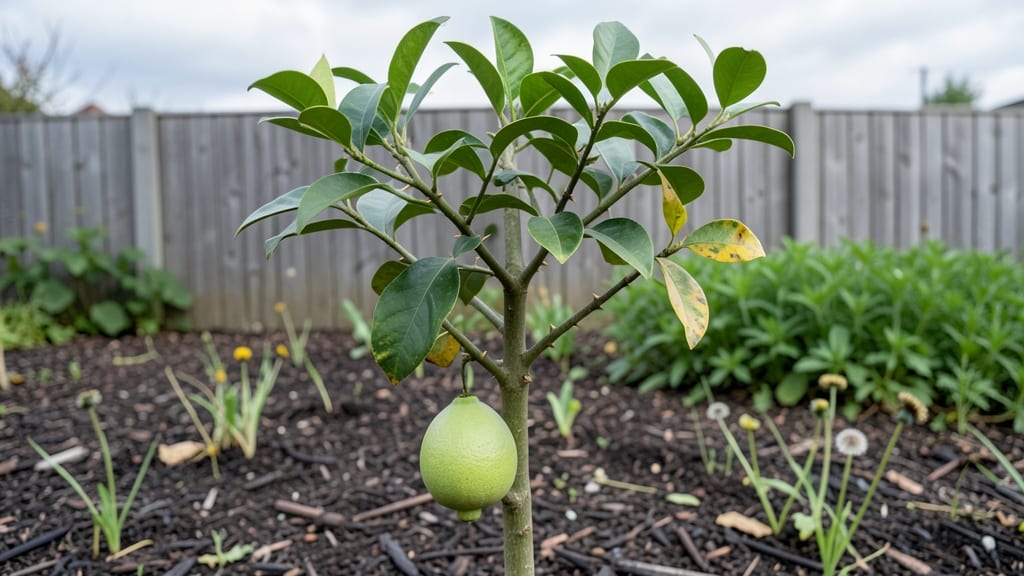
Growing a grapefruit tree from seed lets you nurture a year-round citrus treasure right in your own backyard—though it’ll take real patience. 🌱 The seeds from that grocery store grapefruit hold the potential for a lush, fragrant tree, but the journey from seed to fruit can span 5-10 years.
That first green shoot feels like magic after weeks of waiting, and the slow, steady growth becomes its own reward.
You’ll need just a few simple supplies: a warm sunny spot, well-draining soil mix, and a container with drainage holes. The real secret? Consistency—keeping soil moist but not soggy, protecting young leaves from harsh sun, and giving it time to establish roots before transplanting.
Most people rush this step, but taking it slow ensures a stronger tree that outlasts impatience.
What you’ll end up with is a tropical-looking tree that thrives indoors or outdoors, depending on your climate. The glossy leaves alone make it a conversation piece, and the first blossoms—if you’re lucky—will smell like sunshine.
Even if it never bears fruit, the journey teaches you more about citrus care than buying a grafted tree ever will.
This method works best in USDA Zones 9-11, but container growers in cooler climates can bring their trees inside during winter. The key is understanding that seed-grown trees are different from nursery varieties—expect slower growth and smaller fruit, but also a deeper connection to the plant’s life cycle.
Ready to start?
📚 In This Guide
- What you need
- Instructions
- Tips and common mistakes
- Wrapping up and next steps
What you need
- ● Grapefruit seeds: 3–5 fresh, plump seeds from a ripe grapefruit (avoid hybrid varieties like Ruby Red for best results).
- ● Small pots or seed trays: 3–4 biodegradable or plastic pots (3–4 inches in diameter) or a seed tray with drainage holes.
- ● Well-draining potting mix: A blend of 50% peat moss or coconut coir, 30% perlite or vermiculite, and 20% sand (or a pre-mixed seed-starting mix).
- ● Plastic wrap or humidity dome: To retain moisture while seeds germinate.
- ● Spray bottle with water: For gentle hydration (avoid overwatering!).
- ○ Grow lights or sunny windowsill: A south-facing window or a 12–16 hour LED grow light (optional but helpful for weak light conditions).
- ● Fertilizer (later stage): A balanced, water-soluble fertilizer (10-10-10 or 20-20-20) diluted to half-strength for young seedlings.
- ● Pruning shears or scissors: For trimming seedlings as they grow.
- ● Larger pots (6–12 inches): For transplanting seedlings after 3–6 months.
- ● Mulch or bark chips: To retain soil moisture in outdoor plantings.
- ● pH test kit: To ensure soil pH is between 5.5–6.5 (ideal for citrus).
- ● Citrus-specific fertilizer: Like Citrus-Tone or Miracle-Gro for Citrus (once the tree is established).
- ● Frost cloth or greenhouse: If you live in a cold climate (below 20°F/-7°C).
Step-by-step instructions for growing a grapefruit tree from seed
Here's how to start your own citrus tree from seed—simple, rewarding, and perfect for beginners.
🌱 Step 1: Extract and Prepare the Seed
Start with a fresh grapefruit—organic is best to avoid chemical residue. Cut the fruit in half and locate the seeds nestled in the membrane. I like to use a spoon to gently scoop them out without damaging the seed coat. Rinse the seeds thoroughly under cool water to remove any remaining fruit pulp.
Place the seeds on a paper towel and let them air-dry for 24 hours at room temperature. This prevents mold while keeping the seed viable. Once dry, wrap them in another paper towel and place them in a sealed plastic bag. Store the bag in the refrigerator for 2-4 weeks—this mimics winter dormancy and improves germination rates.
💧 Step 2: Plant the Seeds in Moist Growing Medium
Fill a small pot—3-4 inches deep—with a well-draining seed-starting mix. I avoid garden soil because it compacts too easily and can harbor diseases. Moisten the mix with water until it feels like a damp sponge, but not soggy. Plant 2-3 seeds per pot about ½ inch deep, spacing them evenly.
Cover the pot with a clear plastic dome or wrap it loosely with plastic wrap to retain moisture and warmth. Place the pot in a warm spot (75-85°F)—a seedling heat mat works wonders if you're in a cooler climate. Keep the soil consistently moist but never waterlogged. Germination can take 2-4 weeks, so patience is key.
☀️ Step 3: Provide Light and Care for Seedlings
Once the seedlings emerge, remove the plastic cover immediately to prevent damping-off—a fungal disease that attacks tender young stems. Place the pot under bright, indirect light for the first week. After that, gradually introduce 4-6 hours of morning sun daily, increasing exposure over 2 weeks to avoid leaf scorch.
Water the seedlings when the top inch of soil feels dry—this prevents overwatering, which can rot the roots. Use a spray bottle for gentle watering to avoid disturbing the delicate stems. Fertilize lightly with a balanced citrus fertilizer (5-5-5) diluted to half-strength once the seedlings have 2-3 true leaves.
🪴 Step 4: Transplant and Train the Young Tree
When the seedlings are 4-6 inches tall and have 4-5 true leaves, choose the strongest one and transplant it into a 5-gallon pot with a citrus-specific potting mix. I always add a handful of perlite to improve drainage—citrus roots hate soggy conditions. Place the pot in a location with full sun (6+ hours daily) and protect it from strong winds.
Prune any leggy or weak growth to encourage a bushier shape. Pinch back the tips of the new growth to promote branching. By the time your tree reaches 12 inches tall, it’s ready for a 7-10 gallon pot if you’re keeping it indoors. If outdoors, wait until spring to transplant into the ground in a well-draining, slightly acidic soil (pH 6.0-7.0).
⏰ Step 5: Maintain Through the First Year
Water deeply once a week during the growing season, allowing the top 2 inches of soil to dry out between waterings. In winter, reduce watering to every 2-3 weeks—citrus trees are drought-tolerant but hate wet feet. Fertilize every 4-6 weeks during spring and summer with a citrus-specific fertilizer, following the package instructions.
Watch for pests like aphids or scale insects—wipe them off with a damp cloth or spray with neem oil if they appear. By the end of the first year, your grapefruit tree will likely be 3-5 feet tall and ready to produce its first flowers. Just remember, seed-grown trees may take 5-10 years to bear fruit, but the journey is worth it!
Tips & tricks for perfect grapefruit tree growth
These simple yet powerful tips will help you avoid common pitfalls and give your grapefruit tree the best possible start.
Seed Preparation: The 24-hour drying period for your seeds is crucial—don't rush it! I've learned the hard way that skipping this step can lead to moldy seeds. After drying, place them in a sealed bag in the refrigerator for the full 2-4 weeks. This cold stratification mimics natural winter conditions and significantly boosts germination rates. If you're impatient, you can speed up germination by soaking the seeds in warm water for 12 hours before planting, but don't skip the refrigeration entirely.
Germination Environment: Maintaining that 75-85°F temperature range is key to successful germination. If your home runs cooler, consider using a seedling heat mat underneath the pot. I've found that placing the pot on top of my refrigerator (not inside) creates the perfect warm spot without overheating. The plastic dome or wrap creates a mini greenhouse effect—just remember to remove it immediately once sprouts appear to prevent damping-off disease.
Light Transition: When you're gradually increasing sunlight from bright indirect to 4-6 hours of morning sun, start with just 1-2 hours of direct sun per day. Watch your seedlings closely for signs of stress like yellowing leaves or wilting. I've seen many beginners rush this process and end up with sunburned seedlings. If you notice any damage, move the plant back to indirect light for a few days before trying again.
Transplanting Strategy: When transplanting your 4-6 inch seedlings, focus on the strongest one with the most vibrant leaves. Gently squeeze the soil around the roots to encourage them to spread out before placing in the new pot. This technique helps prevent transplant shock. For outdoor planting, wait until spring when soil temperatures are consistently above 60°F—citrus roots are sensitive to cold and may not establish properly in cooler weather.
Pro Tips for Grapefruit Tree From Seed
- These simple yet powerful tips will help you avoid common pitfalls and give your grapefruit tree the best possible start.
- Seed Preparation: The 24-hour drying period for your seeds is crucial—don't rush it!
- Germination Environment: Maintaining that 75-85°F temperature range is key to successful germination.
Frequently asked questions
Growing a grapefruit tree from seed is exciting but comes with questions! Here are answers to the most common ones to help you succeed:
How long does it take for a grapefruit seed to sprout?
A grapefruit seed typically sprouts in 2–4 weeks if kept warm (70–85°F) and moist. Patience is key—some seeds may take longer, especially if stored improperly. If no sprouts appear after 6 weeks, try replanting the seed or check for rot (soft, mushy texture).
Will my seed-grown grapefruit tree bear fruit?
Seed-grown trees rarely produce true grapefruit—most yield small, tart, or inedible fruit due to genetic variation. For reliable fruit, graft a cultivated variety onto your seedling later. If fruit does appear, expect it in 5–10 years (vs. 3–5 years for grafted trees).
What’s the best temperature for growing a grapefruit seed indoors?
Keep your seedling in a warm spot (65–80°F) during the day and avoid drafts. A sunny windowsill (south-facing) or grow light works best. If temperatures drop below 50°F, move it indoors or use a heat mat. Grapefruit trees are tropical—consistent warmth speeds growth!
Can I plant the seedling directly outside, or should I wait?
Wait until the seedling is 1–2 feet tall with 4–6 leaves before transplanting outdoors (after last frost). Harden it off by placing it outside for 2–3 hours daily for a week before full exposure. Choose a well-draining spot in full sun—grapefruit trees hate soggy roots!
What if my seedling grows tall but leggy? How do I fix it?
Leggy growth means too little light. Rotate the pot weekly for even exposure and move it closer to a sunny window or under grow lights (12–16 hours/day). Prune the top leaves to encourage bushier growth, but avoid cutting more than 1/3 of the plant at once.
Are there easier citrus trees to grow from seed?
Yes! Meyer lemon and calamondin orange seeds sprout faster and are more forgiving. Grapefruit seeds are trickier due to their thick, slow-to-germinate shells. If you want fruit sooner, consider buying a grafted grapefruit tree instead.
Wrapping up and next steps
Growing a grapefruit tree from seed is a rewarding journey that connects you to nature’s bounty—literally! While patience is key (it may take years for fruit), the process is simple, cost-effective, and deeply satisfying.
Whether you’re drawn to the challenge or the dream of homegrown citrus, every step—from seed to sapling—is a lesson in resilience and care.
Ready to take the next step? Start small:
- Pick a sunny spot and gather your supplies.
- Plant that first seed with confidence—your future tree is waiting!
Happy growing! 🌱🍊