
Pruning
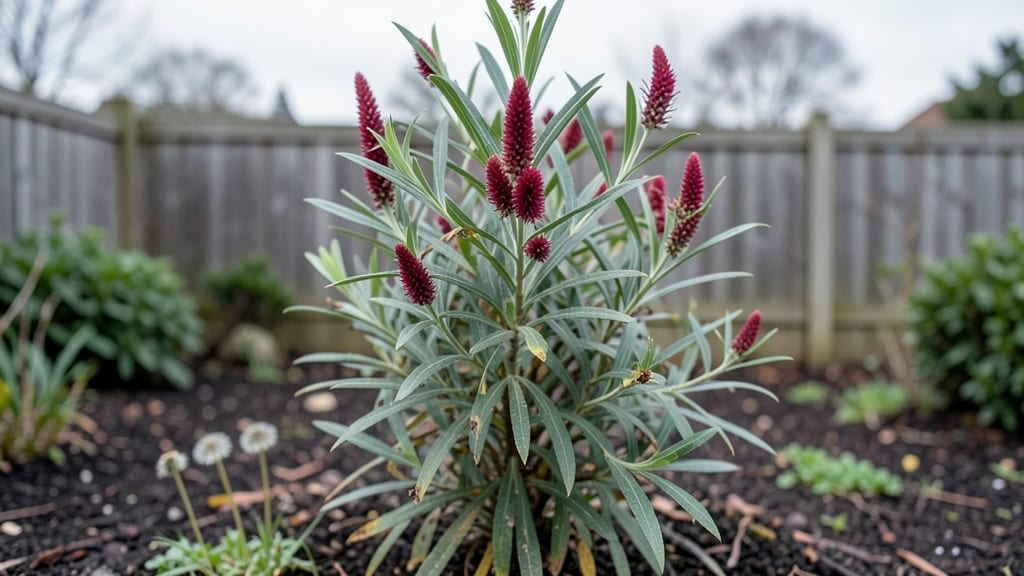
The powder puff tree's fluffy pink blooms transform any Pacific Northwest garden into a dreamy pink cloud. 🌸 I planted mine last spring, and now it’s the centerpiece of my yard—frost-resistant and thriving where many tropical plants fail.
The secret isn’t just the right soil or sunlight; it’s knowing how to prune for resilience when temperatures dip.
This tree loves well-draining soil and at least 6 hours of sun daily, but the real magic happens in winter. Unlike many tropical plants, powder puff trees handle light frosts—though they’ll need light pruning after cold snaps to encourage fresh growth.
Start with a 5-gallon pot for young plants, then transplant once established, and you’ll see those signature blooms return every year.
By summer’s end, your tree will be covered in soft, cotton-candy-like flowers that attract hummingbirds and add a whimsical touch to your landscape. The key is minimal pruning—just shape it in early spring and trim back any frost-damaged branches.
With the right care, it’ll reward you with years of effortless blooms and that coveted Pacific Northwest charm.
Works beautifully in containers or planted directly in the ground, making it perfect for patios, borders, or even as a striking focal point. Let’s get yours growing strong—no tropical greenhouse required!
📚 In This Guide
- What you need
- Instructions
- Tips and common mistakes
- Wrapping up and next steps
What you need
- ● Bypass pruners – Sharp, clean bypass pruners (not anvil-type) for precise cuts on smaller branches (¼"–¾" thick). Example: Felco F-2 or Corona Bypass.
- ● Loppers – For thicker branches (¾"–1½" thick). Look for ratcheting loppers for extra leverage. Example: Fiskars X27.
- ● Pruning saw – For branches thicker than 1½". A bow saw or pruning saw with a curved blade works best. Example: Bahco Laplander.
- ● Gloves – Heavy-duty gardening gloves (cut-resistant) to protect against thorns and sap.
- ● Disinfectant – 70% isopropyl alcohol or a pruning sealant (like Tanglefoot Tree Wound Pruning Sealer) to prevent disease.
- ● Rags or paper towels – For cleaning tools between cuts.
- ● Trash bags – Heavy-duty to collect pruned branches.
- ● Ladder or stool – If your tree is taller than 6 feet (adjustable extension ladders work well).
- ○ Marking twine or tape – Optional, for outlining cuts on larger branches.
- ● Best time to prune – Late winter or early spring (before new growth starts) for frost-resistant shaping.
- ● Weather check – Avoid pruning in freezing or rainy conditions.
- ● Safety first! – Wear closed-toe shoes and check for power lines if pruning near structures.
Step-by-Step instructions for cultivating a thriving powder puff tree
This hardy Pacific Northwest native deserves careful shaping—here’s how to prune for both beauty and resilience.
🌿 Step 1: Understand the Tree’s Natural Growth Habits
The powder puff tree (Calliandra eriophylla) thrives in USDA zones 8-11, but with strategic pruning, it can survive brief frosts in the Pacific Northwest. Its delicate, feathery pink blooms form at the tips of new growth, so pruning too aggressively removes next season’s flowers. I always prune just after blooming—around mid-to-late summer—to avoid cutting back the current year’s flower buds.
Look for the tree’s open, airy branching habit—this is its natural shape. Avoid shearing, which encourages dense, leggy growth. Instead, focus on selective thinning to improve airflow and sunlight penetration. The goal is to maintain that light, wispy silhouette while strengthening the structure.
✂️ Step 2: Prune for Frost Resistance and Air Circulation
Start by removing dead, diseased, or crossing branches first—these are weak points where cold air can settle. Use clean, sharp pruning shears to make cuts at a 45-degree angle, about ¼ inch above a leaf node or outward-facing bud. This ensures the wound heals properly and new growth emerges in the right direction.
Next, thin out overcrowded branches to open the canopy. Aim to reduce branch density by 20-30%—this prevents frost pockets and allows sunlight to reach the inner foliage. If you’re preparing for winter, avoid heavy pruning; instead, focus on light shaping to reduce wind resistance. The tree’s natural resilience comes from its ability to regenerate, so don’t stress over perfection.
☀️ Step 3: Shape for Year-Round Interest
After the initial pruning, step back and assess the tree’s form. The powder puff tree’s charm lies in its feathery foliage and cascading blooms, so prune to encourage a rounded, slightly weeping habit. Trim back the longest branches by ⅓ to promote bushier growth, but avoid cutting into old wood—this won’t regenerate well.
For a more structured look, you can stake and train the branches as they grow, gently tying them to a support if needed. This is especially useful in windy Pacific Northwest gardens. Mulch the base with 2-3 inches of organic mulch (like wood chips) to insulate roots during cold snaps. Water deeply once a week during dry spells to keep the soil consistently moist but not soggy.
⏰ Step 4: Winter Care for Frost Hardiness
Once temperatures drop below 25°F, protect young trees or newly pruned specimens with burlap wraps or a light frost cloth. Avoid heavy covers that trap moisture and encourage rot. In the Pacific Northwest’s mild winters, mature trees often survive without extra protection, but a thin layer of mulch around the base adds an extra buffer against frost heave.
Prune again in early spring (February-March) to remove any frost-damaged branches. You’ll know a branch is dead if it’s brittle, dark, or doesn’t bleed sap when cut. The tree will rebound quickly in spring, producing fresh growth and those signature pink puffball flowers by summer.
Tips & tricks for perfect powder puff tree pruning
Mastering the art of pruning your powder puff tree takes patience and precision—here’s how to get it right every time.
Timing is Everything: The mid-to-late summer timing specified in Step 1 is critical because it allows the tree to establish new growth before winter. If you prune too early, you risk removing next year’s flower buds, while pruning too late can stress the tree before it enters dormancy. I’ve learned this the hard way—after pruning too early one summer, my tree produced only half the expected blooms the following season.
Branch Angle Matters: When making cuts in Step 2, those 45-degree angles aren’t just for aesthetics—they’re essential for proper wound healing. A proper angle prevents water from pooling in the cut, which can lead to rot. Always cut just above a leaf node or outward-facing bud to encourage healthy regrowth. I keep a small notepad by my tools to remind myself of this detail when working on multiple trees.
Thinning Strategy: The 20-30% reduction in branch density mentioned in Step 2 is a guideline, not a strict rule. In dense canopies, you might need to thin up to 40% to improve airflow. Start conservatively—you can always remove more later if needed. I like to step back every few cuts to visualize the tree’s form, ensuring I’m maintaining that light, airy silhouette.
Winter Protection Nuance: The 25°F threshold in Step 4 is a good starting point, but young trees or newly pruned specimens may need protection at slightly higher temperatures. In the Pacific Northwest’s coastal regions, where winters are milder, you might delay wrapping until 20°F. Pay attention to your local microclimate—what works in Portland might not be ideal for Seattle’s rainier winters.
Pro Tips for Powder Puff Tree
- Mastering the art of pruning your powder puff tree takes patience and precision—here’s how to get it right every time.
- Timing is Everything: The mid-to-late summer timing specified in Step 1 is critical because it allows the tree to establish new growth before winter.
- Branch Angle Matters: When making cuts in Step 2, those 45-degree angles aren’t just for aesthetics—they’re essential for proper wound healing.
Frequently asked questions
How cold-hardy is the powder puff tree, and will it survive PNW winters?
The powder puff tree is highly frost-resistant, typically handling temperatures down to 10–15°F (-12 to -9°C). Most varieties thrive in USDA Zones 7–10, making it a stellar choice for the PNW’s mild winters—just avoid planting in frost pockets where cold air settles. Pro tip: Mulch around the base in late fall to insulate roots!
When’s the best time to prune my powder puff tree for healthy growth?
Prune in late winter or early spring (before new growth) to shape the tree and encourage dense blooms. Avoid heavy pruning in fall—it can stimulate tender new growth that won’t survive winter. Light trimming after flowering (summer) is fine to maintain shape, but skip harsh cuts.
Why are my powder puff tree leaves turning yellow or brown?
Yellowing leaves often signal overwatering or poor drainage—these trees prefer well-draining soil. Brown edges? It could be underwatering, salt buildup (from tap water), or winter burn. Check soil moisture (top 2 inches should dry out between waterings) and flush soil with water if salts are suspected.
Can I grow a powder puff tree in a container, or is it better planted in the ground?
Yes! Powder puff trees adapt well to large containers (15+ gallons) with drainage holes. Use a fast-draining potting mix and repot every 2–3 years. Container-grown trees may need winter protection (move to a sheltered spot or wrap the pot in burlap) in harsh PNW winters.
How do I encourage more flowers on my powder puff tree?
Flowers thrive on pruning and sunlight! Prune back 1/3 of the oldest stems annually to stimulate new growth. Ensure it gets 6+ hours of sun daily—partial shade reduces blooms. Fertilize lightly in spring with a low-phosphorus, high-nitrogen formula to support foliage and flower production.
Wrapping up and next steps
The powder puff tree is a stunning, low-maintenance addition to Pacific Northwest gardens, thriving even in frost with minimal effort! With the right pruning techniques, you’ll enjoy its fluffy blooms for years—and—create a pollinator paradise.
Whether you’re a pruning pro or a curious beginner, this guide gives you the confidence to shape your tree while keeping it healthy.
Ready to transform your garden? Grab your shears and start pruning today—your powder puff tree will thank you with vibrant blooms and lush growth! 🌿✨