
Pruning
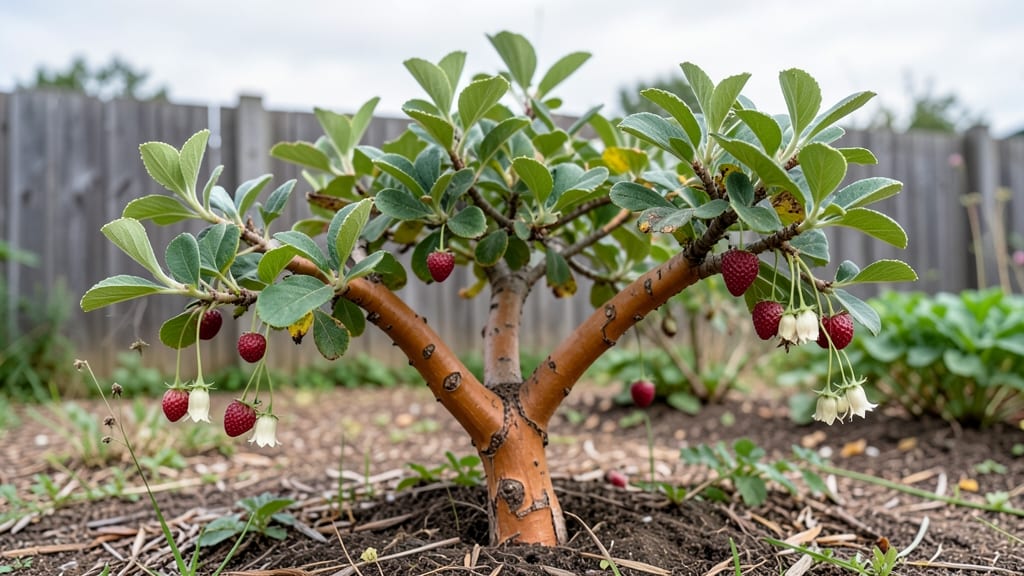
Growing a strawberry tree (Arbutus spp.) in Oregon rewards you with year-round interest—peeling bark, fragrant white blooms, and edible berries that taste like strawberries. 🌿 I’ve watched mine thrive in Portland’s mild winters and coastal fog, proving this Mediterranean native can handle Oregon’s quirks if you know the tricks.
The secret lies in mimicking its natural habitat: well-draining, slightly acidic soil (think 6.0–6.5 pH) and morning sun with afternoon shade to prevent leaf scorch. Inland areas need extra winter protection—mulch heavily or wrap the trunk in burlap to shield from freezing winds.
Coastal plants? They’ll handle more exposure, but watch for salt spray near the ocean.
Pruning in late winter unlocks the magic—cut back one-third of old growth to encourage fresh, vibrant shoots and next year’s flowers. The result? A tree that blooms spring through fall, with berries ripening in late summer.
Even in Oregon’s damp climate, these trees stay disease-resistant when given the right care.
Pair it with native companions like salal or Oregon grape for a low-maintenance, drought-tolerant understory. Whether you’re in Eugene’s rainy shadow or the Willamette Valley’s sunny pockets, this tree delivers four-season beauty with minimal fuss. Let’s get yours growing!
📚 In This Guide
- What you need
- Instructions
- Tips and common mistakes
- Wrapping up and next steps
What you need
- ● Strawberry tree sapling or bare-root plant: Choose a 1-3 gallon container-grown specimen or a bare-root plant (available at local nurseries like blank">Willamette Nursery or blank">The Oregon Garden). Opt for Arbutus 'Marina' or 'Compacta' for Oregon’s climate.
- ● Well-draining soil mix: Combine 50% native Oregon soil (sandy loam) with 30% compost and 20% coarse sand or perlite to mimic its natural habitat.
- ● Organic mulch: 3-4 inches of cedar chips or pine bark (avoid wood chips from treated lumber).
- ● Pruning tools: Bypass pruners: Sharp, high-quality (e.g., Felco F-2 or Corona)
- ● Loppers: For thicker branches (1-2 inch diameter)
- ● Pruning saw: For 2+ inch branches (e.g., Fiskars X7)
- ● Disinfectant: 70% isopropyl alcohol or 10% bleach solution (1 part bleach to 9 parts water) to sterilize tools.
- ● Gloves: Heavy-duty gardening gloves (e.g., Wet & Forget or Fellex) to protect against thorns and sap.
- ● Ladder or step stool: For pruning 6+ foot branches (e.g., Little Giant folding ladder).
- ○ Soil pH tester: Aim for 5.0–6.5 pH (optional but helpful for Oregon’s acidic soils).
- ● Slow-release fertilizer: Balanced 10-10-10 or organic options like fish emulsion (apply in early spring).
- ● Drip irrigation system: For consistent moisture (strawberry trees hate soggy roots!).
- ● Plant stakes or cages: To support young trees in windy Oregon sites.
- ● Sunlight: Full sun (6+ hours/day) or partial shade (mornings sun, afternoons shade in hot valleys).
- ● Planting location: Sheltered from strong winds (e.g., near a fence or building).
- ● Water access: Drip hose or watering can for the first 2 weeks post-planting.
- ● Knowledge of Oregon’s frost dates: Last frost is typically mid-April to early May (varies by region).
Step-by-Step guide to pruning your strawberry tree in Oregon
Here’s how to coax year-round blooms from your strawberry tree using Oregon’s mild climate to your advantage.
✂️ Step 1: Time Your Pruning for Late Winter Dormancy
Prune your strawberry tree between late February and early March when it’s still dormant but buds are swelling—this is critical for Oregon’s unpredictable spring weather. The goal is to remove dead, crossing, or weak branches while preserving the tree’s natural shape. I like to start by removing any branches that are thinner than a pencil; these rarely produce quality blooms and compete with stronger growth.
Use clean, sharp pruners to make cuts just above a bud or branch collar. Avoid leaving stubs—they invite disease. If you’re unsure which branches to cut, look for ones growing inward or rubbing against others. These will shade out flowers and create entry points for pests. Oregon’s damp winters mean wounds take longer to heal, so keep cuts smooth and avoid tearing the bark.
☀️ Step 2: Encourage Airflow and Sun Exposure
Strawberry trees thrive in full sun to partial shade, but Oregon’s coastal fog can limit sunlight. After your initial pruning, focus on thinning out the canopy to let light penetrate to the center. Aim to remove 20-30% of the foliage—this might sound aggressive, but it’s what triggers dense, bushier growth and more blooms. I target branches that are growing too close together, as they’ll compete for sunlight and nutrients.
You’ll know you’ve done it right when you can see sunlight reaching the inner branches. If your tree is in a shady spot, avoid heavy pruning—focus instead on removing only the dead or diseased wood. After pruning, give the tree a light fertilizer application (low-nitrogen, high-phosphorus) to support new growth. This is especially important in Oregon’s acidic soils, where nutrients can leach quickly.
🌿 Step 3: Summer Pruning for Continuous Blooms
Unlike many trees, strawberry trees bloom on both old and new wood, so you can prune lightly throughout the summer to encourage more flowers. After each flush of blooms fades, trim back spent flower stalks to just above a leaf node. This redirects the tree’s energy into producing new growth rather than setting seed. I do this every 4-6 weeks during the growing season, which keeps the tree looking tidy and promotes a second (or even third) round of blooms.
Watch for suckers—those little shoots sprouting at the base of the tree. While they’re not harmful, they drain energy from the main plant. Remove them promptly with your fingers or pruners. In Oregon’s mild summers, you might also notice soft, new growth that’s vulnerable to slugs. A light application of diatomaceous earth around the base can help without harming the tree.
⏰ Step 4: Light Pruning in Early Fall for Winter Prep
As temperatures drop in October or November, do a final light pruning to remove any dead or diseased branches that might have appeared over the summer. This is also the time to shape the tree for winter. I like to keep the outer branches slightly shorter than the inner ones—this helps snow (if you get any) slide off easily and prevents branch breakage. Avoid heavy pruning now, as the tree needs all its energy to harden off for winter.
Mulch the base of the tree with 2-3 inches of organic mulch (like wood chips) to insulate the roots. Oregon’s wet winters can cause root rot, so ensure your mulch isn’t piled directly against the trunk—leave a 2-inch gap to prevent moisture buildup. This final step sets your tree up for another season of vibrant blooms, no matter how unpredictable Oregon’s weather gets.
Tips & tricks for pruning your strawberry tree in Oregon
These pro tips will help you master the art of pruning your strawberry tree for maximum blooms—especially in Oregon's unique climate.
Timing is Everything: The late February to early March window for Step 1 is non-negotiable for Oregon's unpredictable spring weather. If you miss this timing, you risk cutting back new growth that's just starting to form. I've seen trees in the Willamette Valley bloom twice as abundantly when pruned at this exact time—don't rush it! The key is waiting until buds begin to swell but before active growth starts.
Branch Selection Strategy: In Step 1, when identifying branches thinner than a pencil, also look for branches growing at sharp angles (greater than 45 degrees) from the main trunk. These are more prone to breaking in Oregon's occasional wind storms. For Step 2's 20-30% foliage reduction, prioritize removing branches that are crossing or rubbing against each other—these create entry points for fungal diseases common in our damp climate.
Seasonal Maintenance Schedule: The 4-6 week summer pruning interval in Step 3 works perfectly for Oregon's mild summers. I've found that sticking to this schedule prevents the tree from becoming overgrown while maintaining continuous blooming. Mark your calendar for the first week of June, July, and August to stay on track—these are the optimal times to redirect the tree's energy toward new growth rather than seed production.
Winter Prep Essentials: For Step 4's fall pruning, remember that Oregon's coastal areas get significantly more rain than inland regions. If you're in the Portland area, extend your mulching to 3 inches rather than the standard 2-3 inches to provide extra insulation against our wet winters. The 2-inch gap from the trunk is crucial—this prevents moisture buildup that can lead to root rot, which is particularly problematic in our acidic soils.
Pro Tips for Strawberry Tree Oregon
- These pro tips will help you master the art of pruning your strawberry tree for maximum blooms—especially in Oregon's unique climate.
- Timing is Everything: The late February to early March window for Step 1 is non-negotiable for Oregon's unpredictable spring weather.
- Branch Selection Strategy: In Step 1, when identifying branches thinner than a pencil, also look for branches growing at sharp angles (greater than 45 degrees) from the main trunk.
Frequently asked questions
How often should I prune my strawberry tree in Oregon?
Prune your strawberry tree once a year, ideally in late winter or early spring (February–March) before new growth begins. Light maintenance (removing dead branches) can happen anytime, but avoid heavy pruning in fall—it stimulates tender growth that may not survive Oregon’s wet winters.
Can strawberry trees survive Oregon’s cold winters?
Strawberry trees are hardy to USDA Zone 7, making them perfect for Oregon’s climate. They tolerate light frost and even thrive in coastal areas with mild winters. Just avoid pruning in winter—wait until spring to prevent frost damage to fresh cuts.
Why aren’t my strawberry tree’s berries ripe or falling off?
If berries aren’t ripening, check for sunlight (6+ hours/day) and well-draining soil. Overwatering or poor drainage can cause fruit drop. Also, patience is key—berries ripen slowly (6–8 months!). If birds are the issue, try netting or harvesting early.
What’s a good alternative if I can’t grow a strawberry tree?
If space or climate is a concern, try Oregon grape (Mahonia aquifolium) or salal (Gaultheria shallon)—both are native, drought-tolerant, and offer seasonal interest. For edible options, currants (Ribes spp.) or gooseberries thrive in similar conditions.
How do I fix my strawberry tree’s leggy or sparse growth?
Leggy growth often means too much shade or over-pruning. Move it to a sunnier spot and prune selectively—focus on removing only dead or crossing branches. Fertilize lightly in spring with balanced, organic fertilizer (10-10-10) to encourage bushier growth.
Wrapping up and next steps
Growing a strawberry tree in Oregon is a rewarding journey that brings vibrant blooms and sweet berries year-round—especially with the Pacific Northwest’s pruning secrets!
By mastering the right techniques, you’ll enjoy lush foliage, abundant fruit, and a thriving landscape that stands out. Now’s your chance to transform your garden into a berry-filled paradise!
Ready to take the next step? Start by marking your calendar for seasonal pruning sessions and keep an eye on your tree’s growth. With patience and care, your strawberry tree will flourish, offering beauty and bounty for years to come. 🌿✨