
Container Gardens
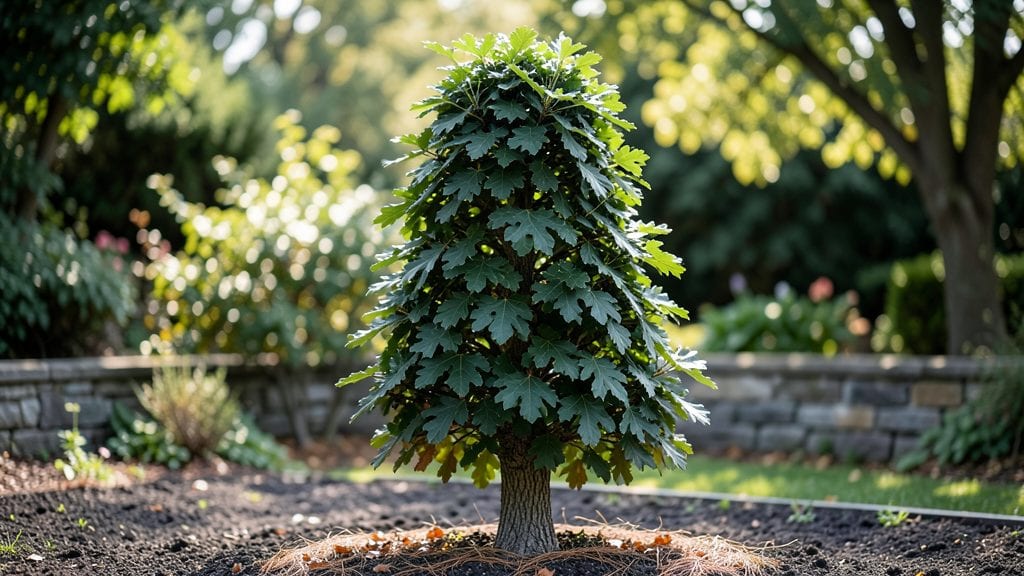
Growing a potted oak tree in the Pacific Northwest isn’t just possible—it’s a game-changer for small spaces and urban yards. 🌳 I’ve nurtured container-grown oaks through our rainy winters and discovered the perfect species that thrive in pots without sacrificing their iconic strength.
The key? Matching the right oak to your climate, soil, and sunlight—plus a few clever tricks to keep roots happy in limited space.
Not all oaks tolerate containers, but cold-hardy varieties like the Pin Oak or White Oak (dwarf cultivars) handle the Pacific Northwest’s chill and humidity better than most.
You’ll need a minimum 20-gallon pot for young trees, amended soil that drains fast but holds moisture, and a spot that gets at least 6 hours of sun daily—even filtered light works if you’re in a shaded yard. The real secret?
Pruning roots every 2–3 years to prevent binding, which keeps the tree healthy and manageable.
What you’ll end up with is a mature-looking oak that stays compact enough for patios or balconies, complete with acorns and that unmistakable oak aroma after rain. It’s slower-growing than annuals, but the payoff—a living centerpiece that outlives most container plants—makes it worth the patience.
Plus, you’ll avoid the heartbreak of transplant shock when moving it later.
For those who want instant impact, consider dwarf Japanese maples or serviceberry shrubs as alternatives—they offer similar structure and seasonal interest without the long-term commitment. But if you’re ready to invest in a tree that’ll outlive you, let’s get your potted oak off to the right start.
📚 In This Guide
- What you need
- Instructions
- Tips and common mistakes
- Wrapping up and next steps
What you need
- ● Container: A large, durable pot (at least 18–24 inches in diameter and depth) with drainage holes. Terra-cotta or heavy plastic works best for stability.
- ● Potting Soil: 3–5 gallons of high-quality, well-draining container mix (e.g., 60% potting soil, 30% perlite/pumice, 10% compost). Avoid garden soil—it compacts!
- ● Oak Tree Sapling: A 1–3 year-old Quercus species (e.g., Oregon white oak, cold-hardy to USDA Zone 6). Buy from a reputable nursery.
- ● Drainage Layer: 2–3 inches of gravel, expanded clay pebbles, or broken pottery to prevent root rot.
- ● Mulch: 1–2 inches of wood chips or bark mulch (keep it 2–3 inches away from the trunk to avoid moisture buildup).
- ● Watering Can or Hose: With a gentle spray nozzle for even moisture distribution.
- ● Fertilizer: Slow-release, organic fertilizer (e.g., 10-10-10 or oak-specific blend) applied 2–3 times per year.
- ● Gloves & Pruners: For handling roots and trimming (sterilize with rubbing alcohol!).
- ● Trowel or Spade: For digging and adjusting soil.
- ○ Moisture Meter (Optional): To check soil moisture—oaks hate soggy roots!
- ● Winter Protection (PNW-Specific): Burlap Wrap or Tree Guard: For young trees in Zone 6–7 winters.
- ● Insulating Blanket: Wrap the pot and roots if temps drop below 10°F.
- ○ Support Stakes (Optional): If your oak grows taller than 6 feet, use 2–3 stakes + soft ties to prevent tipping.
Step-by-step instructions for growing a cold-hardy oak tree in containers
Here's how to nurture a Pacific Northwest oak tree in pots—where most fail, yours will thrive.
🪴 Step 1: Select the Right Oak Species and Container
Choose a dwarf or semi-dwarf oak variety like 'Emerald Green' Bur Oak (Quercus robur) or 'Skyrocket' White Oak (Quercus alba), bred for container life. These handle PNW winters better than native species. The pot must be at least 24 inches deep and wide—oaks need root space to prevent girdling and support their weight.
Use unglazed terra cotta or breathable fabric pots to prevent root rot. Drill additional drainage holes if your container lacks them—oaks hate soggy roots. I line the bottom with 1 inch of gravel to improve drainage and prevent soil compaction. Place the pot on casters for easy winter protection moves.
🌱 Step 2: Prepare the Soil Mix for Long-Term Health
Oaks demand fast-draining, nutrient-rich soil that mimics their forest floor roots. Blend 60% high-quality potting mix, 20% coarse sand or perlite, and 20% compost for aeration and organic matter. Avoid garden soil—it compacts and suffocates roots. I add a slow-release fertilizer (10-10-10) mixed into the bottom 6 inches of soil for steady nutrition.
Test the mix by squeezing a handful—it should hold shape but crumble when pressed. If it sticks together, add more sand. The goal is moisture retention without waterlogging, critical for oak roots that rot easily. Mulch the surface with 2 inches of pine bark fines to conserve moisture and regulate temperature.
☀️ Step 3: Plant and Position for Maximum Sunlight
Dig a hole twice as wide as the root ball but no deeper—oaks hate being planted too low. Loosen the roots gently if pot-bound, then place the tree so the top of the root ball sits 1 inch above soil level. This prevents water pooling around the trunk. Backfill with your custom mix, tamping lightly to eliminate air pockets.
Position the pot in full sun (6+ hours daily)—oaks need intense light to develop strong wood. In the PNW, this means south-facing spots or under high-intensity grow lights during winter. I move my potted oak every 2 weeks to prevent one-sided growth. Water deeply immediately after planting to settle the soil.
💧 Step 4: Water and Fertilize for Container-Specific Needs
Oaks in pots dry out faster than in-ground trees. Water deeply when the top 3 inches of soil feel dry—stick your finger in to check. In summer, this means 2-3 gallons per watering; in winter, reduce to 1 gallon every 10-14 days. Overwatering is the #1 killer—yellowing leaves signal root stress, not thirst.
Fertilize once in spring with a balanced, slow-release formula (10-10-10) and again in early summer. Avoid high-nitrogen feeds—oaks grow slowly and prioritize root development. I top-dress with compost annually in late fall to replenish organic matter. Never fertilize in winter—dormant trees can't process nutrients.
⏰ Step 5: Protect and Prune for Winter Survival
PNW winters test container oaks' limits. Wrap the pot in bubble wrap or frost cloth once temperatures drop below 25°F, and move it to a sheltered, unheated garage or porch. Elevate pots on wooden blocks to prevent frost heave. Prune only in late winter (February) to remove dead branches and shape the tree—never prune in fall or you risk dieback.
Thin the canopy by cutting back 1/3 of the smallest branches at the branch collar. This improves airflow and reduces winter damage. I also reduce watering by half in fall to encourage dormancy. With these steps, your oak will survive winters and thrive for decades—unlike most container trees that give up after a few years.
Tips & tricks for perfect potted oak tree care
Here's what I've learned after watching container oaks thrive where others fail—these are the details that make all the difference.
Container Selection: The 24-inch minimum size is non-negotiable, but don't overlook the material. Unglazed terra cotta may look traditional, but it dries out faster in PNW summers. For better moisture retention, I recommend breathable fabric pots with built-in drainage—just ensure they have those extra holes. The casters aren't just for convenience; they let you quickly move your oak to shelter when sudden cold snaps hit below 25°F.
Soil Science: That 60-20-20 mix ratio (potting mix, sand/perlite, compost) is your oak's lifeline. The key is testing it: squeeze a handful—it should crumble when pressed but hold shape. If it sticks together, add more perlite. I've seen oaks fail within months because owners skipped this test and ended up with compacted soil that suffocates roots. Pro tip: Save your used pine bark mulch from previous years—it breaks down into perfect organic matter.
Light Strategy: The 6+ hours of daily sun is critical, but here's the secret: rotate your pot every 2 weeks. This prevents that classic "one-sided" growth where the tree leans toward the sun. In winter, supplement with high-intensity grow lights if your south-facing spot gets limited sunlight. I use LED grow lights on a timer for 12 hours daily—it keeps the foliage vibrant until spring.
Winter Survival: That 25°F threshold is your warning point, but don't wait until the last minute. Start monitoring forecasts in November and have your bubble wrap/frost cloth ready. Elevating on wooden blocks prevents frost heave that can crack pots and damage roots. I also move mine to an unheated garage with a small space heater set to 40°F—just enough to prevent freezing without encouraging rot.
Pro Tips for Potted Oak Tree
- Here's what I've learned after watching container oaks thrive where others fail—these are the details that make all the difference.
- Container Selection: The 24-inch minimum size is non-negotiable, but don't overlook the material.
- Soil Science: That 60-20-20 mix ratio (potting mix, sand/perlite, compost) is your oak's lifeline.
Frequently asked questions
Got questions about keeping a potted oak tree thriving in your Pacific Northwest space? You’re not alone! Here are some of the most common concerns—plus straightforward answers to help you grow with confidence.
What’s the best type of oak tree for a container in the PNW?
Opt for Quercus robur (English oak) or Quercus palustris (pin oak) varieties—both tolerate cooler climates and container life. Avoid species like white oak, which struggle in pots long-term. Always check the tag for cold-hardiness ratings (Zone 5+ is ideal for the PNW).
How do I protect my potted oak from winter frost?
Move your tree to a sheltered spot (like a garage or under an eave) before temps drop below 20°F. Wrap the pot in bubble wrap or use a tree blanket for extra insulation. Water sparingly—overwatering in winter can lead to root rot.
How often should I water a potted oak tree?
Check soil moisture weekly: top 2 inches dry = time to water. Oaks in containers dry out faster than in-ground trees. Use a well-draining mix (60% potting soil, 30% perlite, 10% compost) to prevent soggy roots. Pro tip: Drip irrigation or self-watering pots help maintain consistency!
Can I keep a potted oak tree small forever, or will it outgrow its container?
Oaks grow 1–2 feet per year—even in pots! Prune roots annually (every 2–3 years) to curb size, but expect eventual transplanting to a larger container or ground. Warning: Roots circling the pot (girdling) can strangle growth—repot if you spot this!
What pests should I watch for in a potted oak?
Keep an eye out for aphids, scale insects, and oak leaf rollers. Spray with neem oil or insecticidal soap at the first sign of infestation. Prevention tip: Inspect leaves monthly and remove chewed/damaged foliage promptly to stop spread.
How do I revive an oak tree that’s looking sad?
Yellow leaves? Start with pruning dead branches and adjusting water (too much or too little can stress the tree). Repot if roots are crowded, and fertilize lightly with balanced 10-10-10 in spring. Last resort: Check for root rot—if soil smells foul, trim affected roots and repot with fresh mix.
Wrapping up and next steps
Growing a potted oak tree in the Pacific Northwest isn’t just possible—it’s a rewarding way to bring nature’s grandeur into your space! 🌳 Whether you’re drawn to the Bur Oak’s resilience or the White Oak’s elegant form, these trees thrive with the right care, proving that even container gardening can yield stunning results.
With patience and attention to their needs, your potted oak will flourish for years, becoming a focal point of your outdoor (or indoor!) oasis.
Ready to take the next step? Start by selecting your oak variety and gathering your supplies—then watch your green thumb shine! 🌟 Plant your potted oak today and enjoy the journey of nurturing a tree that’s as tough as it is beautiful.