
Trees
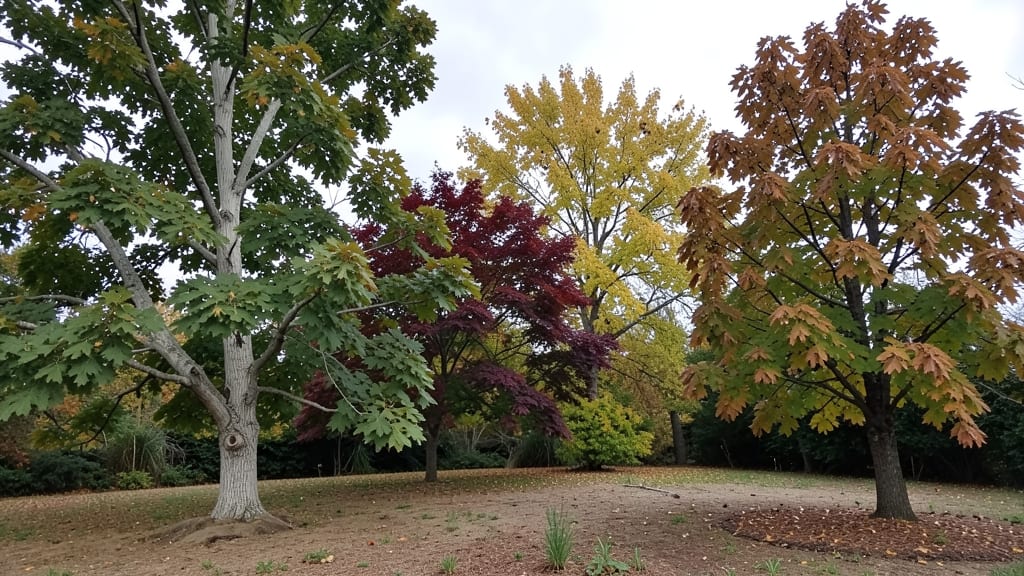
Zone 7a trees need to handle everything from scorching summers to occasional light freezes, and I’ve tested dozens to find the ones that not only survive but thrive with minimal fuss. 🌳 The right species can give you shade, fruit, or stunning fall color—without the constant worry of winter damage or summer stress.
My top picks include the serviceberry (for edible berries and four-season interest) and the southern magnolia (for glossy evergreen leaves and intoxicating blooms), both of which handle Zone 7a’s extremes like pros.
What makes these trees stand out? Most need well-draining soil and full sun, but they’re forgiving about water once established—critical for busy gardeners. You’ll also avoid common headaches like powdery mildew or deer browsing, since these varieties are naturally resistant.
Planting in early spring or fall gives roots time to settle before extreme heat or cold hits, and mulching keeps moisture steady while protecting shallow roots.
By next summer, you’ll have a tree that’s not just alive but putting on a show—whether it’s the serviceberry’s white spring blossoms, the magnolia’s creamy summer flowers, or the fiery red leaves of a red oak in fall.
The best part? These trees grow strong enough to outlast your mailbox, and with the right care, they’ll reward you for decades. Let’s get into the specifics so you can pick the perfect one for your yard.
We’ll cover planting depth, spacing rules, and seasonal maintenance—plus how to spot early signs of stress before it becomes a big problem. Zone 7a’s climate is tricky, but these trees turn it into an advantage.
📚 In This Guide
- What you need
- Instructions
- Tips and common mistakes
- Wrapping up and next steps
What you need
- ● Trees: Choose from cold-hardy Zone 7A varieties like Serviceberry (Amelanchier), Redbud (Cercis canadensis), or Oak (Quercus spp.). Purchase 3–5 mature trees (3–6 ft tall) or 1–2 young saplings (1–2 ft) for smaller spaces.
- ● Shovel: A digging shovel (18–24 inches) for planting holes.
- ● Pruning Shears: Bypass pruners (for clean cuts) to trim dead branches.
- ● Garden Gloves: A pair of durable, breathable gloves (size medium/large).
- ● Mulch: 3–4 cubic yards of organic mulch (wood chips, pine straw) to retain moisture and suppress weeds.
- ● Watering Can/Hose: A 5-gallon watering can or soaker hose for deep watering.
- ○ Tree Stakes (Optional): 2–4 stakes + soft ties for young trees in windy areas.
- ● Location: Pick a spot with 6+ hours of sunlight (adjust for shade-tolerant species). Ensure 6–10 ft of clearance from structures, sidewalks, or other trees.
- ● Soil Test: Check soil pH (ideal: 6.0–7.5) and amend with compost or peat moss if needed.
- ● Weather Check: Plant in early spring or fall (avoid extreme heat or frost).
- ● Permits (If Applicable): Verify local regulations for large trees (>6 ft)—some areas require permits!
How to select and plant Zone 7A trees for year-round success
Here’s how I choose and establish cold-hardy trees that thrive in Zone 7A’s seasonal shifts.
🌱 Step 1: Choose Trees Matching Zone 7A’s Climate Needs
Zone 7A’s winters dip to 10–15°F, so prioritize trees with USDA Zone 5–7 hardiness—they’ll handle occasional dips below 0°F without stress. Native species like red oak, sugar maple, or serviceberry are foolproof choices because they’ve evolved alongside the climate. For ornamental appeal, Japanese maple or dwarf Korean lilac deliver stunning foliage while staying resilient.
Check the tree’s mature height and spread—some dwarf varieties top out at 10 feet, while others grow 30+ feet. Planting too close to structures or power lines guarantees future headaches. I always measure my space twice: once for the tree’s current size, and again for its mature footprint. A 10-foot spacing rule works for most trees, but consult the tag for specifics.
☀️ Step 2: Time Planting for Optimal Root Establishment
Fall is the best time to plant in Zone 7A—6–8 weeks before the first hard frost—because cool soil and 50–60°F temperatures encourage root growth without stressing the tree. Avoid spring planting unless you’re in a warmer microclimate; early spring sap flow can exhaust young roots before they establish. If you must plant in summer, do it early (June) and water deeply every 2–3 days to prevent transplant shock.
Look for bare-root or container-grown trees with plump, flexible roots—not dried out or circling the pot. If roots are pot-bound, gently tease them apart before planting. I always soak bare-root trees for 1–2 hours before handling to rehydrate the roots. This small step makes all the difference in survival rates.
🪴 Step 3: Prepare the Planting Site for Long-Term Success
Dig a hole twice as wide as the root ball but no deeper—this prevents soil compaction around the roots. Amend the native soil with compost or aged manure (mix in 2–3 inches of organic matter) to improve drainage and fertility. Zone 7A’s clay-heavy soils can suffocate roots if not loosened, so I break up the bottom of the hole with a shovel or fork to encourage root spread.
Place the tree so the top of the root ball sits 1–2 inches above ground level—this prevents waterlogging and stem rot. Backfill with native soil (no amendments) to avoid nutrient overload, and water thoroughly until the soil settles. A 1-inch layer of mulch (wood chips or straw) keeps moisture in and weeds out, but keep mulch 3–4 inches away from the trunk to avoid rot.
💧 Step 4: Water and Protect Newly Planted Trees
Water deeply once a week for the first year, aiming for 1–1.5 inches of water per session. Zone 7A’s hot summers dry out soil quickly, and shallow watering encourages weak roots. I use a soaker hose to deliver water slowly at the base—this mimics natural rainfall and reduces evaporation. Check soil moisture by digging 6 inches down; if it’s dry, water again.
Young trees need winter protection if planted late in the season. Wrap the trunk with tree guard (not plastic wrap) to deter rodents and insulate against temperature swings. I also pile mulch 4–6 inches deep around the base in late fall—this acts like a blanket, keeping roots 10–15°F warmer than ambient air. Remove mulch in early spring to avoid overheating.
✂️ Step 5: Prune and Monitor for Long-Term Health
Prune only in late winter or early spring (before buds swell) to remove dead, diseased, or crossing branches. Use clean, sharp tools and make cuts at a 45-degree angle just outside the branch collar. Over-pruning stresses trees—never remove more than 25% of the canopy in one season. I always sterilize tools with rubbing alcohol between cuts to prevent spreading disease.
Watch for pests like borers or aphids—Zone 7A’s humidity creates ideal conditions for infestations. Treat problems preemptively with neem oil or horticultural soap in early summer. Healthy trees rarely need chemicals, but yellowing leaves often signal overwatering, nutrient deficiency, or fungal issues. Adjust care based on what you observe: dry edges on leaves? Likely underwatered. Mushy stems? Probably overwatered.
Tips & tricks for perfect year-round tree planting in Zone 7A
These proven strategies will help you establish resilient trees that handle Zone 7A's seasonal extremes like a pro.
Climate Zone Matching: When selecting trees, focus on their cold hardiness ratings—look for Zone 5-7 labels since Zone 7A's 10-15°F winters occasionally dip below 0°F. Native species like red oak and serviceberry are your safest bets because they've evolved with these temperature swings. For ornamental trees, Japanese maple varieties often handle the climate better than their non-native counterparts. I always cross-reference the USDA hardiness zone map with your local microclimate—some urban areas can be 2-3°F colder than rural spots.
Timing Secret: The 6-8 week window before first frost in fall is critical for root establishment. I track my local frost dates using the National Weather Service app and mark my calendar—planting too early means roots won't establish before winter, while planting too late risks frost damage. For summer planting, June is your absolute cutoff—any later and you'll struggle with transplant shock during peak heat. Pro tip: Check your soil temperature with a thermometer—ideal planting temps are 50-60°F.
Root Care Technique: That 2-hour soaking for bare-root trees is non-negotiable. I fill a bucket with water and let the roots soak while I prepare the planting hole—this rehydrates roots that may have dried out during shipping. For container-grown trees, gently squeeze the root ball to check moisture before planting. If roots are pot-bound (circling the container), use your fingers to tease them apart—this prevents girdling as the tree matures. Remember, healthy roots equal healthy trees.
Winter Protection Strategy: The 10-15°F warmer root zone created by deep mulching in late fall makes all the difference during cold snaps. I use straw rather than wood chips for winter mulching because it insulates better and breaks down faster in spring. For newly planted trees, wrap the trunk with tree guard in late fall—this prevents sunscald damage from winter sun on dark bark. The key is balance: too much mulch can suffocate roots, but too little leaves them vulnerable to freeze-thaw cycles.
Pro Tips for Zone 7a Trees
- These proven strategies will help you establish resilient trees that handle Zone 7A's seasonal extremes like a pro.
- Climate Zone Matching: When selecting trees, focus on their cold hardiness ratings—look for Zone 5-7 labels since Zone 7A's 10-15°F winters occasionally dip below 0°F.
- Timing Secret: The 6-8 week window before first frost in fall is critical for root establishment.
Frequently asked questions
What are the best fast-growing trees for Zone 7A?
Look for native or cold-acclimated varieties like Swamp Chestnut Oak, Red Maple, or Eastern Redbud. These grow 12–24 inches per year while handling Zone 7A’s winters (0–10°F). Avoid tropical species like Avocado or Mango—they won’t survive!
When is the ideal time to plant trees in Zone 7A?
Fall (September–November) is best—soil is warm, roots establish before winter, and spring rains help growth. Spring (March–April) is a close second. Avoid planting in summer heat or freezing winter months.
How do I protect young trees from Zone 7A winters?
Mulch heavily (3–4 inches of wood chips) and wrap trunks with burlap if temps drop below 15°F. Water deeply before frost, and avoid pruning in late fall—wait until early spring. Evergreens may need temporary windbreaks.
Can I grow fruit trees in Zone 7A, and which are most reliable?
Yes! Try Apple (e.g., ‘Honeycrisp’), Pear (‘Bartlett’), or Peach (‘Elberta’). For citrus, opt for cold-hardy varieties like Satsuma mandarin (tolerates brief dips to 15°F). Plant near a south-facing wall for extra warmth.
My Zone 7A tree’s leaves are yellowing—what’s wrong?
Yellowing leaves often signal overwatering, nutrient deficiency (like iron or nitrogen), or fungal issues. Check soil moisture, test pH, and inspect for spots/mildew. Prune affected branches and fertilize with a balanced formula (10-10-10) in early spring.
Are there drought-tolerant trees for Zone 7A?
Consider Post Oak, Southern Magnolia, or Texas Mountain Laurel. Once established, these need minimal watering. Group them with rocks or gravel mulch to retain moisture and reduce evaporation.
Wrapping up and next steps
Choosing the right trees for Zone 7A doesn’t have to be overwhelming—with the perfect mix of cold-hardy varieties, your landscape can flourish year-round! From the serviceberry’s delicate blooms to the persimmon’s vibrant fall colors, these trees bring beauty, function, and resilience to your yard.
Whether you prioritize shade, fruit, or wildlife support, there’s a tree that fits your vision.
Ready to plant? Start by assessing your space and soil, then pick your favorite from this list—your future garden will thank you! 🌳✨ Next step: Sketch a simple layout or consult a local nursery for expert advice before digging in!