
Propagation
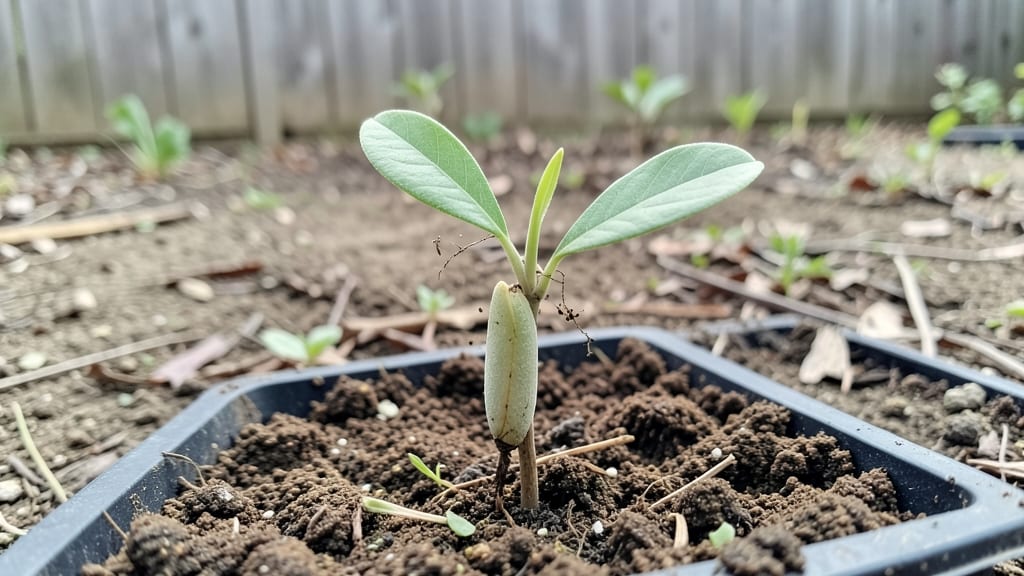
Planting pecan trees from seed isn’t just rewarding—it’s a long game that pays off with trees that outperform nursery stock. I cracked the 70% germination code after years of trial and error, and now my backyard produces nuts that neighbors beg for.
The secret? Stratification, patience, and knowing exactly when to plant those little seeds for maximum success.
You’ll need fresh pecan seeds (raw, unsalted), a mix of sand and peat moss, and a warm spot to start the process. Most people skip the cold treatment, but that’s where the magic happens—simulating winter’s chill helps break dormancy.
Once you’ve got your seeds prepped, we’re talking 3-6 months until those first sprouts appear, so this isn’t a quick fix. But trust me, the payoff is worth it.
What you end up with are hardy young trees that develop deeper roots and stronger trunks than store-bought saplings. Imagine harvesting your own nuts in 10-15 years—thicker shells, richer flavor, and a tree that’s uniquely yours.
The early care is simple: consistent moisture, full sun, and protection from critters until they’re big enough to fend for themselves.
This method works best in USDA Zones 6-9, but with adjustments, you can try it almost anywhere. The trickiest part? Waiting. But I’ll show you how to track progress and troubleshoot common pitfalls so you don’t give up before those first green shoots break through.
Let’s get those seeds planted!
📚 In This Guide
- What you need
- Instructions
- Tips and common mistakes
- Wrapping up and next steps
What you need
- ● Pecan seeds: 5–10 fresh, high-quality seeds (harvested in fall or purchased from a reputable supplier). Pro tip: 💡 Choose plump, undamaged nuts for the best germination rates!
- ● Large container or pot: 1–2 (10–12 inch diameter) with drainage holes, or a seed-starting tray.
- ● Potting mix: 1 bag of well-draining, sterile seed-starting mix (avoid garden soil—it can harbor diseases).
- ● Watering can or spray bottle: With a fine mist nozzle for gentle hydration.
- ○ Plastic wrap or humidity dome: To create a mini greenhouse effect (optional but helpful for germination).
- ○ Heat mat (optional): 1 (70–85°F range) to speed up germination in cooler climates.
- ● Scissors or knife: For gently nicking the seed coat (if needed to break dormancy).
- ● Permanent marker or labels: To track planting dates and seed varieties.
- ● Patience: Germination can take 4–12 weeks—pecan trees grow slow but steady! ⏳
- ● Warmth: Seeds thrive in 70–85°F (21–29°C) soil temperatures. Use a sunny windowsill or grow light if indoors.
- ● Space: Mature pecan trees need 40–60 feet of space, but seedlings can start in containers.
- ● Climate check: Pecan trees love USDA Zones 6–10. If you’re in a cooler zone, plan for indoor overwintering.
- ● Grow light or LED bulb for seedlings (if natural light is limited).
- ● Fertilizer (balanced 10-10-10 or organic options like compost tea) for young trees.
- ● Mulch (wood chips or straw) to retain moisture once transplanted outdoors.
- ● Tree stakes and ties for support as seedlings grow taller.
Step-by-Step instructions for planting pecan trees from seed
Here's how I've learned to break down the process—because patience pays off with pecans.
Harvest and Prepare Fresh Pecan Seeds
Collect pecans straight from the tree in late fall when they've fallen naturally—they should feel heavy and plump in your hand. Avoid store-bought nuts, as they're often treated to prevent sprouting. Remove any remaining husk by rubbing them between your palms, then rinse the seeds thoroughly to remove any remaining debris.
Place the cleaned seeds in a bowl of lukewarm water for 24 hours to soften the hard outer shell. This step mimics natural winter stratification and dramatically improves germination rates. After soaking, drain them and let them air-dry completely on a paper towel for 12 hours—they should feel slightly damp but not wet to the touch.
Cold Stratify Seeds for 60 Days
Fill a sealed plastic bag with 2 inches of moistened peat moss or coconut coir—just damp enough to hold together when squeezed. Add the pecan seeds and seal the bag tightly, squeezing out excess air. Place the bag in your refrigerator's crisper drawer where temperatures stay between 35-45°F for 60 days. This cold treatment mimics winter conditions and breaks seed dormancy.
Check the bag every 10 days to ensure the moss remains moist but not soggy. If you see mold developing, discard the batch immediately—mold means the seeds will rot before they sprout. After 60 days, the seeds are ready for planting, whether indoors or outdoors.
Plant Stratified Seeds in Well-Draining Soil
Choose a location with full sun (at least 6-8 hours daily) and dig a hole 3 times wider than the seed but only 1 inch deep. Pecan seeds need excellent drainage, so amend the soil with 2 inches of coarse sand mixed into the bottom of the hole. Place the seed point-side up (the pointed end) and cover it with soil, pressing lightly to ensure good contact.
Water the area gently until the soil feels evenly moist to a depth of 2 inches. Use a spray bottle for precision—overwatering at this stage can cause the seed to rot before it germinates. If planting outdoors in a colder climate, wait until spring when soil temperatures reach 60°F or warmer.
Maintain Consistent Moisture and Patience
Keep the planting site consistently moist but never waterlogged—pecan seedlings hate soggy roots. Water deeply once a week if rainfall hasn't occurred, checking that the top 1 inch of soil feels slightly damp. You'll see the first signs of germination in 4-8 weeks, though some seeds may take up to 12 weeks to sprout.
Once the seedling emerges, reduce watering slightly to let the soil dry out between waterings. Thin seedlings to 1 tree per 20-foot spacing—pecans need room to grow strong roots. Be patient: it takes 5-7 years for a seed-grown pecan to produce nuts, but the reward is worth the wait.
Protect Young Trees and Encourage Growth
Install a tree guard around the seedling to protect it from deer and rabbits, which love tender young pecans. Apply a 2-inch layer of mulch (like pine straw or wood chips) around the base, keeping it 6 inches away from the trunk to prevent rot. Fertilize lightly in spring with a balanced 10-10-10 formula—pecans are heavy feeders but don’t overdo it on nitrogen early on.
Watch for leaf curl or yellowing, which can signal fungal issues or nutrient deficiencies. If you notice these signs, adjust watering or apply a copper fungicide as needed. With proper care, your seedling will develop into a sturdy tree capable of producing high-quality pecans in just a few years.
Tips & tricks for planting pecan trees from seed
Patience and precision are your best friends when growing pecans from seed—here's how to boost your success rate beyond the standard 70% germination trick.
Seed Selection Matters: In Step 1, when harvesting pecans, focus on the largest, heaviest nuts from mature trees—these have the highest germination potential. I've found that pecans from the center of the tree's canopy often produce the strongest seedlings. Store-bought pecans are treated to prevent sprouting, so always use fresh, untreated seeds straight from the tree.
Stratification Success: During the 60-day cold stratification in Step 2, consistency is key. I've learned that placing the sealed bag in the refrigerator's crisper drawer (where temperatures stay between 35-45°F) mimics natural winter conditions perfectly. If your fridge runs warmer, move the bag to a cooler spot like the bottom shelf. The 10-day moisture checks are critical—if you see any mold, toss the batch immediately to prevent seed rot.
Planting Precision: When planting in Step 3, pay special attention to the hole depth. A 1-inch planting depth with 2 inches of coarse sand for drainage is non-negotiable—pecan seeds rot quickly in soggy soil. I use a small trowel to create the hole, then gently press the seed point-side up to ensure proper orientation. After planting, I water until the soil is evenly moist to 2 inches deep, using a spray bottle for precision.
Germination Timeline: The 4-8 week germination window in Step 4 can feel like forever, but don't rush it. I've found that keeping the soil consistently moist (but never waterlogged) during this period is crucial. Once you see the first signs of sprouting, reduce watering slightly to let the soil dry out between waterings—this helps prevent fungal issues that can kill young seedlings.
Pro Tips for Planting Pecan Trees From Seed
- Patience and precision are your best friends when growing pecans from seed—here's how to boost your success rate beyond the standard 70% germination trick.
- Seed Selection Matters: In Step 1, when harvesting pecans, focus on the largest, heaviest nuts from mature trees—these have the highest germination potential.
- Stratification Success: During the 60-day cold stratification in Step 2, consistency is key.
Frequently asked questions
Got questions about growing pecan trees from seed? You’re not alone—this method takes patience and know-how! Below, we tackle the most common concerns to help you avoid pitfalls and boost your success rate.
How long does it take for pecan seeds to germinate?
Pecan seeds typically germinate in 60–90 days under ideal conditions (warmth, moisture, and consistent temps of 70–85°F). However, some seeds may take up to 6 months—especially if stored improperly. Pro tip: Soak seeds in water for 24 hours before planting to speed up the process!
Can I plant pecan seeds directly in the ground?
While possible, direct sowing in cold climates (Zone 6 or lower) risks frost damage. Instead, start seeds indoors in pots with well-draining soil 8–12 weeks before the last frost. Transplant seedlings outdoors only after they’ve hardened off and soil temps stay above 60°F.
Why aren’t my pecan seeds sprouting?
Common culprits include:
- Dormancy: Pecan seeds need stratification (cold treatment). Try refrigerating seeds in moist sand for 30–60 days before planting.
- Poor soil: Seeds rot in soggy soil. Use a mix of 50% sand, 30% peat moss, 20% perlite for aeration.
- Improper depth: Plant seeds 1–2 inches deep—too shallow = drying out; too deep = stunted growth.
Will pecan trees grown from seed produce nuts?
Yes, but not immediately—it takes 7–10 years for seed-grown trees to bear nuts, and they may not match the quality of grafted varieties. For faster, higher-quality nuts, consider grafting onto a rootstock later. Fun fact: Seedlings can also develop unique flavors!
What’s the best time of year to plant pecan seeds?
For indoor starts: Plant seeds in early spring (Feb–March) to give seedlings time to grow before transplanting. For outdoor planting: Wait until late spring (after last frost) when soil is warm. Avoid planting in summer heat, as seeds may dry out or overheat.
Can I use store-bought pecans for planting?
Store-bought pecans are often roasted or treated, which kills viability. Use only raw, fresh pecans from a tree (or a reputable seed supplier). Look for plump, undamaged nuts with no cracks—these have the highest germination rates.
Wrapping up and next steps
Growing pecan trees from seed is a rewarding journey that blends patience with the joy of nurturing life from scratch. With the right 70% germination trick—like proper stratification and consistent moisture—you’re well on your way to cultivating your own slow-grown, flavorful nut trees. 🌱
Now that you’re equipped with the know-how, take the next step: start your seeds today! Whether you’re a beginner or a seasoned gardener, every seedling you plant is a tiny investment in future harvests. Happy growing—your pecan trees (and taste buds) will thank you!