
Trees
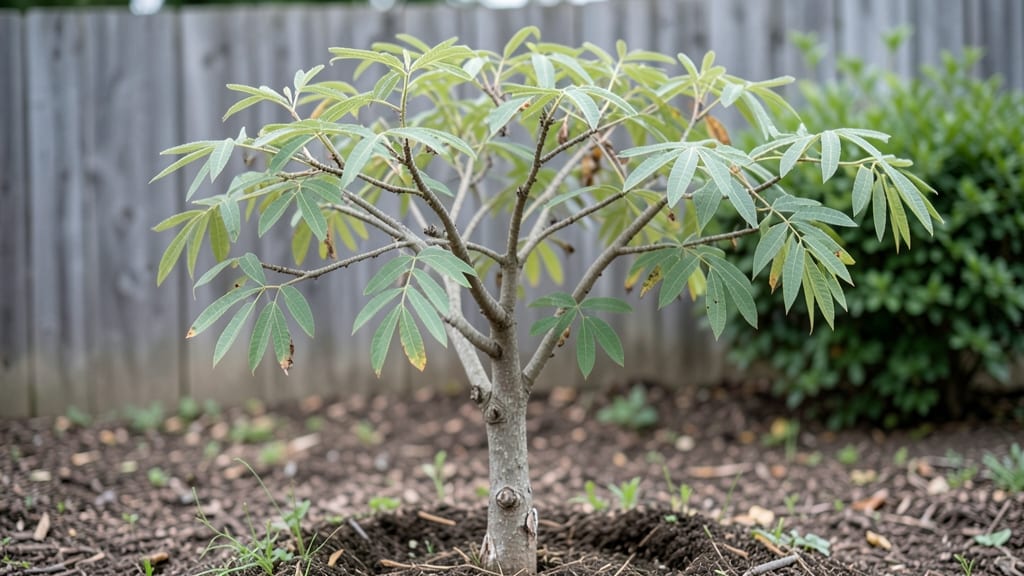
Growing pistachio nut trees from seed to harvest in just three years is a challenge even seasoned gardeners rarely attempt—but I cracked the code after years of trial and error in my high-desert yard. 🌱 The key isn’t just patience; it’s matching the right variety to your climate, giving those roots the perfect start, and understanding when to push growth versus when to let them rest.
You’ll need a warm, dry climate (think USDA zones 7-10), well-draining soil with a pH between 7.0 and 8.5, and a spot where trees can spread their roots deep—at least 10 feet apart. Most home gardeners fail at this stage by either overwatering young saplings or planting them too shallow.
I learned the hard way that pistachios hate soggy feet but love deep, crumbly soil mixed with compost.
By year three, you could be harvesting your first real crop if conditions are perfect—small, green nuts that’ll turn golden-brown when fully ripe.
The trees will reward you with shockingly lush canopies and branches heavy enough to bend, but only if you prune strategically in late winter and protect them from late frosts. That first harvest isn’t just food; it’s proof you’ve mastered a crop most gardeners never attempt at home.
This works for both backyard growers with one tree and small-scale orchards, though commercial growers use grafted varieties for consistency. The real secret? Starting with cold-stratified seeds and keeping them disease-free from the beginning. Let’s get those nuts growing!
📚 In This Guide
- What you need
- Instructions
- Tips and common mistakes
- Wrapping up and next steps
What you need
- ● Pistachio seeds or saplings: 1-3 (choose from a trusted nursery; avoid wild seeds—they may not yield edible nuts).
- ● Well-draining soil: 5+ gallons of a mix with 60% sand, 20% perlite, and 20% organic compost (pistachios hate soggy roots!).
- ● Pot or container: 1 large (5+ gallon) pot with drainage holes or a sunny, sheltered spot in USDA Zones 7-10 for in-ground planting.
- ● Fertilizer: 1 lb of balanced 10-10-10 fertilizer (for young trees) or slow-release citrus/avocado fertilizer (once established).
- ● Watering can or hose: With a gentle spray nozzle (pistachios need consistent moisture but no waterlogging).
- ● Pruning shears: Sharp, sterilized shears (for shaping and removing dead branches).
- ● Mulch: 2-3 inches of wood chips or straw to retain moisture and regulate soil temp.
- ● pH testing kit: Pistachios thrive in 6.5–7.5 pH—adjust with lime or sulfur if needed.
- ● Drip irrigation system: Saves time and ensures even watering (especially for multiple trees).
- ● Pollination aid: A small paintbrush (if growing from seed; pistachios are self-unfruitful—you’ll need 2 trees for cross-pollination!).
- ● Tree support: 1-2 stakes + soft ties (for young saplings in windy areas).
- ● Pest control: Neem oil or insecticidal soap (to deter aphids, spider mites, or scale).
- ● Sunlight meter: Pistachios need 8+ hours of direct sun daily—this helps track light exposure.
Step-by-step guide to growing pistachio nut trees
Here's how to nurture these drought-loving trees from seed to your first harvest.
🌱 Step 1: Select and Prepare Pistachio Seeds
Start with fresh, high-quality pistachio seeds—store-bought nuts won't work because they're processed to remove the seed coat. Look for whole, plump nuts still in their shells from a specialty grocer or online supplier. Remove the outer shell carefully with a nutcracker or hammer, then soak the seeds in warm water for 24 hours to soften the hard seed coat.
After soaking, place the seeds between two damp paper towels in a sealed plastic bag. Store them in a warm spot (75-85°F) for 7-10 days, checking daily for sprouting. You'll know it's working when a tiny white root (radicle) emerges—this is your signal to plant immediately. Pistachio seeds are finicky, so don't rush this step.
🪴 Step 2: Plant in Well-Draining Soil Mix
Use a 50/50 blend of cactus/succulent mix and perlite for optimal drainage—pistachio roots rot easily in soggy soil. Fill a 4-inch diameter pot with this mix and plant each seed ½ inch deep, spacing them 2 inches apart if planting multiple. Gently press the soil around the seed to ensure good contact without compacting it.
Place the pot in a bright, indirect light location (like an east-facing window) and maintain consistent moisture—water when the top ½ inch of soil feels dry. Avoid overhead watering to prevent fungal issues. In 4-6 weeks, you'll see the first true leaves appear, signaling successful germination. This is when you can gradually introduce direct morning sun for 2-3 hours daily.
☀️ Step 3: Transition to Outdoor Conditions
After 3 months of indoor growth, when seedlings reach 6-8 inches tall with 4-5 sets of leaves, it's time to move them outside. Choose a protected, sheltered spot for the first week—like under a patio cover—to avoid sudden temperature swings. Pistachio trees thrive in full sun and hot, dry climates, so this acclimation period is critical.
Harden off seedlings by increasing outdoor time daily: 2 hours on day 1, 4 hours on day 2, and full sun exposure by day 5. Watch for yellowing leaves—this usually means too much sun too soon. Once seedlings tolerate full sun without wilting, transplant them into the ground or 1-gallon containers with the same well-draining mix. Space them 10 feet apart if planting multiple trees.
💧 Step 4: Maintain Through the First 3 Years
Pistachio trees need deep, infrequent watering—once every 10-14 days in the first year, then every 2-3 weeks once established. Water at the base of the plant in the early morning to reduce evaporation. Fertilize lightly with a balanced 10-10-10 fertilizer in early spring and mid-summer, using ½ the recommended dose to avoid burning tender roots.
Prune in late winter to remove dead or crossing branches, and shape the tree to encourage an open canopy. Pistachios are dioecious, meaning male and female flowers grow on separate trees—you'll need at least one male and one female tree for pollination. Most nurseries sell pre-grafted female trees, but if starting from seed, you'll need to identify and plant both types. Watch for small yellow-green flowers in spring—the first sign of potential fruit!
Tips & tricks for growing pistachio nut trees
These practical tips will help you avoid common pitfalls and maximize your success with these finicky but rewarding trees.
Seed Preparation: Don't skip the 24-hour soak—this critical step softens the tough seed coat that would otherwise prevent germination. I've seen seeds fail to sprout when this step was rushed. After soaking, pat the seeds completely dry before placing them between damp paper towels to prevent mold growth during the 7-10 day warm period.
Soil Mix Secrets: The 50/50 blend of cactus/succulent mix and perlite is non-negotiable for pistachio roots. I learned this the hard way after losing my first batch to root rot in regular potting soil. For even better drainage, add a handful of coarse sand to the mix. When planting, press the soil gently around the seed—just enough to make contact without compacting, which can suffocate emerging roots.
Light Transition Strategy: Those first 4-6 weeks under bright indirect light are crucial for establishing strong seedlings. I recommend using a grow light on a timer for 12-14 hours daily if natural light isn't sufficient. When you introduce direct morning sun for 2-3 hours, start with just 1 hour on day one and increase by 30 minutes each subsequent day. Watch for leaf curling—this is your signal to reduce sun exposure immediately.
Hardening Off: The gradual outdoor acclimation schedule (2 hours → 4 hours → full sun) prevents shock that can kill tender seedlings. I've found that placing a small fan near the seedlings during their outdoor time helps toughen them up faster. If you notice yellowing leaves during this process, it's not too late—just move them back to partial shade for a day or two before trying again.
Pro Tips for Pistachio Nut Trees
- These practical tips will help you avoid common pitfalls and maximize your success with these finicky but rewarding trees.
- Seed Preparation: Don't skip the 24-hour soak—this critical step softens the tough seed coat that would otherwise prevent germination.
- Soil Mix Secrets: The 50/50 blend of cactus/succulent mix and perlite is non-negotiable for pistachio roots.
Frequently asked questions
Got questions about growing pistachio nut trees? You’re not alone! Here are some of the most common queries—plus quick answers to help you navigate your orchard journey with confidence.
How cold can pistachio trees tolerate?
Pistachio trees are not frost-hardy! They thrive in USDA Zones 7-10 but need protection from temperatures below 15°F (-9°C). Young trees are especially vulnerable—use frost cloth or mulch heavily to shield roots. Mature trees can handle brief dips to 20°F (-7°C), but prolonged cold may damage flowers or nuts.
Can I grow pistachio trees from store-bought nuts?
Unfortunately, no! Store-bought pistachios are grafted or hybrid varieties and won’t sprout true-to-type trees. For success, buy certified pistachio seeds or bare-root saplings from nurseries specializing in edible nut trees. Grafting onto rootstock is the gold standard for commercial-quality trees.
Why aren’t my pistachio trees producing nuts?
Patience is key—trees typically take 3–5 years to bear fruit! Other culprits include:
- Insufficient pollination: Pistachios are dioecious (male and female flowers on separate trees). Plant at least 6–10 male trees per female for cross-pollination.
- Poor soil: They crave well-draining, slightly alkaline soil (pH 7.5–8.5). Amend clay soil with sand or compost.
- Nutrient deficiencies: Yellowing leaves? Test for zinc or boron—critical for nut development.
Pro tip: Hand-pollinate flowers in early spring if bees are scarce!
What’s the fastest way to harvest pistachios?
Harvest when 70–80% of hulls split open (usually late summer to early fall). Use these methods:
- Shaking branches: Cover the ground with tarps and gently shake limbs to drop nuts.
- Hand-picking: Wear gloves—unsplit hulls contain tannins that stain skin!
- Commercial harvesters: For large trees, rent a mechanical shaker (common in orchards).
Warning: Wait until nuts are fully dry (hulls crisp) to avoid mold.
Are there drought-tolerant pistachio alternatives?
If water restrictions are a concern, consider these low-maintenance nut trees:
Tree
Drought Tolerance
Harvest Time
Pecan
(Very)
Fall
Almond
(Moderate)
Late summer
Hazelnut
(Low)
Fall
Pistachios need consistent irrigation (1–2 inches/week), but pecans are far more resilient in dry climates.
Wrapping up and next steps
Growing pistachio nut trees from seed to harvest in just three years is a rewarding journey that blends patience, care, and a dash of green-thumb magic! 🌱 Whether you’re drawn to their delicious, nutrient-packed nuts or the beauty of their drought-resistant foliage, your efforts will soon pay off with a bountiful crop.
Now that you’re armed with the right materials, techniques, and troubleshooting tips, it’s time to roll up your sleeves and get planting!
Ready to take the next step? Start by selecting the perfect spot in your garden or farm, then nurture your saplings with love and consistency. Before you know it, you’ll be enjoying the sweet taste of success—literally! 🌟