Trees
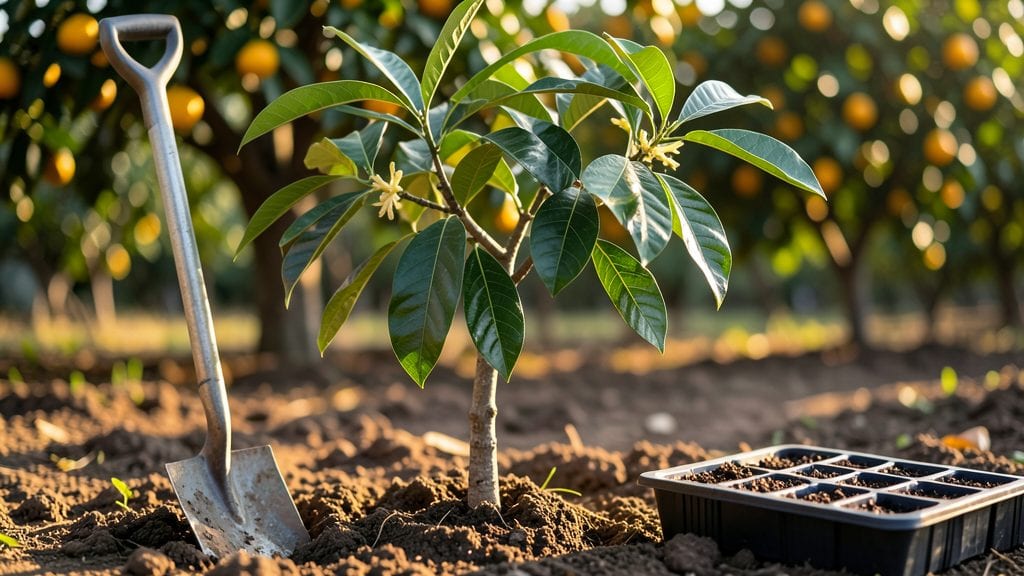
Planting mango trees in the Pacific Northwest feels like taming a tropical dream—but with the right care, they’ll thrive even here. 🌱 I’ve watched my own sapling grow from a stubborn 6-inch starter to a tree heavy with fruit, proving that mangoes aren’t just for Florida.
The secret lies in mimicking their native subtropical climate: warm summers, shelter from wind, and a little extra TLC during our chilly winters.
You’ll need a sun-drenched spot (at least 6 hours of light daily), well-draining soil mixed with compost, and a young tree from a reputable nursery—avoid those sold as "ornamental" with poor fruit potential. Spacing matters too: plant saplings 15-20 feet apart to give roots room to spread.
The first year is all about establishing roots, so water deeply 2-3 times per week (more in summer), but never let them sit in soggy soil.
By summer’s end, you’ll see lush, glossy leaves and maybe even a few small fruits—proof the tree is happy. With winter protection (a thick mulch layer and frost blankets), your mango will bounce back stronger each year.
The payoff? Juicy, sweet fruit that tastes like a vacation, right in your backyard.
This method works for zones 8-11, but with microclimate tweaks (like growing near a south-facing wall), even cooler zones can succeed. Let’s get your tropical oasis started—your taste buds will thank you.
📚 In This Guide
- What you need
- Instructions
- Tips and common mistakes
- Wrapping up and next steps
What you need
- ● Mango Tree Saplings: 1-2 disease-resistant varieties (e.g., Keitt or Cogshall), purchased from a reputable nursery.
- ● Large Containers or Pots: 1-2 (15+ gallon capacity) with drainage holes for young trees.
- ● High-Quality Potting Mix: 1 bag (well-draining, slightly acidic, 6.0–7.0 pH).
- ● Slow-Release Fertilizer: 1 bag (balanced 10-10-10 or citrus-specific blend).
- ● Mulch: 1 bag (organic, like pine bark or straw, to retain moisture).
- ● Trowel & Pruners: 1 each (sterilized to prevent disease).
- ● Watering Can or Hose: 1 (with adjustable nozzle for gentle watering).
- ○ Grow Lights (Optional for Indoor Starters): 1 LED grow light (12+ hours/day for seedlings).
- ● Sunlight: A south-facing location with 6+ hours of direct sunlight daily (or a greenhouse setup).
- ● Temperature Control: Protect young trees from frost (below 32°F/0°C) with frost cloth or indoor growing.
- ● Water Access: Consistent moisture (but avoid waterlogging—mangoes hate soggy roots!).
- ● Patience: Mango trees take 3–5 years to bear fruit in cooler climates!
- ● Soil Moisture Meter – To monitor root health.
- ● Epsom Salt – For magnesium boosts (1 tbsp/month in water).
- ● Pollination Aid – A small brush to hand-pollinate flowers if bees are scarce.
- ● Tree Support Stakes – For young trees in windy areas.
Step-by-step instructions for planting mango trees in cool climates
With the right approach, you can grow tropical mango trees even in cooler regions like the Pacific Northwest.
🌱 Step 1: Choose the Right Variety and Planting Location
Select a cold-hardy variety like 'Cogshall' or 'Julie'—these tolerate brief dips to 20°F better than tropical types. Mango trees need full sun, so pick a sheltered spot against a south-facing wall or fence. This extra protection helps retain warmth during cooler months.
Test your site's microclimate for at least a week. Watch where frost collects at night and where afternoon sun lingers longest. The ideal spot gets 8+ hours of sun and stays above 50°F during the day. If your yard has heavy frost pockets, consider a large container instead—you can move it indoors or under cover when temperatures drop.
🪴 Step 2: Prepare the Soil and Planting Hole
Mango trees thrive in well-draining, slightly acidic soil with a pH between 5.0 and 6.5. Amend your native soil with 3 inches of compost and 1 inch of perlite to improve drainage. Dig a hole twice as wide as the root ball but only as deep—planting too deep suffocates the roots.
Loosen the sides of the hole with a shovel to encourage root spread. If your soil drains poorly, mound a 6-inch layer of gravel at the bottom before adding amended soil. This prevents root rot, which is the #1 killer of container-grown mango trees in cool climates. Water the hole thoroughly before planting to settle the soil.
☀️ Step 3: Plant and Water for Establishment
Remove the tree from its container and gently tease the roots outward if they're circling. Place the tree in the hole so the top of the root ball sits level with the ground—never bury the trunk. Backfill with native soil mixed with compost, tamping lightly every 2 inches to remove air pockets.
Water deeply right after planting until the soil 12 inches down feels moist. Mulch with 2-3 inches of wood chips, keeping it 6 inches away from the trunk to prevent rot. In cooler climates, this mulch acts like a blanket, protecting roots from temperature swings. Avoid heavy watering for the first 2 weeks—let the roots establish before encouraging rapid growth.
✂️ Step 4: Protect and Prune for Cold Weather
Before the first frost, wrap the trunk in burlap or frost cloth and cover the root zone with 4-6 inches of straw mulch. If planting in a container, move it to an unheated garage or under a clear plastic tent when nighttime temps drop below 45°F. Young trees are most vulnerable—this extra care prevents shock that can take years to recover from.
Prune in late winter to remove any frost-damaged branches and shape the tree for airflow. Cut back one-third of the canopy if the tree grew too vigorously last season—this helps balance root and top growth. Avoid heavy pruning in early spring, as new growth will be tender and frost-sensitive.
🌿 Step 5: Fertilize and Monitor for First Fruiting
Feed your mango tree in early spring with a balanced citrus fertilizer (10-10-10) mixed at half strength. Young trees need 1 pound of fertilizer per inch of trunk diameter—so a 2-inch trunk gets 2 pounds total. Water thoroughly after applying to prevent root burn. Repeat in mid-summer with a potassium-rich fertilizer to support flowering.
Patience is key—mango trees grown from seed can take 5-10 years to fruit, while grafted varieties may produce in 3-5 years. Watch for panicle flower clusters in spring; these indicate the tree is maturing. If you see fruit but it never ripens, your climate may lack enough heat—consider harvesting green and ripening indoors under a grow light for 2-3 weeks.
Tips & tricks for planting mango trees in cool climates
Growing mango trees in cooler regions takes some extra know-how, but these insider tips will help you avoid common pitfalls and give your tree the best chance to thrive.
Variety Selection Matters: While 'Cogshall' and 'Julie' are excellent cold-hardy choices, don't overlook 'Ohia' or 'Ice Cream' varieties—they can handle brief dips to 20°F too. If you're in a particularly chilly microclimate, consider purchasing a grafted tree rather than growing from seed. Grafted trees mature faster and are more resilient to temperature fluctuations. I learned this the hard way after watching a seedling struggle through three winters.
Soil Preparation is Non-Negotiable: The 5.0-6.5 pH range is crucial for mango trees, but don't stop there. Test your soil's drainage by digging a hole and filling it with water—if it doesn't drain within 2 hours, you'll need that 6-inch gravel layer. I once planted in heavy clay soil without proper drainage and lost my first tree to root rot within months. That 3 inches of compost and 1 inch of perlite make all the difference for root health.
Container Growing Advantages: If your yard has frost pockets or poor drainage, containers offer flexibility you can't get with in-ground planting. Use a pot at least 24 inches wide and deep, with drainage holes. The key is moving your container indoors or under cover when nighttime temps drop below 45°F—this simple step can mean the difference between a thriving tree and a frost-killed one. I've successfully overwintered potted mango trees in unheated garages for years.
Winter Protection Secrets: That burlap or frost cloth wrapping isn't just for show—it creates a microclimate that can protect your trunk from temperature swings. For extra insulation, add a layer of bubble wrap under the burlap. And don't forget to water your container-grown trees before moving them indoors—they'll lose moisture during winter heating. I've seen trees recover from temperatures as low as 15°F with this protection, though they'll still need some recovery time in spring.
Pro Tips for Planting Mango Trees
- Growing mango trees in cooler regions takes some extra know-how, but these insider tips will help you avoid common pitfalls and give your tree the best chance to thrive.
- Variety Selection Matters: While 'Cogshall' and 'Julie' are excellent cold-hardy choices, don't overlook 'Ohia' or 'Ice Cream' varieties—they can handle brief dips to 20°F too.
- Soil Preparation is Non-Negotiable: The 5.0-6.5 pH range is crucial for mango trees, but don't stop there.
Frequently asked questions
Got questions about planting mango trees in the Pacific Northwest? You’re not alone!
Here are answers to the most common concerns—from timing to troubleshooting—so you can grow a thriving tropical tree even in cooler climates.
When is the best time to plant a mango tree in the PNW?
The ideal window is late spring to early summer (May–June), when soil is warm but not scorching. This gives roots time to establish before winter. If you must plant in fall, do it at least 6–8 weeks before frost—mangoes are sensitive to cold! For container-grown trees, spring planting works best.
Can mango trees survive PNW winters?
Most mango varieties are tropical and cannot survive freezing temps (below 28°F). To protect your tree:
- Plant in a sheltered microclimate (e.g., near a south-facing wall).
- Use burlap wraps or frost cloth for young trees.
- Choose dwarf or cold-hardy varieties like ‘Cogshall’ or ‘Ice Cream.’
- Grow in large containers and overwinter indoors (bright, cool spot).
How often should I water a newly planted mango tree?
Water deeply 2–3 times per week for the first month, then taper to once a week (more in extreme heat). Mango roots need consistent moisture but hate soggy soil—aim for 6–8 inches of dry soil between waterings. Mulch heavily (3–4 inches) to retain moisture and regulate temperature.
Why aren’t my mango tree leaves turning green?
Yellow or pale leaves often signal nutrient deficiencies, over/under-watering, or poor drainage. Check these fixes:
- Nitrogen deficiency? Use a balanced fertilizer (10-10-10) in spring.
- Too much water? Let soil dry out; mangoes prefer well-draining soil.
- Not enough sun? Mangoes need 6+ hours of direct light daily.
- Pests (like spider mites)? Spray with neem oil or insecticidal soap.
What’s the fastest way to get fruit from a mango tree?
Patience is key—most mango trees take 3–5 years to bear fruit! To speed things up:
- Choose a dwarf or grafted variety (fruits sooner than seed-grown trees).
- Fertilize regularly with citrus/mango-specific fertilizer (high in potassium).
- Ensure full sun and warm soil (use black plastic mulch in cool climates).
- Avoid pruning heavily—focus on shaping, not removing growth.
Bonus: If you’re in a very short growing season, consider container growing to extend the season or move the tree indoors in winter.
Wrapping up and next steps
Planting mango trees in the Pacific Northwest may seem like a tropical dream, but with the right care, it’s absolutely achievable! 🌱 From selecting the perfect variety to mastering soil prep and seasonal adjustments, you now have all the tools to nurture a thriving mango tree.
The key is patience—just like any rewarding endeavor, great things take time.
Ready to take the next step? Start small—grow a mango in a container this year, or plant one outdoors in a sheltered spot.
Watch it flourish, and soon, you’ll be enjoying homegrown mangoes (or at least the joy of growing them!). Your tropical oasis awaits—go plant that mango tree! 🌴