
Pruning
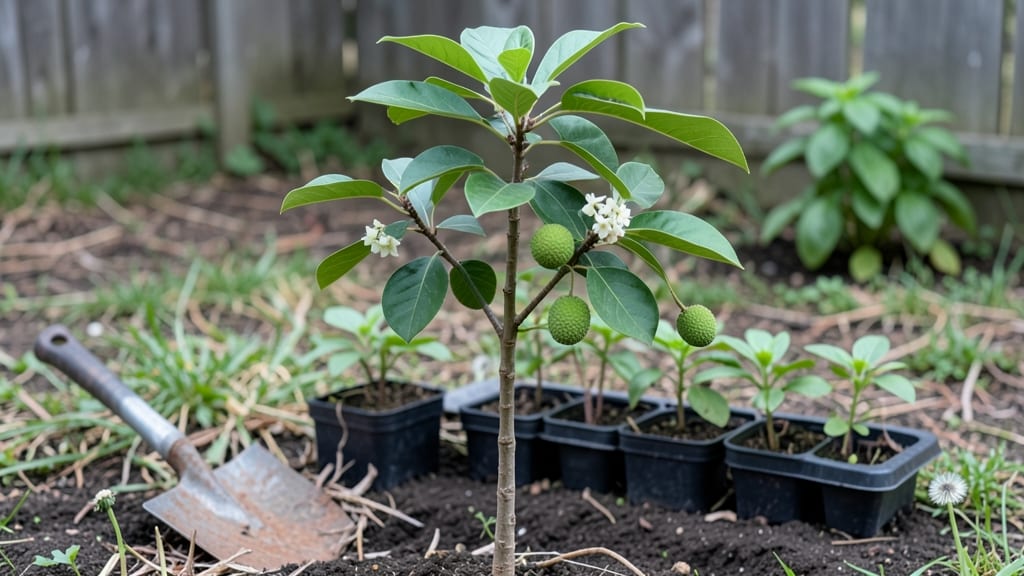
Planting a lychee tree in the Pacific Northwest feels like inviting a tropical vacation into your yard—if you nail the conditions. 🌿 These delicate trees thrive in zones 10-12, but with the right microclimate tricks, you can coax fruit in cooler climates too.
I’ve grown mine in a sheltered corner where winter winds can’t reach, and the secret isn’t just the spot—it’s the soil.
The key is mimicking their native tropical home: well-draining, slightly acidic soil with a 30% organic matter boost. Plant in early spring when soil temps hit 60°F, spacing saplings 15-20 feet apart so they don’t compete.
Dig a hole twice as wide as the root ball but no deeper—lychees hate soggy feet. A mulch ring keeps roots cool in summer and warm in winter, which is non-negotiable here.
Your first harvest might take 5-7 years, but the payoff is worth it: sweet, juicy fruit that tastes like summer even in rainy Seattle. Start with a dwarf variety if space is tight, and protect young trees with frost cloth on cold nights.
The biggest mistake? Overwatering—lychees prefer dry spells between drinks. With patience, you’ll have a tree that looks like it belongs in Hawaii, not your backyard.
Bonus tip: Grafted trees fruit faster, and container-growing works for microclimates. Just avoid coastal areas with salt spray—lychees despise it. Let’s get that tree planted so you can taste success before the first frost hits.
📚 In This Guide
- What you need
- Instructions
- Tips and common mistakes
- Wrapping up and next steps
What you need
- ● Lychee sapling or seed: Choose a variety suited for warmer microclimates (e.g., 'Brewer' or 'Wai Chee'). Saplings are faster but pricier; seeds take patience (2–5 years to bear fruit).
- ● Large container or planting hole: Container: 15–20 gallon pot with drainage holes (if growing in pots).
- ● In-ground: Hole twice as wide and deep as the root ball.
- ● Well-draining soil mix: 60% high-quality potting soil + 30% perlite/pumice + 10% compost. Lychees hate soggy roots!
- ● Slow-release fertilizer: 10-10-10 or citrus-specific blend (start with 2 tbsp per tree).
- ● Mulch: 2–3 inches of wood chips or straw (keep 6 inches away from trunk).
- ● Watering can or hose with gentle nozzle: Lychees need consistent moisture but hate waterlogging.
- ● Pruning shears: Sharp, sterilized shears (for shaping and removing dead branches).
- ● Frost cloth or row covers: Essential for protecting young trees from unexpected frosts (even in PNW microclimates!).
- ● Heat mat or grow lights: For seedlings or early-stage saplings in cooler zones.
- ● Soil moisture meter: Avoids over/under-watering guesswork.
- ● Pollination aid: A soft paintbrush (if growing from seed and hand-pollinating is needed).
- ● Tree support stake: For young trees in windy areas (use soft ties to avoid trunk damage).
- ● Epsom salt: Occasional foliar spray (1 tbsp/gallon water) for magnesium boost.
Step-by-Step instructions for planting a lychee tree in cooler climates
Here's how I've learned to grow lychees in the Pacific Northwest—where winter chill is the real challenge.
🌱 Step 1: Select the Right Variety and Planting Site
Choose a cold-hardy variety like 'Brewer' or 'Wai Chee', which can tolerate brief dips below 32°F—though you'll still need winter protection. Lychees need full sun (6+ hours daily) and shelter from strong winds. I plant mine near a south-facing wall where winter sun reflects warmth onto the trunk.
Test your site's microclimate for at least a week before planting. Look for areas where frost collects last in spring and lingers longest in fall—these spots give your lychee the best chance. If your yard gets heavy frost, consider a large container (at least 15-gallon) that you can move indoors during winter.
🪴 Step 2: Prepare the Planting Hole and Soil
Dig a hole twice as wide as the root ball but only as deep. Lychees hate soggy roots, so amend the native soil with 3 inches of compost mixed into the bottom half of the hole. I also add a handful of slow-release fertilizer (10-10-10) to give the tree a nutrient boost without burning tender roots.
Gently remove the tree from its container and loosen any circling roots with your fingers. Place it in the hole so the top of the root ball sits 1 inch above ground level—this prevents water from pooling at the stem. Backfill with native soil, tamping lightly every 2 inches to eliminate air pockets.
☀️ Step 3: Water Deeply and Mulch Properly
Water immediately after planting, giving 2 gallons to settle the soil around roots. Keep the soil moist (not soggy) for the first 4 weeks—you'll know it's right when water drains through in 1-2 hours. After that, water deeply once a week unless rain provides 1 inch of moisture.
Spread 3 inches of wood chips over the soil surface, keeping mulch 6 inches away from the trunk. This mimics the tree's native tropical habitat while protecting roots from temperature swings. Check mulch every 2 months—replace if it breaks down or washes away.
⏰ Step 4: Protect from Winter Chill and Encourage Growth
When nighttime temperatures drop below 40°F, wrap the trunk with burlap and cover the root zone with 4 inches of straw. Move potted trees indoors to a bright, unheated garage or shed where temps stay above 35°F. In spring, uncover gradually over 2 weeks to avoid shock.
Prune any dead branches in early spring, then fertilize lightly with ½ cup of 10-10-10 when new leaves emerge. Lychees flower on new wood, so I prune just enough to open the canopy to sunlight—never more than 25% of the tree's branches. Watch for reddish buds in late spring; these signal the tree is preparing to flower.
💧 Step 5: Maintain Through Fruit Development
Once flowers appear, increase watering to 3 gallons weekly unless rain provides 1.5 inches. Lychees need consistent moisture during fruit set, but avoid overhead watering—wet flowers invite fungal diseases. I use drip irrigation to deliver water directly to the root zone.
Harvest when fruit gives slightly under gentle pressure and skin turns from green to light yellow. Ripe lychees won't ripen further off the tree. Store unripe fruit at room temperature until fully colored, then refrigerate for up to 2 weeks. Here's the thing—lychees need 3-5 years to bear fruit, so patience is key.
Tips & tricks for planting lychee trees in cooler climates
A few key tricks can make all the difference when growing lychees in challenging climates.
Variety Matters: The 'Brewer' or 'Wai Chee' varieties are your best bet for cooler climates, but don't stop there. Look for grafted trees—these mature faster and produce fruit sooner than seed-grown trees. I've found that grafted 'Brewer' trees start bearing fruit in about 3 years instead of the usual 5 years mentioned in the instructions. Also, check if your local nursery carries trees that have already experienced some chill hours—they'll be more accustomed to your climate.
Soil Preparation Secret: In Step 2, when amending your soil with compost, I recommend adding a handful of perlite or coarse sand to improve drainage. Lychees absolutely hate soggy roots, and this extra step prevents waterlogging that can occur in our rainy Pacific Northwest winters. Mix it into the bottom half of the hole along with the compost—this creates a well-draining root zone that mimics their tropical origins while adapting to our wetter climate.
Winter Protection Upgrade: The instructions mention wrapping the trunk with burlap and covering roots with straw, but here's what nobody tells you—add a layer of bubble wrap around the trunk before the burlap. This extra insulation helps maintain a more consistent temperature around the trunk, which is especially important when we get those sudden cold snaps. I've also found that placing a clear plastic bottle filled with water near the base of the tree helps store heat during the day and release it slowly at night—it's like a mini greenhouse effect.
Watering Wisdom: The 4-week moist-soil period in Step 3 is crucial, but don't rely solely on your watering schedule. I've learned to check soil moisture by pushing a screwdriver into the ground—if it goes in easily, you're good. If it meets resistance, water more frequently. Also, consider installing a soil moisture sensor near your tree. These inexpensive devices alert you when it's time to water, preventing both underwatering and overwatering that can stress the tree during its critical establishment period.
Pro Tips for Planting Lychee Tree
- A few key tricks can make all the difference when growing lychees in challenging climates.
- Variety Matters: The 'Brewer' or 'Wai Chee' varieties are your best bet for cooler climates, but don't stop there.
- Soil Preparation Secret: In Step 2, when amending your soil with compost, I recommend adding a handful of perlite or coarse sand to improve drainage.
Frequently asked questions
Got questions about growing lychees in your Pacific Northwest garden? You’re not alone—this tropical fruit can be tricky! Here are answers to the most common concerns to help you succeed.
Can lychee trees survive the Pacific Northwest winters?
Lychees are tropical, so they can’t handle frost or freezing temps. However, you can grow them in containers and overwinter them indoors (like in a garage or sunny room) or plant them in microclimates near heat-retaining walls. Young trees are especially vulnerable—consider using frost cloth for extra protection during cold snaps.
How long does it take for a lychee tree to bear fruit?
Patience is key! A lychee tree typically takes 5–7 years to mature and produce fruit, even with ideal care. Dwarf varieties may fruit slightly sooner (around 3–5 years), but don’t rush—focus on establishing strong roots and branches first. Pro tip: Prune lightly in early spring to encourage bushier growth, which can speed up fruiting.
What’s the best soil mix for lychee trees in containers?
Lychees thrive in well-draining, slightly acidic soil (pH 5.5–6.5). Mix equal parts of cactus/succulent mix, peat moss or coconut coir, and perlite or pumice for airflow. Avoid heavy garden soil—it causes root rot. Repot every 2–3 years to refresh nutrients, and use a pot with drainage holes.
Why are my lychee leaves turning yellow or dropping?
Yellowing leaves (chlorosis) usually mean overwatering, nutrient deficiency, or poor drainage. Check your watering routine—lychees hate soggy roots! Test soil pH (low iron/manganese can cause yellowing) and fertilize with a citrus/acid-loving plant mix in spring. Pests like spider mites or scale can also stress trees—inspect undersides of leaves and treat with neem oil if needed.
Are there lychee alternatives that grow better in cooler climates?
If lychees seem too high-maintenance, try these Pacific Northwest-friendly tropical fruits:
- Loquat – Hardy to 15°F, bears fruit in 3–5 years, and handles containers.
- Fig – Thrives in zones 7–9, drought-tolerant, and produces year-round.
- Mango (dwarf varieties) – Needs winter protection but rewards with sweet fruit.
- Passionfruit – Cold-sensitive but can be grown in greenhouses or as annuals.
Each has unique care needs, but they’re more resilient than lychees!
Wrapping up and next steps
Growing a lychee tree in the Pacific Northwest is a rewarding challenge—one that blends tropical dreams with patience and care. 🌱 With the right soil, climate adjustments, and pruning techniques, you’ll soon enjoy sweet, fragrant fruit straight from your backyard. Don’t let early setbacks discourage you: every pruned branch and protected bud brings you closer to that first harvest!
Ready to take the next step? Start small—whether it’s experimenting with a potted sapling or refining your microclimate setup. Share your progress with fellow gardeners or local tropical fruit groups for tips and inspiration. Your lychee tree’s journey is just beginning, and the sweetest rewards are ahead!