Pruning
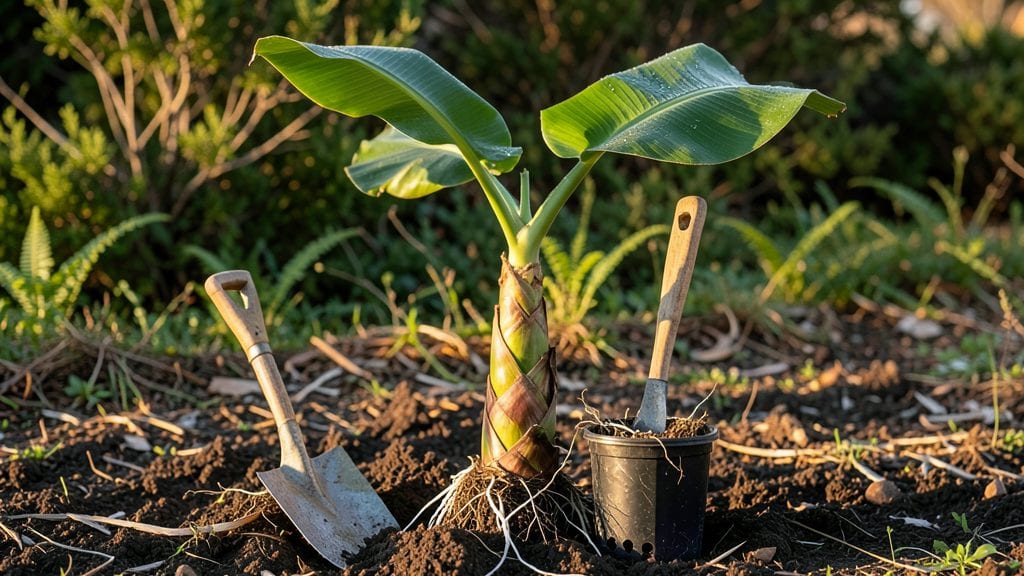
Planting a banana tree in cooler climates is easier than you think—even if your winters dip below freezing. 🌱 I’ve grown them successfully in Zone 7 by treating them like a dramatic houseplant that gets a summer vacation outdoors.
The key isn’t just the soil or water; it’s understanding how to protect them when temperatures drop.
You’ll need a well-draining mix (think 60% potting soil, 30% compost, and 10% perlite), a large container (at least 15-gallon) for indoor starts, and a sunny spot—either in a greenhouse, patio, or sheltered yard.
Banana trees love heat but hate soggy roots, so containers with drainage holes are a game-changer for cooler climates. Most nurseries sell dwarf varieties like ‘Dwarf Cavendish’ or ‘Ice Cream,’ which stay small enough for pots.
Once planted, you’ll see bold, tropical leaves within weeks, and with the right care, even a small tree can produce fruit in 2-3 years. The secret to winter survival?
Moving them indoors before frost, wrapping the pot in bubble wrap, and giving them bright, indirect light. No green thumb required—just patience and a little strategy.
Whether you’re growing one as a statement plant or dreaming of homegrown bananas, this method works for containers, in-ground plantings (in warm zones), or even indoor setups. Let’s get those roots in the ground—or at least in the right pot.
📚 In This Guide
- What you need
- Instructions
- Tips and common mistakes
- Wrapping up and next steps
What you need
- ● Banana plant (sucker or rhizome): Choose a healthy, disease-free Musa variety (e.g., Cavendish, Lady Finger, or Red Dacca). Buy from a reputable nursery or propagate from an established tree.
- ● Well-draining soil: A mix of 60% topsoil, 30% compost, and 10% perlite or coarse sand (bananas hate soggy roots!).
- ● Planting container (if not in-ground): A 15–25 gallon pot with drainage holes (minimum 2 feet deep). For multiple trees, space pots 6–10 feet apart.
- ● Organic mulch: 3–4 inches of straw, wood chips, or pine needles to retain moisture and regulate temperature.
- ● Fertilizer: Balanced fertilizer (10-10-10) at planting time.
- ● High-potassium fertilizer (e.g., 0-10-10) during fruiting season (spring/summer).
- ● Watering can or hose with nozzle: Bananas need 1–2 inches of water weekly (more in extreme heat).
- ● Pruning shears: Sharp, bypass-style shears for trimming dead leaves or suckers.
- ● Cold-hardy banana varieties: Opt for Musa acuminata hybrids like ‘Dwarf Cavendish’ or ‘Ice Cream’ (tolerate temps down to 25–30°F).
- ● Frost protection: Burlap wraps or frost cloth for young plants.
- ● Grow lights or indoor pots for overwintering (move to a garage or sunroom if temps drop below 50°F).
- ● Heat lamps or space heaters: For indoor seedlings to simulate tropical warmth.
- ● Epsom salt: 1 tablespoon/month dissolved in water for magnesium boost (prevents yellowing leaves).
- ● Compost tea: Monthly foliar spray for nutrient-rich growth.
- ● Trellis or stake: For support if your banana grows tall (especially in windy areas).
- ● pH test kit: Bananas thrive in slightly acidic soil (pH 5.5–7.0).
Step-by-step instructions for planting a banana tree in cooler climates
Here's how to grow a thriving banana tree even when summer highs dip below 80°F—no tropical climate required.
🌱 Step 1: Select the Right Variety and Planting Location
Choose a dwarf banana cultivar like 'Dwarf Cavendish' or 'Lady Finger'—they tolerate cooler temperatures better than larger varieties. These stay compact enough for containers or small gardens while still producing fruit. Plant in a spot that gets full sun for at least 6-8 hours daily, but with afternoon shade if your summers are scorching.
Banana trees need protection from strong winds and frost. If you're in USDA Zones 8-10, plant directly in the ground. For cooler zones, use a large container (at least 15-gallon) with drainage holes. I always place mine near a south-facing wall or fence to capture reflected heat during cooler months.
🪴 Step 2: Prepare Soil and Plant the Rhizome
Banana trees thrive in well-draining, slightly acidic soil (pH 5.5-7.0). Mix equal parts potting soil, compost, and perlite for container planting, or amend garden soil with 3-4 inches of compost if planting outdoors. Avoid heavy clay—it causes root rot and stunts growth.
Plant the rhizome (the thick, knobby base of the pseudostem) 2-3 inches deep, with the buds facing upward. Space multiple plants 8-10 feet apart if planting in the ground, or use one rhizome per 15-gallon container. Water deeply right after planting to settle the soil around the roots. You'll see new leaves emerge within 2-4 weeks if conditions are right.
☀️ Step 3: Water and Fertilize for Optimal Growth
Banana trees love moisture but hate soggy roots. Water deeply 2-3 times per week during the growing season, keeping the soil evenly moist but not waterlogged. Let the top 2 inches of soil dry out between waterings to prevent fungal diseases. In containers, you'll need to water more frequently—daily in hot weather—since pots dry out faster.
Feed with a balanced, water-soluble fertilizer (10-10-10) every 4-6 weeks during the growing season. Increase nitrogen slightly in spring to encourage leafy growth, then switch to a potassium-rich fertilizer (like 5-10-10) when flower stalks appear. I always reduce fertilizing in fall and winter, as growth slows in cooler months.
✂️ Step 4: Protect and Prune for Long-Term Success
As the plant matures, you'll notice flower stalks (called "hands") emerging from the center. These are your fruit—do not remove them unless you're in a frost-prone area and need to protect the plant. If frost threatens, cut the stalk at the base to redirect the plant's energy into surviving the cold.
After fruiting, the pseudostem (the "trunk") will die back. This is normal! Cut it down to the ground, but leave the rhizome in place. New shoots will emerge from the same base within 2-3 months. In cooler climates, bring container-grown banana trees indoors or to a garage with protected space when temperatures drop below 50°F. They'll go dormant but will regrow in spring.
🌿 Step 5: Overwintering and Year-Round Care
If you're in Zones 7 or cooler, treat your banana tree like a tender perennial. After the first frost, cut back dead leaves and reduce watering to once every 2-3 weeks. Keep the rhizome in a cool, dark place (like a basement) with minimal water until spring. In spring, repot if needed and resume regular care.
In warmer zones, mulch the base with 3-4 inches of straw or wood chips to insulate roots and retain moisture. Watch for banana aphids or sigatoka leaf spot—common pests in humid climates. Spray with neem oil or copper fungicide at the first sign of trouble. With proper care, your banana tree can live for years and produce fruit annually.
Tips & tricks for planting a banana tree in cooler climates
Growing a banana tree in cooler climates doesn't have to be complicated—these practical tips will help you avoid common pitfalls and maximize your plant's success.
Variety Selection: While 'Dwarf Cavendish' and 'Lady Finger' are excellent choices for cooler climates, don't overlook 'Red Dacca' if you want larger fruit. This variety handles cooler temperatures better than most commercial bananas, though it may need extra winter protection in Zone 7 or colder. I've found that planting near a south-facing wall gives these varieties that extra heat boost they need during cooler months.
Soil Preparation Strategy: The soil mix of equal parts potting soil, compost, and perlite is perfect, but here's the secret: pre-moisten this mix before planting. Damp soil helps the rhizome establish roots faster during that critical first week. For garden planting, work in those 3-4 inches of compost at least 2 weeks before planting to let beneficial microbes colonize the soil.
Container Care for Cooler Climates: If using containers, opt for dark-colored pots—they absorb and retain heat better than light-colored ones. I always add a layer of black landscape fabric inside the bottom of the pot to create a heat sink that protects roots during temperature swings. Also, elevate containers slightly off the ground to improve drainage and prevent root rot from sitting in cold, damp soil.
Watering Wisdom: The 2-3 times weekly watering guideline works well, but here's what nobody tells you: banana trees in containers need more frequent watering than those in ground. In hot weather, I water my container-grown trees in the morning and evening to maintain that even moisture. For ground-planted trees, focus on deep watering rather than frequent light waterings—this encourages deep root growth that's more resilient in cooler climates.
Pro Tips for Planting Banana Tree
- Growing a banana tree in cooler climates doesn't have to be complicated—these practical tips will help you avoid common pitfalls and maximize your plant's success.
- Variety Selection: While 'Dwarf Cavendish' and 'Lady Finger' are excellent choices for cooler climates, don't overlook 'Red Dacca' if you want larger fruit.
- Soil Preparation Strategy: The soil mix of equal parts potting soil, compost, and perlite is perfect, but here's the secret: pre-moisten this mix before planting.
Frequently asked questions
Got questions about growing your own banana tree? You’re not alone! Here are some of the most common queries—plus clear, practical answers to help you succeed.
How cold can banana trees tolerate before they die?
Most banana varieties (like Musa acuminata) thrive in USDA Zones 10–11 but can survive brief dips to 28–32°F (-2 to 0°C). In colder climates, plant them in containers for winter relocation or choose cold-hardy types like Musa basjoo, which tolerate 15°F (-9°C). Mulch heavily and protect with frost cloth for extra safety!
How long does it take for a banana tree to produce fruit?
Patience is key! From planting, it typically takes 1–2 years for a banana tree to mature enough to flower and fruit. Dwarf varieties (like Lady Finger) may fruit sooner (9–12 months), while larger types can take 2–3 years. Ensure full sun, rich soil, and consistent watering to speed up the process.
Can I grow a banana tree in a pot, or do I need a yard?
Banana trees thrive in containers—just choose a large pot (15+ gallons) with drainage holes and use well-draining soil. Place them in full sun and move indoors or to a garage when temps drop below 50°F (10°C). Dwarf varieties are ideal for pots, while larger types may need staking for support.
Why are my banana tree leaves turning yellow or brown?
Yellowing leaves often signal overwatering or poor drainage, while brown edges can mean underwatering or salt buildup (from tap water). Check soil moisture—banana trees prefer consistently moist but not soggy soil. Fungal issues (like sigatoka) may cause spots; treat with copper fungicide if needed. Adjust care and monitor for pests like aphids or spider mites.
Do banana trees regrow from the base after cutting?
Yes! Banana trees are monocarpic—they die after fruiting—but their pseudostems (the "trunk") contain dormant buds. After harvesting, cut the stem 6–12 inches above the ground. New shoots will sprout from the base within 1–3 months. Save the corm (the bulb-like base) to propagate more plants!
Wrapping up and next steps
Planting a banana tree in cooler climates is totally doable with the right knowledge and care! 🌱 Whether you’re a seasoned gardener or a curious beginner, these steps will help you cultivate a thriving tropical plant—even where it’s not naturally warm.
Remember, patience and consistency are key, and soon you’ll be enjoying homegrown bananas (or at least the beauty of their lush foliage!).
Ready to take the next step? Start by monitoring your plant’s growth and adjusting care as needed. If you’re feeling ambitious, explore pruning techniques or even propagating new plants from your banana tree. Happy growing! 🌿✨