Pruning
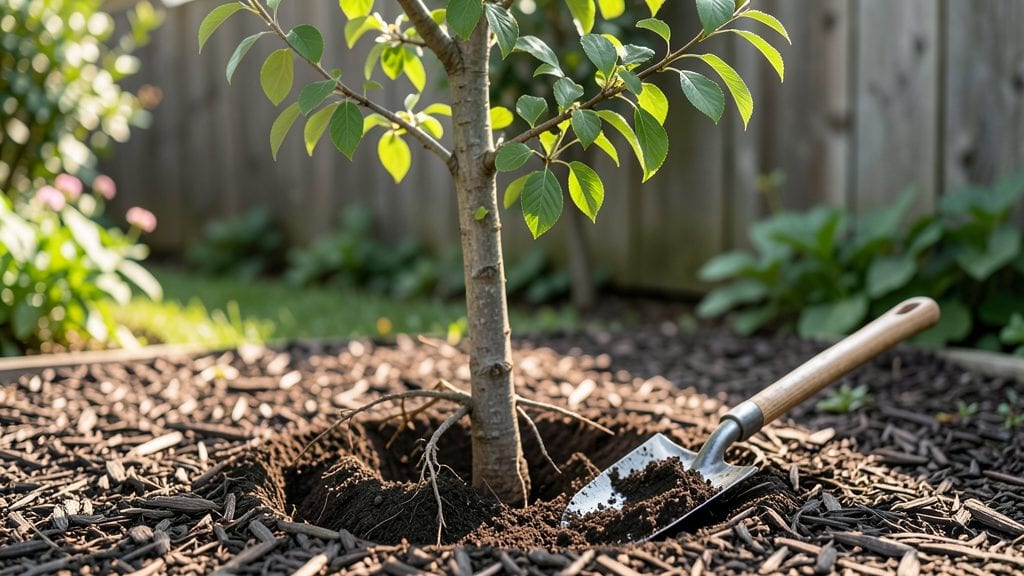
Planting an almond tree in the Pacific Northwest means you'll get to enjoy its delicate spring blossoms and sweet nuts—if you nail the site and soil.
The key is choosing a spot with full sun, well-draining soil, and protection from harsh winter winds, since these trees need winter chill to fruit properly. I learned this the hard way after my first tree struggled in a low-lying area where cold air pooled.
You'll need a few basic supplies: a young, cold-hardy almond tree (look for varieties like 'Nonpareil' or 'Peerless'), a shovel, compost, and a mulch like wood chips. The planting hole should be twice as wide as the root ball but no deeper—this prevents root rot and encourages strong growth.
Most nurseries sell trees in 1- or 3-gallon pots, so you can start small and transplant later if needed.
After planting, water deeply to settle the soil around the roots, then mulch to retain moisture and regulate temperature. The first year is all about establishing roots, so keep the soil consistently moist but not soggy.
By spring, you'll see new growth as the tree settles in—this is when you can ease up on watering slightly and focus on pruning to shape the tree and remove any dead or crossing branches.
Long-term success comes down to patience and consistency. Almond trees take 3-5 years to bear fruit, but once they do, they reward you with abundant harvests if you protect them from pests like aphids and keep the soil healthy.
In the PNW, late frosts can damage blossoms, so consider planting near a heat-reflective wall or using frost cloth if your area gets late freezes.
📚 In This Guide
- What you need
- Instructions
- Tips and common mistakes
- Wrapping up and next steps
What you need
- ● Almond tree sapling: Choose a cold-hardy variety (e.g., Nonpareil or Peerless) from a local nursery. 1-2 trees (for cross-pollination, plant two different varieties).
- ● Shovel: A round-point or digging spade (16–18 inches wide) for planting.
- ● Garden gloves: Heavy-duty, waterproof (to protect hands from thorns and soil).
- ● Pruning shears: Bypass-type (sharp, 6–8 inch blades) for trimming roots or branches.
- ● Mulch: Organic options like wood chips, straw, or compost (3–4 inches thick).
- ● Watering can or hose: With a gentle spray nozzle (avoid high pressure).
- ○ Soil amendments (optional): Well-draining sandy loam soil (pH 6.0–7.5).
- ● Compost or aged manure (1–2 gallons) to enrich soil.
- ● Location: Full sun (6+ hours daily) and sheltered from strong winds (Pacific Northwest’s coastal areas may need microclimate protection).
- ● Timing: Plant in early spring (March–April) or late fall (October–November) for best root establishment.
- ● Chilling hours: Almond trees need 300–500 hours below 45°F (common in PNW winters).
- ● Space: 15–20 feet apart (trees grow 15–25 feet tall/wide).
- ● Test soil drainage—almond trees hate soggy roots! Dig a hole, fill with water, and check if it drains in <1 hour.
- ○ Use a tree stake (optional) for young saplings in windy areas.
- ● Check local frost dates—almond blossoms are frost-sensitive! 🌸
Step-by-step instructions for planting an almond tree
Here's how to plant a thriving almond tree in your Pacific Northwest yard.
Choose the Right Location and Time
Almond trees need full sun (at least 6-8 hours daily) and well-draining soil. In the Pacific Northwest, plant in early spring (March-April) when soil temperatures reach 50°F or warmer. Avoid planting in fall—almond trees struggle with winter moisture and cold.
Test your soil first. Dig a hole about 12 inches deep and check for drainage. If water pools after 30 minutes, amend the soil with 3-4 inches of compost to improve drainage. A south-facing slope or raised bed works best for preventing winter waterlogging.
Prepare the Planting Hole and Soil
Dig a hole twice as wide as the root ball but no deeper. Loosen the sides of the hole with a shovel to encourage root spread. Remove any rocks or debris—almond trees hate compacted soil. Mix 5 gallons of compost into the native soil removed from the hole.
Place the tree in the hole so the graft union (the bulge near the base of the trunk) sits 2-3 inches above soil level. This prevents rot and ensures proper growth. Backfill with the amended soil, tamping gently to remove air pockets but not compacting too tightly.
Water Deeply and Mulch Properly
Water the newly planted tree deeply (about 10 gallons) to settle the soil around the roots. Keep the soil consistently moist for the first 4-6 weeks, but avoid soggy conditions. Almond trees are drought-tolerant once established, but young trees need steady moisture.
Spread 3-4 inches of mulch (wood chips or straw) around the base, keeping it 6 inches away from the trunk to prevent rot. Mulch helps retain moisture and regulate soil temperature. Replenish mulch annually as it breaks down.
Prune and Protect for First-Year Growth
Remove any dead, broken, or crossing branches with clean, sharp pruners. Focus on shaping the tree to encourage an open canopy. Leave 3-4 main branches to promote airflow and reduce disease risk. Prune in late winter before buds swell.
Install a tree stake if needed (especially in windy areas) to support the young tree. Use soft ties to avoid damaging the trunk. Protect the tree from small animals with a wire cage around the trunk for the first year—they love young almond bark.
Monitor and Maintain Through the First Season
Check soil moisture weekly—water when the top 2 inches of soil feel dry. Avoid overhead watering to prevent fungal diseases. Fertilize lightly in early spring with a balanced 10-10-10 fertilizer (about ½ cup per year of tree age).
Watch for signs of stress: yellowing leaves may indicate overwatering, while crispy edges signal underwatering. Almond trees are slow to show problems, so act quickly if you notice changes. By next spring, your tree should show new growth and be ready for long-term care.
Tips & tricks for planting an almond tree
Here's what I learned from planting my own almond tree—and how you can avoid common pitfalls.
Location is Everything: That 6-8 hours of full sun isn't just a suggestion—it's non-negotiable. In the Pacific Northwest, south-facing slopes get the most consistent sunlight. If your yard doesn't have natural sun exposure, consider a raised bed where you can control the environment better. I planted mine near my driveway where it gets afternoon sun, and the difference in growth is night and day.
Soil Test First: Don't skip the 30-minute drainage test! I learned this the hard way by planting in heavy clay soil that held water like a sponge. That's why I always recommend testing your soil first. If water pools after 30 minutes, you absolutely need to amend with compost—almond trees hate wet feet. Mix in those 3-4 inches of compost thoroughly, not just as a top layer.
Graft Union Placement: The 2-3 inches above soil level for the graft union might seem like a small detail, but it's critical. This prevents rot while allowing the tree to establish properly. I used a small wooden stake to mark the exact height before planting, which made it much easier to position correctly. If you plant too deep, the tree may suffocate; too shallow, and it could dry out.
Watering Strategy: Those first 4-6 weeks are crucial for root establishment. I set up a drip irrigation system on a timer to deliver exactly 10 gallons each time, which prevented both overwatering and underwatering. Remember, almond trees are drought-tolerant once established, but young trees need consistent moisture—not soggy conditions. A moisture meter is worth the investment for this critical period.
Pro Tips for Planting An Almond Tree
- Here's what I learned from planting my own almond tree—and how you can avoid common pitfalls.
- Location is Everything: That 6-8 hours of full sun isn't just a suggestion—it's non-negotiable.
- Soil Test First: Don't skip the 30-minute drainage test!
Frequently asked questions
Got questions about planting and growing almond trees in the Pacific Northwest? You’re not alone! Here are answers to the most common concerns—from timing to troubleshooting—so you can get started with confidence.
What’s the best time of year to plant an almond tree in the PNW?
Plant your almond tree in early spring (March–April) or late fall (October–November). Spring planting gives roots time to establish before summer heat, while fall planting benefits from winter moisture. Avoid planting in extreme heat or frost-prone months.
Are almond trees truly cold-hardy in the Pacific Northwest?
Yes! Most almond varieties (like Nonpareil or Butte) tolerate temperatures down to 10–15°F. However, young trees may need winter protection (e.g., mulch or windbreaks) in colder microclimates. Choose dwarf or semi-dwarf varieties for smaller spaces—they’re easier to shelter.
Can I grow an almond tree from a store-bought almond?
Nope! Store-bought almonds are hybridized and won’t sprout true trees. Instead, buy a bare-root or container-grown sapling from a nursery. For pollination, plant two compatible varieties (e.g., Nonpareil + Butte) 30–50 feet apart.
Do almond trees need cross-pollination, and how do I ensure it?
Almond trees are self-incompatible, meaning they need a second tree for pollination. Plant two different varieties (e.g., Fritz + Price) within 50–100 feet of each other. Bees handle the rest! If your yard is small, consider a self-pollinating variety like Independence.
What pests or diseases should I watch for in PNW almond trees?
Common issues include:
- Peach leaf curl (fungus): Spray copper fungicide in late fall or early spring.
- Navel orangeworm (larvae): Remove mummified fruit in winter and use pheromone traps during harvest.
- Aphids/mites: Blast off with water or use neem oil.
Keep trees well-watered and pruned for airflow to reduce risks.
Pro Tip:
If you’re in a cooler PNW zone (e.g., Western WA/OR), opt for low-chill varieties like Sonora (300–400 chill hours) to ensure proper blooming. Check your local USDA zone for best matches!
Wrapping up and next steps
Growing an almond tree in the Pacific Northwest is not only rewarding but also a delicious way to embrace your region’s climate! With the right cold-hardy variety, proper soil prep, and a little patience, you’ll soon enjoy fresh nuts straight from your backyard. 🌱
Ready to take the next step? Start by choosing your tree—whether from a local nursery or a trusted online source—and mark your calendar for planting in early spring. Before you know it, you’ll be harvesting almonds and sharing the joy of homegrown success with friends and family!