
Trees
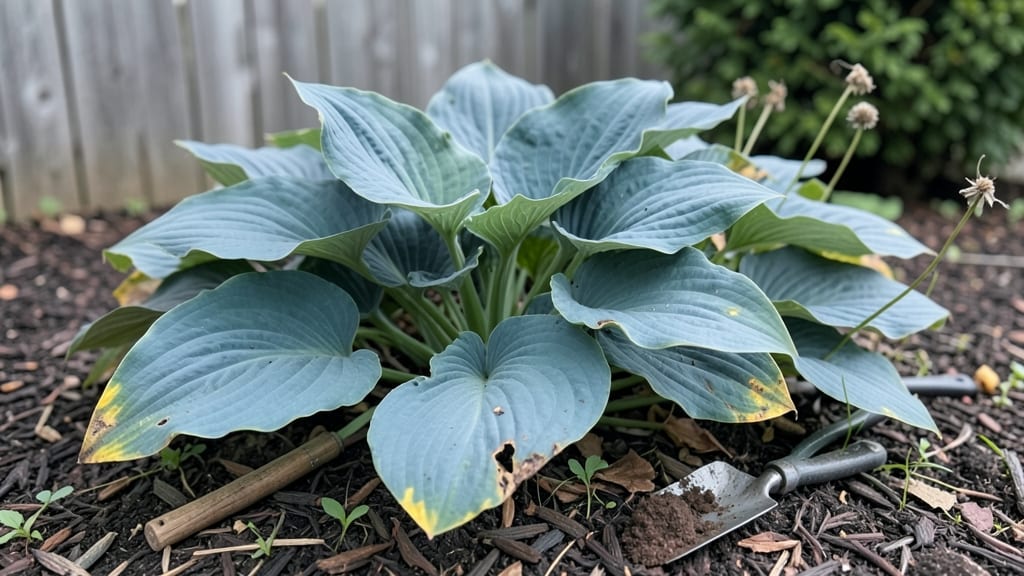
Planting hostas around trees creates a lush, foolproof foundation that thrives where most plants fail. 🌿 The key is understanding how hostas and trees coexist—hostas love shade, but tree roots compete for water and nutrients.
I’ve planted hostas under oaks, maples, and even fruit trees, and the right spacing makes all the difference.
Start with well-draining soil—hostas hate soggy roots, so amend heavy clay with compost. Space hostas 12-18 inches apart from the tree trunk and each other, giving them room to spread without smothering the tree.
Mulch with 3 inches of shredded bark to retain moisture and suppress weeds, but keep mulch away from the tree’s base.
You’ll end up with a year-round green carpet that brightens dull tree bases and softens harsh bark. Hostas add texture and color, while their broad leaves frame the tree like a living sculpture.
The best part? They’re low-maintenance—just water during dry spells and divide clumps every few years to keep them vigorous.
Works for any mature tree, from towering oaks to small ornamental varieties. Pair with ferns, astilbes, or hellebores for extra shade-loving drama. Let’s get those hostas planted!
📚 In This Guide
- What you need
- Instructions
- Tips and common mistakes
- Wrapping up and next steps
What you need
- ● Hostas: 3–6 mature plants (depending on tree size; spacing 12–24" apart for small trees, 24–36" for larger ones). Choose varieties like 'Blue Angel' or 'Francee' for shade tolerance.
- ● High-quality garden soil: 1–2 bags (50 lbs each) of organic compost or topsoil to amend native soil (hostas love rich, well-draining soil).
- ● Mulch: 2–3 bags (2–3 cubic feet each) of shredded bark or pine needles to retain moisture and suppress weeds.
- ● Garden gloves: 1 pair (heavy-duty for digging and handling soil).
- ● Hand trowel: 1 (6–8" blade for precise planting).
- ● Watering can or hose: With a gentle spray nozzle for post-planting hydration.
- ● Pruning shears: 1 pair (for trimming hosta leaves or nearby tree roots if needed).
- ● Slow-release fertilizer: 1 bag (e.g., 10-10-10 or organic options like fish emulsion) to boost growth in the first season.
- ● Soil pH tester: To check if your soil needs lime (hostas prefer slightly acidic to neutral soil, pH 6.5–7.5).
- ● Edging tools: For clean borders if you’re creating a defined hosta bed.
- ● Tree guards or protective barriers: If nearby tree roots are aggressive (e.g., black walnut or pine).
- ● Decorative stones or gravel: For a polished look around the base of the tree.
Step-by-Step instructions for planting hostas around trees
Here's how to create a stunning, low-maintenance shade garden that thrives year after year.
🌱 Step 1: Choose the Right Hostas and Prepare the Planting Site
Select hostas with varying heights and leaf colors to create visual interest. Smaller varieties like 'Blue Angel' work well near tree trunks, while larger types like 'Francee' can be placed farther out. Clear away any grass or weeds within a 3-foot radius around the tree, but avoid disturbing the tree's root zone.
Test the soil moisture—hostas hate soggy roots from tree driplines. If the area stays wet for days, improve drainage by mixing in 2-3 inches of compost to help water drain away from the tree. The ideal spot is where morning sun reaches the hostas but afternoon shade keeps them cool.
🪴 Step 2: Dig Holes and Position Hostas Strategically
Dig holes twice as wide as the root ball but only as deep as the container. Space plants 18-24 inches apart for smaller varieties and 3-4 feet apart for large clumping types. Place hostas so their crowns sit 1 inch above soil level—burying them too deep causes rot.
Arrange plants in odd-numbered groupings for natural balance. For example, try three hostas in a triangle near the tree trunk, with larger varieties on the outer edges. This creates depth and prevents the area from looking flat. Water each hole lightly before planting to help settle the roots.
☀️ Step 3: Plant and Mulch for Long-Term Success
Gently remove hostas from their containers and loosen any circling roots with your fingers. Place each plant in its hole, then backfill with soil, pressing lightly to eliminate air pockets. Water deeply to help the roots settle into the surrounding soil.
Apply 2-3 inches of mulch (like shredded bark or pine needles) around each plant, keeping it 6 inches away from the tree trunk to prevent rot. Mulch helps retain moisture while protecting roots from temperature swings. Avoid piling mulch against the hosta crowns—this can smother the plant over time.
💧 Step 4: Water and Monitor for First-Year Establishment
Water newly planted hostas once a week for the first month, giving them 1 inch of water each time. After that, water only when the soil feels dry 2 inches below the surface. Overwatering is the biggest mistake—hostas in tree shade are prone to fungal diseases if kept too wet.
Watch for signs of stress like yellowing leaves or wilting. If you see these, adjust your watering schedule—hostas in full shade often need less water than those in partial shade. After the first year, hostas will establish deep roots and require minimal care beyond occasional division every 3-5 years.
Tips & tricks for perfect hostas around trees
Here's what I've learned from years of planting hostas near trees—these tricks will help you avoid common pitfalls and create a thriving shade garden.
Soil Moisture Matters: In Step 1, when testing soil moisture, press your finger about 2 inches deep. If it feels damp for more than a few hours after rain, that's your warning sign—hostas in soggy soil develop root rot. If you're working with heavy clay soil, mix in 2-3 inches of compost as suggested, but also consider adding a handful of perlite to improve drainage even more. This prevents the dreaded "mushy roots" that can kill your plants before they even establish.
Root Ball Technique: When you're ready to plant in Step 2, gently squeeze the root ball to check for circling roots. If you find any, use your fingers to loosen them—this helps the roots spread outward into the surrounding soil. I've made the mistake of planting hostas with tight root balls, and they struggled to establish properly. Taking that extra 30 seconds now saves you from dealing with stressed plants later.
Mulch Placement Precision: Step 3 mentions keeping mulch 6 inches away from the tree trunk, but here's the thing: keep it 6 inches away from the hosta crowns too. Piling mulch against the crown can suffocate the plant and trap moisture, leading to rot. Instead, create a donut shape around each plant with the mulch, leaving the center clear. This keeps the roots cool while preventing moisture buildup.
Watering Wisdom: The instructions mention watering once a week for the first month, but here's the secret: water in the morning. This gives the soil time to dry out during the day, reducing the risk of fungal diseases that thrive in damp conditions. I've seen beautiful hosta gardens ruined by evening watering—don't make that mistake. Also, use a rain gauge or measuring cup to ensure you're giving that full 1 inch of water each time.
Pro Tips for Planting Hostas Around Trees
- Here's what I've learned from years of planting hostas near trees—these tricks will help you avoid common pitfalls and create a thriving shade garden.
- Soil Moisture Matters: In Step 1, when testing soil moisture, press your finger about 2 inches deep.
- Root Ball Technique: When you're ready to plant in Step 2, gently squeeze the root ball to check for circling roots.
Frequently asked questions
Got questions about planting hostas around trees? You’re not alone! Here are some of the most common concerns—and their solutions—to help you create a thriving, low-maintenance garden spot.
What’s the best time of year to plant hostas near trees?
Spring and early fall are ideal for planting hostas around trees. During these seasons, soil temperatures are mild, and hostas have time to establish roots before extreme heat or cold. Avoid planting in late summer or winter, as the plants may struggle to adapt.
Will hostas compete with tree roots for water and nutrients?
Hostas are generally low-maintenance and adapt well to shade, but yes, they can compete with tree roots for resources. To minimize competition, plant hostas at least 3–5 feet away from the tree trunk. Mulching (2–3 inches of organic mulch) will also help retain moisture and suppress weeds without smothering the hostas.
Can I plant hostas under any type of tree, or are some better than others?
Hostas thrive under most shade trees, but avoid planting them under black walnut trees—their toxic juglone chemical can stunt or kill hostas. Deciduous trees like maples, oaks, and dogwoods are excellent choices. Evergreens (like pines) work too, but ensure the hostas get enough light during winter when needles thin out.
How do I protect hostas from pests and slugs when planted near trees?
Hostas are famously slug and snail magnets, especially in damp, shady spots near trees. Use organic slug baits, copper barriers, or diatomaceous earth around the base. For added protection, plant slug-resistant varieties like ‘Halcyon’ or ‘Francee’ and keep mulch away from the crown of the plant to deter pests.
What if my hostas aren’t thriving after planting? What could be wrong?
Yellowing leaves, stunted growth, or wilting often signal overwatering, poor drainage, or root competition. Check the soil—hostas prefer moist but well-draining conditions. If the tree’s roots are too aggressive, consider adding a root barrier or relocating the hostas slightly farther away. Overcrowding can also stress plants, so space them 12–24 inches apart.
Wrapping up and next steps
Planting hostas around trees is a fantastic way to create a lush, low-maintenance garden that thrives in shade. These hardy perennials not only enhance your landscape’s beauty but also protect tree roots while adding texture and color.
Whether you’re a beginner or a seasoned gardener, hostas are your perfect shade companions—just remember to choose the right varieties, prep the soil, and give them space to grow!
Ready to transform your shady spots? Grab your hostas, roll up your sleeves, and get planting! 🌱 For extra inspiration, browse local nurseries or check out hosta care guides to keep your garden thriving year after year.