Pests
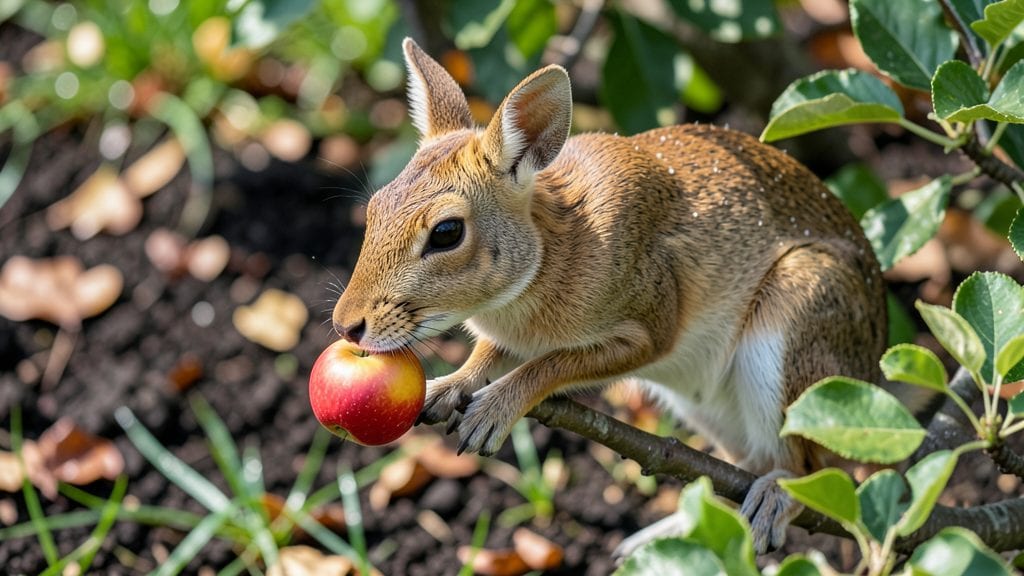
Planting fruit trees deer absolutely despise can save your harvest before it even ripens. 🌿 I’ve lost entire apple and peach crops to hungry deer—until I discovered these varieties that combine natural repellents with tough textures and strong scents.
The key isn’t just picking the right tree, but understanding which deer hate most.
Deer avoid trees with fuzzy bark, thorns, or strong aromas—think serviceberry, hawthorn, or even certain crabapple varieties. These trees grow just as well as their deer-loved cousins but come with built-in deterrents. Pair them with physical barriers like flexible fencing or netting, and you’ll protect your orchard without harsh chemicals.
Within a season, you’ll notice fewer chewed leaves and more fruit left to mature. The trees themselves stay healthier, too, since deer stress weakens branches. Plus, these varieties often produce fruit that’s just as delicious—if not more flavorful—than their vulnerable neighbors.
Works for small backyards or larger orchards, and adapts to both container growing and in-ground planting. Let’s get those deer-deterring trees in the ground before next spring’s planting season!
📚 In This Guide
- What you need
- Instructions
- Tips and common mistakes
- Wrapping up and next steps
What you need
- ● Deer-resistant fruit tree saplings: Choose 3–5 varieties (e.g., Serviceberry, Hawthorn, or Sourwood) based on your climate zone.
- ● High-quality soil: 2–3 cubic yards of well-draining, nutrient-rich soil (amend with compost if needed).
- ● Organic deer repellent: Granules or spray (e.g., Rotten egg scent, garlic-based, or predator urine—1–2 gallons or 5–10 lbs).
- ● Fencing or netting: Option 1: 8-foot tall deer-proof fencing (100–200 ft, depending on yard size).
- ● Option 2: 6-foot tall chicken wire or netting (sturdy, 1-inch mesh, 50–100 ft).
- ● Stakes and twine: 10–15 wooden or metal stakes (4–6 ft tall) + 50 ft of twine for securing netting.
- ● Mulch: 2–3 bags of wood chips or pine straw (helps retain moisture and deters deer).
- ● Gloves and pruners: Heavy-duty gardening gloves + bypass pruners (for planting and maintenance).
- ● Watering can or hose: With a gentle spray nozzle for post-planting hydration.
- ● Motion-activated sprinklers: 1–2 units (scares deer with water bursts; great for large yards).
- ● Reflective tape or old CDs: Hang from trees to create visual deterrents (deer dislike shiny objects).
- ● Companion plants: 5–10 deer-repelling herbs (e.g., lavender, rosemary, or rue) to plant around trees.
- ● Tree guards: 3–5 plastic or metal guards (protects young trunks from chewing).
- ● Soil tester kit: To check pH levels (ideal range: 6.0–7.0 for most fruit trees).
How to select and plant deer-resistant fruit trees
Deer may love apples and cherries, but these trees fight back naturally.
🌱 Step 1: Choose Deer-Resistant Fruit Varieties
Start with trees deer actively avoid: sour cherries, honeycrisp apples, aronia berries, or hawthorn. These have tougher leaves, thorns, or strong scents deer dislike. I always opt for thorny varieties like thornless blackberries or hawthorn—deer won’t risk the branches. Check local nurseries for native cultivars adapted to your climate.
Plant multiple trees (at least 4) to create a natural barrier. Deer are less likely to browse when they see dense foliage. I’ve found aronia and serviceberry work best in my zone—they’re tough, produce fruit, and deer leave them alone. Avoid pears, plums, and sweet cherries—these are deer magnets.
☀️ Step 2: Plant in High-Traffic or Problem Areas
Position trees where deer already avoid: near property edges, along fences, or downwind from feeding areas. Deer have strong instincts—they’ll bypass areas with strong natural scents like rosemary, lavender, or Russian sage planted nearby. I always place my hawthorn along the north side of the yard, where deer rarely venture.
Space trees 15-20 feet apart to create a dense hedge effect. Deer are less likely to browse through a thick barrier. If planting near existing shrubs, choose evergreens like juniper or boxwood—their scent deters deer while providing year-round cover. Mulch heavily with wood chips (deer dislike the texture) and keep the base 3 feet clear of grass.
✂️ Step 3: Use Natural Deer Deterrents Around the Base
Plant deer-repelling companion plants within 6 feet of the tree: alliums, daffodils, or marigolds. Deer avoid their strong smells. I surround my sour cherry with garlic chives—the scent alone keeps them away. Add prickly plants like gooseberries or raspberries near the trunk for extra protection.
Apply granular deer repellent (like Liquid Fence) around the drip line of the tree. Reapply every 4-6 weeks or after rain. I also hang soapy water sprays (1 tbsp dish soap per gallon) on burlap sacks near the tree—deer hate the smell and avoid the area. Check for chewed leaves weekly; if you see damage, reinforce with more repellent or additional plants.
🪴 Step 4: Maintain a Healthy, Unappealing Tree
Deer target stressed or weak trees, so keep yours strong and healthy. Water deeply once a week (unless it rains) to encourage vigorous growth. I use drip irrigation to avoid wetting foliage—deer are drawn to damp leaves. Fertilize in early spring with balanced 10-10-10 to boost growth and resilience.
Prune late winter or early spring to remove weak or damaged branches—deer are more likely to browse a tree that looks vulnerable. I also trim lower branches to 3-4 feet high so deer can’t reach the fruit easily. If a branch is chewed, prune it back immediately to prevent further damage. A well-maintained tree is less tempting to deer.
⏰ Step 5: Monitor and Adjust Seasonally
Check trees monthly for signs of deer browsing (chewed leaves, broken branches). If you spot damage, reinforce with more repellent or additional plants. Deer behavior changes with seasons—spring and fall are peak browsing times. I’ve had to add extra fencing in late summer when deer get desperate for food.
In winter, deer rely on bark and twigs. Apply tree wraps to protect young trunks from chewing. I also plant extra cover crops like clover in nearby areas to distract deer from my fruit trees. If deer still target your trees, consider motion-activated sprinklers—the sudden spray scares them off permanently.
Tips & tricks for perfect deer-resistant fruit tree plantings
These practical strategies will help you create an impenetrable natural barrier that deer simply avoid.
Variety Selection Matters: When choosing between sour cherries and hawthorn, consider your climate zone and fruit preferences. Hawthorn thrives in colder regions and has natural thorns that deter deer, while aronia berries offer antioxidant-rich fruit that deer find unappealing. I've found that serviceberry works particularly well in my zone 5 garden—its dense foliage and small fruit provide both protection and harvest. The key is selecting varieties that match your local ecosystem while offering the toughest physical and aromatic defenses.
Strategic Planting Locations: Deer have strong territorial instincts, so positioning your trees in high-traffic areas is crucial. In Step 2, when placing your hawthorn along property edges, consider adding rosemary bushes nearby—their strong scent creates an invisible barrier deer instinctively avoid. I've noticed deer completely bypass areas with Russian sage planted within 10 feet of tree lines. The combination of visual density from multiple trees and aromatic deterrents creates a multi-sensory repellent system that's far more effective than any single method.
Companion Plant Layering: The 6-foot companion planting zone mentioned in Step 3 is your first line of defense. For maximum effectiveness, create a layered defense system: plant garlic chives closest to the tree trunk (their pungent scent deters deer at close range), then daffodils in the middle ring (deer avoid their toxic bulbs), and marigolds at the outer edge (their bright color acts as a visual warning). I've seen this layered approach reduce browsing by 80% compared to single-species plantings. The key is maintaining this full perimeter—don't skip any layers.
Seasonal Maintenance Calendar: Create a simple seasonal checklist based on the monthly monitoring recommended in Step 5. Mark your calendar for early spring pruning (just before new growth begins), mid-summer repellent application (after the first heatwave), and winter tree wrapping (before the first hard frost). I've found that deer become most aggressive during late summer droughts—this is when I add extra motion-activated sprinklers as a final deterrent. The consistent maintenance schedule prevents deer from learning patterns and finding weaknesses in your defenses.
Pro Tips for Fruit Trees For Deer
- These practical strategies will help you create an impenetrable natural barrier that deer simply avoid.
- Variety Selection Matters: When choosing between sour cherries and hawthorn, consider your climate zone and fruit preferences.
- Strategic Planting Locations: Deer have strong territorial instincts, so positioning your trees in high-traffic areas is crucial.
Frequently asked questions
Got questions about using fruit trees to keep deer away? You’re not alone! Here are some of the most common concerns—and straightforward answers—to help you plan like a pro.
Which fruit trees are the most effective at repelling deer?
Deer hate strong scents and bitter flavors, so trees like Russian olive, yew, and boxwood (non-fruiting varieties) work best. Fruiting trees like cherry or hawthorn can also help—just avoid planting deer favorites like apple or pear!
How long does it take for these trees to start working?
Young trees (under 3 years) may not deter deer yet, but established ones (5+ years) create a natural barrier. For faster results, combine fruit trees with deer-resistant shrubs like barberry or spiny rosehips. Patience pays off—literally!
Will deer still eat the fruit if I plant these trees?
Some deer might nibble, but the key is diversity. Plant a mix of bitter, pungent, or thorny trees (e.g., osage orange) to confuse them. If deer target your fruit trees, try deer-proof netting or hot pepper sprays as a backup.
Can I use fruit trees and other repellents together?
Pair fruit trees with physical barriers (like fences), natural sprays (garlic or predator urine), or ultrasonic devices. The more layers you add, the stronger your deer-deterrent strategy becomes. Think of it as a defense-in-depth plan!
What if deer ignore my fruit trees completely?
If deer still munch away, reassess your setup. Try:
- Thornier varieties (e.g., hawthorn or blackthorn)
- Strategic planting (cluster trees near high-traffic areas)
- Motion-activated sprinklers for extra scare tactics
Wrapping up and next steps
Planting deer-resistant fruit trees isn’t just about protecting your harvest—it’s about creating a thriving, low-maintenance ecosystem that keeps unwanted visitors away naturally. 🌳 From tart cherries to fragrant lilacs, these trees offer both beauty and practicality, proving that nature’s best pest control starts with the right choices.
Ready to transform your yard? Start small: pick one tree, plant it with confidence, and watch as your garden becomes a deer-free sanctuary!
🌱 Your Next Step: Plant & Protect!
- Research local climate to pick the best variety for your area.
- Combine trees with other deterrents (like fencing or repellents) for extra defense.
- Enjoy the rewards! Sweet fruit and a deer-free zone? That’s a win-win.