
Planting
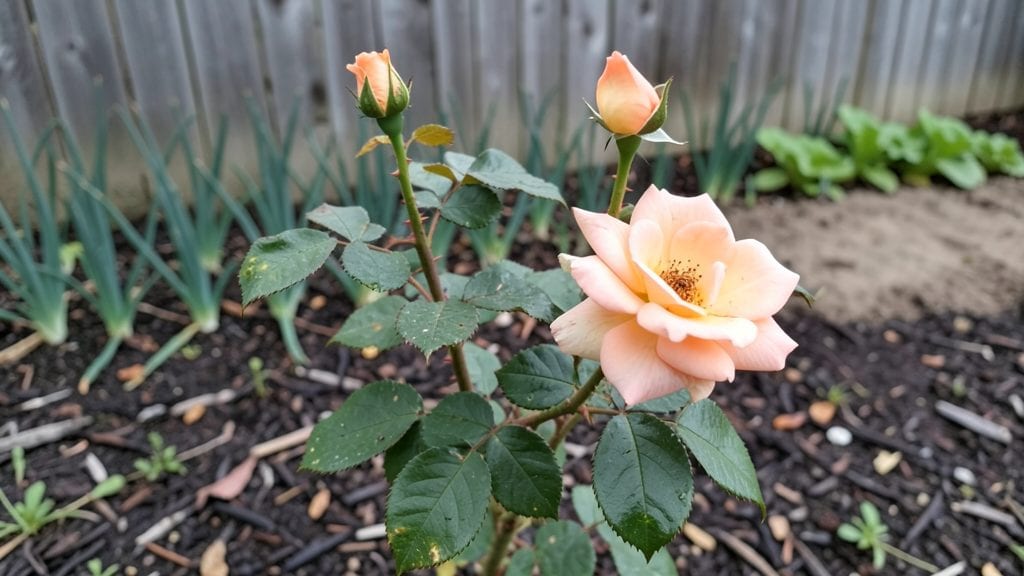
Planting a rose tree in the Pacific Northwest means choosing varieties that handle damp winters and cool summers—like David Austin English roses or Knock Out roses—because they’re bred to thrive where others struggle.
I’ve planted dozens over the years, and the secret isn’t just the variety but the prep: well-draining soil, a sunny spot, and timing the transplant just before dormancy in late fall or early spring.
The first year is critical; get it right, and you’ll have a sturdy plant pushing out new growth by June.
Start with a bare-root rose or a container-grown plant from a reputable nursery—avoid those with yellowing leaves or mushy stems. You’ll need a shovel, compost, mulch, and a stake (for support), plus a spot with at least 6 hours of sunlight daily.
The soil should be loose and amended with compost to prevent waterlogging, which is the #1 killer of roses in our climate. Dig a hole twice as wide as the root ball but only as deep—planting too deep suffocates the graft union.
After planting, water deeply to settle the soil, then mulch around the base to protect roots from winter’s chill. The first few weeks are about consistent moisture—not soggy soil, not bone-dry.
By summer, you’ll see the payoff: glossy new leaves, buds forming, and that rose-scented air that makes neighbors stop and ask, “What’s that?” The key is patience; roses planted now will reward you for years with fewer pests and stronger stems than store-bought transplants.
Common mistakes? Skipping the stake (wind in the PNW is brutal), over-fertilizing early (wait until spring), or planting too close to trees. But if you nail the soil, the sun, and the timing, your rose will outlast the winter and bloom like it’s been there for decades.
Ready to dig in?
📚 In This Guide
- What you need
- Instructions
- Tips and common mistakes
- Wrapping up and next steps
What you need
- ● Rose bushes: Choose disease-resistant varieties like ‘Knock Out,’ ‘David Austin,’ or ‘Dr. Huey’ (3–5 gallons per plant). Opt for bare-root roses (fall planting) or container-grown roses (spring planting).
- ● Well-draining soil: Mix 1 part native soil with 1 part compost and 1 part perlite/sand (for sandy PNW soils). Aim for a pH of 6.0–6.5.
- ● Organic mulch: 6–8 inches of cedar chips or straw to insulate roots from frost.
- ● Fertilizer: Balanced rose fertilizer (10-10-10) or organic options like fish emulsion or bone meal.
- ● Watering supplies: Drip irrigation system or soaker hose (1–2 gallons per plant, 2x/week in summer).
- ● Garden trowel or spade (for digging holes 2x wider than the root ball).
- ● Pruning shears (sterilized with rubbing alcohol to prevent disease).
- ● Garden gloves (heavy-duty for thorns!).
- ● Measuring tape (to ensure proper spacing: 3–4 feet apart for shrub roses, 4–5 feet for climbers).
- ● Stakes or cages (for support—6–8 ft tall for climbers).
- ● Burlap or frost cloth (to wrap young roses in late fall).
- ● Rose cones or mulch mounds (pile 12+ inches of mulch around the base for insulation).
- ● Anti-desiccant spray (like Wilt-Pruf) to protect buds from winter drying.
- ● Epsom salt (1 tbsp/month in water for magnesium boost).
- ● Compost tea (homemade or store-bought for microbial health).
- ● Rose-specific fungicide (preventative spray for black spot or powdery mildew).
- ● Decorative trellis (for a chic PNW garden vibe!).
Instructions for planting a rose tree in the Pacific Northwest
Here's how to get your rose tree established with winter resilience right from the start.
Choose the Right Location and Prepare the Soil
Pick a spot with at least 6 hours of sunlight daily—roses thrive where they get plenty of light, even in the Pacific Northwest's shorter winter days. Avoid low-lying areas where cold air settles, as this can damage roots during frost. Test your soil: roses prefer slightly acidic to neutral soil (pH 6.0-6.5). If your soil is heavy clay, amend it with 2-3 inches of compost mixed into the top 12 inches of soil to improve drainage and fertility.
Dig a hole twice as wide as the root ball but no deeper. Loosen the sides of the hole to encourage root spread. If planting in winter, choose a bare-root rose—these are easier to establish before spring growth begins. Soak the roots in lukewarm water for 1-2 hours before planting to rehydrate them. This step is crucial, especially in the Pacific Northwest's damp climate, as it prevents transplant shock.
Plant the Rose Tree Correctly for Winter Hardiness
Place the rose tree in the hole so the graft union (the swollen area near the base of the stem) is 2-3 inches above soil level. This ensures the plant can handle winter heaving—when soil freezes and thaws, it can push plants deeper, damaging the graft. Fill the hole with soil, tamping it down gently to remove air pockets. Water deeply to settle the soil around the roots.
Mulch the base with 2-3 inches of organic mulch, like wood chips or straw, keeping it 6 inches away from the stem to prevent rot. This mulch layer acts like a blanket, protecting roots from temperature swings and retaining moisture. In the Pacific Northwest, where winters can be wet, proper mulching prevents root rot while keeping the soil warm enough for root growth.
Water and Fertilize for Strong Root Establishment
Water the rose tree deeply once a week for the first month, ensuring the soil is moist 6 inches down. In the Pacific Northwest, where rainfall can be inconsistent even in winter, check soil moisture with your finger—if the top 2 inches feel dry, it's time to water. Avoid overhead watering, as wet foliage can invite fungal diseases like black spot, which thrives in the region's humid climate.
Apply a balanced, slow-release fertilizer (10-10-10) at planting time, following the package instructions. In early spring, add another dose to encourage new growth. Roses are heavy feeders, but in cooler climates like the Pacific Northwest, over-fertilizing in fall can lead to tender growth that won’t survive winter. Instead, focus on root development in the first year—strong roots mean a healthier plant come spring.
Prune and Protect for the Pacific Northwest Winter
After planting, trim back any damaged or crossing branches to encourage airflow and reduce disease risk. In late fall, apply a thick layer of mulch (4-6 inches) around the base, extending it out to the drip line of the plant. This extra insulation helps roots survive freezing temperatures. In the Pacific Northwest, where winters can be mild but damp, protecting the graft union is especially important—wrap it with burlap or rose collar if needed.
If you're in a colder microclimate, consider wrapping the canes with burlap or rose hoods to shield them from wind and frost. Remove the protection in early spring once new growth begins. Watch for bud swell—this is your signal that the plant is waking up and ready for the season. In the Pacific Northwest, where winters can be unpredictable, this step ensures your rose tree starts the growing season strong.
Monitor and Adjust Through the First Year
Check your rose tree monthly for signs of stress, like yellowing leaves or stunted growth. In the Pacific Northwest, where soil can stay wet for long periods, root rot is a risk—if leaves turn yellow and the plant wilts, it may need better drainage. Adjust your watering if the soil stays soggy for more than a few days. If you notice pests like aphids or spider mites, treat them early with neem oil or insecticidal soap to avoid an infestation.
By late summer, your rose tree should show signs of vigorous growth, like new canes and buds. This is a good sign that it’s established well. In fall, apply a high-phosphorus fertilizer (like 5-10-10) to encourage root development before winter. Prune lightly in late winter (February), just before new growth begins, to shape the plant and remove any dead wood. This timing ensures the rose has time to heal before the next growing season.
Tips & tricks for planting a resilient rose tree
Planting a rose tree in the Pacific Northwest requires extra attention to climate challenges—but these tips will help you avoid common pitfalls and set your plant up for success.
Location is Everything: The 6 hours of daily sunlight requirement is non-negotiable, but don't just pick any sunny spot. In the Pacific Northwest, cold air settles in low areas, so avoid frost pockets near hills or valleys. I've seen roses planted on south-facing slopes thrive while identical plants in nearby valleys struggle with winter damage. Also, consider your future growth—leave at least 3 feet of clearance around the base for airflow and maintenance.
Soil Prep Matters More Than You Think: That 2-3 inches of compost in the top 12 inches of soil isn't just about drainage—it's about creating a sponge-like environment that holds moisture without suffocating roots. In heavy clay soils common to the region, I recommend mixing in perlite or coarse sand (about 1 part to 3 parts compost) to break up compaction. This creates tiny air pockets that roots love, especially during those wet winters.
Root Soaking Secret: The 1-2 hours of lukewarm water soaking before planting might seem excessive, but it's a game-changer in our damp climate. I've found that bare-root roses soak up to 30% more water when pre-soaked, which helps combat the Pacific Northwest's tendency toward soggy soils. Pro tip: Add a splash of seaweed extract to the soaking water—it contains natural growth hormones that give your roots a head start.
Winter Protection Hacks: For that late fall 4-6 inch mulch layer, I recommend using a mix of wood chips and straw. The wood chips provide long-term insulation, while straw adds air pockets that prevent rot. In particularly cold microclimates, I've had success with a double-layer system: start with 2 inches of straw, then add 4 inches of wood chips. This creates a thermal barrier that can make the difference between survival and loss during our unpredictable winters.
Pro Tips for Plant Rose Tree
- Planting a rose tree in the Pacific Northwest requires extra attention to climate challenges—but these tips will help you avoid common pitfalls and set your plant up for success.
- Location is Everything: The 6 hours of daily sunlight requirement is non-negotiable, but don't just pick any sunny spot.
- Soil Prep Matters More Than You Think: That 2-3 inches of compost in the top 12 inches of soil isn't just about drainage—it's about creating a sponge-like environment that holds moisture without suffocating roots.
Frequently asked questions
When is the best time to plant a rose tree in the PNW?
The ideal window is late fall (October–November) or early spring (March–April). Planting in fall gives roots time to establish before winter, while spring planting avoids frost risks. Avoid extreme heat or cold snaps—both stress young plants!
How do I protect my rose tree from PNW winters?
Use mulch (4–6 inches of straw or wood chips) around the base to insulate roots. Wrap the canes in burlap or rose cones and secure them with twine. For extra protection, add a lightweight frost blanket over the plant during freezes. Prune in late winter to encourage new growth.
Can I grow roses in containers in the PNW?
Choose dwarf or climbing varieties like ‘Knock Out’ or ‘David Austin’ roses. Use a large container (at least 15 gallons) with drainage holes and high-quality potting mix. Move pots to a sheltered spot (like a garage or covered patio) during harsh winters to prevent root damage.
Why are my rose leaves turning yellow or black?
Yellow leaves often signal overwatering or nutrient deficiency (try a balanced rose fertilizer). Black spots? Likely black spot fungus—common in PNW’s damp climate. Prune infected leaves immediately and apply neem oil or fungicide. Ensure 6–8 hours of sunlight daily and avoid overhead watering to prevent fungal spread.
Are there rose varieties that thrive better in the PNW?
Yes! Look for disease-resistant, cold-hardy varieties like:
- ‘Dr. Huey’ (disease-resistant, repeat blooms)
- ‘The Fairy’ (compact, handles rain well)
- ‘John Cabot’ (hardy to Zone 4, fragrant)
Wrapping up and next steps
Growing a plant rose tree in the Pacific Northwest is absolutely doable—even through chilly winters! 🌸 With the right location, soil prep, and winter care, your roses will thrive and reward you with stunning blooms year after year.
Remember, patience and consistency are key, so don’t hesitate to experiment with varieties that suit your microclimate.
Ready to take the next step? Start by choosing your favorite rose variety and marking your calendar for early spring planting. Whether you’re a seasoned gardener or a beginner, every bud you nurture brings you closer to a blooming masterpiece. Happy gardening! 🌿