
Pruning
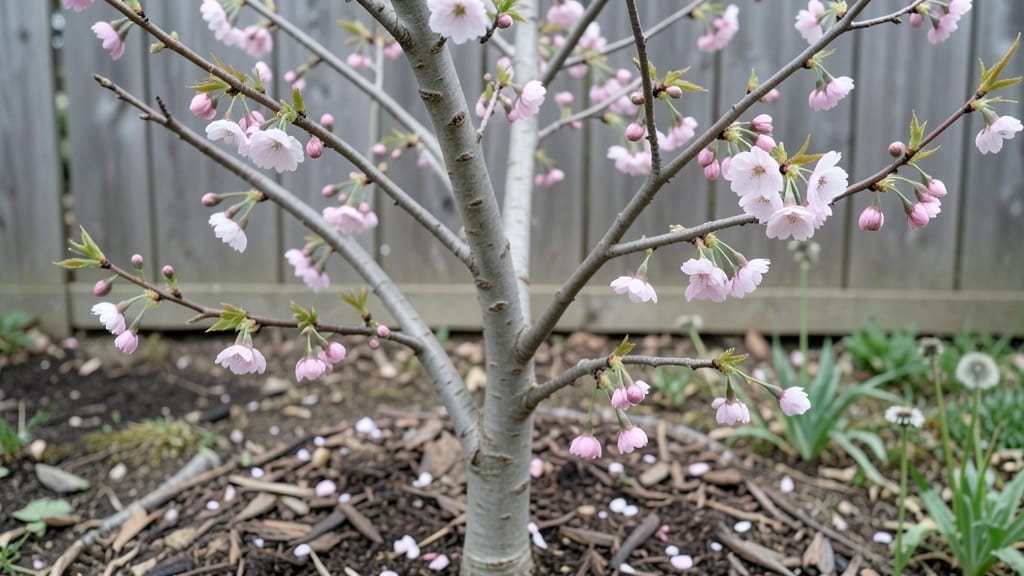
Transform your Pacific Northwest yard into a dreamy canopy with the cherry blossom tree, its soft pink clouds gracing your space year after year—frost-resistant pruning is the secret to keeping your Prunus serrulata thriving through damp winters.
I learned the hard way when my first tree lost half its branches after a late freeze, but now I’ve perfected a method that protects blooms while encouraging stronger growth. The key isn’t just when you prune, but how you shape the tree to handle our region’s chill.
Most gardeners make one critical mistake: pruning too late in winter or too aggressively in early spring. The right time is late winter to early spring, just as buds swell but before new growth starts.
You’ll need sharp bypass pruners, a ladder (for higher branches), and a clear day to work—no soggy Pacific Northwest weather. Start by removing dead or crossing branches first, then thin out the center to improve airflow, which prevents fungal diseases that love our damp climate.
What you’ll end up with is a tree that bursts into vibrant pink blooms every spring, even after our frost-heavy winters. The branches stay sturdy, the flowers multiply, and you avoid the heartbreak of seeing last year’s pruning mistakes repeat.
Plus, the right cuts encourage more blossoms next year—because the tree focuses energy on flowers, not repairing damaged wood. Ready to transform your tree into a Pacific Northwest showstopper?
This method works for both ornamental varieties like Prunus serrulata ‘Kanzan’ and fruiting types such as Prunus avium, though fruiting trees need slightly different timing. Whether you’re a beginner or a seasoned gardener, the principles stay the same: less is more, and timing is everything.
Let’s get those branches looking their best for next spring’s bloom season.
📚 In This Guide
- What you need
- Instructions
- Tips and common mistakes
- Wrapping up and next steps
What you need
- ● Pruning shears: Bypass pruners (sharp, clean, and disinfected with rubbing alcohol—1 pair).
- ● Loppers: For thicker branches (1-2 pairs, 24–32" reach).
- ● Pruning saw: For branches >2" in diameter (1, curved blade for precision).
- ● Gloves: Heavy-duty, cut-resistant (1 pair—thorns are no joke!).
- ○ Disposable pruning bags: 2-3 bags (for debris; optional but handy!).
- ● Ladder: Extendable (8–12 ft, stable base for tall trees).
- ● Rag or paper towels: For cleaning tools between cuts (5–10).
- ● Sealing wax: Pruning sealant (1 small tub—for large cuts >½").
- ○ Notebook/pencil: To map cuts and track growth (optional but helpful).
- ● Timing: Prune late winter/early spring (before buds swell) or summer (after flowering). Avoid frost-prone periods!
- ● Weather: Choose a dry, calm day (humidity speeds up disease spread).
- ● Safety gear: Safety glasses (1 pair) and long sleeves/pants (thorns + tools = ouch!).
Instructions for frost-resistant pruning of cherry blossom trees
Here’s how I prune my Pacific Northwest cherry blossoms to keep them healthy, blooming, and frost-resistant.
Prune at the Right Time
Wait until late winter or early spring, just as buds begin to swell but before any flowers appear. This timing ensures you don’t remove next year’s blooms while still giving the tree time to heal before summer heat arrives. In the PNW, aim for February to March, when daytime temperatures hover around 45-55°F—cold enough to keep the tree dormant but warm enough for safe pruning.
If you prune too early, you risk frost damage to fresh cuts. If you wait too late, you’ll cut off flower buds that are already set for spring. Watch for buds that look plump and ready to burst—they’re your signal it’s time to act.
Remove Dead, Diseased, or Crossing Branches
Start by cutting out any branches that are dead, diseased, or rubbing against each other. Use sharp, clean pruning shears to make cuts at a 45-degree angle, about ¼ inch above a bud or lateral branch. This encourages new growth in the right direction and prevents water from pooling on the cut, which can rot the branch.
I always cut just outside the branch collar—the swollen area where the branch meets the trunk—to ensure the tree seals the wound quickly. If a branch is thicker than ½ inch, use a pruning saw for a clean cut. Avoid leaving stubs, as they invite pests and disease.
Thin the Canopy for Airflow and Light
Step back and look at the tree’s shape. Remove branches that grow inward or cross others to improve airflow and reduce frost pockets. Focus on the outer third of the tree, thinning branches by no more than 25% per year to avoid shocking the tree. Cherry blossoms bloom on last year’s wood, so avoid heavy pruning in the center—this can reduce next year’s flowers.
Use your hand as a guide: if you can’t fit it between branches, the canopy is too dense. Prune smaller branches first, then move to larger ones. Always cut back to a lateral branch or bud, never to a stub. This keeps the tree balanced and encourages strong growth.
Shape the Tree for Frost Resistance
Round the tree’s outline to allow snow and ice to slide off easily, reducing frost damage. Avoid creating sharp angles or heavy concentrations of branches at the top, as these can break under snow or ice weight. If the tree is young, prune to encourage a strong central leader—the main upward-growing branch that supports the tree’s structure.
For mature trees, focus on removing branches that grow straight up or down, as these are more prone to frost damage. Instead, encourage horizontal branches, which distribute weight better and allow for better airflow. After pruning, step back and visualize how snow or ice might affect the tree—your goal is to create a shape that sheds weight naturally.
Clean Up and Protect the Tree
Rake up and dispose of all pruned branches and debris to prevent disease from spreading. Sterilize your pruning tools with rubbing alcohol or a 10% bleach solution to kill any lingering pathogens. Once pruning is done, apply a thin layer of mulch around the base of the tree, keeping it 2-3 inches deep and 6 inches away from the trunk to protect roots from frost.
In the PNW, where frost is common, consider wrapping the trunk of young trees with tree wrap or burlap to protect against temperature swings. Water deeply before the first hard frost to help the tree establish strong roots for the winter ahead. Avoid fertilizing after pruning, as new growth can be vulnerable to late-season frost.
Tips & tricks for perfect cherry blossom tree pruning
Pruning your cherry blossom tree correctly makes all the difference in keeping it healthy and frost-resistant. Here are my essential tips based on years of Pacific Northwest gardening.
The Timing Secret: I learned this the hard way—wait until those buds look plump and ready to burst, but before any flowers appear. In the PNW, that's typically late February to early March when daytime temps are around 45-55°F. If you prune too early, fresh cuts are vulnerable to frost damage, and if you wait too late, you'll accidentally remove next year's flower buds that are already set.
Cutting Technique That Changed Everything: Always make your cuts at a 45-degree angle about ¼ inch above a bud or lateral branch. This simple technique prevents water from pooling on the cut, which can lead to rot. I also make sure to cut just outside the branch collar—the swollen area where the branch meets the trunk—so the tree can seal the wound quickly. For branches thicker than ½ inch, use a pruning saw to avoid tearing the bark.
Canopy Thinning Strategy: Focus on the outer third of the tree when thinning, never removing more than 25% of the branches in one year. This gradual approach prevents shocking the tree. I use my hand as a guide—if I can't fit it between branches, the canopy is too dense. Remember, cherry blossoms bloom on last year's wood, so avoid heavy pruning in the center to preserve next year's flowers.
Frost-Protection Shape: Round the tree's outline to allow snow and ice to slide off easily. For young trees, encourage a strong central leader, while for mature trees, remove branches that grow straight up or down. These vertical branches are more prone to frost damage. After pruning, step back and visualize how snow or ice might affect the tree—aim for a shape that sheds weight naturally.
Pro Tips for Cherry Blososm Tree
- Pruning your cherry blossom tree correctly makes all the difference in keeping it healthy and frost-resistant.
- The Timing Secret: I learned this the hard way—wait until those buds look plump and ready to burst, but before any flowers appear.
- Cutting Technique That Changed Everything: Always make your cuts at a 45-degree angle about ¼ inch above a bud or lateral branch.
Frequently asked questions
Got questions about keeping your cherry blossom tree thriving in the Pacific Northwest’s chilly climate? You’re not alone! Here are answers to the most common queries—from pruning timing to frost protection and everything in between.
When is the best time to prune a cherry blossom tree in the PNW?
Prune your tree after flowering (late spring to early summer) to avoid cutting off next year’s blossoms. For frost-prone areas, a light pruning in late winter (before buds swell) can remove dead wood and improve airflow. Never prune in fall—new growth won’t harden off before winter.
How do I protect my cherry blossom tree from late frosts?
Use frost cloth or row covers on young trees or newly planted blossoms. For mature trees, avoid overhead watering at night (water droplets freeze and damage buds). If frost is forecasted, wrap the tree in burlap or use tree wraps to insulate the trunk.
Can I prune a cherry blossom tree too much?
Yes! Over-pruning stresses the tree, reducing next year’s blooms. Stick to 15–25% of the canopy per year. Focus on removing dead, diseased, or crossing branches—never cut more than 1/3 of the tree’s height at once. Thin out instead of topping!
What’s a good alternative if my cherry blossom tree struggles with frost?
Consider frost-hardy alternatives like:
- Kwanzan cherry (Prunus serrulata ‘Kwanzan’)—tolerates temps down to -10°F.
- Weeping Higan cherry (Prunus subhirtella ‘Pendula’)—blooms later, avoiding early frosts.
- Osoberry (Symphoricarpos albus)—native, drought-tolerant, and frost-resistant.
My cherry blossom tree’s leaves are brown and crispy after frost—is it dead?
Not necessarily! Dormant buds can survive light frost damage. Wait until late spring to assess—new growth should emerge. If no buds appear by early May, the tree may be dead. In that case, prune it out in stages to avoid shocking nearby trees.
Wrapping up and next steps
Pruning your cherry blossom tree in the Pacific Northwest isn’t just about aesthetics—it’s about nurturing resilience, beauty, and longevity. With the right tools, timing, and techniques, you can protect your tree from frost while encouraging stunning blooms year after year.
Whether you’re a seasoned gardener or just starting, every careful cut brings you closer to a thriving, frost-resistant masterpiece.
Ready to transform your garden? Start small—pick one branch this season, master the technique, and watch your cherry blossom tree flourish. Your future blooms will thank you! 🌸✨