
Pruning
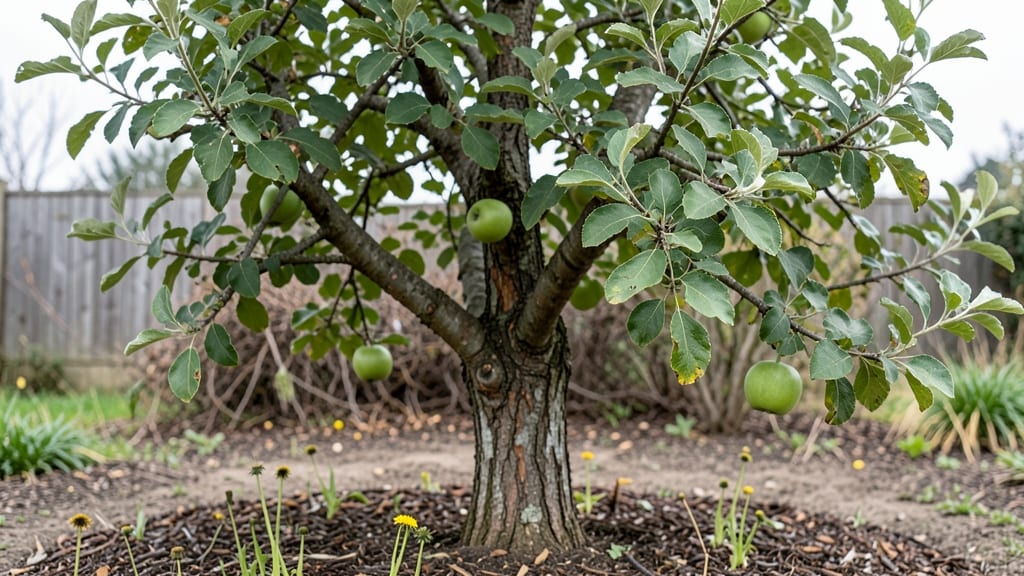
Apples in the tree start with a winter pruning session that saves your harvest from frost damage. 🌿 I learned this the hard way after my first PNW winter left branches brittle and fruit shrunken—until I adjusted my pruning schedule.
The key is shaping the tree in late winter to let sunlight penetrate all the way to the center, where fruit develops.
You don’t need fancy tools—just sharp pruning shears and a clear day when the tree’s dormant. Cut back dead wood first, then thin out crowded branches to improve airflow. This simple routine prevents frost pockets where fruit would rot, and it keeps your tree productive for decades.
The payoff? Juicier apples that stay on the branches longer, even when temperatures dip.
By summer’s end, you’ll see the difference in your tree’s structure and the size of your harvest. Thicker branches support heavier fruit, and the open center makes spraying for pests easier.
Plus, the tree looks like a work of art—something every gardener can be proud of. Let’s get those branches trimmed right.
This method works for any apple variety in the Pacific Northwest, from Honeycrisp to Granny Smith. Just remember: prune when the tree is still dormant but after the worst frost has passed. That timing makes all the difference between a scrappy harvest and a full basket of apples.
📚 In This Guide
- What you need
- Instructions
- Tips and common mistakes
- Wrapping up and next steps
What you need
- ● Pruning shears: Sharp, bypass-style shears (for cuts under ½ inch thick). Pro tip: 💡 Disinfect blades with rubbing alcohol between cuts to prevent disease spread.
- ● Loppers: 8–12 inch loppers (for branches ¾–2 inches thick). Look for ratcheting or bypass blades for precision.
- ● Pruning saw: A curved-tooth saw (for branches over 2 inches thick). Never use a chainsaw—it damages bark.
- ● Gloves: Heavy-duty, cut-resistant gloves (PNW thorns are no joke!). Opt for waterproof, breathable fabric.
- ● Ladder: Extendable aluminum ladder (16–20 ft) or a sturdy step stool for dwarf trees.
- ● Pruning sealant: High-quality wound dressing (e.g., Tanglefoot Tree Wound Pruning Seal) for cuts over ½ inch.
- ● Disposable bags: 13-gallon contractor bags (for collecting debris). Pro tip: ✨ Tie bags tightly to deter pests!
- ● Winter (Dormant Season): Thermal cover (e.g., frost cloth) for young trees in Zone 7–8.
- ● Hand warmers (for extended pruning sessions in freezing temps).
- ● Spring/Summer (Growth Season): Hose with nozzle (for post-pruning hydration).
- ● Fungicide (e.g., copper-based spray) if humidity is high.
- ● Pruning pole (for high branches—10–12 ft with a saw attachment).
- ● Tree paint (for large cuts in winter to prevent sunscald).
- ● GPS-enabled app (e.g., iTree) to map tree health zones.
- ● Hot cocoa or thermos (for morning pruning sessions—trust us!).
Instructions: year-round pruning for Pacific Northwest apple trees
Here's how to keep your apple trees healthy and productive through PNW's frost-heavy seasons.
✂️ Step 1: Late Winter Pruning (Dormant Season)
Start your pruning when the tree is fully dormant but before buds swell—typically February through early March in the Pacific Northwest. This timing prevents frost damage to fresh cuts and gives the tree time to heal before spring growth. I always prune on a dry day to reduce disease risk from wet tools or bark.
Remove dead, diseased, or crossing branches first. Cut back to a healthy bud or branch collar, making clean cuts at a 45-degree angle just outside the branch collar. Avoid leaving stubs—they invite rot and pests. For larger branches, make a second cut 6-12 inches out from the first to prevent tearing.
Open the center of the tree to improve airflow and sunlight penetration. This reduces humidity in the canopy, which is critical in our damp climate. Aim to remove 20-30% of the tree's total growth—don't overdo it, as apples need strong structure to support fruit.
☀️ Step 2: Summer Pruning (Post-Harvest)
After harvest, typically August through September, focus on shaping the tree and removing water sprouts. These fast-growing vertical shoots steal energy from fruit production. I prune these back to a lateral bud or branch, keeping cuts small to minimize stress on the tree.
Look for branches growing inward or rubbing against others. These compete for sunlight and often develop wounds where disease can enter. Remove them entirely at the branch collar. Thin out clusters of fruit where branches are too heavy—this prevents limb breakage during winter storms, which are common in PNW.
This is also the time to adjust the tree's shape. If branches are growing too upright, make a slight cut to encourage outward growth. The goal is a balanced tree that can support fruit without excessive weight stress.
⏰ Step 3: Light Winter Pruning (Frost Protection)
In late winter, just before buds swell (January through February), do a quick check for frost-damaged branches. Frost can kill tender new growth, so remove any blackened or mushy branches at the branch collar. These cuts are smaller and less invasive than your main pruning.
Focus on branches that were damaged by late frosts or ice storms. If a branch is partially damaged, you can sometimes save it by cutting back to healthy wood. However, if more than 50% of the branch is damaged, remove it entirely to prevent disease from entering through the wound.
This final pruning ensures the tree enters spring with a strong, healthy structure. It also helps prevent frost pockets in the canopy, where cold air can settle and damage blossoms. A well-pruned tree will recover faster from frost events and produce better fruit the following year.
🌱 Step 4: Year-Round Maintenance Checks
Throughout the year, keep an eye out for signs of stress or disease. If you notice branches dying back unexpectedly, investigate for signs of canker disease or borers—common issues in PNW apple trees. Remove affected branches immediately and disinfect your pruners with rubbing alcohol to prevent spreading pathogens.
In early spring, before buds break, do a final walkthrough to remove any suckers or water sprouts that may have appeared over winter. These compete with the main structure for energy and should be pruned back to the branch collar. This keeps the tree focused on producing fruit rather than unnecessary growth.
Finally, mulch around the base of the tree with 2-3 inches of organic mulch to protect roots from temperature fluctuations. This is especially important in PNW, where soil temperatures can vary widely between day and night. Keep mulch 6 inches away from the trunk to prevent rot.
Tips & tricks for year-round apple tree pruning
These practical tips will help you maintain your Pacific Northwest apple trees through every season—keeping them healthy, productive, and frost-resistant.
Timing is Everything: The February-March window for late winter pruning is critical because it lets the tree heal before spring growth begins. If you miss this window, wait until late April when buds have swollen but haven't opened yet. In our damp climate, pruning on dry days is non-negotiable—wet tools spread disease, and damp bark takes longer to heal. I always check the weather forecast and schedule my pruning for a stretch of dry days.
Branch Collar Technique: When removing branches in Step 1, focus on cutting just outside the branch collar—the swollen area where the branch meets the trunk. This is where protective tissues grow to seal the wound. Cutting too close leaves a stub that invites rot, while cutting too far out creates a larger wound that takes longer to heal. For branches over 2 inches thick, make your first cut about 6-12 inches out from the branch collar, then follow up with a second cut to prevent tearing.
Frost Damage Inspection: In Step 3, when checking for frost damage in January-February, look for branches that are blackened, mushy, or have a hollow sound when tapped. These signs indicate the branch tissue has died. If you find partially damaged branches, you can sometimes save them by cutting back to healthy wood—but only if less than 50% of the branch is affected. Remember, frost pockets in the canopy can settle and damage blossoms, so thorough inspection is key to spring success.
Tool Sanitation: Disinfect your pruners between cuts, especially when dealing with diseased branches. I keep rubbing alcohol in a small spray bottle and wipe down my tools after every cut. This simple step prevents spreading canker disease and borers, which are common issues in PNW apple trees. Also, sharpen your tools regularly—dull blades tear bark and create larger wounds that heal more slowly.
Pro Tips for Apples In The Tree
- These practical tips will help you maintain your Pacific Northwest apple trees through every season—keeping them healthy, productive, and frost-resistant.
- Timing is Everything: The February-March window for late winter pruning is critical because it lets the tree heal before spring growth begins.
- Branch Collar Technique: When removing branches in Step 1, focus on cutting just outside the branch collar—the swollen area where the branch meets the trunk.
Frequently asked questions
Got questions about keeping apples in your Pacific Northwest trees thriving year-round? You’re not alone!
Here are answers to the most common concerns—from frost prep to pruning hacks—so you can grow healthy fruit even in chilly climates.
When is the best time to prune apple trees in the PNW to avoid frost damage?
Prune dormant trees in late winter (February–March) before buds swell but after cold snaps. This timing minimizes frost stress and encourages strong spring growth. Avoid heavy pruning in fall—it leaves wounds vulnerable to winter dieback.
How can I protect apple trees from late-spring frosts?
Use row covers or frost cloths over blossoms during forecasts. Water tree bases the night before (insulation effect!). For young trees, wrap trunks with burlap or tree guards to shield from cold winds. Avoid overhead sprinklers—they can freeze and damage branches.
What if my apple tree has no apples? Could it be pruning-related?
Over-pruning (removing >25% of branches) can reduce fruiting. Focus on open-center shapes to improve airflow and light penetration. Thin out water sprouts (vertical shoots) and dead wood—this redirects energy to fruit production. Fertilize lightly in early spring if soil tests show deficiencies.
Should I remove all dead branches now, or wait until spring?
Remove dead/diseased wood anytime—even in winter—to prevent pests/fungi. But save major structural cuts for late winter. Pro tip: Sterilize pruners with rubbing alcohol between cuts to avoid spreading disease. Tag branches for removal now, then prune them in Feb–March for cleaner results.
Are there frost-resistant apple varieties better for the PNW?
Yes! Try ‘Enterprise’ (crabapple, cold-hardy), ‘Liberty’ (fire blight-resistant), or ‘Golden Delicious’ (tolerates temps to -25°F). Dwarf varieties (like ‘Columnar’) also handle frost better due to their compact size. Check your WSU Extension for region-specific recommendations.
Troubleshooting: My pruned tree has brown edges on leaves—what’s wrong?
This could signal sunburn (from sudden exposure post-pruning) or nutrient burn (over-fertilizing). Water deeply and mulch with wood chips to retain moisture. Avoid heavy nitrogen fertilizers—opt for balanced 10-10-10. If issues persist, test soil pH (ideal: 6.0–6.5 for apples).
Wrapping up and next steps
Mastering the art of year-round pruning for apples in the Pacific Northwest isn’t just about keeping your trees healthy—it’s about building resilience against frost and ensuring a bountiful harvest for seasons to come. 🌿 By understanding the right tools, timing, and techniques, you’re not only protecting your investment but also embracing a sustainable, rewarding practice.
Whether you’re a seasoned gardener or just starting out, every trim brings you closer to a thriving orchard.
Now that you’re armed with knowledge, roll up your sleeves and get pruning! Start small—pick one tree or branch to practice on—and gradually expand your skills. Before you know it, your orchard will be the talk of the neighborhood, and your apples will be even more delicious for the effort.
Happy pruning! 🍏✂️