
Planting
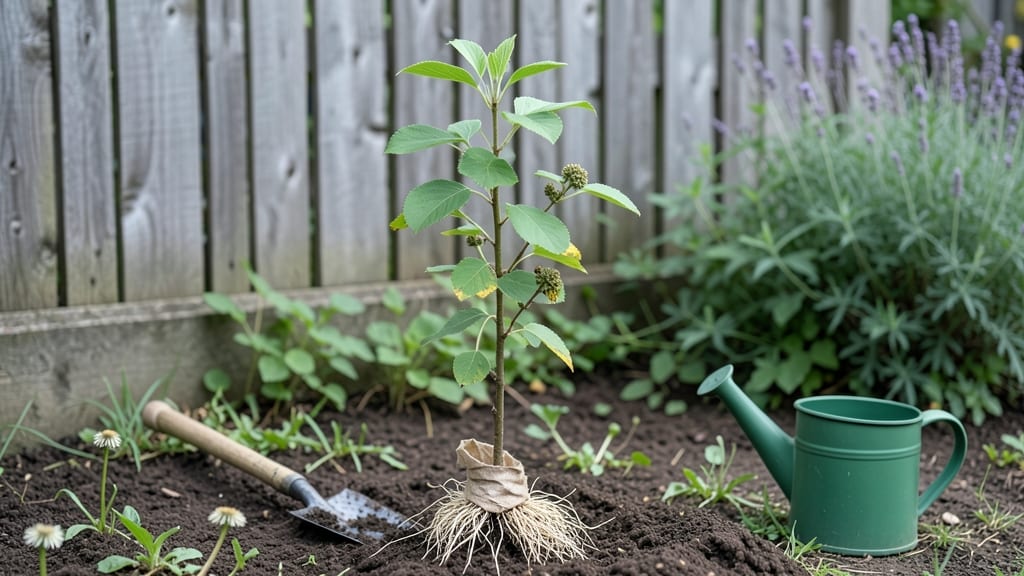
Planting a tree on Earth Day isn’t just symbolic—it’s a high-impact way to fight climate change when the soil warms and roots can establish before summer heat. 🌱 I’ve planted dozens over the years, and the difference between a thriving sapling and a struggling one comes down to timing, species choice, and a few simple techniques.
This spring, your tree could absorb hundreds of pounds of CO₂ annually while providing shade, wildlife habitat, and cleaner air.
The best trees for Earth Day planting are native species that match your USDA zone—think oak, maple, or fruit trees in cooler climates, or palms and cypress in the South. Avoid invasive varieties, and check local guidelines for size at maturity (you don’t want a 60-foot tree in your yard!).
Dig a hole twice as wide as the root ball but no deeper, then water deeply to settle the soil. The key is getting it in the ground before Memorial Day when roots can spread before drought sets in.
What you’ll gain is more than just a tree—it’s a living legacy that cools your home, filters pollutants, and supports pollinators. My first Earth Day planting, a redbud, now blooms every spring and attracts hummingbirds.
Choose a spot with sunlight, amend the soil with compost, and mulch to retain moisture. Within a year, you’ll see new growth that proves your small act made a big difference.
This works for urban sidewalks, rural acres, or even community projects. Just pick the right tree for your climate and get it planted before the heat arrives. The earth will thank you—for decades to come.
📚 In This Guide
- What you need
- Instructions
- Tips and common mistakes
- Wrapping up and next steps
What you need
- ● Tree sapling: Choose a native species (e.g., oak, maple, or fruit-bearing trees like apple or cherry). Quantity: 1 per planting.
- ○ Shovel or trowel: A sturdy digging tool (12–18 inches deep for most saplings). Optional: Rent one if you don’t own.
- ● Watering can or hose: For deep hydration (5+ gallons per watering).
- ● Mulch (wood chips or straw): 2–3 inches to retain moisture and suppress weeds.
- ● Gloves: Protect your hands from thorns or rough bark.
- ○ Stakes & ties (optional but helpful): For young trees in windy areas (2 stakes + soft ties).
- ● Pruners: To trim dead branches (small, sharp pair).
- ● Measuring tape: For spacing (6–10 feet between trees).
- ○ Fertilizer (slow-release): Optional for nutrient-poor soil (follow package instructions).
- ● Soil pH tester: Check if your soil needs amendments (e.g., lime for acidity).
- ● Tree guard or protective wrap: Shields young trunks from pests/sun (1–2 feet tall).
- ● Location scouting: Pick a spot with full sun (6+ hours/day) and well-draining soil.
- ● Check local regulations: Some areas restrict tree species or require permits.
- ○ Community support (optional): Invite friends to join—teamwork makes the greening sweeter! 👥
Simple steps to plant a tree on Earth Day
Here's how to make an eco-friendly impact with just one afternoon's work.
🌱 Step 1: Choose the Right Tree and Location
Pick a native tree species for your climate—it'll thrive with less care and support local wildlife. I always check with my local extension office for recommendations. Avoid planting under power lines or near sidewalks where roots could cause damage.
Find a spot with 6+ hours of sunlight daily and room for the tree to grow to its mature size. Dig a hole twice as wide as the root ball but only as deep as the container it came in. Loosen the roots gently if they're circling—this encourages outward growth instead of root-bound stress.
🪴 Step 2: Prepare the Hole and Plant Carefully
Remove the tree from its container and place it in the hole so the top of the root ball sits 1-2 inches above ground level. This prevents water from pooling around the trunk and rotting the roots. Fill the hole halfway with native soil, tapping gently to remove air pockets.
Add a 2-inch layer of mulch around the base, keeping it 3-4 inches away from the trunk. Too much mulch touching the bark traps moisture and invites disease. Water deeply until the soil settles and the hole is completely filled.
☀️ Step 3: Water and Protect the New Tree
Give the tree 1 gallon of water per inch of trunk diameter immediately after planting. For example, a 2-inch diameter tree needs 2 gallons. Water slowly to let the soil absorb moisture rather than run off.
Stake the tree only if it leans heavily—use soft ties to avoid girdling the trunk. Place a tree guard around the base to protect it from small animals. You'll know it's settled in when new leaves appear within 4-6 weeks.
⏰ Step 4: Maintain Through the First Year
Water every 7-10 days during the first year, checking that the soil is 2-3 inches deep and dry to the touch before watering. Deep watering encourages strong root growth. Avoid fertilizing for the first year—new trees need time to establish before competing with nutrients.
Prune only to remove broken branches or those crossing the trunk. Never remove more than 25% of the tree's foliage in one season. By Earth Day next year, your tree will be well on its way to providing shade, oxygen, and habitat for generations.
Tips & tricks for perfect tree planting on Earth Day
Here's what I learned after planting dozens of trees—these simple tricks make all the difference between a struggling sapling and a thriving new addition to your landscape.
Tree Selection: When choosing your native tree, don't just look at the tag—ask the nursery about the tree's mature height and spread. I planted a beautiful oak that now blocks my driveway because I didn't check its mature size! Also, consider the tree's growth rate: fast-growing trees like willows establish quickly but may need more maintenance later.
Root Care: The root ball should always sit 1-2 inches above ground level—this prevents water from pooling around the trunk. I've seen many people plant too deep, which can suffocate the roots. After placing the tree, gently press down on the soil to eliminate air pockets, which helps the roots establish faster.
Mulch Magic: That 2-inch layer of mulch isn't just decoration—it helps retain moisture and regulate soil temperature. Keep it 3-4 inches away from the trunk though, or you'll create a perfect environment for fungal diseases. I like to use wood chips or shredded bark, but avoid fresh mulch that hasn't composted yet.
Watering Wisdom: The 1 gallon per inch of trunk diameter rule is perfect for the first watering, but don't stop there. After the initial soak, water deeply every 7-10 days during the first year. I've seen trees fail because people either overwatered (causing root rot) or underwatered (leaving roots dry). Check soil moisture 2-3 inches deep—that's where the roots are growing!
Pro Tips for Plant A Tree On Earth Day
- Here's what I learned after planting dozens of trees—these simple tricks make all the difference between a struggling sapling and a thriving new addition to your landscape.
- Tree Selection: When choosing your native tree, don't just look at the tag—ask the nursery about the tree's mature height and spread.
- Root Care: The root ball should always sit 1-2 inches above ground level—this prevents water from pooling around the trunk.
Frequently asked questions
Got questions about planting a tree on Earth Day? You’re not alone! Here are some of the most common ones—and their answers—to help you get growing with confidence.
What’s the best type of tree to plant for Earth Day?
Choose native species! They thrive in your local climate, support wildlife, and require less water. Fast-growing options like red maple or swamp white oak (in the U.S.) are great picks. Check with your local nursery or USDA Plant Hardiness Zone Map for tailored suggestions.
Can I plant a tree on Earth Day if it’s not spring yet?
Timing matters! Plant in early spring (before buds swell) or fall (6 weeks before first frost). Earth Day (April 22) works for most regions, but if it’s too early or late, wait. Cold weather can stress young roots—so check your local frost dates!
How much does it cost to plant a tree on Earth Day?
Costs vary! A bare-root sapling runs $5–$20, while container-grown trees cost $20–$50. Many cities offer free tree giveaways or discounts on Earth Day. Check local environmental groups or Arbor Day Foundation for deals.
What if I can’t plant a tree myself? Are there alternatives?
You can:
- Adopt a tree through programs like EcoMatch or One Tree Planted.
- Donate to reforestation projects (e.g., American Forests).
- Volunteer with local tree-planting events (search "Earth Day tree planting near me"!).
Every action counts!
My tree’s leaves are yellowing—did I kill it?
Not necessarily! Yellow leaves can mean overwatering, underwatering, or nutrient deficiency. Check the soil—it should be moist but not soggy. If the tree’s new leaves are yellow, it might need fertilizer. If old leaves yellow first, it’s likely natural shedding. Patience helps!
Wrapping up and next steps
Planting a tree on Earth Day isn’t just a symbolic gesture—it’s a powerful, tangible act that multiplies your eco-impact for years to come. 🌱 Whether you’re a seasoned gardener or a curious beginner, every seedling you plant today helps combat climate change, purifies the air, and nurtures biodiversity. Your effort matters more than you think!
Ready to take the next step? Start small:
- Check local guidelines to ensure you’re planting the right species for your climate.
- Share your journey on social media with #PlantATreeOnEarthDay to inspire others.
- Consider joining a community clean-up or tree-planting event—teamwork makes the impact even bigger!