
Planting
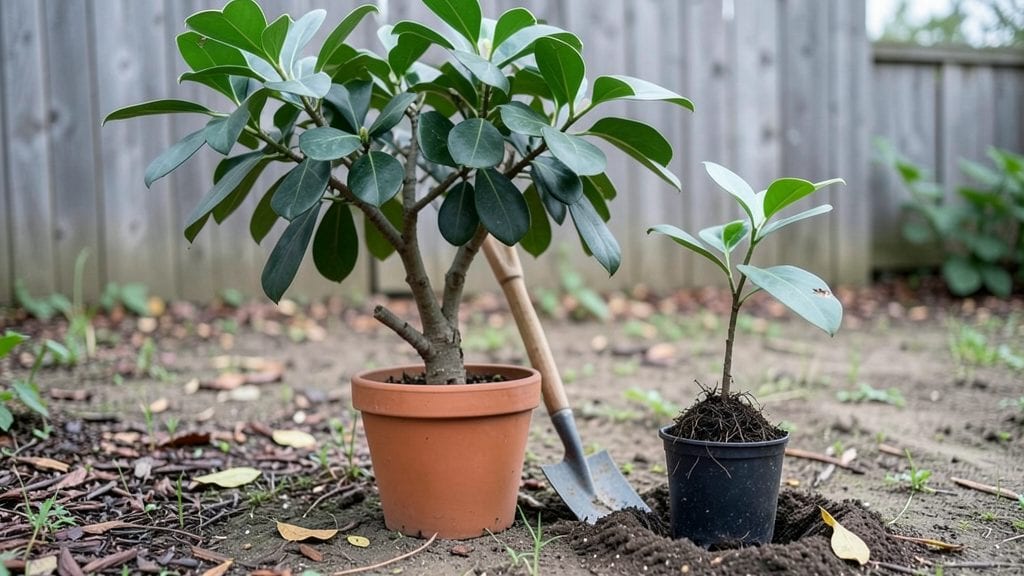
Planting a tree in memory of a pet turns grief into growth—literally. 🌳 The right tree becomes a living monument, its roots running deep like the love you shared.
I chose a Japanese maple for my dog, Max, because its delicate leaves mirrored his gentle spirit, and now it stands as our quiet sanctuary.
Start with a tree that matches your pet’s personality: a sturdy oak for strength, a weeping willow for grace, or a flowering dogwood for joy. Plant near a bench or pathway where you’ll visit often, but avoid spots where roots might damage sidewalks.
A small plaque with their name and dates adds a personal touch—just keep it weatherproof.
You’ll create a space that feels like a hug from nature. Over time, the tree’s shade becomes a place for memories, its leaves a whisper of your pet’s presence.
Involve family in the planting ritual—it turns sadness into shared purpose, and the tree grows stronger with each hand that tends it.
Think of it as a garden that evolves with your healing. Add companion plants like lavender for calm or sunflowers for brightness, and water deeply the first year. The tree won’t just survive—it’ll thrive as a testament to the love that never fades.
📚 In This Guide
- What you need
- Instructions
- Tips and common mistakes
- Wrapping up and next steps
What you need
- ● Tree sapling: Choose a native, fast-growing species (e.g., oak, maple, or dogwood). Quantity: 1 (or more if planting a grove).
- ● Shovel or trowel: For digging a hole 2–3 times wider than the sapling’s root ball.
- ● Compost or organic mulch: 2–3 gallons to enrich the soil.
- ● Watering can or hose: With a gentle spray nozzle for hydration.
- ○ Stakes and twine (optional but helpful): To support young trees in windy areas.
- ● Personalized plaque or marker: Engraved with your pet’s name (weather-resistant material recommended).
- ● Pet-friendly flowers or shrubs to plant nearby (e.g., lavender, sunflowers).
- ● Biodegradable pet memorial ornament (e.g., paw-print tree tags).
- ● Gloves and knee pads for comfort during planting.
- ● Pruning shears to trim excess branches if needed.
Step-by-step instructions for planting a memorial tree
This is how I turn grief into growth—planting a tree that will stand for years to come.
🌱 Step 1: Choose the Right Tree and Location
Select a native tree species that thrives in your climate and soil type. I always pick something with meaningful symbolism—like a weeping willow for its graceful presence or a dogwood for its hardy nature. Avoid fast-growing trees that may topple in storms or invasive species that could harm local ecosystems.
Find a spot that gets at least 6 hours of sunlight daily and has 6-8 feet of clearance around it for mature growth. Check local utility lines before digging—call 811 if unsure. The tree should be planted near a place you'll visit often, so you can feel its presence regularly. I like to mark the spot with a temporary stake to visualize its future size.
🪴 Step 2: Prepare the Planting Hole and Soil
Dig a hole twice as wide as the tree's root ball but only as deep. The top of the root ball should sit 1-2 inches above ground level—this prevents water from pooling around the roots. Loosen the soil at the bottom of the hole with a shovel to encourage root spread.
If your soil is heavy clay or sandy, mix in 3-4 inches of compost to improve drainage and fertility. I like to create a small mound in the center of the hole for the root ball to sit on—this keeps the tree upright while roots settle. Gently break up any circling roots on the root ball with your fingers to encourage outward growth.
☀️ Step 3: Plant the Tree and Backfill Carefully
Place the tree in the hole, ensuring its trunk is straight and facing the direction you prefer. Fill the hole with soil, tamping down lightly every 4-6 inches to remove air pockets. Water the tree deeply as you backfill to help the soil settle naturally around the roots.
Create a 2-3 inch deep watering basin around the base of the tree by mounding soil outward. This directs water straight to the roots where it's needed most. Avoid piling soil against the trunk—keep it at least 6 inches away to prevent rot. After planting, water again until moisture reaches 12 inches deep.
💧 Step 4: Mulch and Protect the New Tree
Spread 2-3 inches of mulch over the watering basin, keeping it 6 inches away from the trunk. Use organic mulch like wood chips or shredded bark, which will decompose and enrich the soil over time. Mulch helps retain moisture, regulate soil temperature, and suppress weeds—all critical for a young tree's survival.
Install a protective tree guard if your area has deer, rabbits, or other wildlife that might harm the bark. I like to use a wire cage that allows air circulation but keeps animals out. Water the tree once a week for the first month, then every 2-3 weeks after that unless you experience extreme drought. You'll know it's getting enough water when the soil feels moist 4-6 inches deep.
⏰ Step 5: Create a Memorial and Maintain the Tree
Write the name of your pet and the planting date on a small plaque or engraved stone. Place it near the base of the tree where you can see it often. I like to include a short message or favorite quote about my pet to make the tribute personal. Take photos of the tree as it grows—it's a beautiful way to document your pet's lasting legacy.
Check the tree regularly for signs of stress like yellowing leaves, wilting, or pest damage. Prune any dead or broken branches with clean, sharp pruners, but avoid heavy pruning in the first year. Fertilize lightly in spring with a balanced, slow-release fertilizer to encourage strong growth. Over time, this tree will become a living monument to your beloved pet's memory.
Tips & tricks for planting a memorial tree
Here's what I've learned from years of planting trees as tributes—these small details make all the difference in creating something meaningful that will last.
Tree Selection Wisdom: Native trees are your best bet because they're already adapted to your local climate and soil. I've planted maples, cherry blossoms, and even dogwoods—each has its own symbolic meaning. For example, cherry blossoms represent fleeting beauty, while oak trees symbolize strength. If you're unsure, check with your local nursery for recommendations that thrive in your area.
Location Matters: That spot you choose should be somewhere you'll visit often—maybe near your favorite walking path or close to where you'll sit and remember. I always mark the area with a temporary stake first to visualize how the tree will grow. Remember, mature trees need 6-8 feet of clearance, so plan ahead for that space. Also, check for underground utilities by calling 811 before you dig—it's a free service that protects everyone!
Soil Preparation Secret: The 3-4 inches of compost you mix into heavy clay or sandy soil makes a world of difference. I create a small mound in the center of the hole for the root ball to sit on—this keeps the tree perfectly upright while roots settle. And here's a trick: gently break up any circling roots on the root ball with your fingers. This encourages outward growth instead of roots growing in circles, which can strangle the tree.
Watering Strategy: After planting, water until moisture reaches 12 inches deep—this ensures the roots get properly hydrated. Create that 2-3 inch deep watering basin around the base, not piled against the trunk. I think of it like creating a little moat that directs water straight to where it's needed most. In the first month, water weekly, then every 2-3 weeks after that unless you're in extreme drought conditions.
Pro Tips for Plant A Tree In Memory Of A Pet
- Here's what I've learned from years of planting trees as tributes—these small details make all the difference in creating something meaningful that will last.
- Tree Selection Wisdom: Native trees are your best bet because they're already adapted to your local climate and soil.
- Location Matters: That spot you choose should be somewhere you'll visit often—maybe near your favorite walking path or close to where you'll sit and remember.
Frequently asked questions
Got questions?
Planting a tree in memory of your pet is a meaningful act, but it’s natural to have uncertainties along the way. Here are some of the most common questions—and answers—to help you feel confident as you honor your furry friend with a lasting tribute.
What’s the best type of tree to plant for a pet memorial?
A native, hardy tree is ideal—it thrives in your climate, requires less maintenance, and supports local ecosystems. Fast-growing options like dogwood or magnolia offer beauty and longevity, while fruit trees (e.g., apple or cherry) can symbolize life’s sweetness. Avoid invasive species to protect your community’s environment.
How long does it take for a tree to grow big enough to feel like a tribute?
Most memorial trees take 3–5 years to mature into a noticeable tribute, depending on the species. Smaller trees (like redbuds) may show progress sooner, while larger ones (e.g., oaks) take decades. Consider adding a plaque or engraved stone nearby to mark the spot while the tree grows—it’s a beautiful way to acknowledge your pet’s memory immediately.
Can I plant a tree in memory of my pet if I don’t have a yard?
If you lack outdoor space, explore these alternatives:
- Community gardens: Many welcome memorial plantings with permission.
- Pet-friendly parks: Check local regulations—some allow dedicated plaques or trees.
- Urban forests or nonprofits: Organizations like Arbor Day Foundation plant trees in your honor for a donation.
- Potted trees: Grow a small tree (e.g., bonsai or dwarf fruit trees) on a balcony or porch.
Reach out to local nurseries or environmental groups—they’re often happy to help!
What if the tree doesn’t survive? Is there a backup plan?
Even with care, trees can struggle due to weather, pests, or soil conditions. To minimize risks:
- Choose a low-maintenance species suited to your area’s climate.
- Plant in autumn or early spring when trees establish roots easily.
- Water deeply once a week for the first year (or more in droughts).
- Consider a second tree nearby—some families plant a pair for balance.
If the tree fails, the memory lives on in the effort and the love you poured into it. Many pet owners also create a digital memorial or donate to wildlife conservation in their pet’s name.
How do I make the memorial tree official?
To personalize your tribute, add a plaque or engraved stone near the tree with your pet’s name, dates, and a short message. Use weather-resistant materials like brass or granite. For extra durability, bury the plaque slightly to protect it from erosion. Some families also include:
- A photo of their pet (laminated and placed in a waterproof sleeve).
- A handwritten note with a favorite memory or quote.
- A QR code linking to a digital memorial or video.
Check local rules—some parks or private lands require permits for permanent installations.
Wrapping up and next steps
Planting a tree in memory of your pet is a beautiful way to honor their love, create a lasting legacy, and contribute to the planet’s well-being. 🌱 Whether you choose a native species, a memorial garden, or a community project, your thoughtful gesture will grow—just like the bond you shared with your furry friend.
Ready to take the next step? Research local tree-planting initiatives or visit a nursery today to find the perfect tribute. Your pet’s memory will flourish, one leaf at a time!