
Pruning
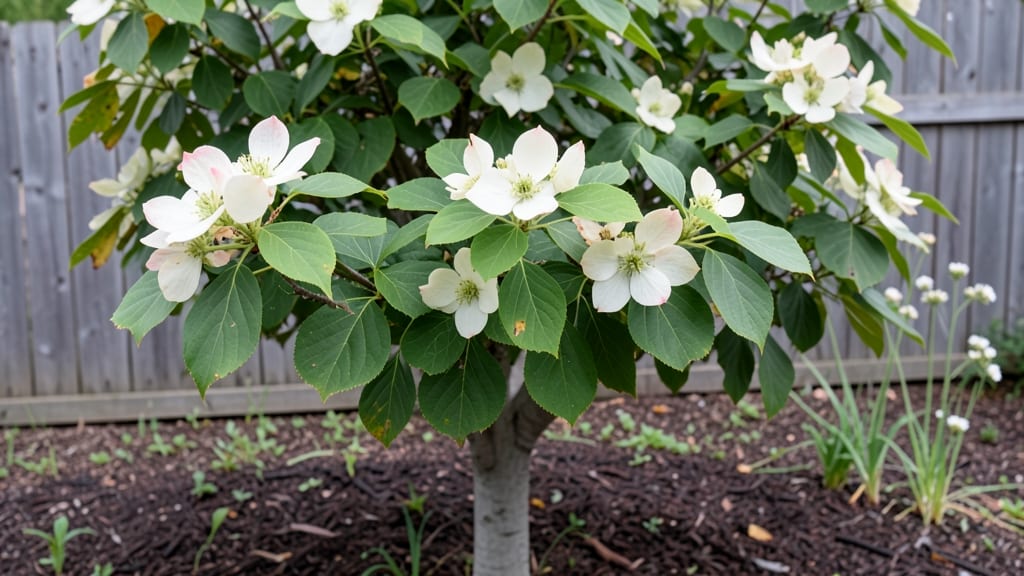
Flowering dogwood trees care for themselves better than most—until you prune them wrong. 🌿 That first mistake (I’ve made it too) turns a showstopper into a sad, bare-branched shadow. The good news? Correct pruning unlocks those iconic blooms year after year while keeping the tree strong.
Dogwoods bloom on old wood, so timing matters: prune right after flowering, never in late winter or fall. You’ll need sharp pruners, a ladder for taller trees, and a clear day to spot dead branches hiding under the canopy.
The goal isn’t drastic cuts—just opening the center for airflow and removing crossing limbs that rub.
What you’ll end up with is a tree that bursts with white or pink blooms in spring, holds onto deep red fall foliage, and stays structurally sound for decades.
Even better, the right cuts reduce disease risk and keep the tree’s signature layered shape. Let’s get those branches looking intentional.
Works for both young saplings and mature specimens—just adjust the approach. Urban yards or woodland edges? This method adapts. Here’s how to make every cut count without sacrificing those breathtaking flowers.
📚 In This Guide
- What you need
- Instructions
- Tips and common mistakes
- Wrapping up and next steps
What you need
- ● Pruning shears: Bypass pruners (sharp, 6–8" blades) for clean cuts on small branches.
- ● Loppers: 8–10" bypass loppers for thicker branches (up to 2" diameter).
- ● Pruning saw: Curved-tooth handsaw for branches >2" in diameter (avoid jagged cuts!).
- ● Gloves: Heavy-duty gardening gloves (cut-resistant for safety).
- ● Disinfectant: 70% rubbing alcohol or pruning sealant (to prevent disease spread).
- ○ Tree wound paint: Optional but helpful for sealing large cuts (use sparingly—dogwoods heal well naturally!).
- ● Ladder or step stool: Sturdy, extendable (for taller trees; prioritize safety!).
- ● Tarp or drop cloth: Medium-sized to catch debris and protect the ground.
- ● Extension pole: For hard-to-reach branches (attach to pruners/loppers).
- ● Marking spray: Bright-colored (to tag branches for removal before cutting).
- ● Compost or mulch: Organic, 2–3 inches to replenish soil post-pruning.
- ● First-aid kit: For minor cuts or scrapes (because safety first! 🚑).
Step-by-step instructions for pruning flowering dogwood trees
Here's how to keep your dogwood blooming beautifully while maintaining its graceful shape.
✂️ Step 1: Time Your Pruning for Maximum Blooms
Prune your flowering dogwood right after flowering—typically in late spring to early summer. This timing ensures you don't remove next year's flower buds, which form on old wood. If you prune too late, you risk cutting off the buds that will bloom the following spring.
Watch for the flowers to fade completely before reaching for your pruners. The tree's natural cycle is your guide here—don't rush. I always wait until all the petals have dropped and the seed pods begin to form. This usually happens within 2-3 weeks after peak bloom.
✂️ Step 2: Remove Dead, Diseased, or Weak Branches First
Start by eliminating any branches that are dead, diseased, or crossing. Use clean, sharp pruning shears to make clean cuts at a 45-degree angle, about ¼ inch above a healthy bud. This prevents water from pooling and causing rot. Look for branches that are brown inside when cut or have strange growths—these need immediate removal.
I always work from the bottom up, removing the lowest branches first. This gives me a clear view of the tree's structure and helps me spot hidden problems. If a branch is larger than 2 inches in diameter, use a pruning saw instead of shears to avoid tearing the bark.
✂️ Step 3: Thin the Canopy for Better Airflow
Next, thin out the canopy by removing 10-20% of the smallest branches from the interior. Focus on branches that are rubbing against others or growing inward. This improves airflow and sunlight penetration, which reduces disease risk and encourages stronger growth. You'll see the tree's natural shape emerge as you work.
Never remove more than 25% of the tree's foliage in one season—this stresses the dogwood. I like to aim for an open, vase-like shape that lets light reach the lower branches. If you're unsure, step back every few cuts to visualize the tree's balance.
✂️ Step 4: Shape the Tree for Balance and Form
Finally, shape the outer branches to maintain the tree's natural form. Flowering dogwoods have a graceful, layered habit, so avoid heavy pruning that creates a flat-topped look. Remove any branches that spoil the symmetry or grow too close together. The goal is to encourage a rounded, tiered silhouette that showcases the tree's beauty.
Pay special attention to the main scaffold branches. These should be spaced evenly around the trunk and angled outward. If a branch is growing straight up, it's competing with the leader and should be pruned back. Use your hand as a guide—if you can't fit it between the branch and the trunk, it's too close.
🌿 Step 5: Clean Up and Protect the Tree
After pruning, remove all debris and sterilize your tools with rubbing alcohol or a 10% bleach solution to prevent spreading disease. Apply a wound dressing only if the cut is larger than ½ inch in diameter. For smaller cuts, let the tree seal itself—it's more effective and reduces the risk of infection.
Water the tree deeply after pruning to help it recover. Mulch around the base with 2-3 inches of organic mulch, keeping it 6 inches away from the trunk. This protects the roots and retains moisture. Avoid heavy pruning in the first year after planting—let the tree establish itself first.
Tips & tricks for pruning flowering dogwood trees
These simple yet powerful tips will help you prune your dogwood like a pro while keeping it healthy and blooming beautifully.
Timing is Everything: The 2-3 week window after peak bloom is critical—don't rush this step! I've seen dogwoods lose next year's flowers when pruned too early or too late. Mark your calendar right after the petals fall completely, and you'll never miss the perfect moment. If you're unsure when your tree bloomed, check for seed pods forming as your visual cue.
Tool Prep Prevents Problems: Sterilizing your tools with rubbing alcohol or bleach solution (as mentioned in Step 5) isn't just about disease prevention—it's about giving your tree the best possible start. I keep a small spray bottle of 70% rubbing alcohol in my tool bag specifically for this purpose. Sharp tools also make cleaner cuts that heal faster, so take 2 minutes to sharpen your shears before you begin.
Visualize the Final Shape: Before making any cuts, step back and look at your tree's natural form. Flowering dogwoods naturally grow in a graceful, layered shape. Sketch a rough outline in your mind of how you want the branches to flow—this helps you make more intentional cuts. I often imagine the tree as a vase, with branches creating tiers that draw the eye upward.
Seasonal Pruning Strategy: For young dogwoods (under 5 years old), limit pruning to just removing dead or diseased branches during the 2-3 week window after flowering. Mature trees can handle the full pruning routine, but never remove more than 25% of the foliage in any single season. This rule prevents stress that could affect next year's blooms.
Pro Tips for Flowering Dogwood Tree Care
- These simple yet powerful tips will help you prune your dogwood like a pro while keeping it healthy and blooming beautifully.
- Timing is Everything: The 2-3 week window after peak bloom is critical—don't rush this step!
- Tool Prep Prevents Problems: Sterilizing your tools with rubbing alcohol or bleach solution (as mentioned in Step 5) isn't just about disease prevention—it's about giving your tree the best possible start.
Frequently asked questions
Got questions about keeping your flowering dogwood tree happy and blooming beautifully? Here are some of the most common concerns—plus expert tips to tackle them like a pro!
When is the best time to prune my flowering dogwood tree?
Prune your dogwood right after flowering (late spring to early summer) to avoid cutting off next year’s blooms. Avoid heavy pruning in fall or winter, as it can stress the tree and invite disease. Light shaping in late winter (before buds swell) is fine, but keep it minimal—dogwoods bloom on old wood!
Can I prune my dogwood in summer?
Yes, but with caution! Summer pruning is safe after the tree has finished flowering (typically June–July). Focus on removing dead, diseased, or crossing branches to improve airflow. Avoid heavy cuts—dogwoods are sensitive to over-pruning. Water deeply after pruning to help the tree recover.
Why aren’t my dogwood blooms as vibrant as they used to be?
Dull or sparse blooms often signal stress from over-pruning, poor nutrition, or disease. Check for powdery mildew or anthracnose (common in dogwoods). Boost blooms by fertilizing in early spring with a balanced, slow-release fertilizer (10-10-10). Also, ensure it gets 6+ hours of sunlight daily—shady spots reduce flowering.
How do I protect my dogwood tree in winter?
Dogwoods are hardy but can suffer from winter burn or bark splitting in harsh climates. Mulch the base with 3–4 inches of organic mulch (like wood chips) to insulate roots. Avoid heavy snow bupping branches—gently brush off accumulation. If your area gets extreme cold (<10°F), consider wrapping young trees with burlap for extra protection.
What’s a good alternative if my dogwood isn’t thriving?
If your dogwood struggles with disease, pests, or poor growth, consider these low-maintenance alternatives with similar beauty:
- Kousa dogwood (Cornus kousa) – More disease-resistant, with fragrant blooms and vibrant fall color.
- Serviceberry (Amelanchier) – Edible berries, white spring flowers, and stunning autumn foliage.
- Fothergilla – Showy white blooms and fiery fall colors, thrives in partial shade.
- Japanese tree lilac (Syringa reticulata) – Fragrant spring blooms and tough constitution.
All three handle pruning well and add year-round interest!
Wrapping up and next steps
Caring for your flowering dogwood tree doesn’t have to be overwhelming—with the right pruning techniques and a little patience, you’ll be rewarded with stunning blooms and a strong, healthy tree year after year. 🌸 Remember, timing, tools, and technique are your best friends, and even small steps make a big difference over time.
Ready to give your dogwood the love it deserves? Start by scheduling your next pruning session—whether it’s a light trim in late winter or a deeper clean-up after the blooms fade. Your tree (and your curb appeal!) will thank you!