
Trees
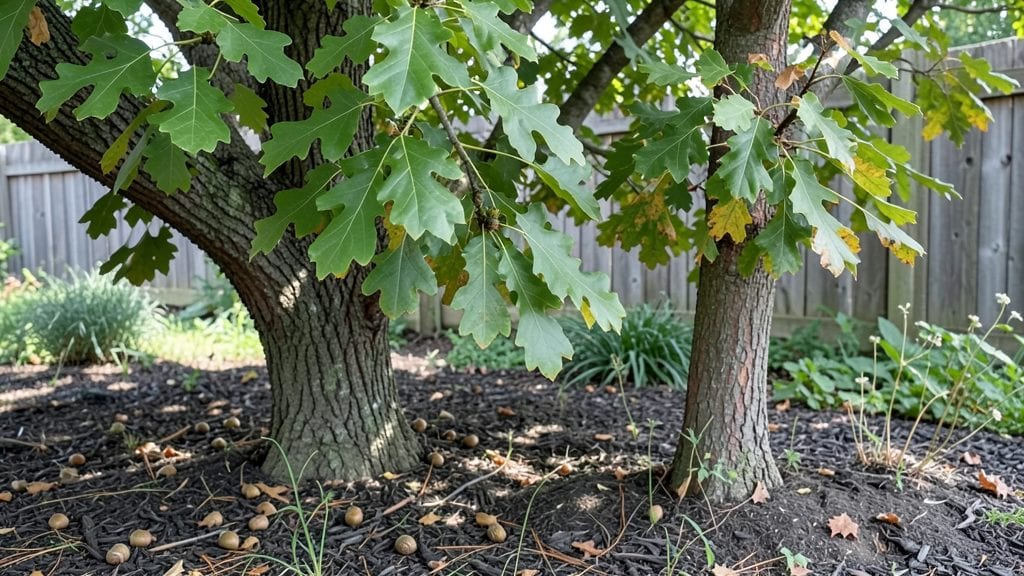
Connecticut’s native trees don’t just survive—they thrive, turning your yard into a four-season masterpiece. 🌳 I’ve planted enough of them to know which ones bring color in winter, shelter for birds, and that signature New England charm.
These aren’t just trees; they’re the backbone of local ecosystems, from the towering white oaks that anchor old-growth forests to the delicate serviceberries that feed wildlife year-round.
The best part? They’re low-maintenance once established. No fancy soil amendments, no constant watering—just the right spot and a little patience. A sugar maple in the backyard provides shade and brilliant fall foliage, while a redbud near the patio bursts with pink blooms in early spring.
Even urban yards can fit these trees, thanks to their adaptability to different soil types and light conditions.
What you’ll get is a garden that works harder than any imported species. The air stays fresher, local pollinators thrive, and your property gains value while supporting Connecticut’s biodiversity. Plus, the seasonal interest keeps things visually exciting—think golden hickory nuts in fall or evergreen eastern hemlock needles year-round.
Whether you’re restoring a woodland edge or just want a shade tree that fits your climate, these natives deliver beauty and function without compromise. Let’s pick the perfect ones for your space.
📚 In This Guide
- What you need
- Instructions
- Tips and common mistakes
- Wrapping up and next steps
What you need
- ● Native Tree Saplings: 1–3 trees (species like Oak (Quercus spp.), Maple (Acer rubrum), or Hemlock (Tsuga canadensis)—check local CT nurseries for region-specific varieties).
- ● Size: 1–3 ft tall (whips) or 4–6 ft (container-grown) for faster establishment.
- ● Planting Hole Supplies: Shovel (round-point or digging spade, 18–24" wide).
- ● Garden hose or watering can (5+ gallons capacity).
- ● Mulch (3–4 inches of shredded bark or pine needles, avoid plastic).
- ○ Soil Amendments (Optional but Helpful): Compost (5–10 lbs, improves drainage for clay-heavy CT soil).
- ● Native soil conditioner (e.g., mycorrhizal fungi to boost root health).
- ● Site Preparation: Test soil pH (aim for 6.0–7.0; CT’s acidic soils may need lime).
- ● Clear debris/weeds within a 3–5 ft radius of planting area.
- ● Local Regulations: Check with your town/city for tree planting permits (especially for large species or protected areas).
- ● Verify invasive species restrictions (e.g., avoid Burning Bush or Autumn Olive).
- ● Seasonal Timing: Best planting window: Early spring (April) or fall (October–November) for root establishment.
- ● 🌡️ Water deeply 2–3 times/week for the first year (10–15 gallons per tree).
- ● ✨ Stake only if necessary (young trees in windy CT areas may need temporary support).
- ● 🔥 Use native mulch to retain moisture and deter weeds—keep it 3 inches away from the trunk.
Step-by-Step guide to planting native trees in Connecticut
Connecticut’s diverse ecosystems offer perfect conditions for native trees that thrive year-round.
🌱 Step 1: Select Trees Suited to Your Connecticut Climate
Choose species native to Connecticut like red oak, sugar maple, or white pine, which naturally adapt to the state’s soil and weather. I always check the USDA Plant Hardiness Zone Map to confirm the tree’s suitability for my specific region—Connecticut spans zones 5b to 6b. For example, American beech thrives in zones 4-9, while black cherry prefers zones 4-8.
Consider your site’s conditions: sun exposure, soil type, and moisture levels. Red maple, for instance, tolerates wet soils, making it ideal for low-lying areas, while white oak prefers well-drained, slightly acidic soil. Visit local nurseries or consult the Connecticut Agricultural Experiment Station for region-specific recommendations.
🪴 Step 2: Prepare the Planting Site
Dig a hole twice as wide as the tree’s root ball but no deeper—this encourages roots to spread horizontally rather than settling too low. I use a shovel and mattock to loosen the soil around the edges, ensuring roots won’t struggle against compacted earth. Amend the native soil only if it’s clay-heavy or overly sandy; a mix of compost and topsoil helps, but avoid over-amending, which can suffocate roots.
Place the tree in the hole so the top of the root ball sits level with the surrounding soil. A simple trick: Use a stake or level to check alignment before backfilling. Water the hole lightly to settle the soil—this prevents air pockets that can strangle roots. Connecticut’s clay soils benefit from mulching (2-3 inches of wood chips or shredded bark) to retain moisture and regulate temperature.
☀️ Step 3: Plant and Stake for Stability
Gently remove the tree from its container and loosen any circled or tangled roots with your fingers—this encourages outward growth. Position the tree in the hole, ensuring the root flare (where roots meet trunk) is visible above soil level. Backfill with the native soil you removed, tamping lightly every 6 inches to eliminate air gaps.
Install two stakes on opposite sides of the tree, 6-12 inches from the trunk, and secure with soft ties (like tree straps or old pantyhose) to avoid girdling. Connecticut’s windy conditions can stress young trees, so staking provides support without restricting growth. Water deeply (about 10 gallons) immediately after planting to help soil settle around roots.
💧 Step 4: Water and Mulch for Long-Term Health
Water the tree weekly for the first year, providing 10-15 gallons per watering to encourage deep root growth. I check moisture by digging 2 inches down—soil should feel damp but not soggy. Overwatering in Connecticut’s humid summers can lead to root rot, so always allow the top 1-2 inches of soil to dry between waterings.
Reapply 2-3 inches of mulch annually, keeping it 3-6 inches away from the trunk to prevent moisture buildup. Native trees like serviceberry or hawthorn thrive with minimal care once established, but consistent mulching protects against temperature fluctuations and competing weeds. Avoid piling mulch against the trunk—this creates a volcano effect that traps moisture and invites pests.
⏰ Step 5: Prune and Monitor for Seasonal Success
Prune in late winter or early spring (before buds swell) to remove dead, diseased, or crossing branches. I use clean, sharp pruners to make cuts just outside the branch collar—the swollen area where the branch meets the trunk. Connecticut’s late frosts can damage new growth, so avoid heavy pruning in fall or early spring.
Monitor for pests like gypsy moths or diseases such as anthracnose, common in native trees. A weekly inspection of leaves and bark helps catch issues early. Native trees are naturally resilient, but stress from drought or poor soil can weaken them. Adjust care based on seasonal changes—reduce watering in fall to prepare roots for winter dormancy.
Tips & tricks for perfect native tree planting in Connecticut gardens
A few strategic moves will help your Connecticut native trees thrive for decades—and avoid the common pitfalls that turn promising plantings into disappointment.
Location is Everything: Connecticut’s varied microclimates mean your tree’s success hinges on placement. In Step 1, when selecting species, consider your yard’s specific conditions: southern exposures get intense afternoon sun, while northern spots stay cooler. For example, white pine handles full sun beautifully, but serviceberry prefers partial shade. I always sketch my yard with sun/shade patterns before purchasing trees—it saves money and heartache later.
Root Ball Preparation: The secret to long-term stability starts in Step 2 with proper root ball handling. When removing your tree from its container, gently tease apart any roots that have circled the pot—this prevents "girdling" where roots grow in tight loops that strangle the tree as it matures. For container-grown trees, I soak the root ball in water for 10-15 minutes before planting to revive any dried edges. This simple step dramatically improves survival rates in Connecticut’s fluctuating spring weather.
Staking Strategy: Connecticut’s windy conditions make proper staking in Step 3 non-negotiable, but most people do it wrong. Instead of tying directly to the trunk (which causes girdling), use two stakes positioned 6-12 inches away from the trunk, secured with soft fabric ties that can stretch as the tree grows. I always check these ties after 6 months—if they’re cutting into the bark, loosen them immediately. The goal is support, not restriction.
Seasonal Watering Adjustments: The weekly watering schedule in Step 4 works for summer, but Connecticut’s seasons demand flexibility. In early spring, when roots are still establishing, water every 5-7 days regardless of rain. By late summer, reduce to every 10-14 days to encourage deep root growth. The key is checking soil moisture 2 inches down—if it’s damp, hold off. This prevents the root rot that plagues many newly planted trees in our humid climate.
Pro Tips for Native Trees In Ct
- A few strategic moves will help your Connecticut native trees thrive for decades—and avoid the common pitfalls that turn promising plantings into disappointment.
- Location is Everything: Connecticut’s varied microclimates mean your tree’s success hinges on placement.
- Root Ball Preparation: The secret to long-term stability starts in Step 2 with proper root ball handling.
Frequently asked questions
Got questions about planting and caring for native trees in CT? You’re not alone! Here are some of the most common queries—plus straightforward answers to help you grow a thriving, eco-friendly landscape.
What are the best native trees for Connecticut’s climate?
Connecticut’s hardiness zones (5b–7a) support a variety of native trees, like sugar maple, white oak, red maple, and eastern redbud. These species thrive in CT’s seasonal shifts, from snowy winters to humid summers. For shade, opt for tulip poplar; for wildlife, serviceberry is a top pick!
When is the best time to plant native trees in Connecticut?
The ideal window is early spring (April–May) or fall (September–October). Soil is workable, temperatures are mild, and trees can establish roots before extreme weather. Avoid planting in peak summer heat or deep winter—young trees need time to adapt!
How much water do newly planted native trees need?
Water deeply 2–3 times per week for the first year, providing 1–2 inches of water per session. Mulch around the base (but keep it 3–4 inches away from the trunk) to retain moisture. Once established, most natives tolerate drought—but young trees still need regular care during dry spells.
Are native trees resistant to pests and diseases?
Yes! Native trees have co-evolved with CT’s ecosystems, making them more resilient to local pests like emerald ash borer or gypsy moths. However, no tree is completely immune—monitor for signs of stress (e.g., wilting, holes) and treat issues early. Oak wilt and anthracnose can still affect some species, so proper spacing and pruning help.
Can I grow native trees in containers or small yards?
Dwarf varieties like serviceberry (Amelanchier) or American hornbeam thrive in containers or tight spaces. For larger yards, consider layering trees (e.g., a white pine as a backdrop with witch hazel for texture). Just ensure containers have drainage holes and use well-draining soil.
What if my native tree isn’t thriving? Troubleshooting tips
Yellowing leaves?
Could indicate overwatering or nutrient deficiency (try a balanced fertilizer in early spring).
Stunted growth?
Check soil pH (most natives prefer slightly acidic to neutral); amend if needed.
Leaf spots or fungus?
Improve airflow with pruning and avoid wetting foliage during watering.
No flowers/fruit?
Some natives (like serviceberry) need 3–5 years to mature. Be patient!
Pro tip: If in doubt, consult the CT Woodland Stewards for species-specific advice!
Wrapping up and next steps
Planting native trees in Connecticut isn’t just about adding beauty to your landscape—it’s about creating a thriving ecosystem that supports local wildlife, improves air quality, and reduces maintenance.
From the vibrant foliage of red maples in autumn to the evergreen charm of eastern hemlocks, these trees bring year-round interest while staying resilient in CT’s climate. 🌳
Ready to make a difference? Start small—plant one native tree this season and watch your garden (and the environment) flourish! For inspiration, check out local nurseries or conservation groups that specialize in native species. Your green thumb can grow a greener future!