
Pruning
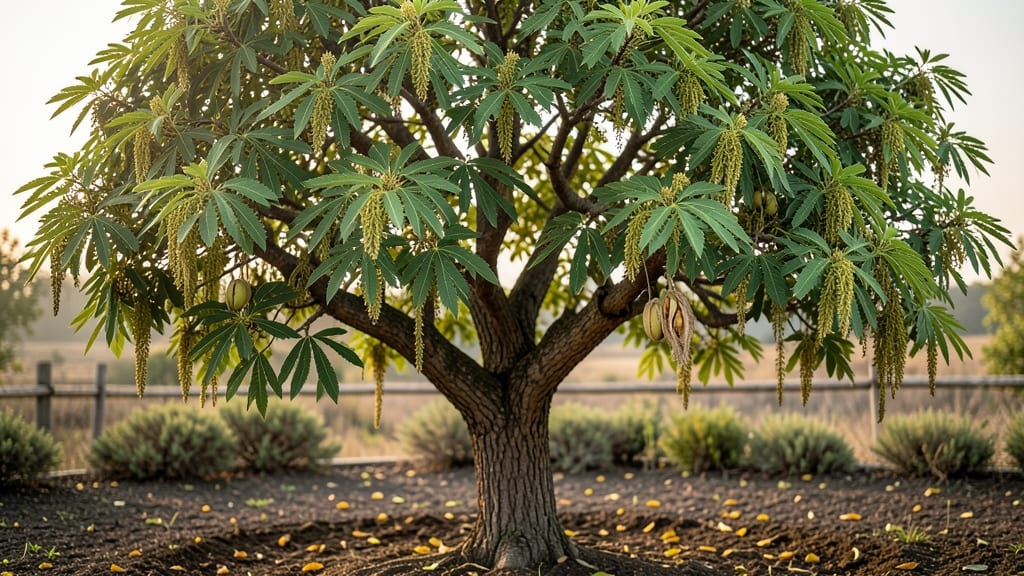
Growing pistachio trees in Florida isn't just possible—it's a game-changer for year-round harvests if you nail the pruning. 🌱 I planted mine in a well-drained spot near Tallahassee three years ago, and with the right cuts at the right time, we're now enjoying fresh nuts straight from the tree in every season.
The key? Florida's heat and humidity demand a different approach than California's traditional pistachio growing methods.
You'll need a cold-hardy variety like 'Kerman' or 'Peters,' a spot with full sun and sandy loam soil, and a pruning schedule that opens the canopy for airflow—critical for preventing fungal diseases like botrytis.
Florida's summer storms can be brutal, so sturdy stakes and a windbreak during the first two years are non-negotiable. The payoff? Trees that produce earlier and more consistently than their northern counterparts.
By winter, you'll see new growth where you pruned, and by spring, the first flowers appear—followed by those signature green hulls turning golden by fall. The secret weapon is summer pruning to control vigor, paired with winter shaping to maintain the tree's natural vase shape.
Even Florida's pests like aphids and scale can be managed with neem oil sprays and beneficial insects.
This method works for both backyard orchards and larger homesteads, though dwarf varieties like 'Golden Hills' are ideal for small spaces. The biggest challenge? Florida's humidity, but with these adjustments, your pistachio tree will thrive where others fail. Let's get those pruners ready!
📚 In This Guide
- What you need
- Instructions
- Tips and common mistakes
- Wrapping up and next steps
What you need
- ● Pistachio Tree Sapling: 1 cold-hardy pistachio variety (e.g., Pistacia vera ‘Kerman’ or ‘Peter’—check Florida-friendly options!)
- ● Size: 1–3 years old (bigger = faster harvest, but younger adapts easier to Florida’s climate).
- ● Soil Amendments: 5–10 lbs of well-draining soil mix (sandy loam or potting mix with perlite/vermiculite for drainage).
- ● 2 lbs of slow-release fertilizer (10-10-10 or citrus-specific blend).
- ● 1 lb of gypsum (to improve soil structure, especially if clay-heavy).
- ● Pruning Tools: 1 pair of bypass pruners (sharp, 6–8” blades for clean cuts).
- ● 1 pruning saw (for thicker branches, 8–10” curved blade).
- ● 1 disinfectant spray (70% isopropyl alcohol or pruning sealant).
- ● Planting Supplies: 1 5-gallon container or in-ground planting hole (1.5x wider than root ball).
- ● 2–3 mulch chips (pine bark or wood chips, 2–3” layer to retain moisture).
- ● Watering Essentials: 1 drip irrigation system or soaker hose (pistachios hate soggy roots!).
- ● 5–10 gallons of water storage (for deep watering 2–3x/week in dry spells).
- ● Pest Control: Neem oil spray (for aphids/spider mites).
- ● Reflective mulch film (to deter pests like squirrels).
- ● Growth Boosters: Epsom salt (magnesium sulfate, 1 tbsp/month during growing season).
- ● Mycorrhizal fungi (for root health, mix into planting hole).
- ● Monitoring Tools: Soil moisture meter (to track water needs).
- ● Pruning journal (to log cuts and growth patterns).
Step-by-Step guide to pruning pistachio trees in Florida
Florida’s warm climate lets pistachio trees thrive year-round—here’s how to keep them productive through precise pruning.
✂️ Step 1: Prune New Growth in Early Spring
Start your pruning in late February or early March when new growth begins but before buds fully swell. This is critical because Florida’s warm winters can cause pistachio trees to grow too aggressively early in the season. Use sharp, clean pruners to make cuts just above a bud or lateral branch—never leave stubs, as they invite disease.
Remove any dead, diseased, or crossing branches first. These compete with healthy growth and weaken the tree’s structure. I like to thin out about 20% of the canopy in this first round, focusing on branches growing inward or downward. This opens the center to sunlight and air circulation, which pistachios need for heavy nut production.
☀️ Step 2: Summer Light Pruning for Airflow
Mid-summer, around July, is the time for a lighter pruning session. Pistachio trees in Florida can get heat-stressed, so this step helps maintain vigor. Look for suckers—those vigorous, vertical shoots growing from the trunk or lower branches—and remove them completely. These saplings drain energy from nut production.
Thin out any overly dense foliage by selectively removing smaller branches that aren’t bearing fruit. Aim for a balanced canopy where sunlight reaches the inner branches. You’ll know you’ve done well when you can see dappled light filtering through the outer leaves to the center of the tree.
⏰ Step 3: Heavy Pruning After Harvest
Once the fall harvest is complete (typically October-November in Florida), it’s time for the most aggressive pruning of the year. Remove any fruit-bearing branches that are older than 5 years, as pistachio trees produce their best nuts on younger wood. This encourages new, productive growth for next season.
Shape the tree into an open vase form—this means keeping the lower branches shorter and allowing the upper branches to spread outward. Use a 3:1 ratio when cutting: for every 3 feet of branch, keep 1 foot of growth. This maintains the tree’s strength while maximizing sunlight exposure for next year’s crop.
🌿 Step 4: Winter Dormancy Maintenance
During December-February, pistachio trees enter dormancy in Florida’s cooler months. This is your chance to clean up any remaining debris and sterilize pruning tools with rubbing alcohol to prevent disease spread. Inspect the tree for any winter damage—like broken branches from storms—and prune those immediately.
If your tree is younger than 5 years, avoid heavy pruning now. Instead, focus on removing only dead wood and lightly shaping the tree to encourage upward growth. Mature trees, however, benefit from light thinning to maintain an open structure—just 5-10% of the canopy at this stage.
Tips & tricks for perfect pistachio tree pruning in Florida
A few key techniques will help you maintain your pistachio tree's health and maximize nut production year after year.
Timing Secret: Florida's warm climate means your pistachio tree grows aggressively year-round, so precise timing is everything. In Step 1, when pruning new growth in late February or early March, watch for the first signs of bud swelling—this is your cue to act. If you wait too long, you'll be cutting back already established growth that could have produced nuts. For Step 3's heavy pruning after harvest, mark your calendar for October-November immediately after you've collected your crop. This timing ensures you're removing old wood before winter dormancy sets in, giving new growth a head start in spring.
Tool Technique: Sharp, clean pruners are non-negotiable for healthy cuts and disease prevention. I sterilize my tools with rubbing alcohol between cuts during all pruning sessions (as mentioned in Step 4), but especially after removing diseased branches in Step 1. For larger branches, use a pruning saw with a fine-toothed blade to make clean cuts without tearing the bark. The key is to cut just above a bud or lateral branch—this creates the ideal growth point for next season's production.
Canopy Vision: The goal is always a balanced canopy that lets sunlight reach the inner branches. In Step 2's summer pruning, aim for that "dappled light" effect—you should see sunlight filtering through the outer leaves to the center. For Step 3's heavy pruning, use the 3:1 ratio as your guide: for every 3 feet of branch, keep just 1 foot of growth. This maintains the tree's strength while maximizing sunlight exposure. Think of your tree like an open vase—lower branches shorter, upper branches spreading outward to catch Florida's intense sunlight.
Seasonal Strategy: Each season demands a different approach. In winter dormancy (Step 4), focus on cleanup and minimal shaping rather than heavy pruning. For young trees under 5 years old, avoid aggressive cuts entirely—just remove dead wood and lightly shape to encourage upward growth. Mature trees benefit from that light thinning (5-10% of the canopy) to maintain airflow. Remember, pistachio trees in Florida need this seasonal rhythm to produce consistently heavy crops year after year.
Pro Tips for Pistachio Tree Florida
- A few key techniques will help you maintain your pistachio tree's health and maximize nut production year after year.
- Timing Secret: Florida's warm climate means your pistachio tree grows aggressively year-round, so precise timing is everything.
- Tool Technique: Sharp, clean pruners are non-negotiable for healthy cuts and disease prevention.
Frequently asked questions
Got questions about growing pistachio trees in Florida? You’re not alone! Here are some of the most common queries—and their answers—to help you thrive with your pistachio harvest.
Can pistachio trees actually grow in Florida’s climate?
Yes, but with care! Pistachios thrive in USDA Zones 7-10, and Florida’s warm winters (especially in South Florida) work—but they need cross-pollination (plant two trees) and well-draining soil. Young trees may need winter protection from frost. Pro tip: Choose cold-hardy varieties like “Kerman” or “Peters” for better resilience.
How long does it take for a pistachio tree to produce nuts in Florida?
Patience is key! Pistachio trees typically take 4–7 years to bear fruit, even in ideal Florida conditions. Factors like soil quality, water, and proper pruning speed this up. Speed it up: Fertilize with nitrogen in early spring and ensure consistent moisture (but avoid waterlogging).
What’s the best time to prune pistachio trees in Florida?
Prune during late winter (Feb–March) before new growth starts. Focus on removing dead, diseased, or crossing branches to improve airflow and sunlight. Avoid heavy pruning in summer—it stresses the tree. Bonus: Shape trees in early spring to encourage strong branches for nut production.
Why aren’t my pistachio tree’s flowers turning into nuts?
Common culprits: lack of pollination (plant two trees), nutrient deficiencies (test soil for zinc/magnesium), or extreme heat/drought. Florida’s humidity can also cause botrytis blight—prune for airflow and use fungicide if needed. Fix it: Hand-pollinate with a brush if bees are scarce.
Are there Florida-friendly alternatives to pistachio trees?
If pistachios seem too finicky, try peanut trees (arachis), macadamia, or figs—all thrive in Florida’s heat. For nuts, pecans (Zone 7+) are another option, though they need more space. Quick pick: “Osage Orange” is drought-tolerant but doesn’t bear edible fruit.
Wrapping up and next steps
Growing a pistachio tree in Florida is a rewarding journey that combines patience, care, and the right pruning techniques. With the right tools, timing, and a little love, you can enjoy a year-round harvest of these delicious nuts—even in Florida’s warm climate! 🌿✨
Ready to take the next step? Start by observing your tree’s growth and adjusting your pruning schedule as needed. Whether you’re a seasoned gardener or just starting, every trim brings you closer to a bountiful harvest. Happy pruning!