
Pruning
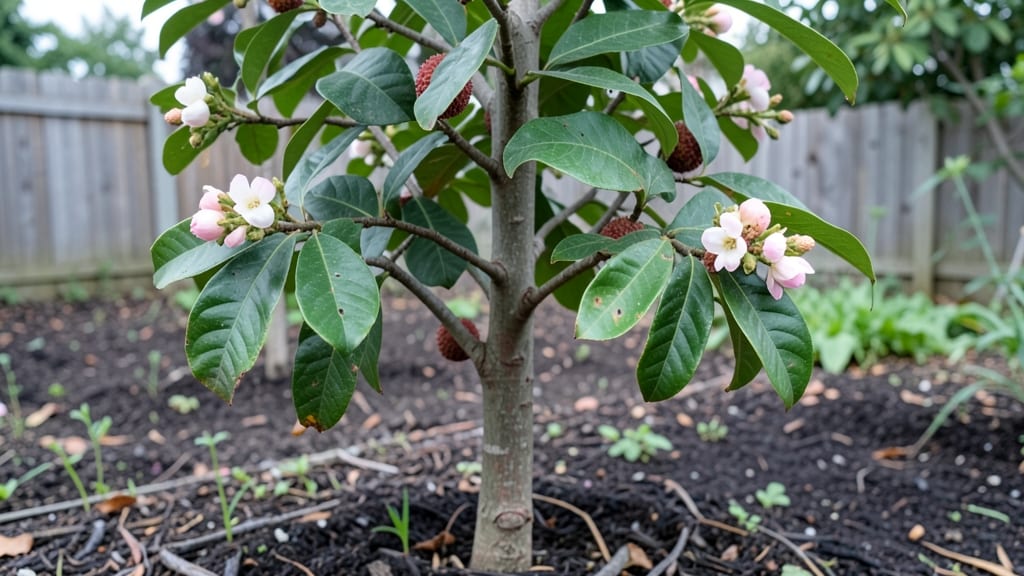
Growing a lychee tree in California means you can harvest sweet, fragrant fruit year after year—if you handle frost right. 🌱 I’ve watched my tree survive coastal fogs and inland heatwaves by pruning strategically, and the key is timing cuts to protect tender growth while keeping the shape open for airflow.
The trick isn’t just cutting back—it’s knowing when. Inland areas need heavier winter pruning to shield the trunk from sudden freezes, while coastal zones can keep branches fuller since mild winters do less damage.
Start with sharp shears and focus on removing dead wood first, then thin out crowded branches to let sunlight reach the center.
By late spring, you’ll see new shoots bursting with potential, and with proper pruning, those branches will bear fruit within two to three years. The payoff? A tree that thrives through California’s extremes, producing harvests from summer through fall when done correctly.
Whether you’re in the Central Valley or near the coast, small adjustments—like wrapping young trunks in burlap for extra frost protection—make all the difference. Let’s get your lychee tree set up for success.
📚 In This Guide
- What you need
- Instructions
- Tips and common mistakes
- Wrapping up and next steps
What you need
- ● Lychee Tree Sapling: Choose a frost-hardy variety like ‘Brewer’ or ‘Wai Chee’ (available at nurseries or online). Size: 1-3 years old (4–6 ft tall).
- ○ Well-Draining Soil: Mix 2 parts native California soil + 1 part compost + 1 part perlite/sand (pH 5.0–6.5). Optional: Add peat moss for acidity.
- ● Pruning Tools: Bypass pruners (for small branches)
- ● Loppers (for thicker branches, ½–1 inch diameter)
- ● Pruning saw (for stubborn, large limbs)
- ● Disinfectant (70% isopropyl alcohol or bleach solution)
- ● Frost Protection: Frost cloth (5–7 oz weight, covers 3–5 ft trees)
- ● String lights or space heaters (for extreme cold snaps)
- ● Mulch (3–4 inches of wood chips or straw around base)
- ● Fertilizer: Citrus-specific fertilizer (e.g., 10-10-10 NPK, apply every 2–3 months)
- ○ Epsom salt (1 tbsp/month for magnesium, optional)
- ● Location: Full sun (6+ hours/day) in USDA Zones 9b–11. For colder areas (Zone 8a): Plant in a large container (15+ gallon) for mobility.
- ● Water Access: Drip irrigation or hose with slow, deep watering (1–2 inches/week; more in summer).
- ● Patience: Lychees take 3–5 years to bear fruit! Prioritize annual pruning to shape and harden the tree.
- ○ Pollination: Hand-pollinate flowers with a soft paintbrush if no bees are present (optional but helpful).
Step-by-step instructions for growing a frost-resistant lychee tree in California
Here's how to cultivate a lychee tree that thrives in California's climate and survives occasional frost.
🌱 Step 1: Select the Right Variety and Planting Location
Choose a frost-resistant variety like 'Brewer' or 'Wai Chee'—these handle California's coastal chill better than tropical strains. Plant in full sun (at least 6-8 hours daily) with protection from winter winds that can damage tender branches.
Lychees need well-draining soil with a slightly acidic pH (5.5-6.5). Amend heavy clay with compost and sand to improve drainage. In coastal areas, plant near a south-facing wall to capture warmth. If frost is a concern, choose a microclimate like a sheltered valley or urban heat island.
☀️ Step 2: Plant and Establish the Tree for Cold Tolerance
Plant your container-grown lychee in early spring after the last frost date for your area. Dig a hole twice as wide as the root ball but no deeper. Gently remove the tree from its pot and loosen any circling roots—lychees hate root binding.
Backfill with native soil mixed with compost to encourage root spread. Water deeply right after planting to eliminate air pockets. Mulch with 3-4 inches of wood chips around the base (but not touching the trunk) to insulate roots in winter and retain moisture in summer.
✂️ Step 3: Prune for Frost Resistance and Airflow
Prune in late winter or early spring before new growth begins. Remove dead, crossing, or weak branches first to improve airflow—this reduces frost pockets where cold air settles. Thin the canopy to let sunlight penetrate to the center, where fruit develops.
For frost-prone areas, shorten outer branches by about one-third to create a more compact shape. This encourages new growth closer to the trunk, which is less vulnerable to cold snaps. Avoid heavy pruning in fall—lychees need energy to harden off for winter.
💧 Step 4: Water and Fertilize for Cold Hardiness
Water deeply once a week during the first year, then reduce to every 2-3 weeks once established—lychees hate soggy roots. In drought-prone California, water more frequently in summer but taper off in fall to prepare for winter. Use drip irrigation to keep foliage dry, reducing fungal risks.
Fertilize in early spring with a balanced 10-10-10 formula. Avoid high-nitrogen fertilizers in late summer—they encourage tender growth that’s more frost-sensitive. Add citrus or fruit-tree fertilizer in late winter to boost cold tolerance before the growing season.
⏰ Step 5: Protect from Frost and Encourage Year-Round Fruit
If frost is forecast, cover the tree with a frost blanket or row cover the night before. Remove it the next morning to prevent heat buildup. In coastal areas, a windbreak made of bamboo stakes and frost cloth can raise temperatures by 5-10°F during cold snaps.
For year-round fruit, harvest when the fruit turns pink (not fully red) and the skin wrinkles slightly. In California, you may get two harvests—spring and fall. Thin clusters to 3-4 fruit per branch to improve size and quality. Prune again after harvest to maintain shape and airflow.
Tips & tricks for frost-resistant lychee tree cultivation
Here's what I've learned from growing lychees in California's tricky climate—these tricks make all the difference between a struggling tree and a thriving fruit producer.
Microclimate Selection: The 6-8 hours of daily sun requirement is non-negotiable, but it's not just about sunlight—it's about heat retention. I've found that planting near a south-facing wall adds an extra 5-10°F of warmth during cold snaps. In coastal areas, urban heat islands (like parking lots or paved surfaces) can provide that crucial temperature boost when frost threatens. Look for spots where cold air naturally drains away.
Root Protection Strategy: That 3-4 inches of wood chip mulch isn't just for moisture—it's your tree's winter blanket. I've seen trees survive 20°F nights with proper mulching, but the key is keeping it loose and never touching the trunk. For extra protection in frost-prone areas, add a 6-inch layer of straw on top of the wood chips in late fall. This creates an insulating air pocket that can raise soil temperatures by 3-5°F.
Pruning Timing Secret: The late winter/early spring pruning window is critical because it gives your tree time to heal before summer heat arrives. I mark my calendar for the first warm day above 55°F after the last frost date—this is when new growth starts. If you prune too early, you risk exposing tender new shoots to late frosts. For frost-prone areas, I recommend a second light pruning in late summer to remove any water sprouts that grew too fast during warm spells.
Watering Wisdom: The transition from weekly watering to every 2-3 weeks is where most people go wrong. I've learned to check soil moisture by sticking my finger 2 inches deep—if it's dry, water; if it's moist, wait. In summer, I water in the early morning to prevent fungal issues, and in winter, I cut back completely unless we have an extended dry spell. The key is keeping roots moist but never soggy during California's unpredictable rain patterns.
Pro Tips for Lychee Tree California
- Here's what I've learned from growing lychees in California's tricky climate—these tricks make all the difference between a struggling tree and a thriving fruit producer.
- Microclimate Selection: The 6-8 hours of daily sun requirement is non-negotiable, but it's not just about sunlight—it's about heat retention.
- Root Protection Strategy: That 3-4 inches of wood chip mulch isn't just for moisture—it's your tree's winter blanket.
Frequently asked questions
Got questions about growing lychee trees in California?
Here are answers to the most common ones—whether you're a pruning pro or just starting your tropical fruit journey!
Can lychee trees survive California’s frost?
Lychees are not frost-hardy, but California’s mild coastal winters (USDA Zones 9b-11) work in your favor! In colder inland areas (like Zone 8), grow lychees in containers and move them indoors or under cover when temps drop below 30°F (-1°C). Mulch heavily and use frost cloth for extra protection.
When is the best time to prune a lychee tree in California?
Prune late winter to early spring (February–March) to encourage new growth before the growing season. Avoid heavy pruning in summer, as lychees bloom on current-year wood. Light shaping pruning can happen year-round, but focus on removing dead/diseased branches and thinning dense foliage for airflow.
How do I get my lychee tree to fruit in California?
Patience is key—lychees can take 3–5 years to bear fruit! Ensure full sun (6+ hours/day), well-draining soil, and consistent watering (drought-stressed trees won’t fruit). For pollination, plant a second tree or hand-pollinate with a small brush. In California, winter chilling hours (300–500) may be needed, so supplement with cold storage if indoors.
What’s a good frost-resistant alternative to lychees in California?
If frost is a concern, try these low-chill, drought-tolerant alternatives:
- Longan (similar to lychee, slightly more frost-tolerant)
- Loquat (thrives in Zones 8–10, edible year-round)
- Pomegranate (hardy to Zone 7, cold-hardy fruit)
- Fig (Zone 7+, minimal care, dual harvests)
Why are my lychee leaves turning yellow/brown in California?
Yellowing leaves often signal overwatering, nutrient deficiency, or pests. Check soil moisture—lychees hate soggy roots! Brown edges? It could be nutrient burn (flush with water) or spider mites/scale (treat with neem oil). For yellowing between veins, test for magnesium deficiency (Epsom salt spray helps).
Wrapping up and next steps
Growing a lychee tree in California is a rewarding adventure—especially when you master frost-resistant pruning to keep your tree thriving year-round! 🌳 With the right techniques, you’ll enjoy sweet, fragrant fruit while protecting your tree from winter chill. Remember: timing, tools, and technique are your best friends.
Ready to take the next step? Start by observing your tree’s growth and adjusting your pruning schedule as needed. Before you know it, you’ll be harvesting lychees like a pro! Need a refresher? Bookmark this guide and revisit it whenever you’re ready to refine your skills.