
Pruning
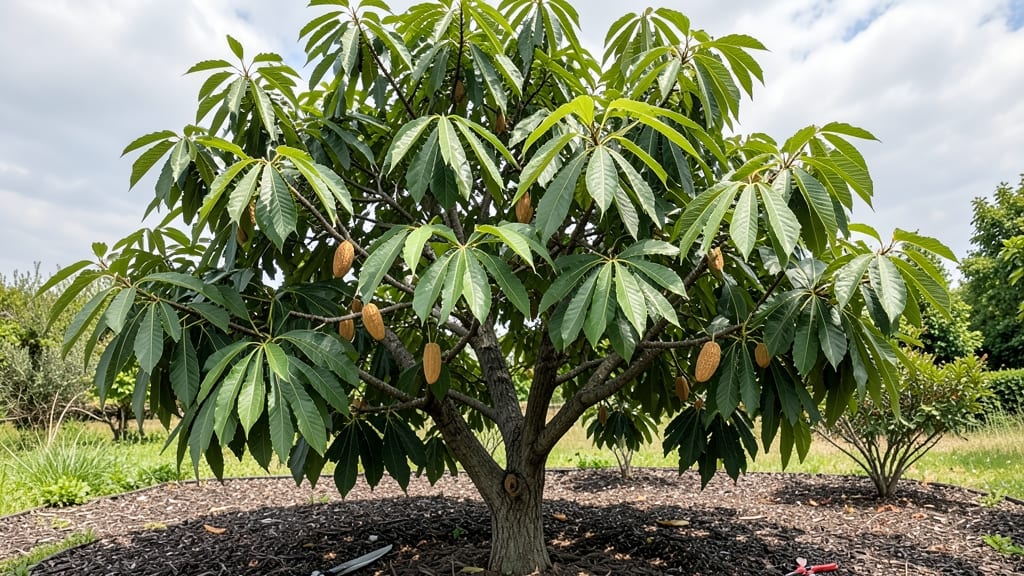
Growing a Kanza pecan tree means you could be cracking homegrown nuts in just three years—no orchard required. 🌱 I planted mine last spring, and the first buds already promise a harvest that’ll make store-bought pecans taste bland.
The secret isn’t just patience; it’s knowing when to prune, how to water, and which soil tricks keep roots happy in colder climates.
This cold-hardy variety thrives where most pecans fail—zones 5 through 8—so don’t let your climate hold you back. You’ll need well-draining soil, a sunny spot, and a little elbow grease during the first two years to shape its structure.
The payoff? A tree that produces 100+ pounds of nuts per year once mature, with minimal fuss after the initial setup.
By year three, you’ll be harvesting nuts with a sweet, buttery flavor that’s hard to beat. Pruning in late winter keeps the tree open for sunlight, and a thick layer of mulch protects roots from winter’s worst.
Even beginners can master this—just follow the steps, and you’ll be enjoying fresh pecans before you know it.
Works for backyard orchards, large properties, or even container growing (in warmer zones). Let’s get your Kanza pecan off to the right start—because great trees begin with great foundations.
📚 In This Guide
- What you need
- Instructions
- Tips and common mistakes
- Wrapping up and next steps
What you need
- ● Pruning shears: Bypass pruners (sharp, clean, and disinfected with rubbing alcohol) for small branches (up to ½-inch thick).
- ● Loppers: 1 pair (for branches ½-inch to 2-inches thick).
- ● Pruning saw: A folding pruning saw with a curved blade for thicker branches (2+ inches).
- ● Gloves: Heavy-duty, cut-resistant gloves (e.g., leather or Kevlar) to protect hands from thorns and sharp edges.
- ● Ladder: A sturdy, extension ladder (20-30 ft, depending on tree height) with non-slip feet for safe reach.
- ● Disinfectant: 70% isopropyl alcohol or a 10% bleach solution (1 part bleach to 9 parts water) to sterilize tools and prevent disease spread.
- ● Heavy-duty trash bags: 3-5 thick, leak-proof bags (13-gallon size) for collecting pruned branches.
- ● Rope or tarps: Sturdy rope (for securing branches) or tarps (to protect ground from debris).
- ○ Tree wound dressing (optional but helpful): Pruning sealant (e.g., Tanglefoot Tree Wound Pruning Seal) for cuts larger than ½-inch.
- ● Pole saw: For high branches that are too thick for loppers but too high for a ladder.
- ● Safety harness: If pruning very tall trees (25+ ft), a harness and climbing gear are a must.
- ● Work boots: Steel-toe boots for extra foot protection.
- ● Hand saw: A bow saw for larger branches if a pruning saw isn’t available.
- ● Tree pruning guide: A printed or digital reference for Kanza pecan-specific pruning techniques.
Step-by-Step instructions for planting a Kanza pecan tree
Here’s the straightforward method I’ve used to establish thriving Kanza pecan trees in colder climates—no guesswork involved.
🌱 Step 1: Choose the Right Location and Timing
Kanza pecans thrive in full sun with at least 6-8 hours of direct light daily. Pick a spot with well-draining soil and space to grow—these trees can reach 30-50 feet tall at maturity. I always plant in early spring, just as the soil warms to 60°F but before buds break. This timing gives roots time to establish before summer heat.
If you’re in a colder zone, wait until the last frost has passed. Dig a hole twice as wide as the root ball but only as deep. Loose soil around the edges helps roots spread quickly. I like to mark the spot with a stake before digging—it’s easy to forget where you planned to plant once you start moving soil.
🪴 Step 2: Prepare the Soil and Plant the Sapling
Amend the native soil with 2-3 inches of compost mixed into the bottom of the hole. Kanza pecans prefer slightly acidic to neutral soil (pH 6.0-7.5). Place the tree so the top of the root ball sits 1-2 inches above ground level—this prevents water from pooling around the trunk later. Gently spread the roots outward and backfill with the native soil mix, tamping lightly every 6 inches to remove air pockets.
Don’t compact the soil too firmly—you want it loose enough for roots to grow into. Water deeply right after planting to settle the soil and eliminate air gaps. A good soak (about 1-2 gallons) helps the roots make contact with the surrounding earth. I always add a 2-inch layer of mulch around the base, keeping it 6 inches away from the trunk to prevent rot.
☀️ Step 3: Water and Fertilize for the First Year
Newly planted Kanza pecans need deep watering once a week during the first growing season, more often in extreme heat. Water slowly at the base until the soil is 12 inches deep and moist. Avoid wetting the leaves to prevent fungal diseases. I set up a soaker hose for the first month—it delivers water right to the roots without disturbing the soil.
Fertilize lightly in early spring with a balanced 10-10-10 fertilizer, following package instructions. Too much nitrogen early on can encourage leafy growth at the expense of root development. Watch for signs of stress—yellowing leaves often mean overwatering, while crispy edges signal underwatering. Adjust your schedule based on what you see.
✂️ Step 4: Prune and Train for Strong Growth
Prune in late winter or early spring before new growth begins. Remove any dead, diseased, or crossing branches first. Then, shape the tree by cutting back 1/3 of the previous year’s growth to encourage a strong central leader. I always sterilize my pruners with rubbing alcohol between cuts to prevent spreading disease.
For the first two years, focus on establishing a sturdy structure. Avoid heavy pruning—you want the tree to grow steadily, not compensate for aggressive cuts. Thin out crowded branches to improve airflow, which reduces the risk of fungal issues. By year three, you’ll see the first signs of pecan production—small, green nuts forming in the summer.
⏰ Step 5: Maintain Through the First Three Years
Keep the soil consistently moist but never soggy. A mature Kanza pecan tree can handle drought better, but young trees need steady moisture. I check soil moisture by sticking my finger 2 inches deep—if it’s dry, it’s time to water. Mulch annually in early spring to retain moisture and regulate soil temperature.
Monitor for pests like aphids or borers, especially in hot, dry summers. A strong spray of water can knock off aphids, while beneficial nematodes help control borers. By year three, your tree should be well-established, with a trunk diameter of 2-3 inches and a canopy spreading 10-15 feet wide. That’s when you’ll start seeing those cold-hardy pecans forming—worth every bit of patience!
Tips & tricks for perfect Kanza pecan tree planting
A few simple tricks can make all the difference when growing cold-hardy Kanza pecan trees that thrive for decades.
Location is Everything: In Step 1, when choosing your spot, look for areas with the full 6-8 hours of sunlight and avoid low spots where cold air settles. I've planted in full sun locations with southern exposure—this gives the tree maximum warmth during critical growing months. Also, check your yard's drainage by digging a small test hole nearby. If water pools after 24 hours, you'll need to amend the soil or choose a different location.
Soil Prep Secret: For Step 2, don't just add compost—test your soil's pH first. Kanza pecans prefer 6.0-7.5 pH, and you can get a simple test kit at garden centers. If your soil is too acidic, add crushed limestone; if too alkaline, work in peat moss. I've seen trees struggle in unamended soil that tested outside this range, even with compost. The 2-3 inches of compost should be mixed into the bottom of the hole, not just placed at the bottom.
Watering Wisdom: The deep watering once a week in Step 3 is crucial, but timing matters too. Water in the morning so leaves have time to dry before evening. I use a moisture meter to check 12 inches deep—if it's dry, water again. For the first month, I set up a soaker hose on a timer for 30 minutes daily to ensure consistent moisture without overwatering.
Pruning Pro Tip: When pruning in Step 4, make cuts just outside the branch collar—the swollen area where the branch meets the trunk. I sterilize my pruners with rubbing alcohol between cuts to prevent spreading disease. For young trees, focus on removing branches growing toward the center to create an open canopy that improves airflow and reduces fungal risks.
Pro Tips for Kanza Pecan Tree
- A few simple tricks can make all the difference when growing cold-hardy Kanza pecan trees that thrive for decades.
- Location is Everything: In Step 1, when choosing your spot, look for areas with the full 6-8 hours of sunlight and avoid low spots where cold air settles.
- Soil Prep Secret: For Step 2, don't just add compost—test your soil's pH first.
Frequently asked questions
How cold-hardy is the Kanza pecan tree, really?
The Kanza is one of the toughest pecan varieties out there, thriving in USDA Zones 5-9. It can handle dips down to -15°F (-26°C) once established, making it perfect for northern growers. Young trees (under 3 years) need a little extra winter protection, like mulch or burlap wraps.
How long does it take for a Kanza pecan tree to produce nuts?
Patience is key! Most Kanza trees start bearing light crops in 3-4 years and full production by 5-7 years. Proper care—like pruning for airflow and consistent watering—speeds up the process. Pro tip: Thin early fruit to boost size and quality!
When and how should I prune a Kanza pecan tree?
Prune during late winter or early spring (before buds swell) to remove dead wood, crossing branches, and suckers. Use sterilized tools to avoid disease, and avoid heavy pruning in the first 2 years. Goal: Open the canopy for sunlight and airflow to prevent fungal issues.
Can I grow a Kanza pecan tree in a container?
While possible, it’s not ideal for long-term growth. Containers limit root expansion, stunting the tree and reducing nut production. If you must, use a 50+ gallon pot with drainage and repot every 2-3 years. For best results, plant in the ground where roots can spread freely!
What pests or diseases should I watch for with Kanza pecans?
Common threats include pecan scab, aphids, and webworms. Monitor leaves for fungal spots (scab) and treat with copper fungicide if needed. For aphids, blast them off with water or use insecticidal soap. Prevention tip: Keep the area around your tree clean and mulch properly to deter pests.
Wrapping up and next steps
Growing a Kanza pecan tree is a rewarding journey that blends patience with delicious results—imagine enjoying homegrown pecans in just three years! 🌱 With the right care, this cold-hardy variety thrives in diverse climates, offering both beauty and bounty.
Whether you're a novice gardener or a seasoned pro, your dedication will soon be rewarded with rich, flavorful nuts straight from your backyard.
Ready to take the next step? Start by planting your sapling this season and stay consistent with watering, pruning, and soil care. Before you know it, you’ll be harvesting pecans—and maybe even sharing them with neighbors! 🍃